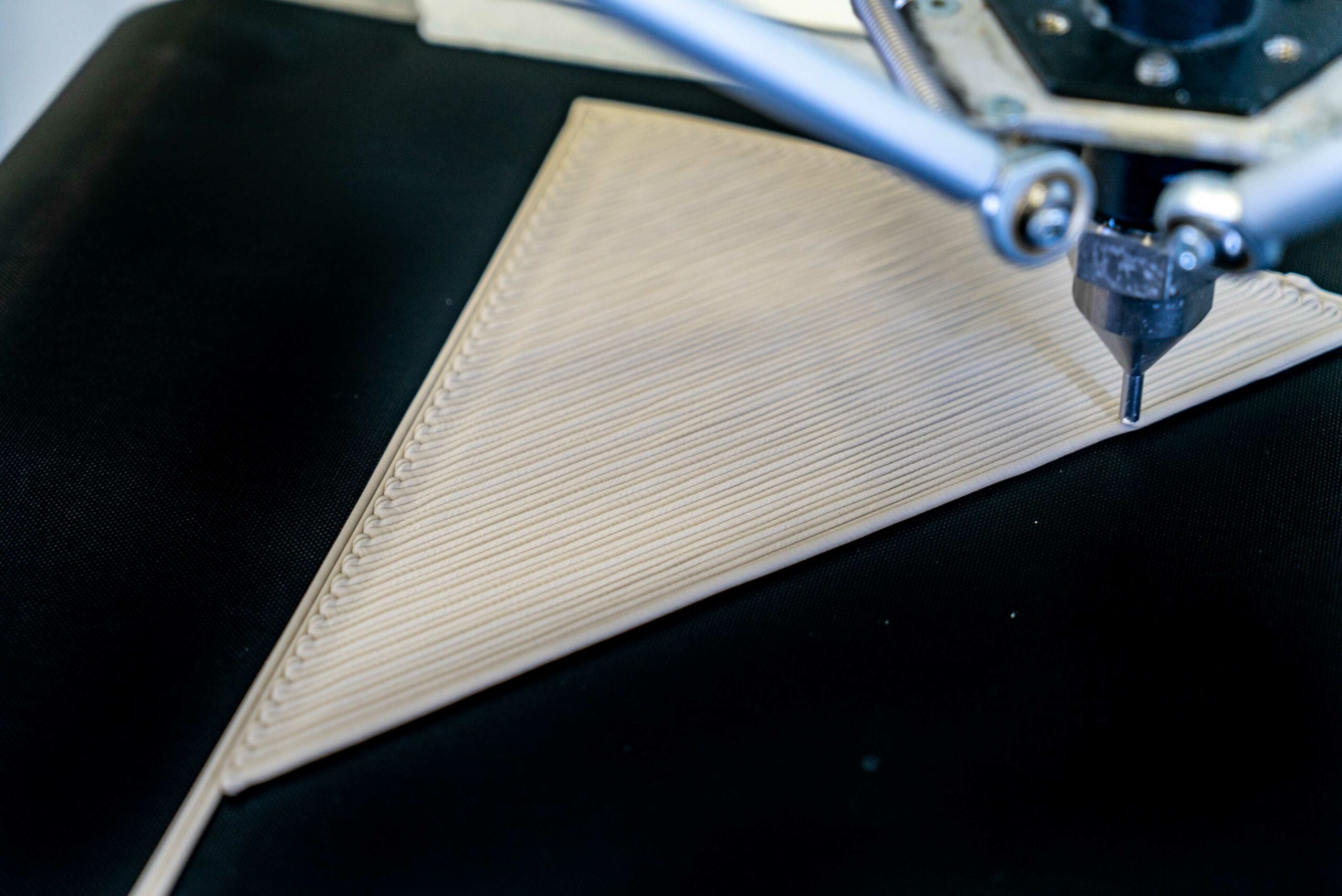
Competence center for additive manufacturing of ceramics – from printable raw material to the sintered component

3DK – Kompetenzzentrum 3DKeramik (Forschungsinstitut für Glas – Keramik GmbH)
Höhr-Grenzhausen (CeraTechCenter)New on Amplifa
Competence Center 3DKeramik
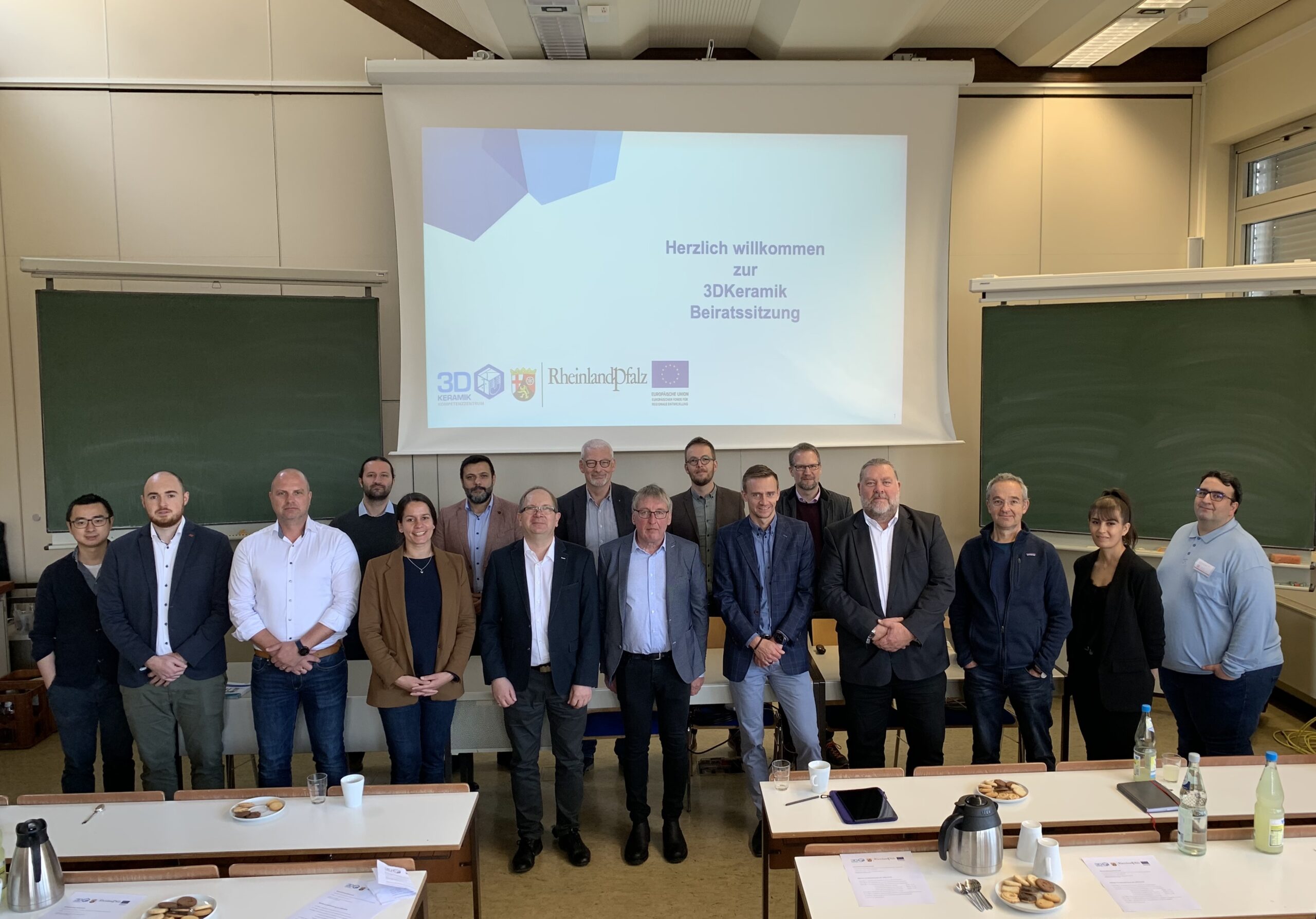
The 3DKeramik competence center (3DK) is the first center for additive manufacturing of inorganic non-metallic materials in Rhineland-Palatinate. It was founded in 2019 with funding from the EFRE and the Ministry of Economic Affairs of Rhineland-Palatinate by the partners Forschungsinstitut für Glas – Keramik (FGK), Koblenz University of Applied Sciences and the University of Koblenz. In the follow-up project 3DKI, the Environmental Campus Birkenfeld of Trier University of Applied Sciences and the Software Engineering research group of the University of Koblenz are also involved, with a focus on artificial intelligence and sustainability. The services cover the entire process chain: development of process additives, preparation of printable compounds and files, ceramic 3D printing of components on a millimeter to meter scale, thermal treatment with debinding and sintering, as well as characterization. The main site is the CeraTechCenter in Höhr-Grenzhausen in the Kannenbäckerland. The center supports companies with R&D projects, including publicly funded programs such as ZIM and BMBF, and offers workshops and training courses. Application fields range from in-body use to deployment in steelworks.
- Site
- Höhr-Grenzhausen
- Processes
- Additive manufacturing of inorganic non-metallic materials (ceramics), Process additives (material modification for printable compounds), Preparation (printable file and printable compound), Shaping / ceramic 3D printing, Debinding, Sintering (firing), Characterization (rheology, mechanical properties, imaging-based non-destructive testing), Contour crafting (large-format printing, refractory castable)
- Materials
- Inorganic non-metallic materials (ceramics), high-alumina refractory castable, High-alumina refractory castable, Process additives, Ceramic 3D printing (additive shaping), Contour crafting (large-format printing), Debinding, Sintering (firing)
- Founded
- 2019
- Industries
- Ceramic technologies, Steelworks / refractory, Medical technology, Research and development, Medical technology (in-body application)
- 01
Process additives (material modification)
- 02
Preparation (printable compound and file)
- 03
Shaping (ceramic 3D printing)
- 04
Thermal treatment (debinding)
- 05
Sintering (firing)
- 06
Characterization
Materials and Processes
Inorganic non-metallic materials (ceramics)
Material group for additive manufacturing of components from medical applications to steelworks.
High-alumina refractory castable
Refractory material for contour-crafting large-format printing with use in steelworks.
Process additives
Material modifications that make inorganic non-metallic compounds printable and ensure shape stability of the layers.
Ceramic 3D printing (additive shaping)
Core shaping process for printed parts on a millimeter to meter scale.
Contour crafting (large-format printing)
Layer-by-layer build-up of large-format components made of refractory castable with the aid of process additives.
Debinding
Thermal process lasting several days for the removal of organic constituents prior to sintering.
Sintering (firing)
High-temperature consolidation of the printed part to achieve its functional properties.
Characterization and non-destructive testing
Rheology, mechanical properties and imaging-based inspection for optimizing the process parameters.
Sites
Höhr-Grenzhausen (CeraTechCenter)
DEMain site and competence center
- Lot size
- Prototypes and research contracts
- Materials
- Ceramics, high-alumina refractory castable
- 3D printing systems for ceramics
- Testing technology / characterization systems
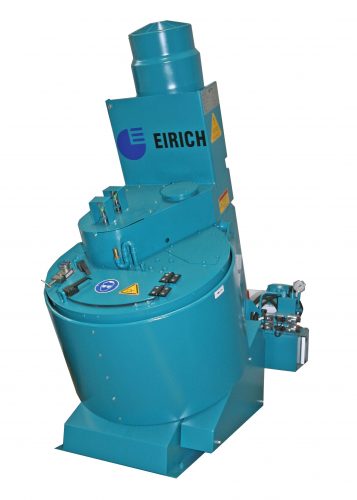
- Eirich mixers
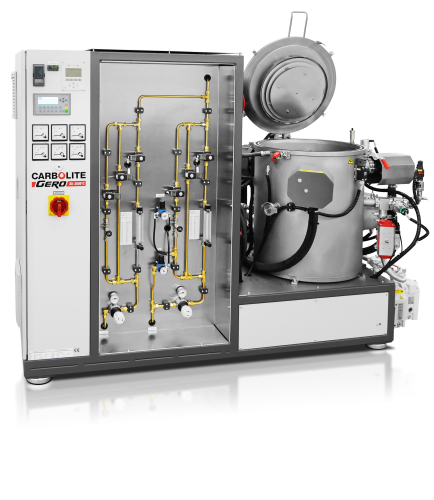
- High-temperature furnace
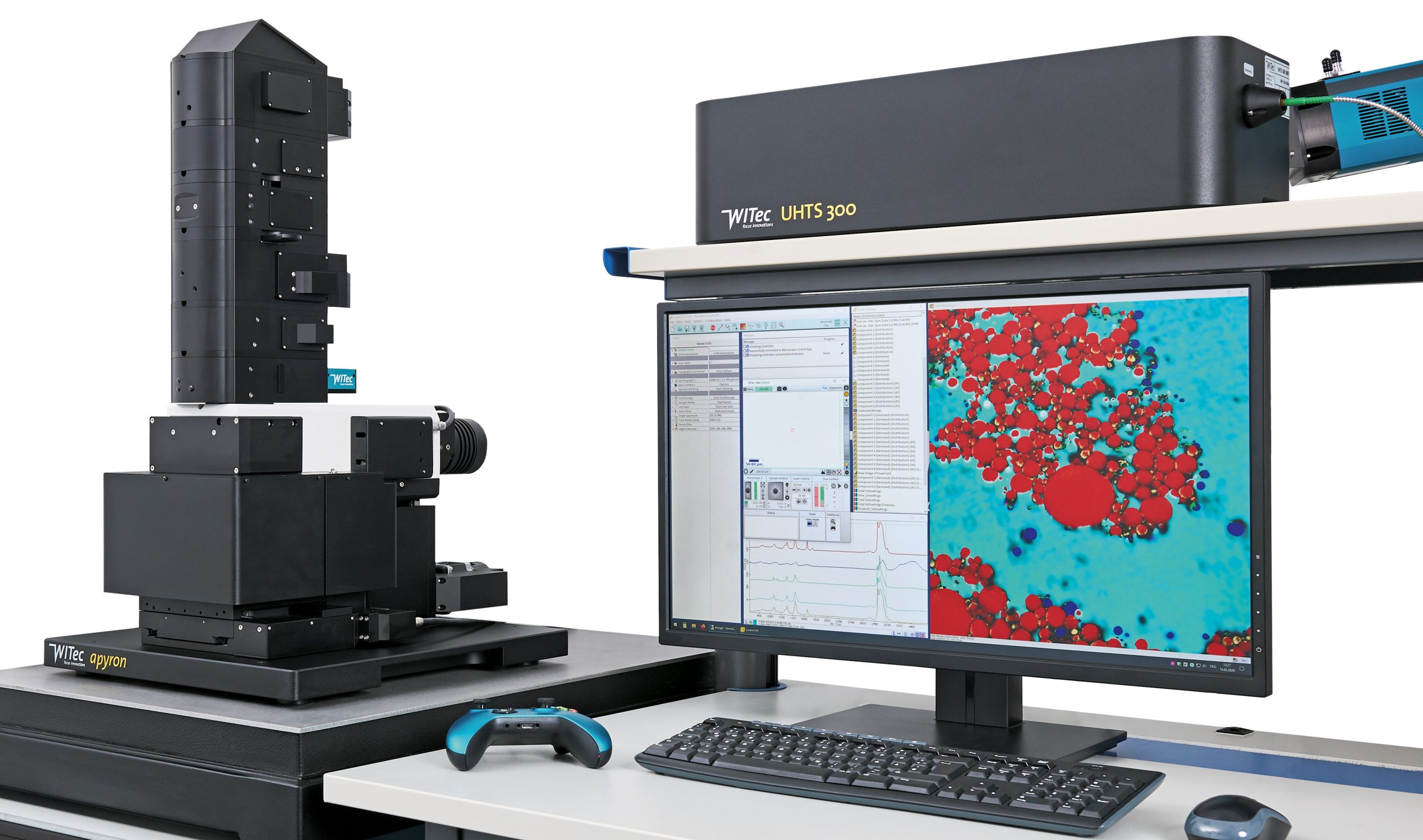
- Raman microscope WITec alpha300 apyron
Printed Parts and Applications
Inside the production
Industries
Processes & technical limits
| Processes | Tolerance | Max. part | Weight | Lot size | Materials |
|---|---|---|---|---|---|
| Additive manufacturing of inorganic non-metallic materials (ceramics)Additive | – | Meter scale (printed parts on a | – | – | Inorganic non-metallic materials (ceramics) |
| Process additives (material modification for printable compounds)Additive | – | – | – | – | Inorganic non-metallic compounds |
| Preparation (printable file and printable compound)Additive | – | – | – | – | Inorganic non-metallic compounds |
| Shaping / ceramic 3D printingAdditive | – | Meter scale | – | – | Ceramics, Refractory castable |
| DebindingHeat treatment | – | – | – | – | Ceramics |
| Sintering (firing)Heat treatment | – | – | – | – | Ceramics |
| Characterization (rheology, mechanical properties, imaging-based non-destructive testing)Testing | – | – | – | – | Ceramics |
| Contour crafting (large-format printing, refractory castable)Additive | – | – | – | – | high-alumina refractory castable |
2 Anlagen & Maschinen
| Machine | Manufacturer / model | Quantity | Working area | Year built | Site |
|---|---|---|---|---|---|
| 3D printing systems (ceramic printing) | – | – | Printed parts on a millimeter to meter scale | – | CeraTechCenter, Höhr-Grenzhausen |
| Testing technology / characterization systems | – | – | – | – | CeraTechCenter, Höhr-Grenzhausen |
Additional services
Development of the Center
- 2019
Founding of the 3DKeramik competence center with funding from the EFRE and the Ministry of Economic Affairs of Rhineland-Palatinate by the project partners FGK, Koblenz University of Applied Sciences and the University of Koblenz.
- 2022
End of the first funding phase: establishment of a high-performance infrastructure and expertise in ceramic 3D printing.
- 2022
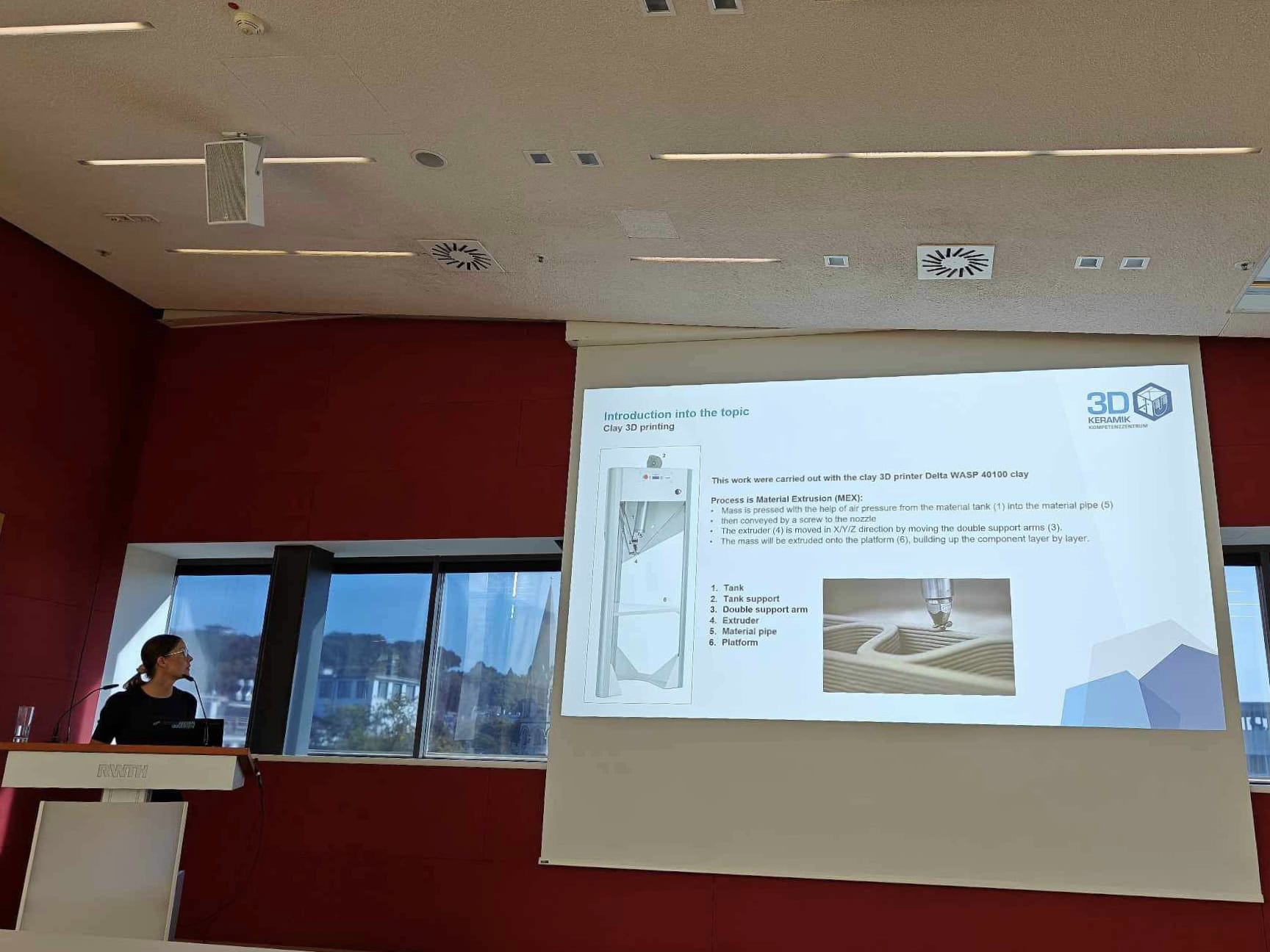
Participation in the International Colloquium on Refractories (ICR) in Aachen.
- 2022
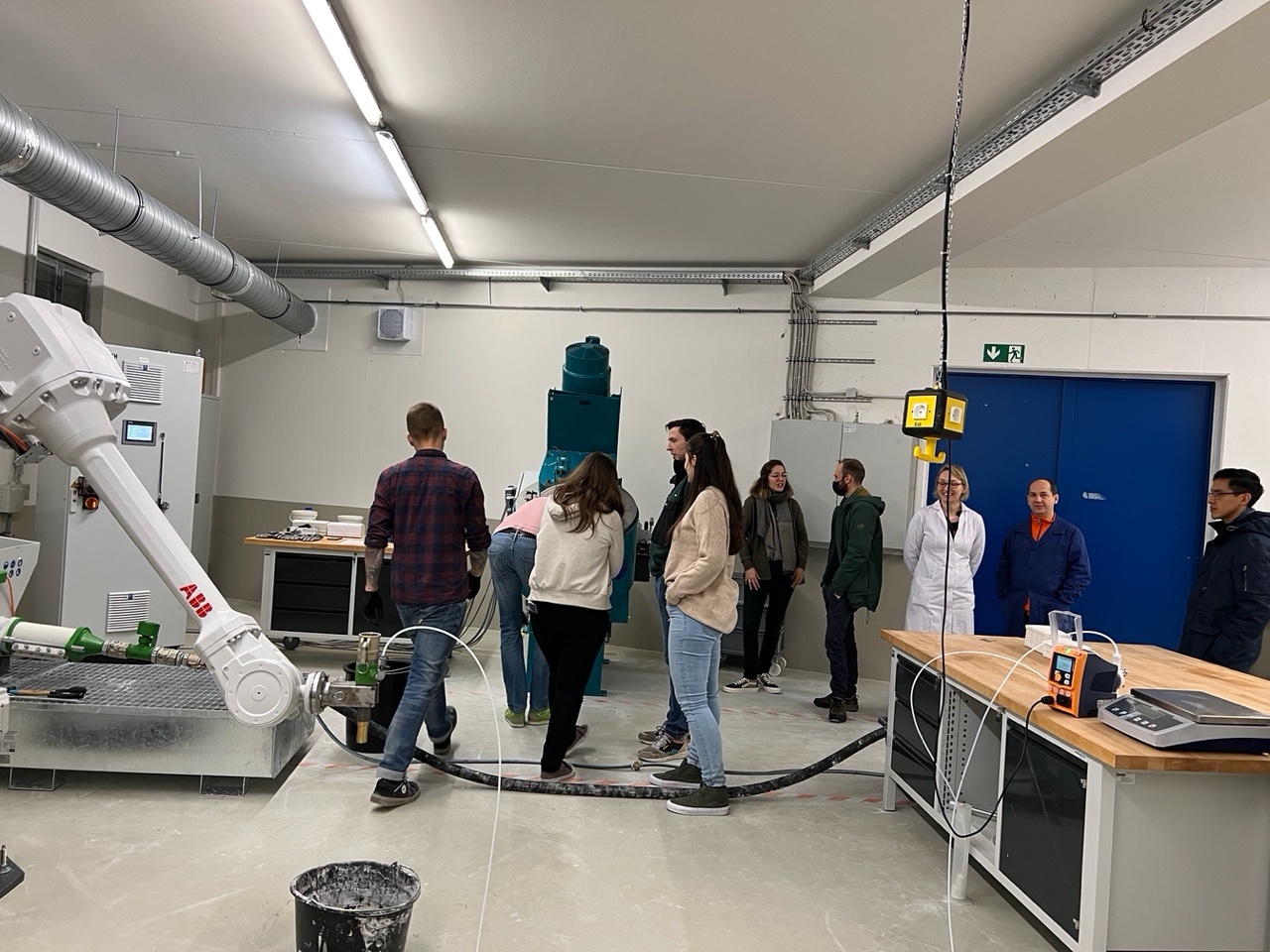
First international contour-crafting workshop at the competence center.
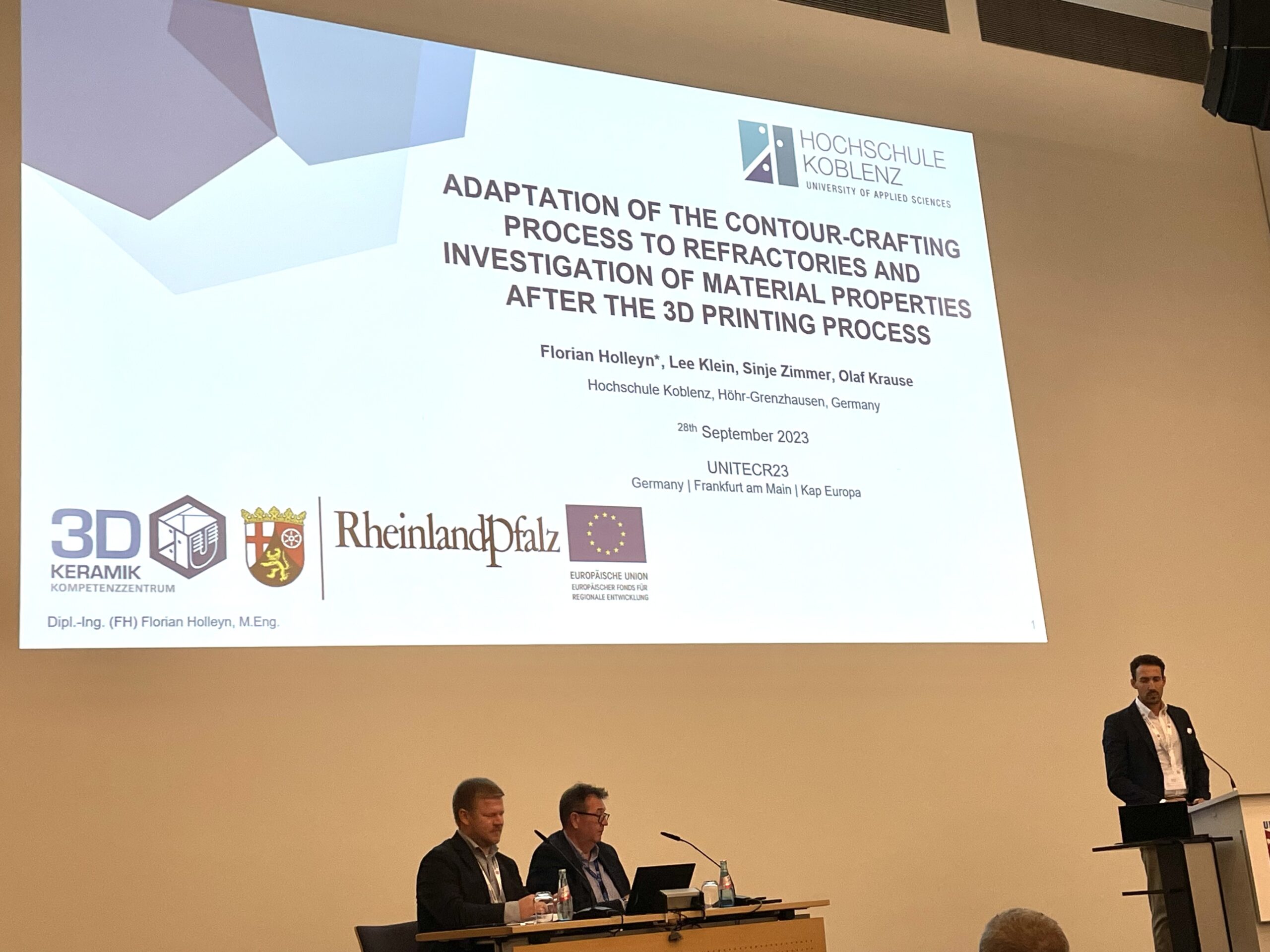
- 2023
Presentation of research results at UNITECR 2023; start of the follow-up project 3DKI (AI and sustainability) with Trier University of Applied Sciences and the University of Koblenz.