
Family-owned chocolate manufacturer: produces square chocolate bars in over 40 varieties, from the cocoa bean to the packaging.
Alfred Ritter GmbH & Co. KG
Waldenbuch (DE), Breitenbrunn (AT), Brescia (IT)New on Amplifa
About Ritter Sport
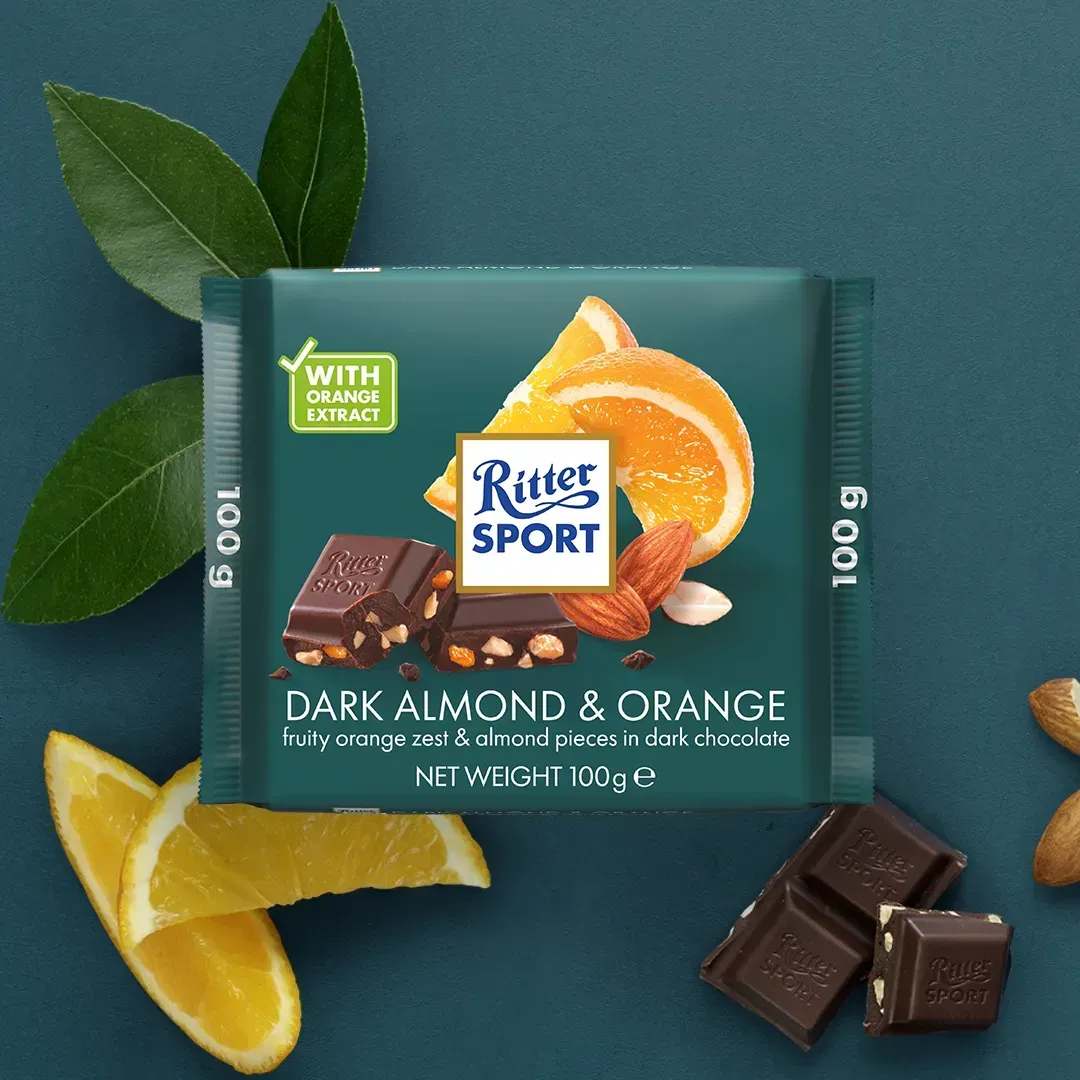
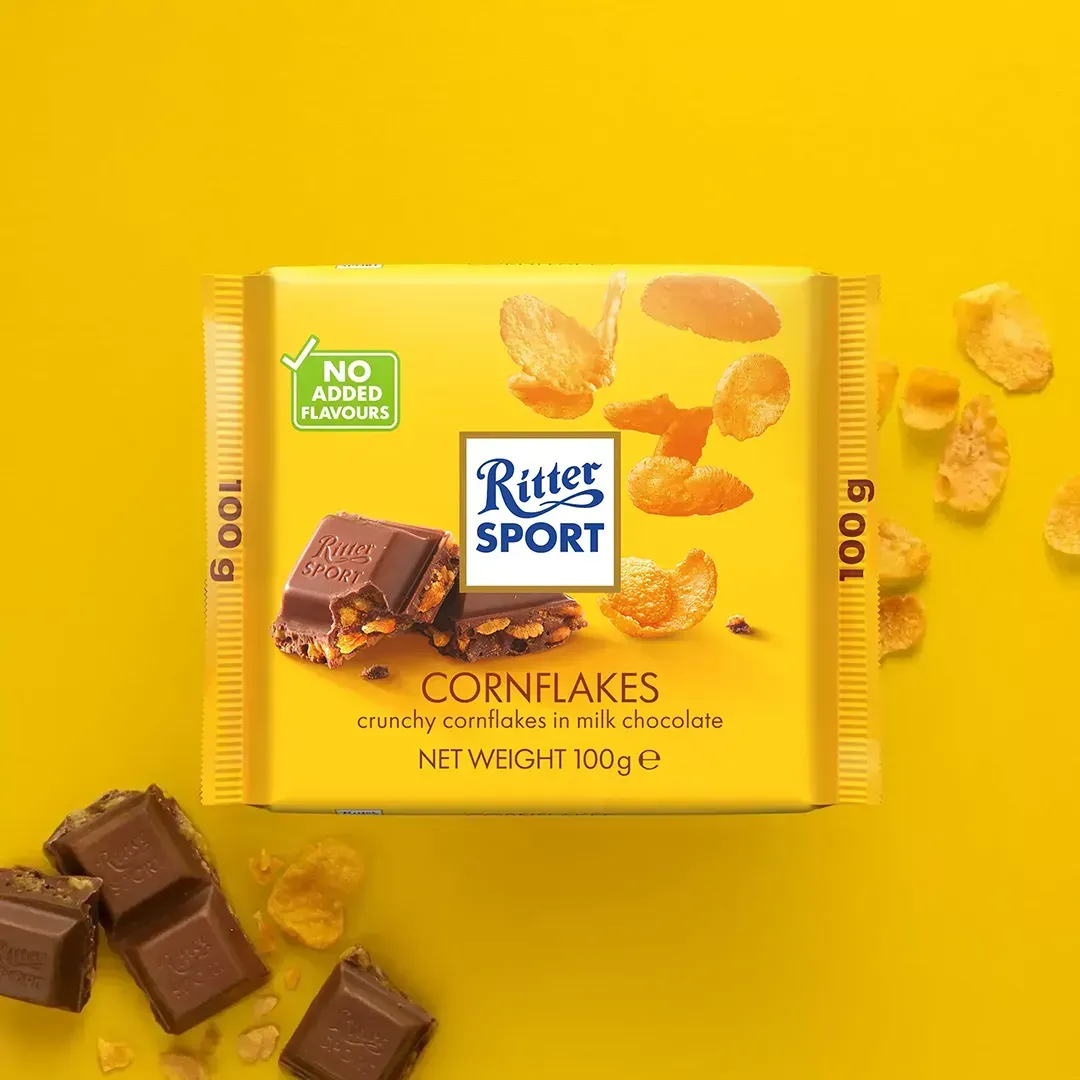
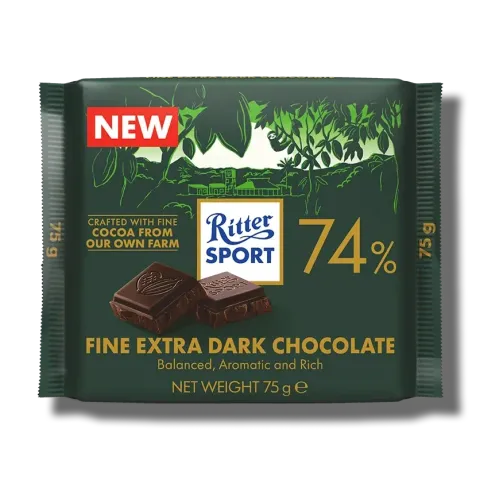
Alfred Ritter GmbH & Co. KG is a German chocolate manufacturer headquartered in Waldenbuch (Baden-Württemberg), known for the Ritter Sport brand with its characteristic square chocolate bar. Founded in 1912, the family-owned company produces around 40 varieties of chocolate bars – from Alpine milk to nut varieties to vegan and fine-flavour cocoa types – and, since 2019, also wafer rolls (Amicelli) at its Breitenbrunn site in Austria. The value chain extends from its own cocoa cultivation on the 2,500-hectare El Cacao farm in Nicaragua, through roasting, grinding, mixing, rolling and conching of the chocolate mass, to casting into square moulds and packaging in recyclable mono-material polypropylene packaging with the Knick-Pack mechanism. In 2020, approximately 70,000 tonnes of chocolate were produced, of which about 5,000 tonnes in Breitenbrunn; revenue in 2025 was 712 million euros. With around 1,700 employees, the company supplies customers in more than 100 countries. Since 2013, the Waldenbuch site has been certified under the ZNU Standard for Sustainable Business, and since 2018 the company has sourced exclusively certified cocoa (Rainforest Alliance, Fairtrade).
- Site
- Waldenbuch
- Processes
- Cocoa bean roasting (130–150 °C), Breaking and separating the cocoa beans (nibs/shell separation by air currents), Grinding the cocoa nibs into cocoa mass, Mixing cocoa mass, cocoa butter, milk powder and sugar in the kneader, Rolling of the chocolate mass, Conching (refining of the chocolate mass with heat input), Casting of the liquid chocolate mass into square moulds, Fermentation of cocoa beans (on own farm/in partnerships)
- Materials
- Cocoa (100 % certified cocoa), Cocoa mass, Cocoa butter, Cocoa powder/fine-flavour cocoa from own cultivation, Hazelnuts, Almonds, Peanuts, Pistachios
- Certificates
- ZNU Standard for Sustainable Business, Rainforest Alliance Cocoa, Fairtrade Cocoa Program, RSPO (Segregation), ZNU Standard for Sustainable Business (TÜV Rheinland), Rainforest Alliance Cocoa (100 % cocoa), Fairtrade Cocoa Program (10 %), RSPO Segregation (palm fat)
- Founded
- 1912
- Employees
- 1,700
- Industries
- Confectionery, Chocolate manufacturing, Food
- 01
Own cocoa cultivation (El Cacao, Nicaragua) and cocoa partnerships
- 02
Fermentation and drying of the cocoa beans
- 03
Cleaning and roasting (130–150 °C)
- 04
Breaking and separating (nibs/shell separation)
- 05
Grinding the nibs into cocoa mass
- 06
Mixing with cocoa butter, milk powder and sugar in the kneader
- 07
Rolling of the chocolate mass
- 08
Conching with heat input
- 09
Casting into square moulds and cooling
- 10
Packaging (flow wrap, Knick-Pack, polypropylene)
- 11
Confectioning and distribution
Raw Materials & Processes
Cocoa (100 % certified)
Most important raw material; since 2018 exclusively certified under Rainforest Alliance (90 %) and Fairtrade Cocoa Program (10 %).
Cocoa mass
Obtained by grinding roasted cocoa nibs; the basis of every chocolate mass (requirement approx. 8,950 t/year).
Cocoa butter
Second central raw material with a requirement of around 8,000 tonnes per year.
Fine-flavour cocoa from own cultivation
Fine cocoa from the agroforestry management of the company's own El Cacao farm in Nicaragua.
Milk powder
Sourced from long-standing partners in Germany and Ireland.
Hazelnuts, almonds, peanuts, pistachios, cashews
Core ingredient of many varieties; origin is traceable back to the processor in the country of origin.
Palm fat (RSPO Segregation)
Used only in selected fillings; RSPO-certified and traceable back to the certified oil mills.
Sugar
Component of the chocolate mass, mixed in the kneader together with cocoa mass, cocoa butter and milk powder.
Polypropylene (packaging)
Recyclable mono-material packaging, replacing composite materials since 1991.
Sites
Waldenbuch
DEHeadquarters, production, visitor centre
- Materials
- Cocoa, cocoa butter, milk powder, sugar, nuts, palm fat, polypropylene
- Combined heat and power plant (CHP, since 2002, replaced in 2016)
- Roasting drums
- Kneaders
- Rolling mills
- Conching machines
- Casting systems for square moulds
- Flow-wrap packaging lines
Breitenbrunn
ATProduction site (acquired from Mars in 2019)
Brescia
ITSales subsidiary Ritter Sport Italia S.r.l.
Products
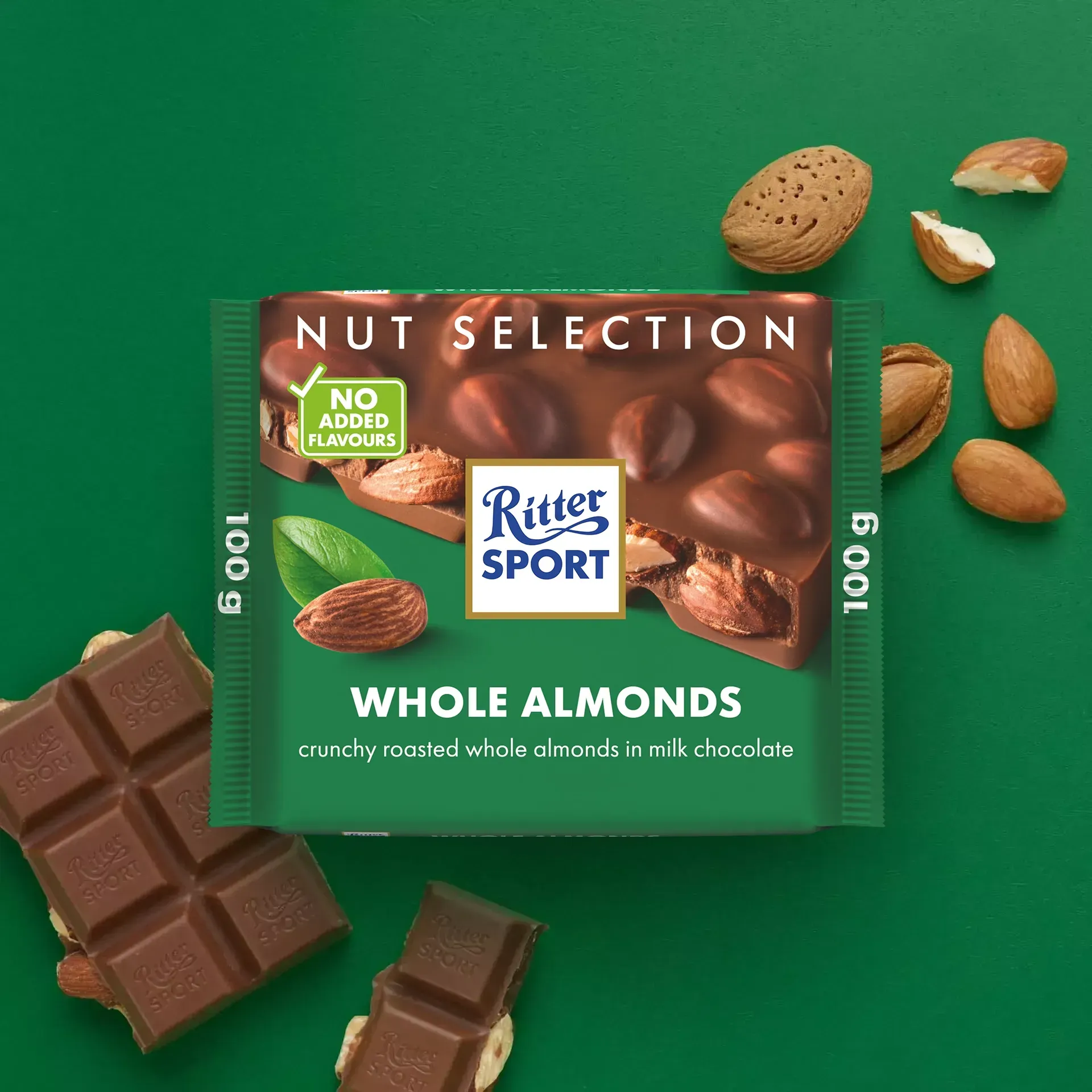
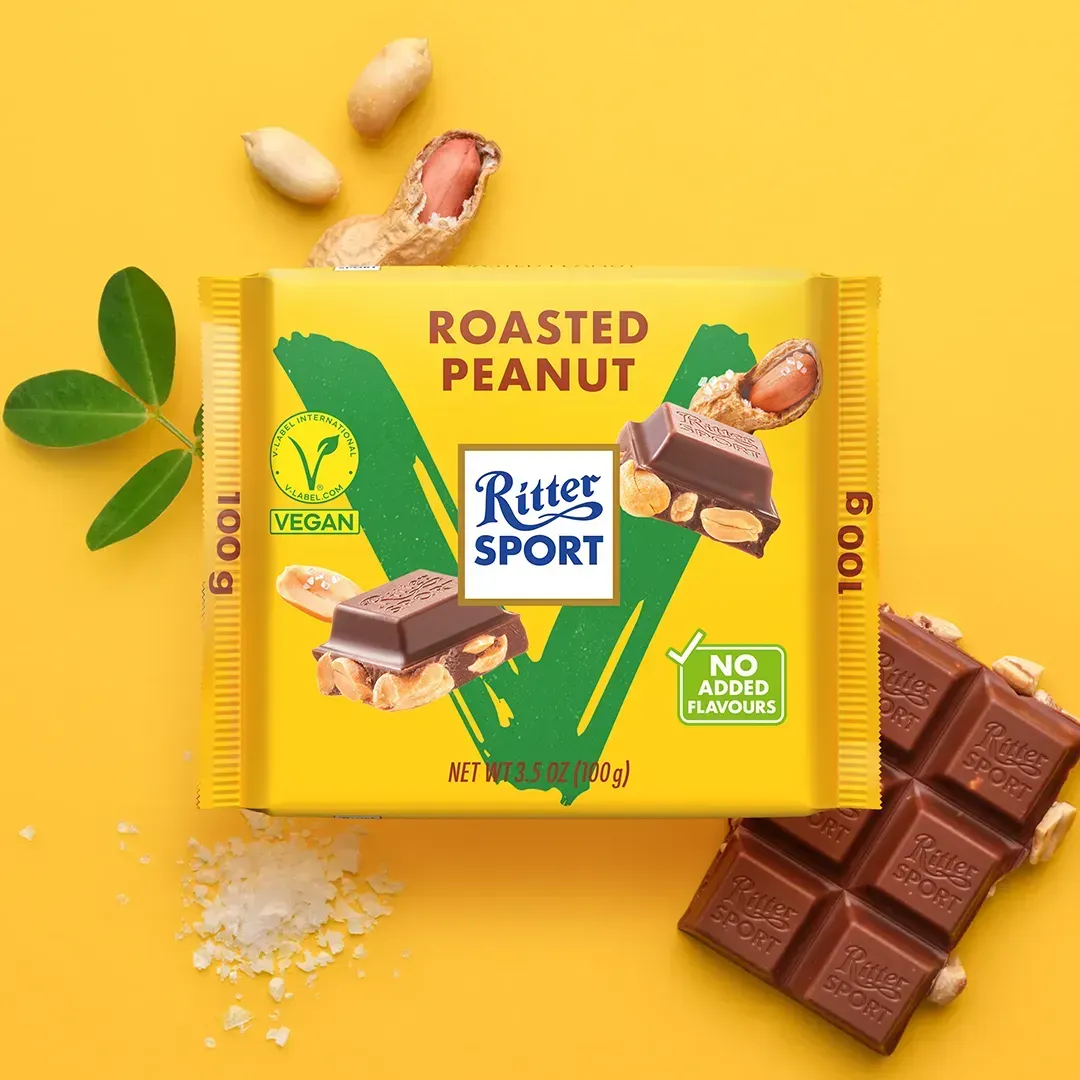
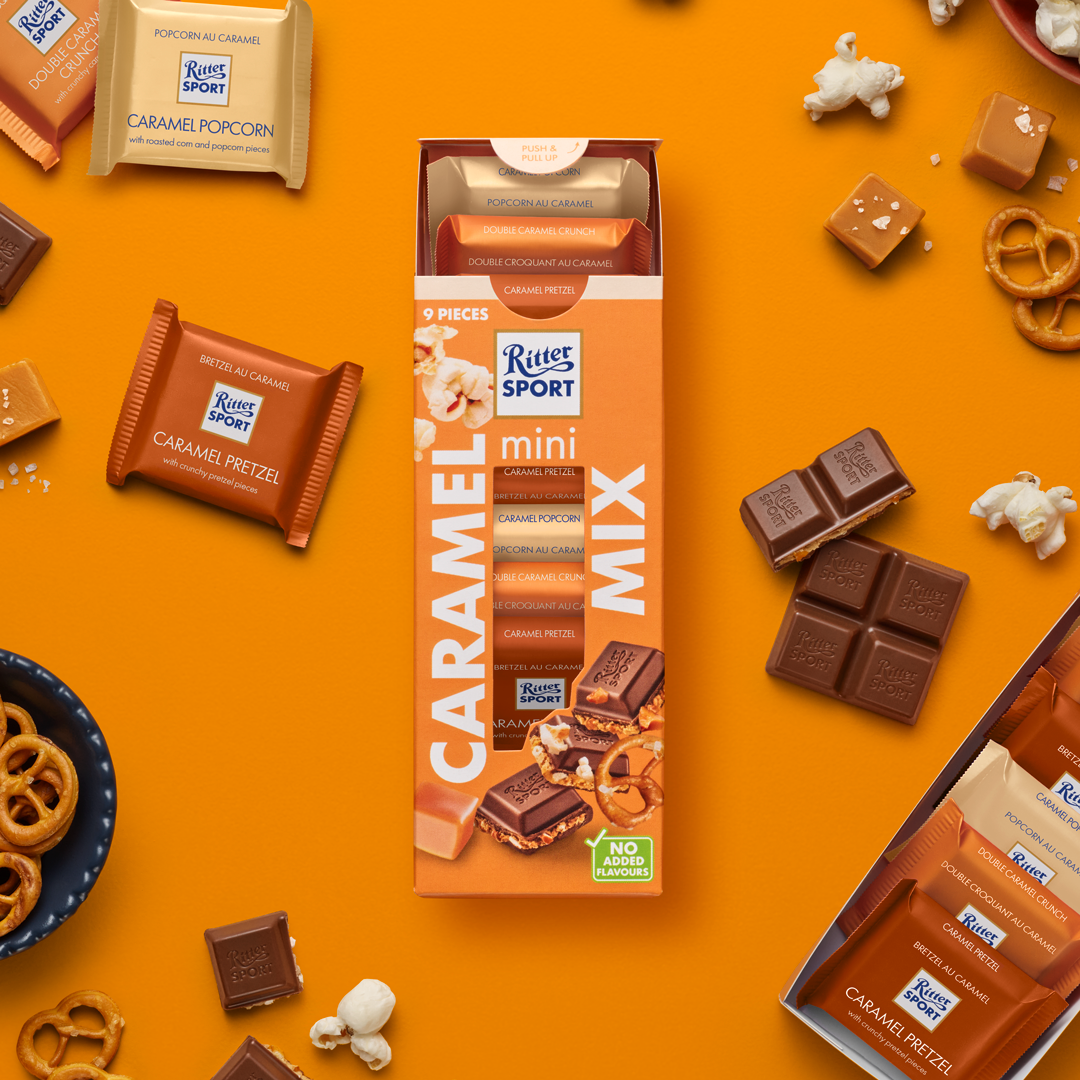
Inside the production
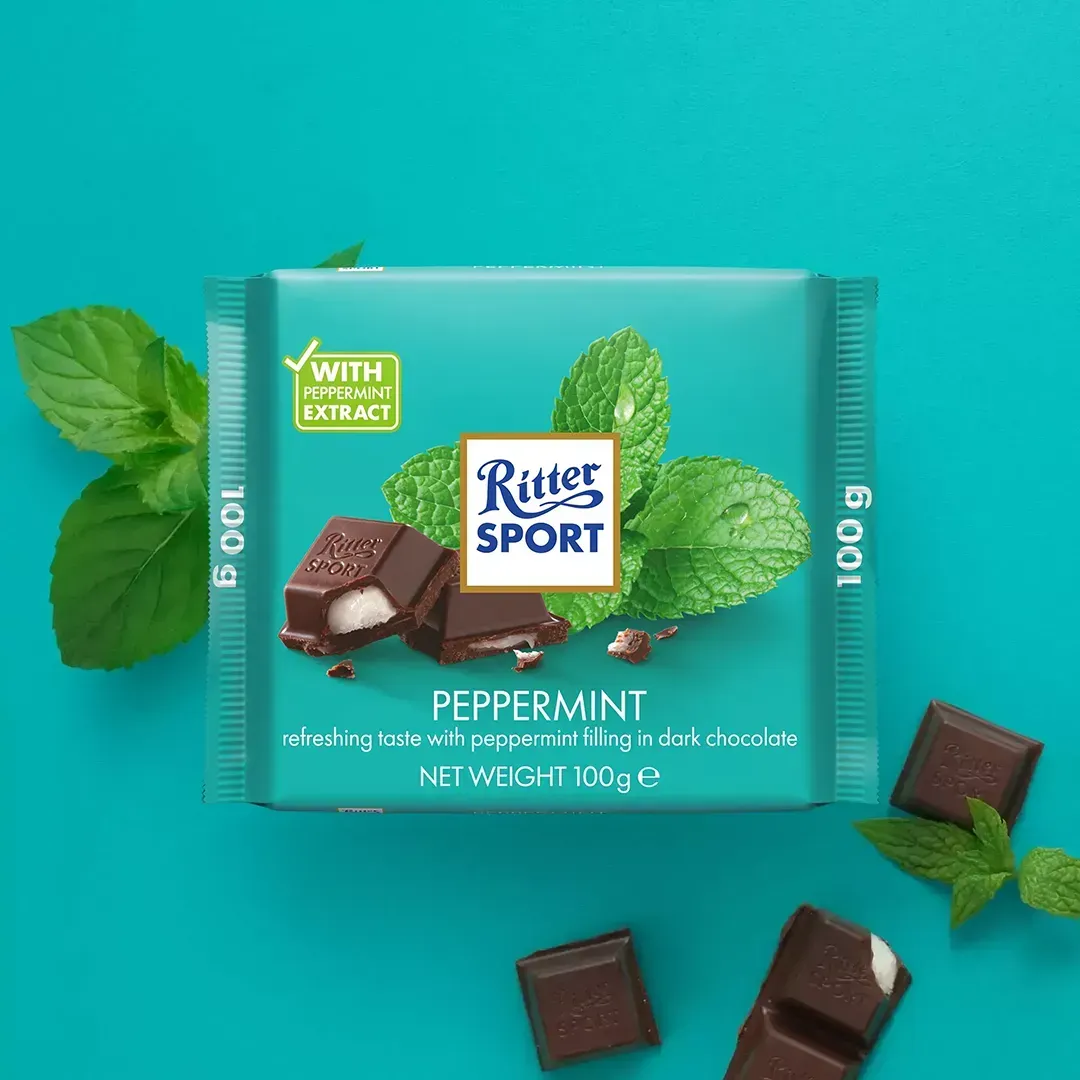
Industries
Processes & technical limits
| Processes | Tolerance | Max. part | Weight | Lot size | Materials |
|---|---|---|---|---|---|
| Cocoa bean roasting (130–150 °C)Heat treatment | – | – | – | – | Cocoa beans |
| Breaking and separating the cocoa beans (nibs/shell separation by air currents)Engineering | – | – | – | – | Cocoa beans, Cocoa nibs |
| Grinding the cocoa nibs into cocoa massEngineering | – | – | – | – | Cocoa nibs |
| Mixing cocoa mass, cocoa butter, milk powder and sugar in the kneaderEngineering | – | – | – | – | Cocoa mass, Cocoa butter, Milk powder, Sugar |
| Rolling of the chocolate massForming | – | – | – | – | Chocolate mass |
| Conching (refining of the chocolate mass with heat input)Heat treatment | – | – | – | – | Chocolate mass |
| Casting of the liquid chocolate mass into square mouldsCasting | – | – | – | – | Chocolate mass |
| Fermentation of cocoa beans (on own farm/in partnerships)Other | – | – | – | – | Cocoa |
| Drying of the cocoa beansHeat treatment | – | – | – | – | Cocoa beans |
| Flow-wrap packaging with Knick-Pack mechanism (polypropylene mono-material packaging)Assembly | – | – | – | – | Polypropylene |
| Confectioning (Reichenbach an der Fils site)Assembly | – | – | – | – | – |
1 Anlagen & Maschinen
| Machine | Manufacturer / model | Quantity | Working area | Year built | Site |
|---|---|---|---|---|---|
| Combined heat and power plant (CHP) | – | 1 | – | 2002 (2016 | Waldenbuch |
Additional services
Quality & Certifications
Production is subject to food-law quality control; as the first German chocolate manufacturer, the Waldenbuch site has been externally audited by TÜV Rheinland under the ZNU Standard for Sustainable Business.
| Evidence | Waldenbuch |
|---|---|
| ZNU Standard for Sustainable Business (TÜV Rheinland) | |
| Rainforest Alliance Cocoa (100 % cocoa) | |
| Fairtrade Cocoa Program (10 %) | |
| RSPO Segregation (palm fat) |
Company History
- 1912
Founding of the chocolate and confectionery factory by Alfred Eugen and Clara Ritter in Stuttgart-Bad Cannstatt
- 1930
Relocation of the company headquarters to Waldenbuch
- 1932
Introduction of the square 'Ritter's Sport Schokolade' based on the idea of Clara Ritter
- 1940
Complete cessation of production during the Second World War; resumption from 1950
- 1952
Death of the company founder; son Alfred Otto Ritter takes over management
- 1974
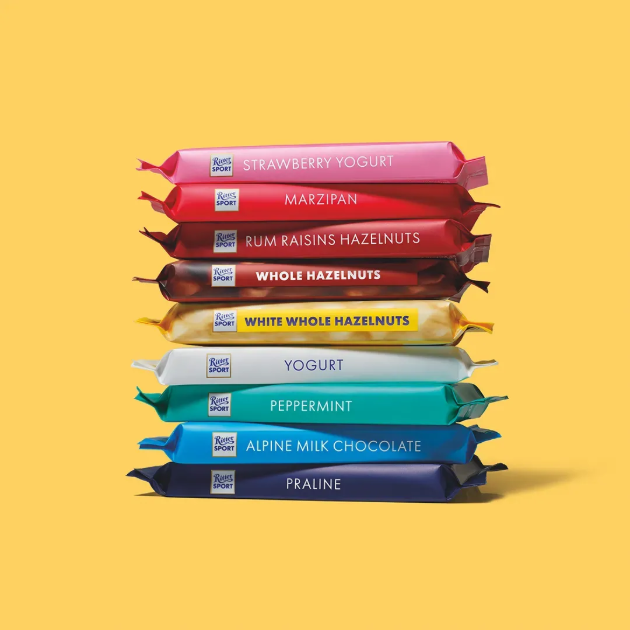
Introduction of the 'Colourful Palette' with a distinct colour per variety
- 1976
Introduction of flow-wrap packaging with the Knick-Pack mechanism
- 1978
Third generation: Alfred Theodor Ritter and Marli Hoppe-Ritter join the company
- 1991
Conversion of the sales packaging to recyclable mono-material polypropylene packaging
- 1996
First company in the German confectionery industry with a successful eco-audit
- 2002
Commissioning of the combined heat and power plant (replaced in 2016; approx. 70 % of heat and 37 % of electricity demand)
- 2012
Purchase of an own cocoa plantation in Nicaragua (2,500 ha), first harvest in 2017
- 2013
First German chocolate manufacturer with ZNU certification (TÜV Rheinland)
- 2018
Conversion of the entire cocoa range to 100 % certified sustainable cocoa
- 2019
Acquisition of the Breitenbrunn (Austria) production site from Mars
- 2026
Dual leadership: Moritz Ritter and Tim Hoppe take over operational management as Co-CEOs