Develops and manufactures industrial multi-material 3D printing systems (MMJ) for ceramics, metals and particle-filled polymers.

AMAREA Technology
DresdenNew on Amplifa
About AMAREA Technology
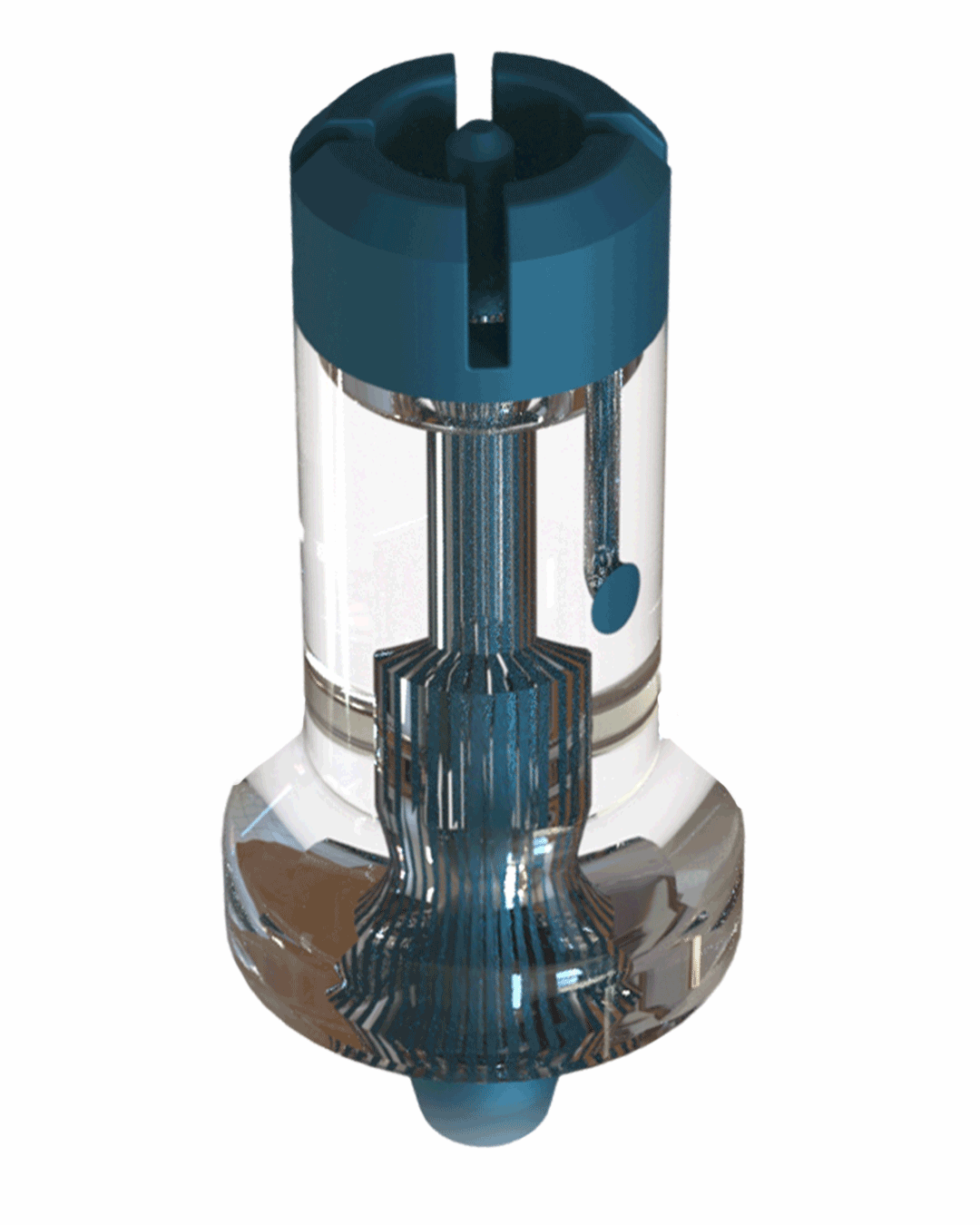
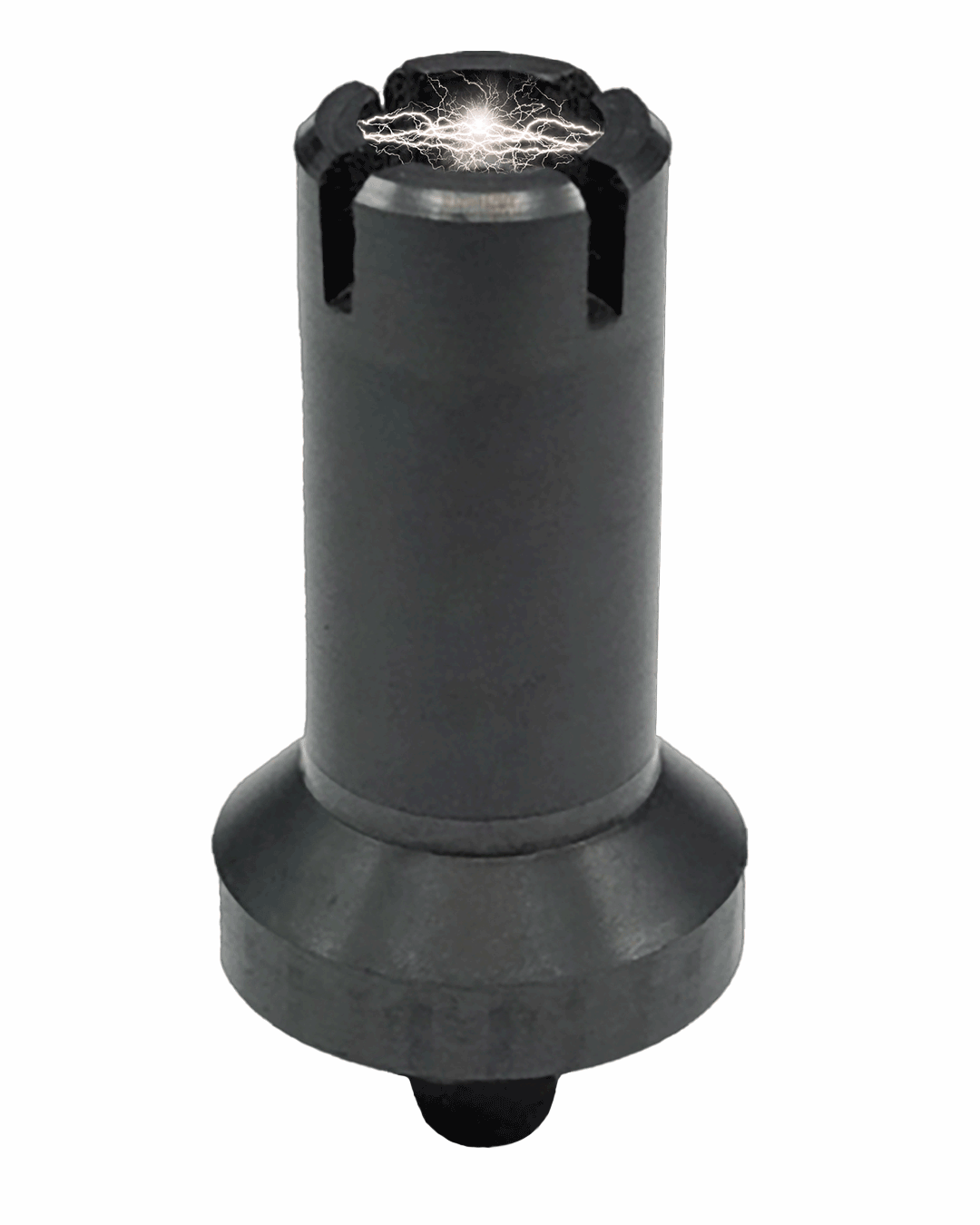
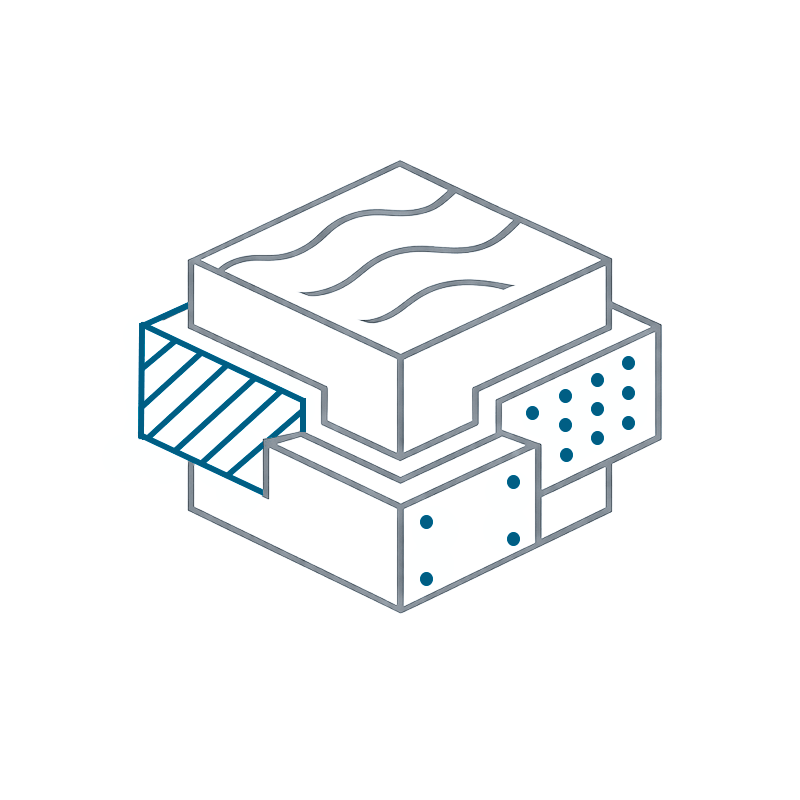
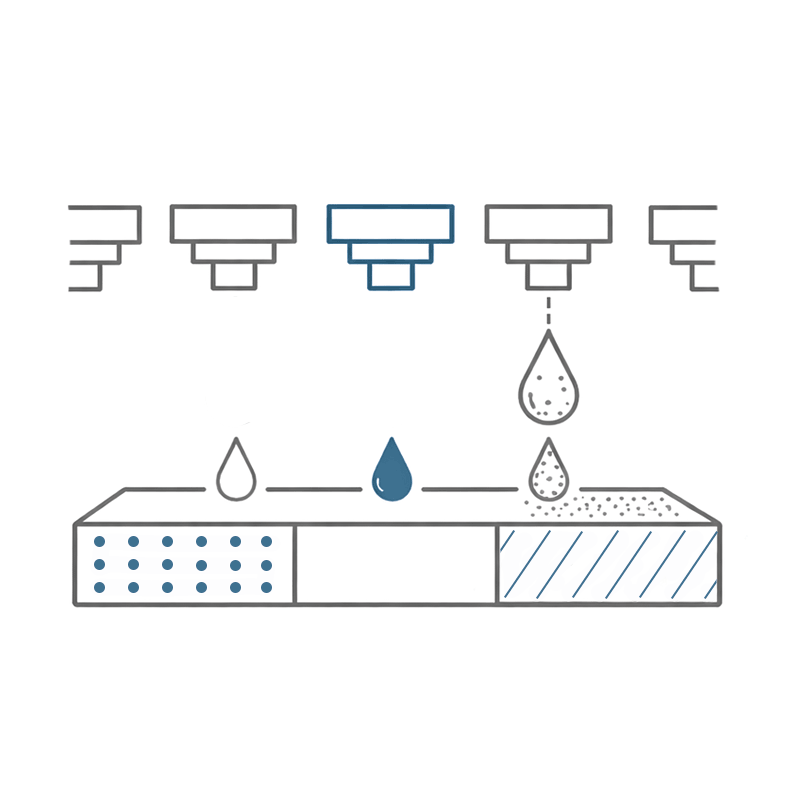
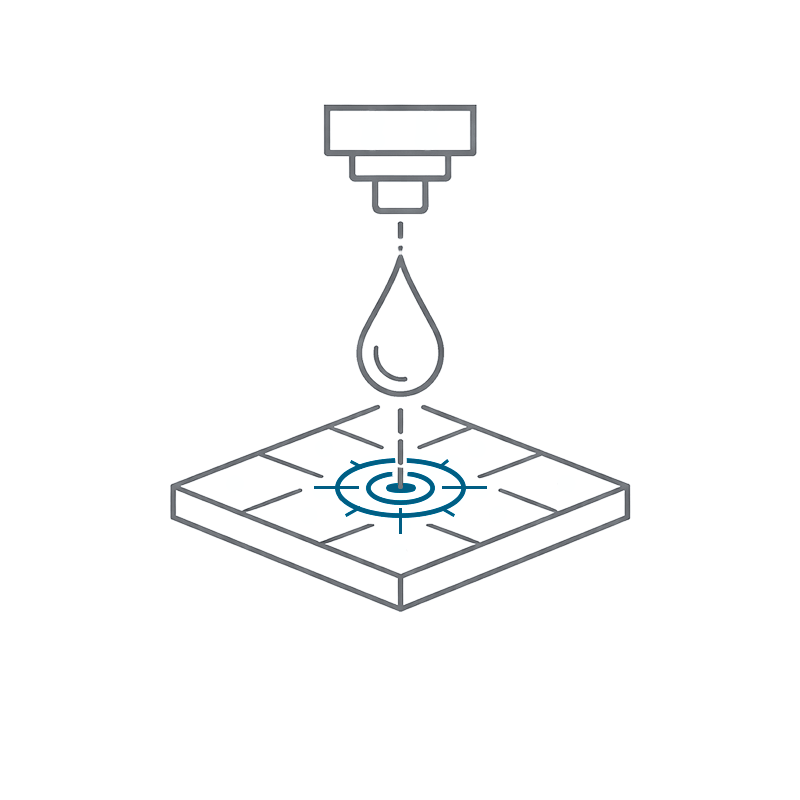
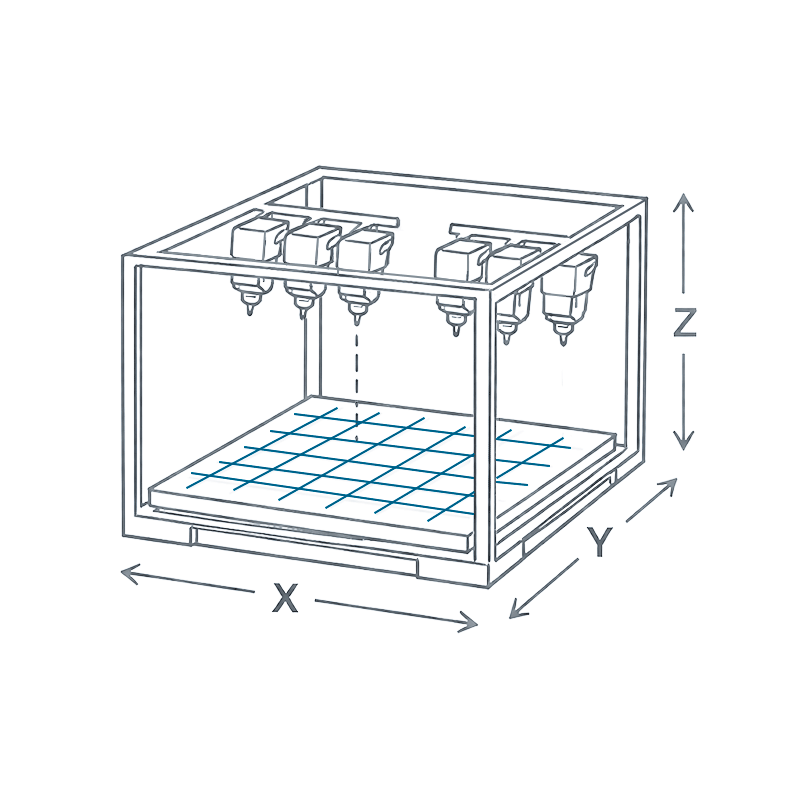
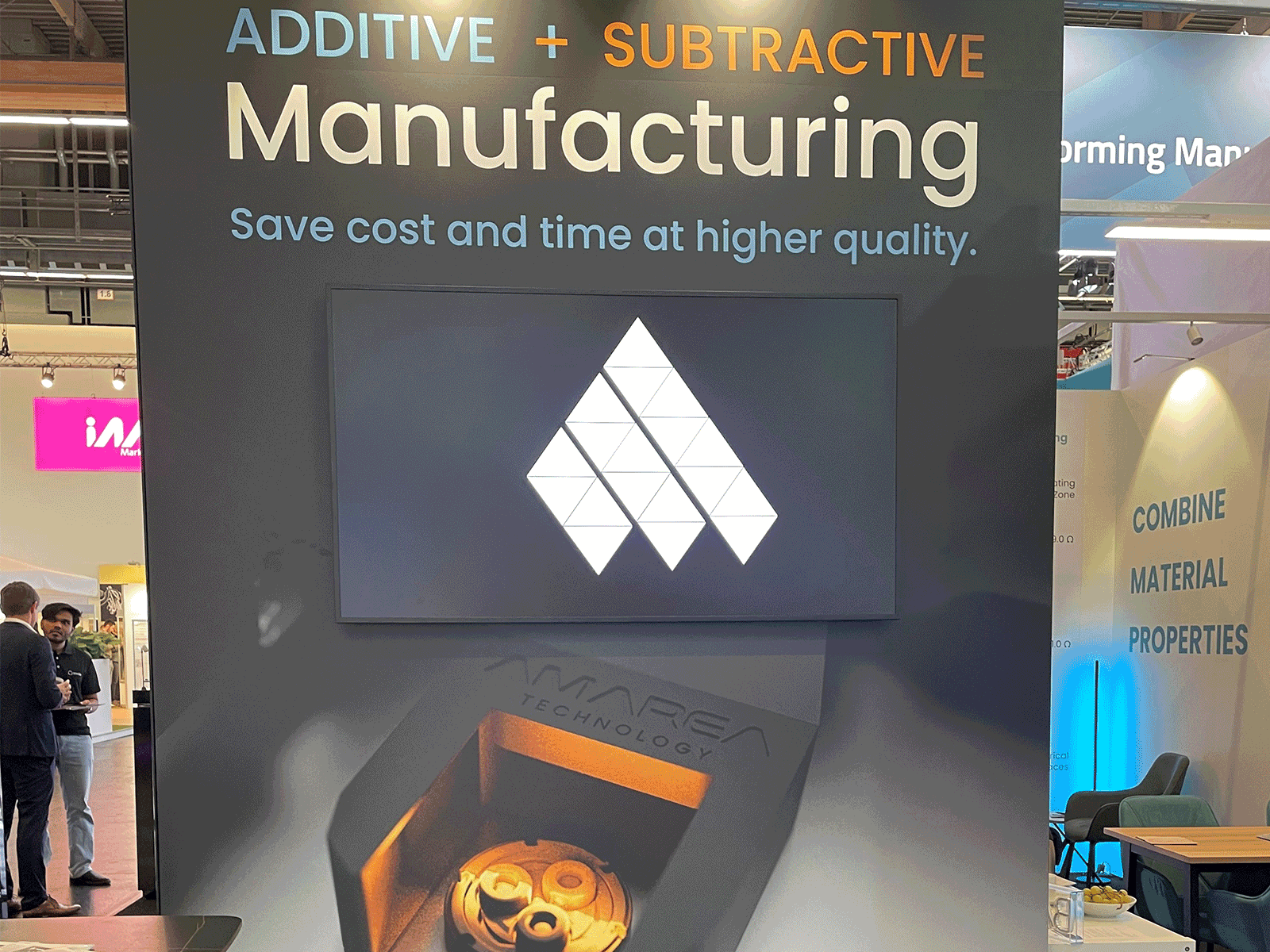
AMAREA Technology develops and manufactures industrial multi-material 3D printing systems for high-performance materials in Dresden. The proprietary Multi Material Jetting (MMJ) technology enables precise, locally targeted deposition of different material classes – technical ceramics, metals, cemented carbides, cermets, glasses and particle-filled thermoplastics – within a single build process. Up to six co-sinterable materials can thus be combined with discrete or graded transitions in one monolithic component, without joining processes such as brazing, bonding or mechanical assembly. The MMJ ProX Series offers a large build volume of 530 x 300 x 200 mm, works on established powder-based manufacturing routes with thermal debinding and sintering, and was awarded the TCT Hardware Award in the Non-Polymer Systems category in 2026. The systems are designed for industrial and research environments, for example functionally integrated spark plugs in aerospace with conductive paths, insulating regions and air cooling channels in a single part.
- Site
- Dresden
- Processes
- Multi Material Jetting (MMJ) 3D printing / multi-material additive manufacturing, Thermal debinding and sintering, Feasibility Studies (Multi-Material 3D Printing), Multi Material Jetting (MMJ) Technology, MMJ ProX Series printing systems
- Materials
- Technical ceramics, Metals, Cemented carbides, Cermets, Glasses, Filled thermoplastics / particle-filled polymers, Multi Material Jetting, Technical Ceramics
- Certificates
- Engineered and Made in Germany
- Industries
- Aerospace, Technical Ceramics, Additive Manufacturing/Research
- 01
Feasibility Study
- 02
Multi Material Jetting (MMJ) printing
- 03
Inline laser processing (surface quality)
- 04
Thermal debinding
- 05
Sintering
Materials and Processes
Multi Material Jetting
Locally targeted deposition of multiple materials in a single printing process for functionally integrated, monolithic components.
Technical Ceramics
High-performance and structural ceramics for applications with high thermal and electrical requirements.
Metals
Metallic materials for ceramic-metal hybrid structures.
Cemented Carbides
Wear-resistant cemented carbide materials in a powder-based process.
Cermets
Ceramic-metal composite materials with combined properties.
Glasses
Glasses as a co-sinterable material class for functional integration.
Particle-Filled Thermoplastics
Filled polymers for application-specific functional properties.
Thermal Debinding and Sintering
Established powder-metallurgical route without chemical debinding for dense high-performance components.
Inline Laser Module
Module introduced in 2025 for improving surface quality within the additive process.
Locations

Dresden
DEHeadquarters and system manufacturing
- Materials
- Ceramics, metals, cemented carbides, cermets, glasses, filled thermoplastics
- MMJ ProX multi-material printing system (530 x 300 x 200 mm)
- Inline laser module
Parts
Inside the production

Industries
Processes & technical limits
| Processes | Tolerance | Max. part | Weight | Lot size | Materials |
|---|---|---|---|---|---|
| Multi Material Jetting (MMJ) 3D printing / multi-material additive manufacturingAdditive | – | 530 mm × 200 mm | – | – | Ceramics, Metals, Cemented carbides, Cermets, Glasses, Filled thermoplastics, Particle-filled polymers |
| Thermal debinding and sinteringHeat treatment | – | – | – | – | Ceramics, Metals, Glass |
2 Anlagen & Maschinen
| Machine | Manufacturer / model | Quantity | Working area | Year built | Site |
|---|---|---|---|---|---|
| Multi-material 3D printing system (Multi Material Jetting) | AMAREA Technology MMJ ProX | – | 530 x 300 x 200 mm | – | Dresden, Germany (manufacturing) |
| Inline laser module (surface quality) | AMAREA Technology | – | – | 2025 | – |
Additional services
Reference customers
Quality
The MMJ ProX Series is developed and manufactured in Dresden ("Engineered and Made in Germany"); thermal debinding and sintering follow established powder-based manufacturing routes.
| Evidence | Dresden |
|---|---|
| Engineered and Made in Germany |
History
- 2025
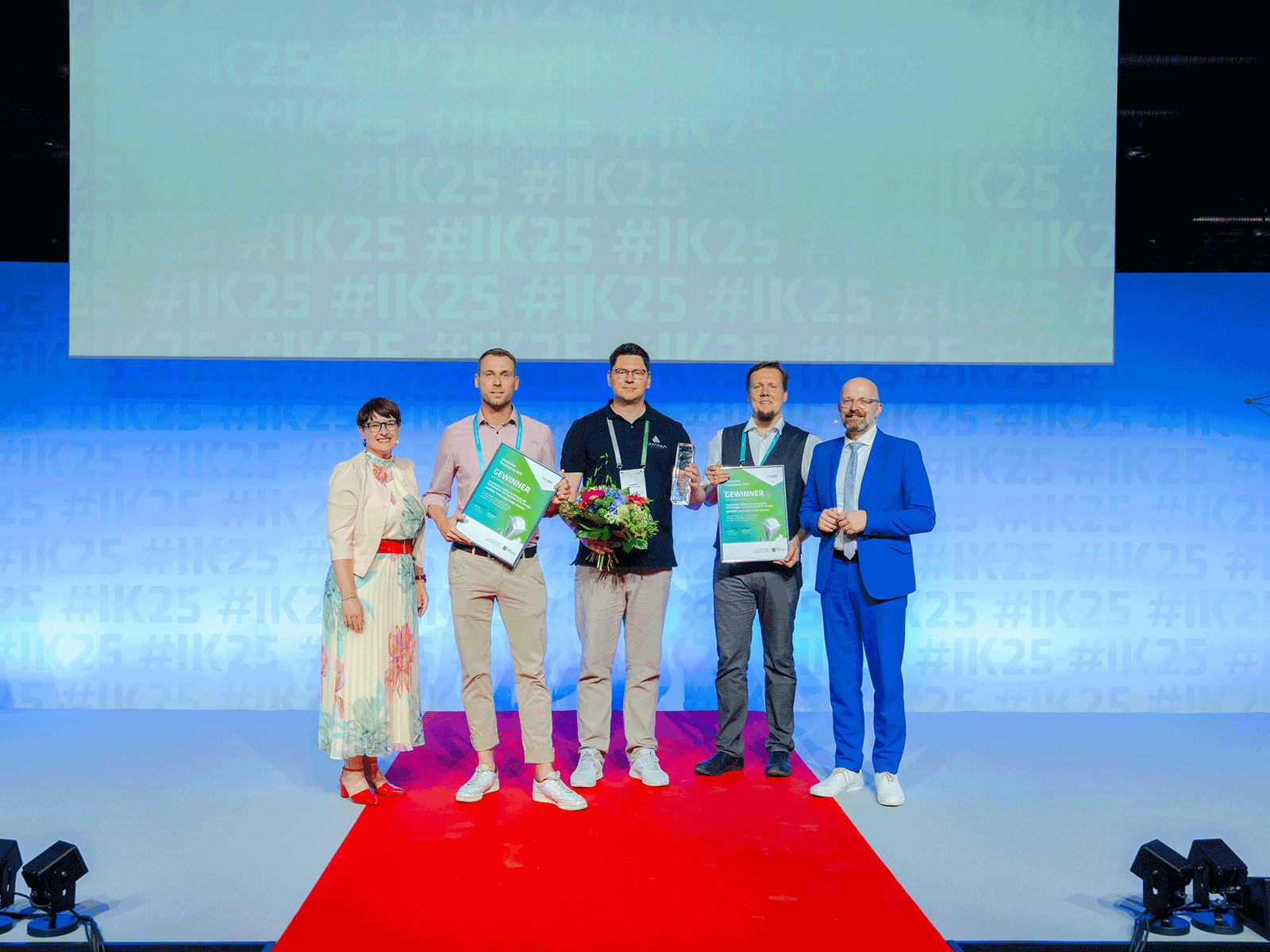
Saxon Transfer Prize together with Fraunhofer IKTS for the commercialization of the MMJ technology
- 2025
Presentation of the new inline laser module at Formnext
- 2026
TCT Hardware Award 2026 (Non-Polymer Systems) for the MMJ ProX Series