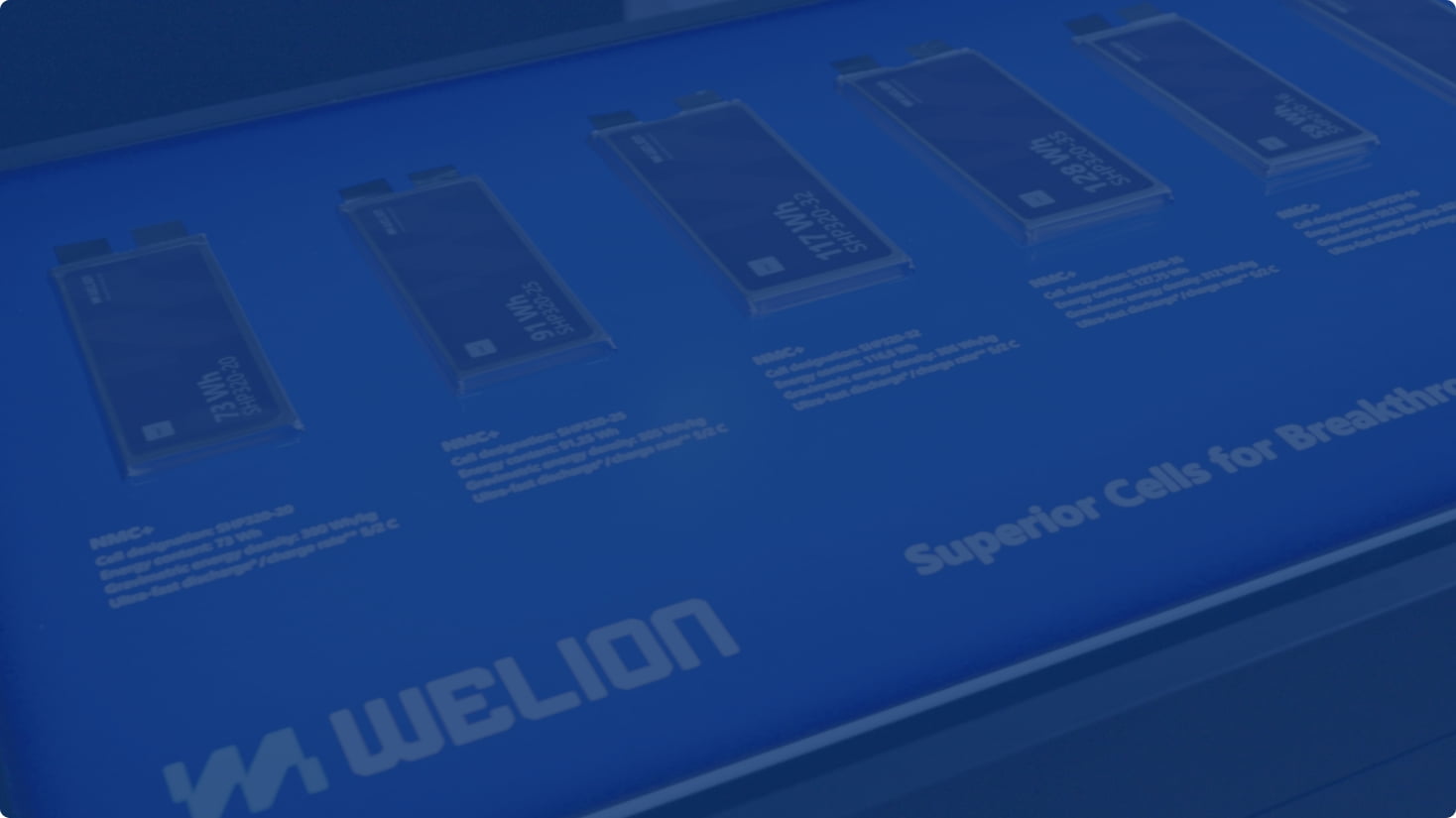
Develops and produces semi-solid-state lithium-ion battery cells for vehicles and energy storage

Beijing WeLion New Energy Technology Co., Ltd. (WELION)
Beijing-Fangshan (CN) · Liyang, Jiangsu (CN) · Huzhou, Zhejiang (CN) · Zibo, Shandong (CN)New on Amplifa
About WELION
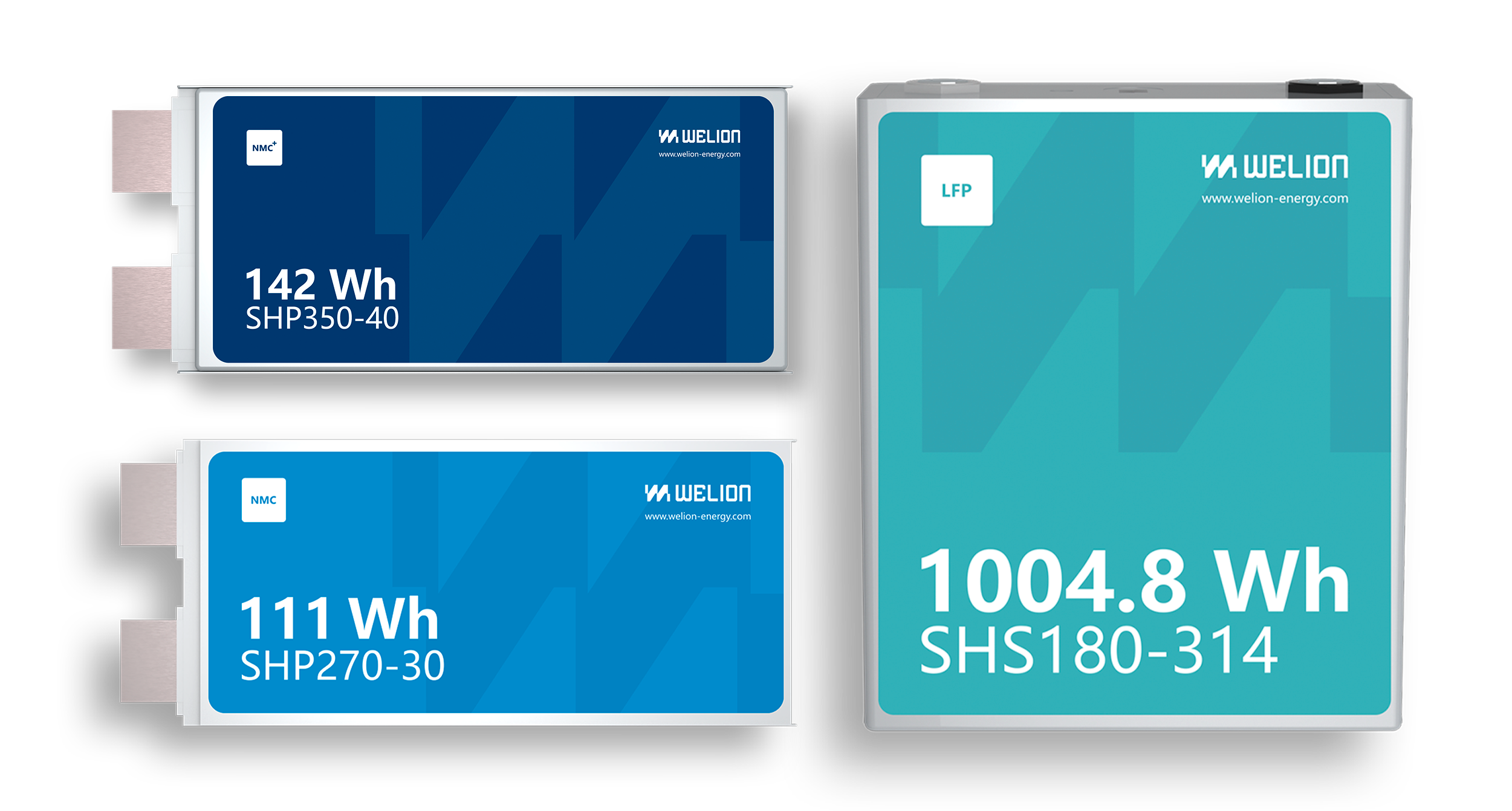
WELION (Beijing WeLion New Energy Technology) is a high-technology company founded in 2016 and headquartered in the Fangshan district of Beijing, specializing in the research, development, production and distribution of semi-solid-state and solid-state lithium-ion battery cells. The company was founded by Prof. Chen Liquan, Li Hong and Yu Huigen and builds on more than 40 years of research into solid-state battery technology, which originated at the Max Planck Institute for Solid State Research in Stuttgart. The semi-solid-state cells use a hybrid electrolyte consisting of solid particles surrounded by liquid electrolyte and achieve energy densities of over 250 Wh/kg (NMC), over 360 Wh/kg (NMC+) or high cycle counts with LFP depending on the chemistry. Cells are manufactured in prismatic, pouch and cylindrical formats (4695) with cell capacities from 50 Wh to 900 Wh as well as 16 Ah to 89 Ah. With a production capacity of over 40 GWh at four production sites in China, WELION serves the industries of electromobility (passenger cars, motorcycles, LEVs, eVTOL), aviation, marine applications and stationary energy storage. Since 2024, the company has been represented in Europe by the German Universal Transmissions GmbH (UT GmbH), which also supports customers with system integration.
- Site
- Elze / Mehle
- Processes
- Manufacture of semi-solid-state lithium-ion battery cells, In-situ Solidified Electrolyte, Pre-lithiation of the Anode, Special Mixing of the Solid Electrolyte, Solid Electrolyte Coating of the Cathode, Battery cell testing (overcharge, short circuit, overtemperature, crushing, puncture, gunshot,, Electrical system integration / system integration for customers, Production of prismatic, pouch and cylindrical (4695) cell formats
- Materials
- Nickel Manganese Cobalt Plus (NMC+), Nickel Manganese Cobalt (NMC), Lithium Iron Phosphate (LFP), Ultra-thin Metallic Lithium Foil, Ionic Conductive Separator, hybrid electrolyte (solid matter surrounded by liquid electrolyte), solid state electrolyte, Lead-acid cell (lead-acid battery)
- Certificates
- Safety tests (overcharge, short circuit, overtemperature, crushing,, Gunshot and flame tests (LFP)
- Founded
- 2016 (Beij
- Industries
- Electromobility (passenger cars), Motorcycles & LEVs, Aviation / eVTOL, Marine, Stationary energy storage, Portable power supply
- 01
Material production (solid-state electrolytes, anode materials)
- 02
Cell manufacturing (In-situ Solidified Electrolyte, Pre-lithiation, Special
- 03
Cell formats (prismatic, pouch, 4695 cylindrical cell)
- 04
Cell testing (overcharge, short circuit, overtemperature, crushing, puncture)
- 05
Electrical system integration for customers
- 06
Sales & OEM distribution (Europe: UT GmbH)
Materials & Processes
Nickel Manganese Cobalt Plus
Highest energy density with over 360 Wh/kg and up to 800 Wh/L, discharge rates up to 7C (pulses up to 10C) for motorcycles and eVTOL.
Nickel Manganese Cobalt
All-rounder chemistry with over 250 Wh/kg and over 1,000 cycles at 97% DOD, suitable for commercial and offshore energy storage.
Lithium Iron Phosphate
Over 6,000 cycles at 97% DOD and operation from –20°C to 60°C, passes tests including gunshot, flame and puncture.
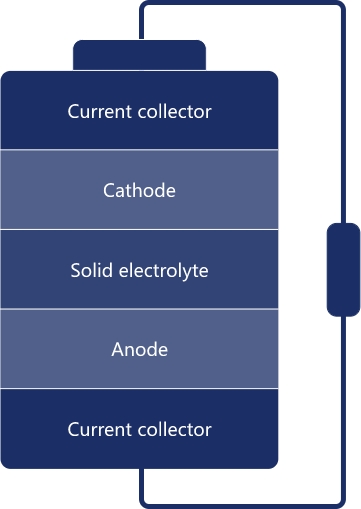
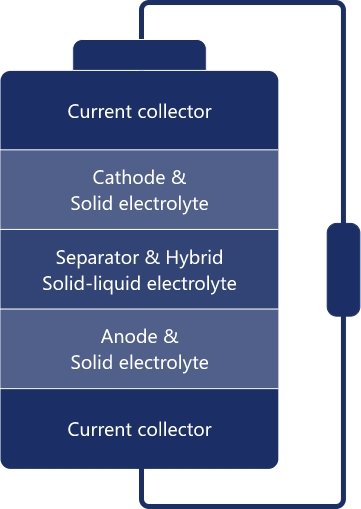
Hybrid Electrolyte (Solid-State + Liquid Electrolyte)
Solid particles in liquid electrolyte reduce flammability, leakage risk and thermal runaway.
Solid State Electrolyte
Highly stable solid-state electrolyte as the basis for semi-solid-state and future fully solid-state cells.
Ultra-thin metallic lithium foil
Increases energy density for long-lasting performance in a compact design.
Ionically conductive separator
Improves ionic conductivity and thus the efficiency and safety of the cell.
Nickel-Metal Hydride
Historical battery technology of the 1980s as a precursor to lithium development.
Production Sites
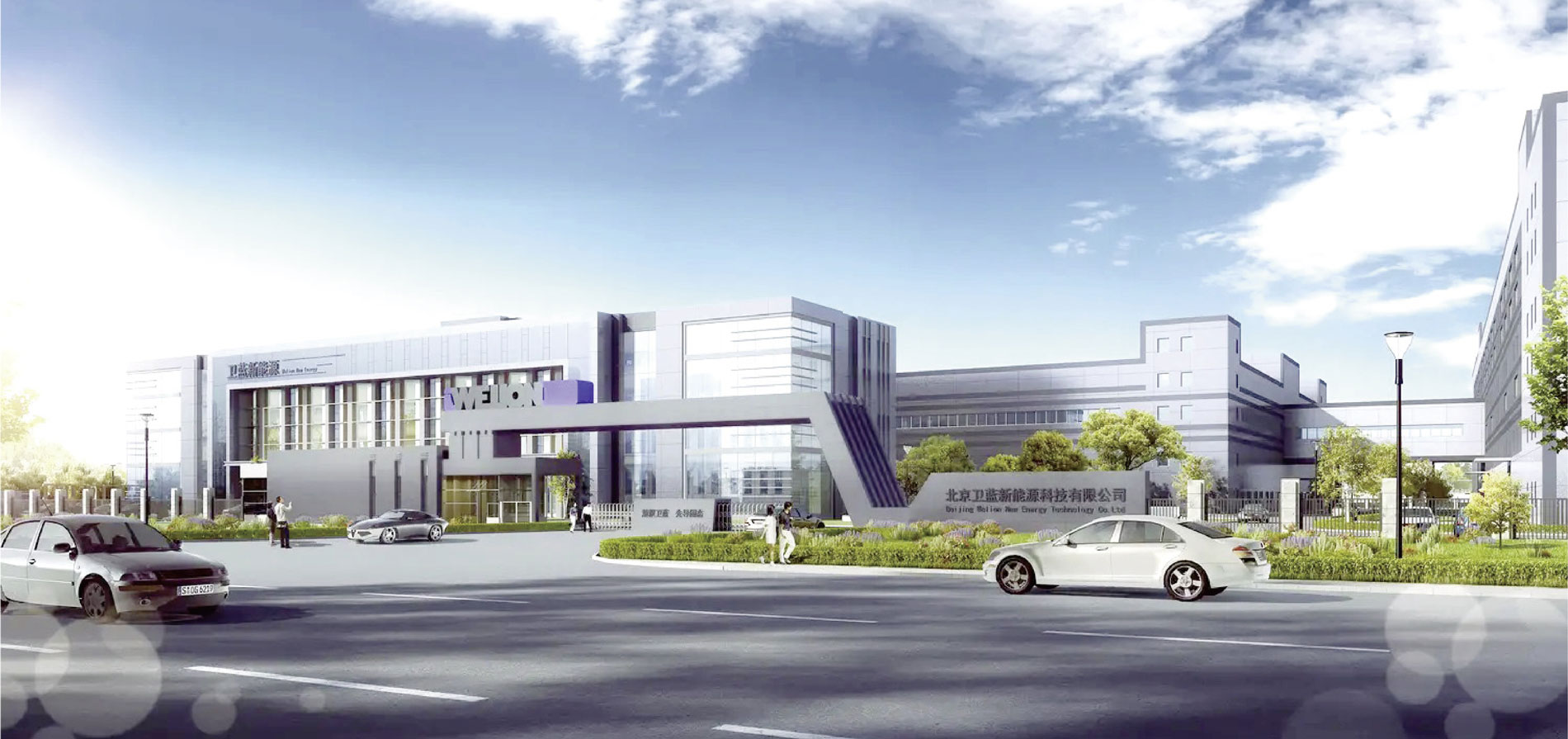
Beijing-Fangshan
CNHeadquarters, R&D and mass production of solid-state battery cells
- Materials
- semi-solid-state cells
- Battery cell production line (semi-solid-state)
- 8 GWh capacity
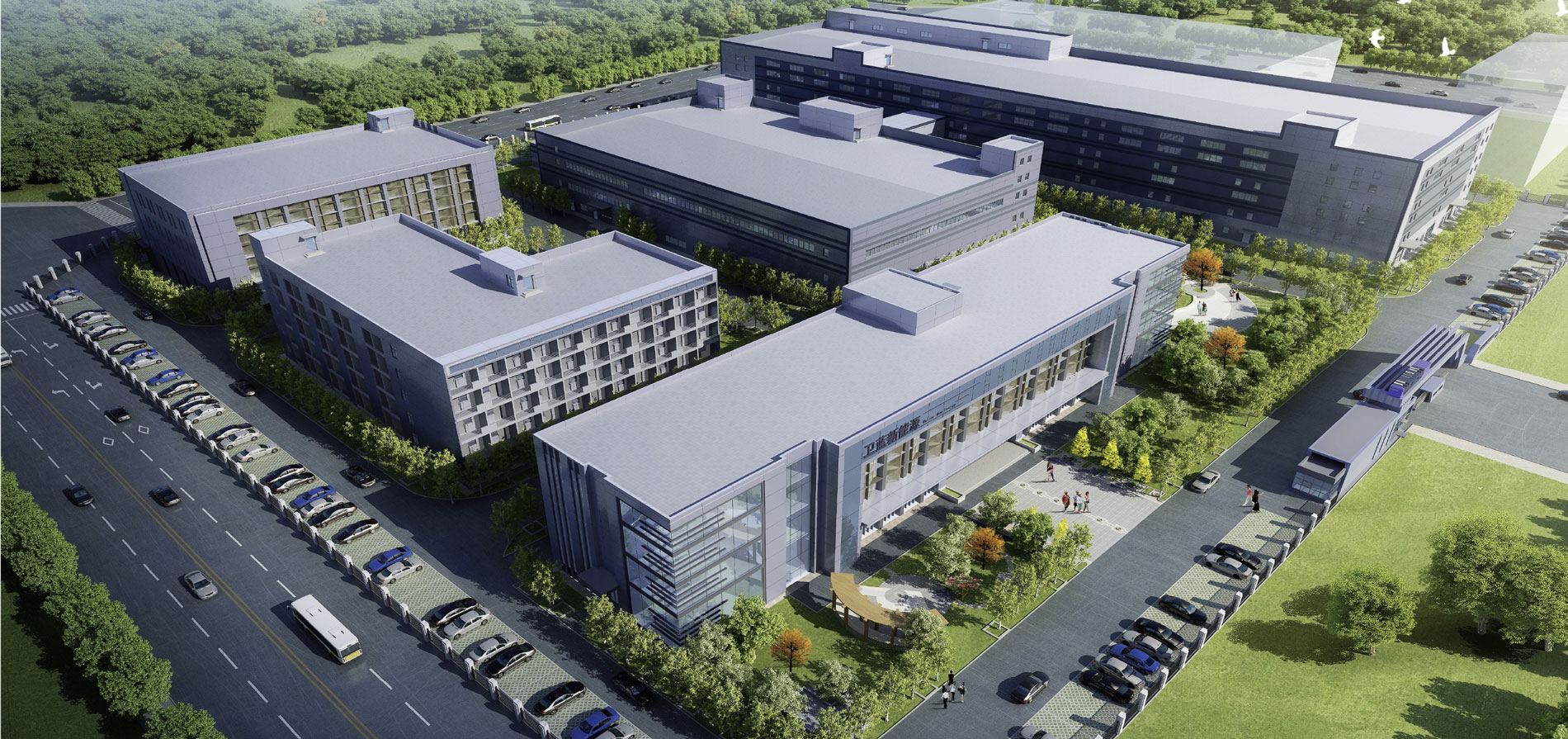
Huzhou, Zhejiang
CNCar power base; manufacturing of the 360-Wh/kg cells for NIO 150-kWh battery packs; R&D center Yangtze Delta
- Materials
- NMC+ semi-solid-state
- Battery cell production line (semi-solid-state)
- 2 + 20 GWh capacity
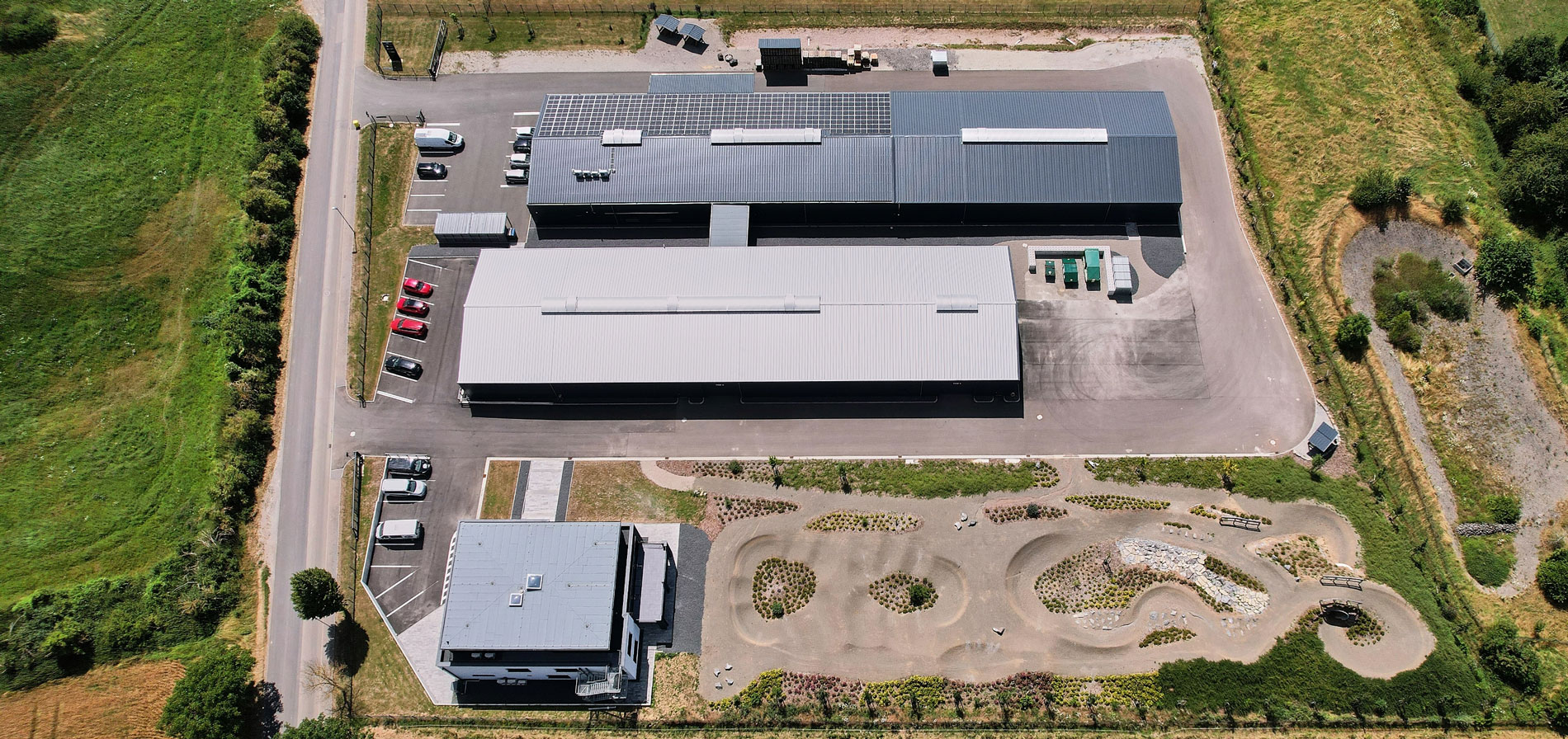
Zibo, Shandong
CNEnergy storage base (Phase 1 since September 2023)
- Materials
- semi-solid-state and solid-state cells
- Battery cell production line
- 20 GWh capacity (Phase 1, overall project 100 GWh)
Liyang, Jiangsu
CNLow-Altitude Economic Power base (drones, robots, portable power supply)
- Materials
- 320-Wh/kg power batteries
- Battery cell production line
- 0.2 GWh capacity
Battery Cells
Inside the production
Industries
Processes & technical limits
| Processes | Tolerance | Max. part | Weight | Lot size | Materials |
|---|---|---|---|---|---|
| Manufacture of semi-solid-state lithium-ion battery cellsAdditive | – | – | – | – | Nickel Manganese Cobalt Plus (NMC+), Nickel Manganese Cobalt (NMC), Lithium Iron Phosphate (LFP), Ultra-thin Metallic Lithium Foil, Ionic Conductive Separator, hybrid electrolyte (solid + liquid), solid state electrolyte |
| In-situ Solidified ElectrolyteAdditive | – | – | – | – | solid state electrolyte, hybrid electrolyte |
| Pre-lithiation of the AnodeAdditive | – | – | – | – | lithium, anode material |
| Special Mixing of the Solid ElectrolyteAdditive | – | – | – | – | solid state electrolyte |
| Solid Electrolyte Coating of the CathodeSurface | – | – | – | – | cathode material, solid state electrolyte |
| Battery cell testing (overcharge, short circuit, overtemperature, crushing, puncture, gunshot,Testing | – | – | – | – | NMC+, NMC, LFP |
| Electrical system integration / system integration for customersAssembly | – | – | – | – | – |
| Production of prismatic, pouch and cylindrical (4695) cell formatsAdditive | – | – | – | – | NMC, NMC+, LFP |
6 Anlagen & Maschinen
| Machine | Manufacturer / model | Quantity | Working area | Year built | Site |
|---|---|---|---|---|---|
| Battery cell production line (semi-solid-state) | WELION | – | – | – | Fangshan, Beijing (Headquarters, R&D and solid-state battery mass production) |
| Battery cell production line (semi-solid-state and solid-state) | WELION | – | – | 2023 | Zibo Base, Shandong (Energy storage base) |
| Battery cell production line (320Wh/kg low cost power batteries) | WELION | – | – | 2020 | Liyang, Jiangsu Base (Low-altitude economic power base) |
| Battery cell production line (semi-solid state power batteries for electric vehicles) | WELION | – | – | 2022 | Huzhou, Zhejiang base (Car power base) |
| Material production base (solid state materials and solid state battery) | WELION | – | – | 2023 | Shaoxing, Zhejiang pulp base |
| Solid-state battery R&D base | WELION | – | – | – | Shenzhen Pingshan, Guangdong |
Quality & Safety
Cells undergo extensive safety tests including overcharge, short circuit, overtemperature, crushing, puncture, gunshot and flame tests; WELION has helped shape the concept of intrinsic safety in industry standards.
| Evidence | Beijing-Fangshan |
|---|---|
| Safety tests (overcharge, short circuit, overtemperature, crushing, | |
| Gunshot and flame tests (LFP) |
History
- 1977
Foundational work by Chen Liquan with Prof. Dr. Werner Weppner at the Max Planck Institute for Solid State Research in Stuttgart
- 2016
Founding of Beijing WeLion New Energy Technology by Prof. Chen Liquan, Li Hong and Yu Huigen
- 2020
Commissioning of the Liyang, Jiangsu production base
- 2022
Production start of the car power base in Huzhou; groundbreaking for the plant in Zibo
- 2023
First delivery of the 360-Wh/kg cells to NIO; series-production vehicle with semi-solid-state battery (>1,000 km range); Phase 1 of the Zibo plant completed
- 2024
Partnership with the German Universal Transmissions GmbH (UT GmbH); market entry in the motorcycle and LEV market
- 2025
Introduction of new cell formats for e-bikes and cylindrical 4695 cells