
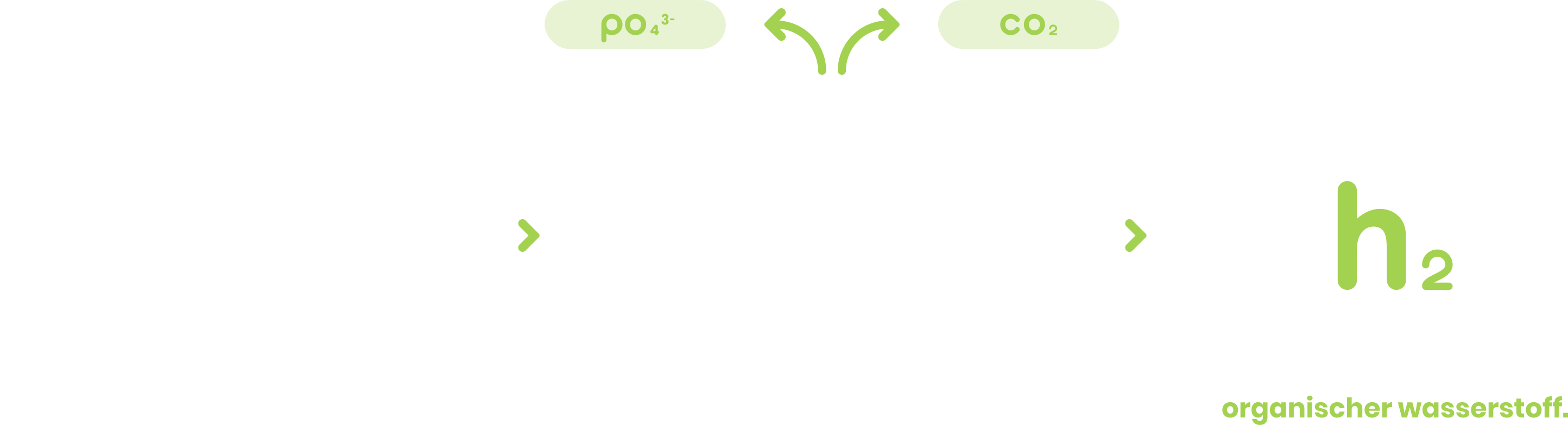
CO₂-negative organic hydrogen from biogenic residual materials with patented hybrid reforming – decentralized and modular.

BHYO GmbH
Ludwigshafen · Speyer · FrankenthalNew on Amplifa
About bhyo.
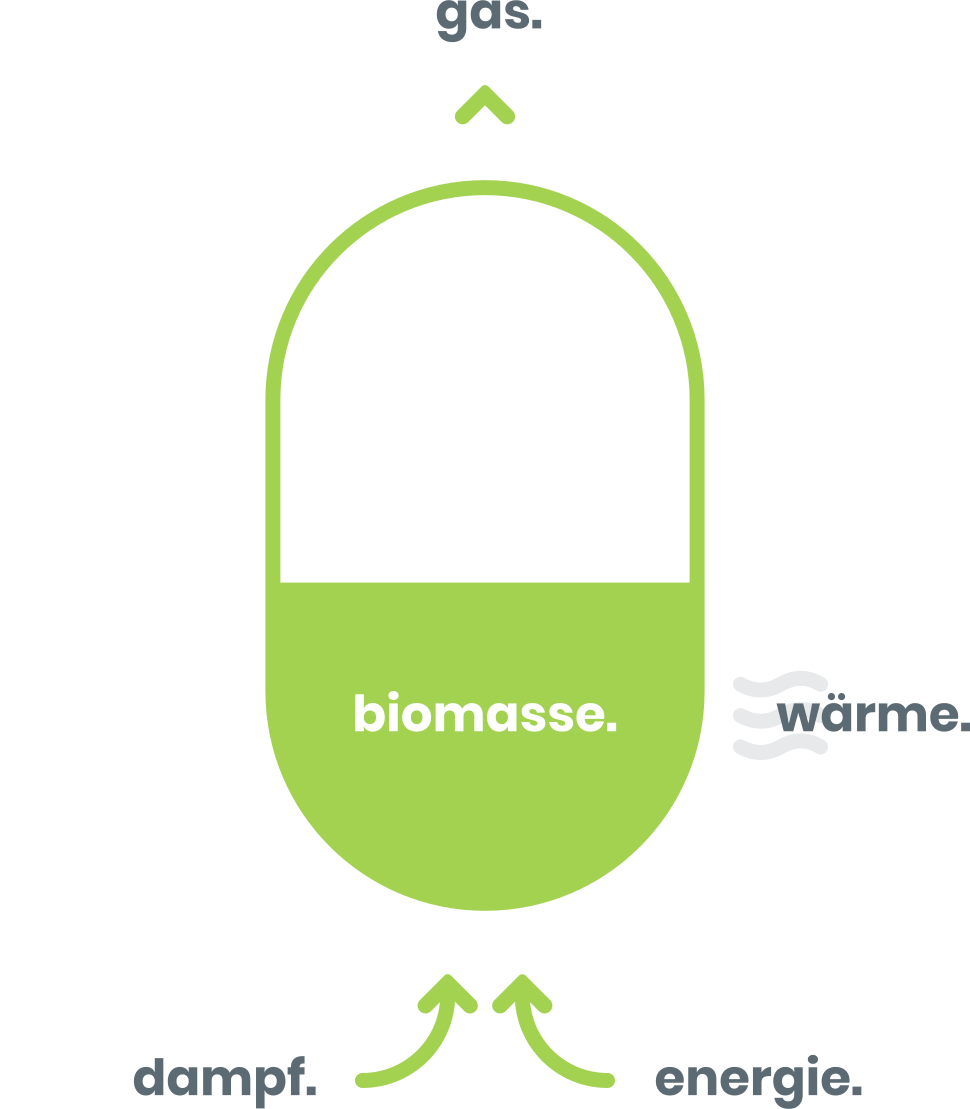
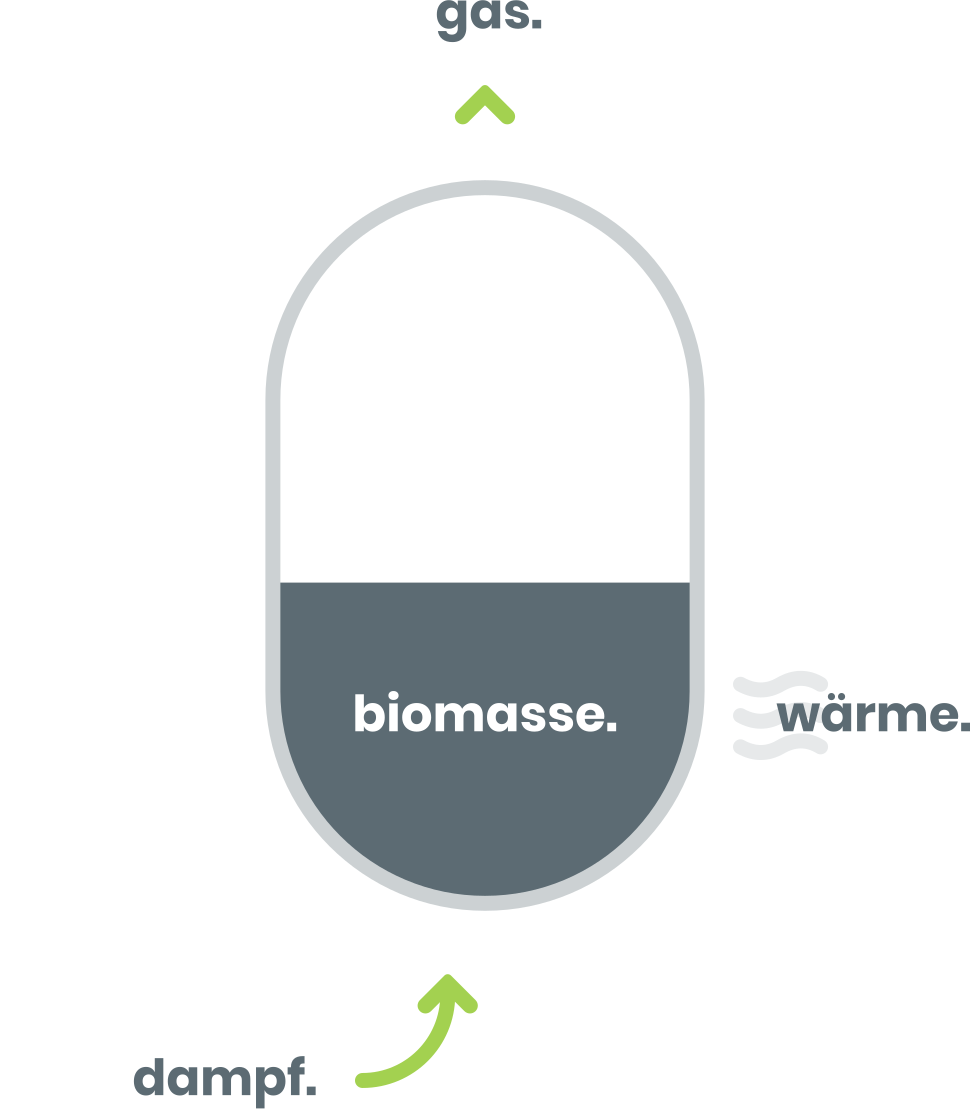
BHYO GmbH (bhyo.), based in Ludwigshafen, develops and builds decentralized, modular plants for producing CO₂-negative organic hydrogen from locally arising biogenic residual materials such as biowaste, crop residues and sewage sludge. The foundation is the patented bhyo hydrogen technology, a hybrid reforming process that combines autothermal and allothermal heating in the reformer chamber, enabling pure process gas with a small footprint and high controllability. The commercial bh100 plant is designed for approximately 100,000 inhabitants and produces 100 kg of hydrogen per hour; in addition, around 2,000 kg of CO₂ are bound per hour and up to 28 kg of phosphate are recovered from the ash. The process heat can be fed into district heating networks or used for biomass drying. The technology was tested over 15 years in cooperation with industrial partners and using a demonstration plant with more than 1,500 operating hours. Customers include municipalities, municipal associations, the energy and hydrogen industries, and public transport operators; the plants serve residual material utilization rather than disposal and local, efficient energy supply.
- Site
- Ludwigshafen
- Processes
- Production of organic (CO₂-negative) hydrogen from biogenic residual materials (bhyo hydrogen, Hybrid gasification/reforming of biomass (combination of autothermal and allothermal heating), Gas purification, CO₂ separation and storage (carbon sink, approx. 2,000 kg/h CO₂ per bh100 plant), District heating generation (process heat for district heating network or biomass drying), Phosphate recovery from ash (approx. 28 kg/h, for fertilizer/pharmaceutical industry), Utilization of local residual material streams instead of disposal (decentralized, modular plants), Production of CO2-negative (organic) hydrogen from biogenic residual materials
- Materials
- Biowaste, Crop residues, Sewage sludge, Biogenic residual materials (general), Hydrogen (product, CO₂-negative), Carbon dioxide (product/output), Phosphate (output from ash), Organic Hydrogen (CO₂-negative)
- Certificates
- Demonstration plant (>1,500 operating hours), Patented process, ISO 9001
- Industries
- Hydrogen production, Energy supply, Climate protection/cleantech, Circular/residual materials economy, Public transport (ÖPNV), Agriculture (phosphate fertilizer)
- 01
Acceptance of local biogenic residual materials (biowaste, crop residues,
- 02
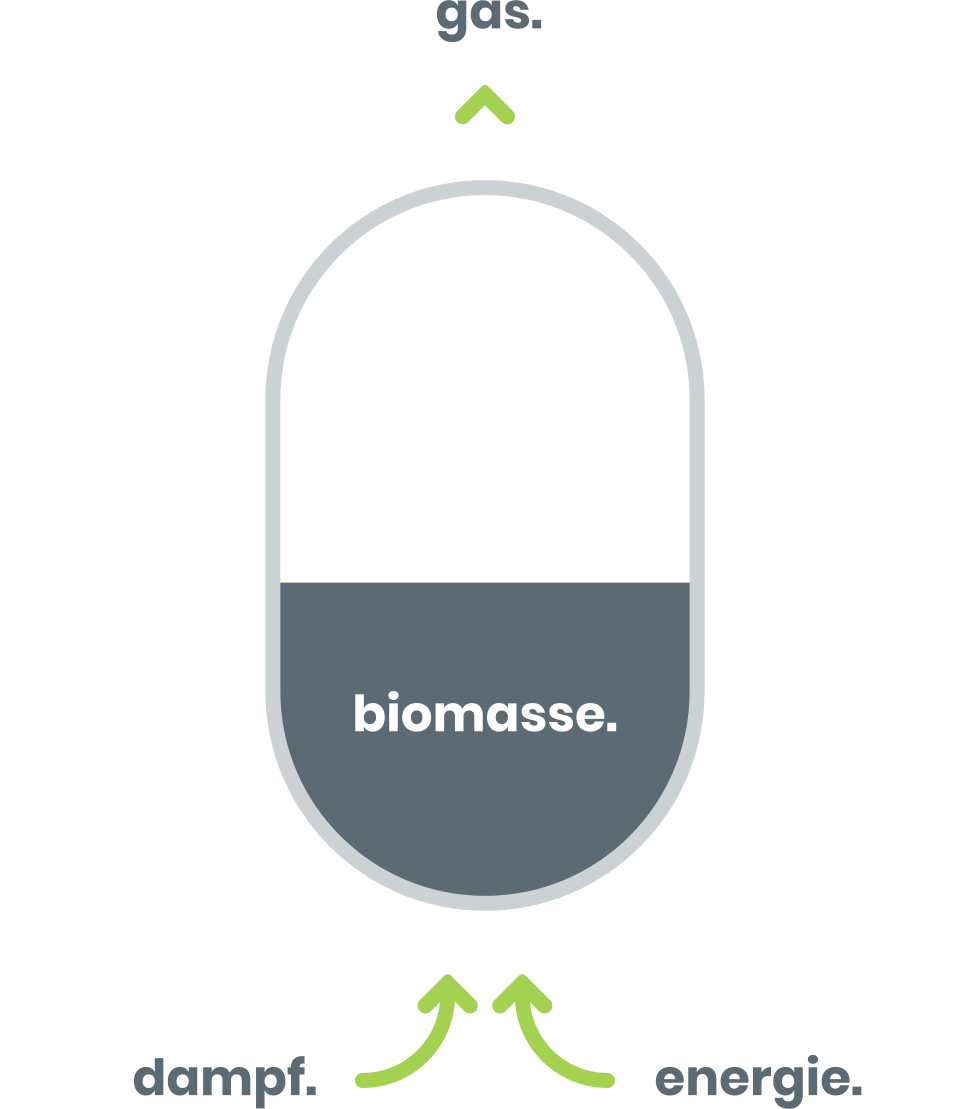
Hybrid gasification/reforming (patented bhyo hydrogen technology)
- 03
Gas purification
- 04
CO₂ separation and storage (carbon sink)
- 05
Use of process heat (district heating/biomass drying)
- 06
Phosphate recovery from ash
- 07
Local supply of organic hydrogen
Input Materials & Processes
Organic Hydrogen (CO₂-negative)
Product made from 100% biogenic, locally arising residual materials, e.g. for public transport fleets and municipal mobility.
bhyo hydrogen technology (hybrid reforming)
Patented process that combines autothermal and allothermal heating: small footprint, high controllability, pure process gas.
CO₂ Separation and Storage
Approx. 2,000 kg of CO₂ per hour stored and converted as a carbon sink per bh100 plant.
District Heating Generation
Process heat is fed into the district heating network or used for drying the biomass.
Phosphate Recovery from Ash
Approx. 28 kg/h of phosphate from the ash, e.g. as fertilizer for agriculture or raw material for the pharmaceutical industry.
Biogenic Residual Materials (biowaste, crop residues, sewage sludge)
Flexible input mix from locally arising, difficult-to-utilize residual material streams; around 16 Mt/a arise in Germany.
Locations & Plants

Ludwigshafen
DEHeadquarters
Speyer
DETest plant (BioH2 project)
- Materials
- biogenic residual materials
- Test plant with reformer
- Gas purification
- CO₂ separation

Frankenthal
DEPlanned modular pilot plant (KIPKI funding project)
- Materials
- biogenic residual materials
- Modular pilot plant for hydrogen production
Outputs & Services
Inside the production

Industries
Processes & technical limits
| Processes | Tolerance | Max. part | Weight | Lot size | Materials |
|---|---|---|---|---|---|
| Production of organic (CO₂-negative) hydrogen from biogenic residual materials (bhyo hydrogenEngineering | – | – | – | – | biogenic residual materials (biowaste, crop residues, |
| Hybrid gasification/reforming of biomass (combination of autothermal and allothermal heating)Engineering | – | – | – | – | biomass |
| Gas purificationEngineering | – | – | – | – | – |
| CO₂ separation and storage (carbon sink, approx. 2,000 kg/h CO₂ per bh100 plant)Engineering | – | – | – | – | carbon dioxide |
| District heating generation (process heat for district heating network or biomass drying)Engineering | – | – | – | – | – |
| Phosphate recovery from ash (approx. 28 kg/h, for fertilizer/pharmaceutical industry)Engineering | – | – | – | – | phosphate |
| Utilization of local residual material streams instead of disposal (decentralized, modular plants)Engineering | – | – | – | – | biogenic residual materials, sewage sludge |
4 Anlagen & Maschinen
| Machine | Manufacturer / model | Quantity | Working area | Year built | Site |
|---|---|---|---|---|---|
| Test plant for hydrogen production from biogenic residual materials (with reformer, gas | bhyo | 1 | – | – | Speyer |
| Demonstration plant (over 1,500 operating hours, numerous biomasses tested) | bhyo | 1 | – | – | – |
| bh100 plant (commercial modular plant, 100 kg hydrogen/h, 2,000 kg CO₂/h, 28 kg phosphate/h) | bhyo bh100 | – | – | – | – |
| Modular pilot plant for hydrogen production (KIPKI-funded) | bhyo | 1 | – | – | Frankenthal |
Additional services
Testing & Technology
The patented bhyo hydrogen technology was tested using a demonstration plant over more than 1,500 operating hours and with numerous types of biomass. The test plant in Speyer was extended with gas purification and CO₂ separation and successfully put into hot trial operation in July 2025.
| Evidence | Speyer |
|---|---|
| Demonstration plant (>1,500 operating hours) | |
| Patented process | |
| ISO 9001 |
History
- 2023
Website launch and corporate communications of bhyo (homepage published September 2023)
- 2024
Groundbreaking ceremony for the BioH2 project in Speyer
- 2025
Commissioning of the test plant in Speyer (June) and successful first hot trial operation of the reformer (July); test plant was extended with gas purification and CO₂ separation
- 2026
KIPKI funding from the state of Rhineland-Palatinate for a modular pilot plant for hydrogen production in Frankenthal (handover by State Secretary Dick-Walther)