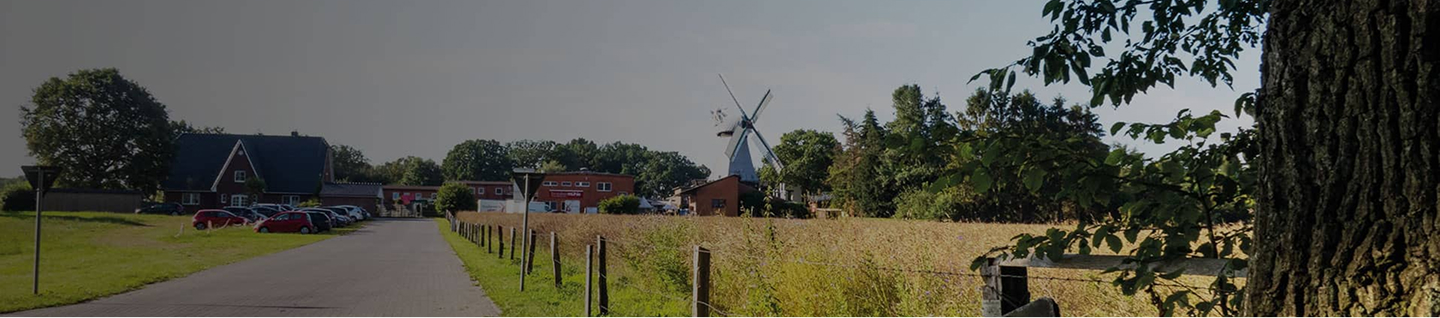
Bakery goods from our own bakery with wholegrain flour from the historic windmill of 1859

Braaker Mühle Brot- und Backwaren GmbH
Braak · Schwarzenbek · Reinbek · Glinde · Hamburg and further locations in Schleswig-Holstein and HamburgNew on Amplifa
About Braaker Mühle
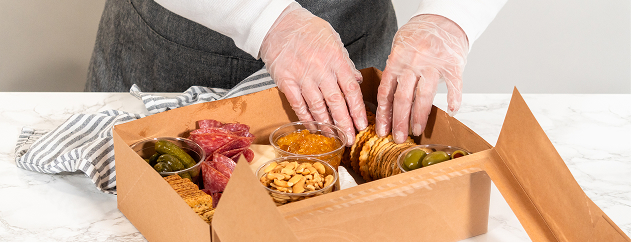
Braaker Mühle Brot- und Backwaren GmbH is a bakery based in Braak (Schleswig-Holstein) with a tradition dating back to 1859. The company produces breads, rolls, cakes and baked goods with long dough proofing times (at least 18 hours), house-made sourdough and regional raw materials. The company mills its entire requirement of wholegrain flour entirely itself in its own listed gallery Dutch windmill from the 19th century, in which part of the flour is still ground using wind power today; one grinding pass is additionally driven by a motor. The organic quality of the wholegrain products is regularly inspected by the control body DE-ÖKO-006 (ABCERT AG). The products are distributed via a dense network of around 30 branches, bread shops and sales stations in Schleswig-Holstein and Hamburg as well as via Click & Collect and delivery; the company also offers catering, bulk orders, a mill café and events.
- Site
- Braak
- Processes
- Milling (wholegrain flour, windmill), Click & Collect pickup, Delivery, Bulk orders/catering, School meal donation campaign (1 loaf, 1 meal), Mill map & vouchers, own grain milling in the historic windmill (wholegrain flour), Events & functions
- Materials
- Rye, Organic wholegrain flour
- Certificates
- Organic certification (EU Organic Regulation), control body DE-ÖKO-006, Organic certification (EU Organic Regulation, DE-ÖKO-006)
- Founded
- 1859
- Industries
- Bakery/food retail, Gastronomy/café
- 01
Grain purchasing from the region
- 02
Milling of wholegrain flour in the company's own windmill
- 03
Dough management with house-made (pre-)sourdoughs, at least 18 hours dough
- 04
Baking in Braak
- 05
Distribution via branches, bread shops, Click & Collect and delivery
Raw Materials & Production
Rye
Organic rye from the surrounding region, e.g. for wholegrain and rye mixed breads such as the Mühlenmöhrli
Organic wholegrain flour
In-house windmill milling of the entire wholegrain flour requirement from regional grain
Locations
Braak
DEHeadquarters with bakery, mill café, Back-Drive and windmill
- Materials
- Rye (organic wholegrain flour)
- Gallery Dutch windmill (1859)
- two grinding passes (wind- and motor-driven)
- grain flaker
Products
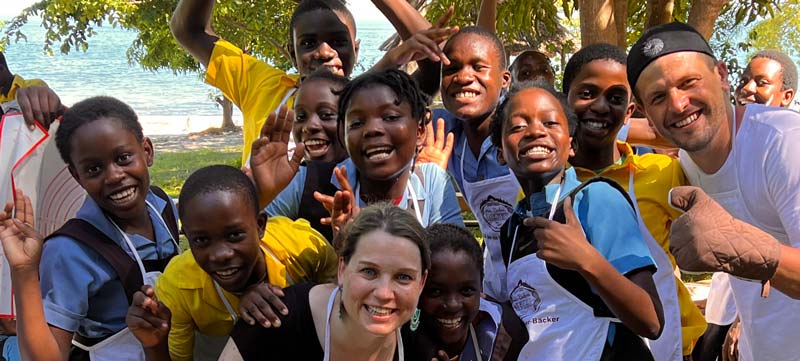
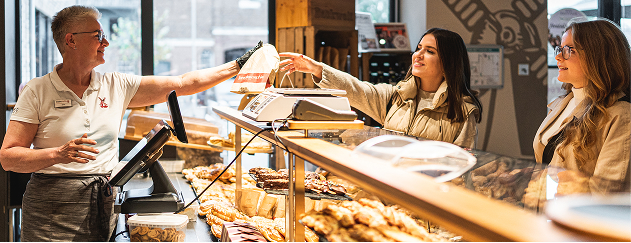
Inside the production
Industries
Processes & technical limits
| Processes | Tolerance | Max. part | Weight | Lot size | Materials |
|---|---|---|---|---|---|
| Milling (wholegrain flour, windmill)Other | – | – | – | – | Grain (rye, e.g. for rye mixed bread) |
1 Anlagen & Maschinen
| Machine | Manufacturer / model | Quantity | Working area | Year built | Site |
|---|---|---|---|---|---|
| Gallery Dutch windmill | – | 1 | – | 1859 | Braak |
Additional services
Quality & Certification
Organic products are regularly inspected by the control body DE-ÖKO-006 (ABCERT AG); the origin of raw materials and production processes are checked.
| Evidence | Braak |
|---|---|
| Organic certification (EU Organic Regulation, DE-ÖKO-006) |
History
- 1849
Start of mill construction by Friedrich August Reimers on the Röthberg near Braak
- 1850
Building permit granted on 30 April 1850; the mill probably started operating shortly afterwards
- 1859
Auction of the mill; acquisition by Carl Heinrich Christoph Lessau; founding of the bakery by the Lessau family
- 1869
Documented baking operation with the introduction of freedom of trade
- 1899
Family moves into a new residential building; modernisation of the mill under Carl Christoph Eduard Lessau
- 1935
Mill body clad with galvanised sheet metal panels (fire protection)
- 1977
Mill shut down
- 1992–1993
Restoration of the mill cap
- 1996
Installation of the current sails (steel construction)