carbonauten produces CO2-negative materials (NET Materials) made from biocarbon for the plastics, chemicals, agriculture and construction industries.
carbonauten GmbH
Giengen an der Brenz · Eberswalde · Chibi (China)New on Amplifa
About carbonauten
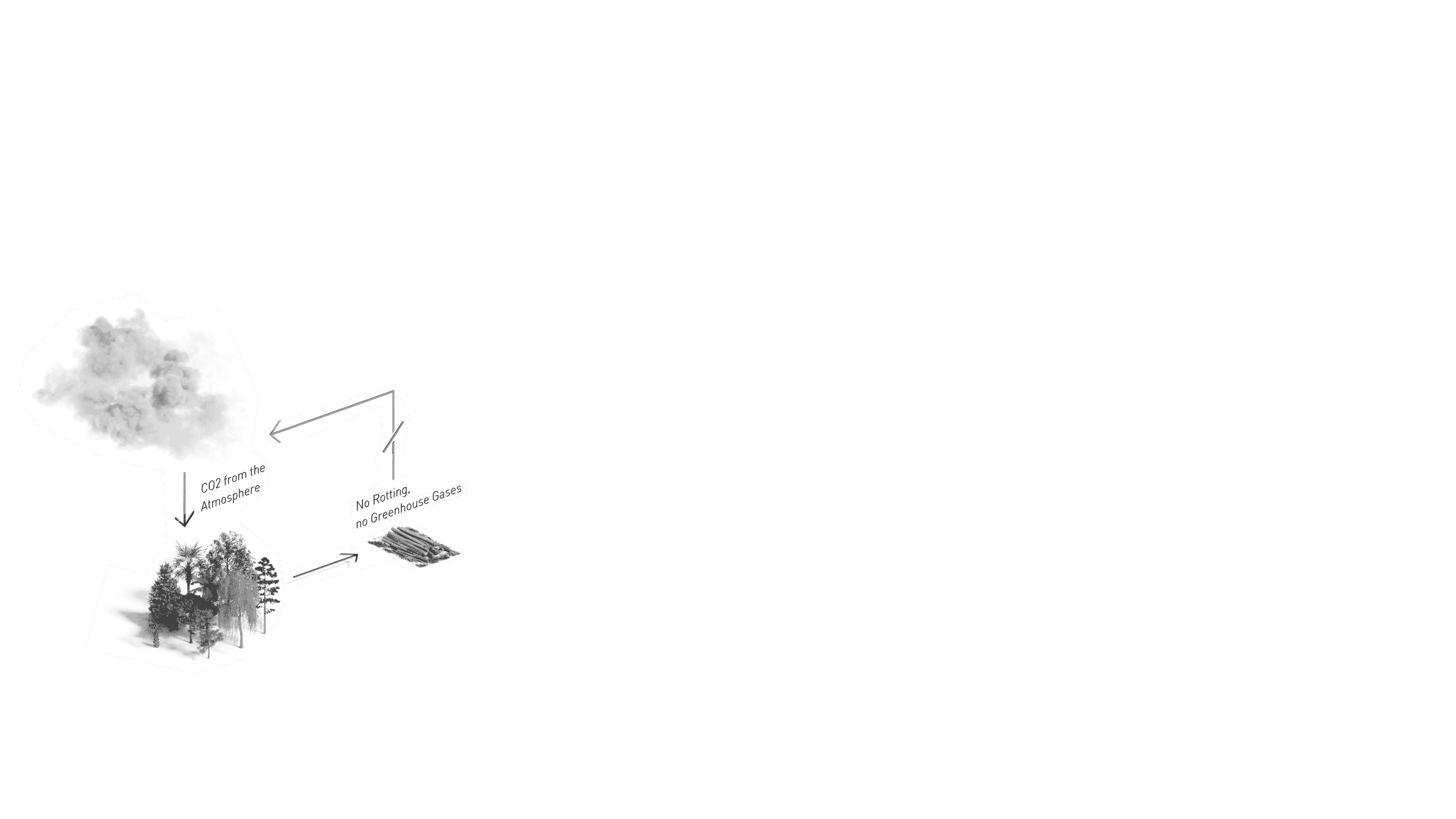
carbonauten GmbH develops and produces industrial base materials and pre-products based on biocarbons and bio-oils in decentralized factories. Using a proprietary industrial carbonization technology (pyrolytic carbonization at 400–700 °C without oxygen), woody biomass residues are split into three base materials: biochar, pyrolysis oil and synthesis gas. The biocarbons permanently bind up to 3.67 tonnes of CO2 equivalent per tonne and are upgraded in the factories into NET Materials® (Negative Emission Technology) — CO2-negative pre-products for the plastics, chemicals, agriculture and construction industries. The pyrolysis oil serves as a CO2-negative base material for the chemical industry, while the synthesis gas generates baseload-capable renewable energy in the form of electricity and heat. The minus CO2 factory 001 in Eberswalde is the production and research site, while headquarters in Giengen an der Brenz drive international scaling. From 2025 onwards, decentralized sites will be realized worldwide; the technology is flexible in terms of input and output, robust and modularly expandable.
- Site
- Eberswalde
- Processes
- Pyrolytic carbonization of biomass residues (heating without oxygen, 400°–700° C), Production of NET Materials® (biocarbon-based pre-products) incl. masterbatches and, Injection molding of CO2-negative plastic (e.g. ICE seat shells and armrests), Production of pyrolysis oil, synthesis gas and baseload-capable renewable energy, Pyrolytic carbonization of biomass residues (in-house development), Production of NET Materials® (CO2-negative pre-products), CO2-storing biocarbons (binding up to 3.67 t CO2-eq. per tonne), Pyrolysis oil as a CO2-negative base material for the chemical industry
- Materials
- Biocarbon, Bio-oil / Pyrolysis Oil, NET Materials®, CO2-negative plastic (33% biocarbon content), Synthesis Gas, Pyrolysis Oil / Bio-oil
- Industries
- Agriculture, Energy, Plastics, Chemicals, Construction, Carbon Removal
- 01
Supply of woody biomass residues
- 02
Pyrolytic carbonization (400–700 °C, without oxygen)
- 03
Splitting into biochar, pyrolysis oil and synthesis gas
- 04
Upgrading biochar into NET Materials®
- 05
Processing into CO2-negative plastic parts (injection molding)
- 06
Energetic use of synthesis gas (electricity, heat)
Materials & Processes
Biocarbon
Physically and chemically stable carbon that permanently binds up to 3.67 t of CO2 equivalent per tonne.
Pyrolysis Oil / Bio-oil
CO2-negative base material for the chemical industry, produced as a by-product of carbonization.
NET Materials®
CO2-negative pre-products made from biocarbon for the plastics, chemicals, agriculture and construction industries.
CO2-negative plastic (33% biocarbon content)
Injection-moldable plastic with a high biocarbon content, e.g. for ICE seat shells.
Synthesis Gas
Used for the factories' own needs (electricity, heat); surplus is fed out as baseload-capable renewable energy.
Sites
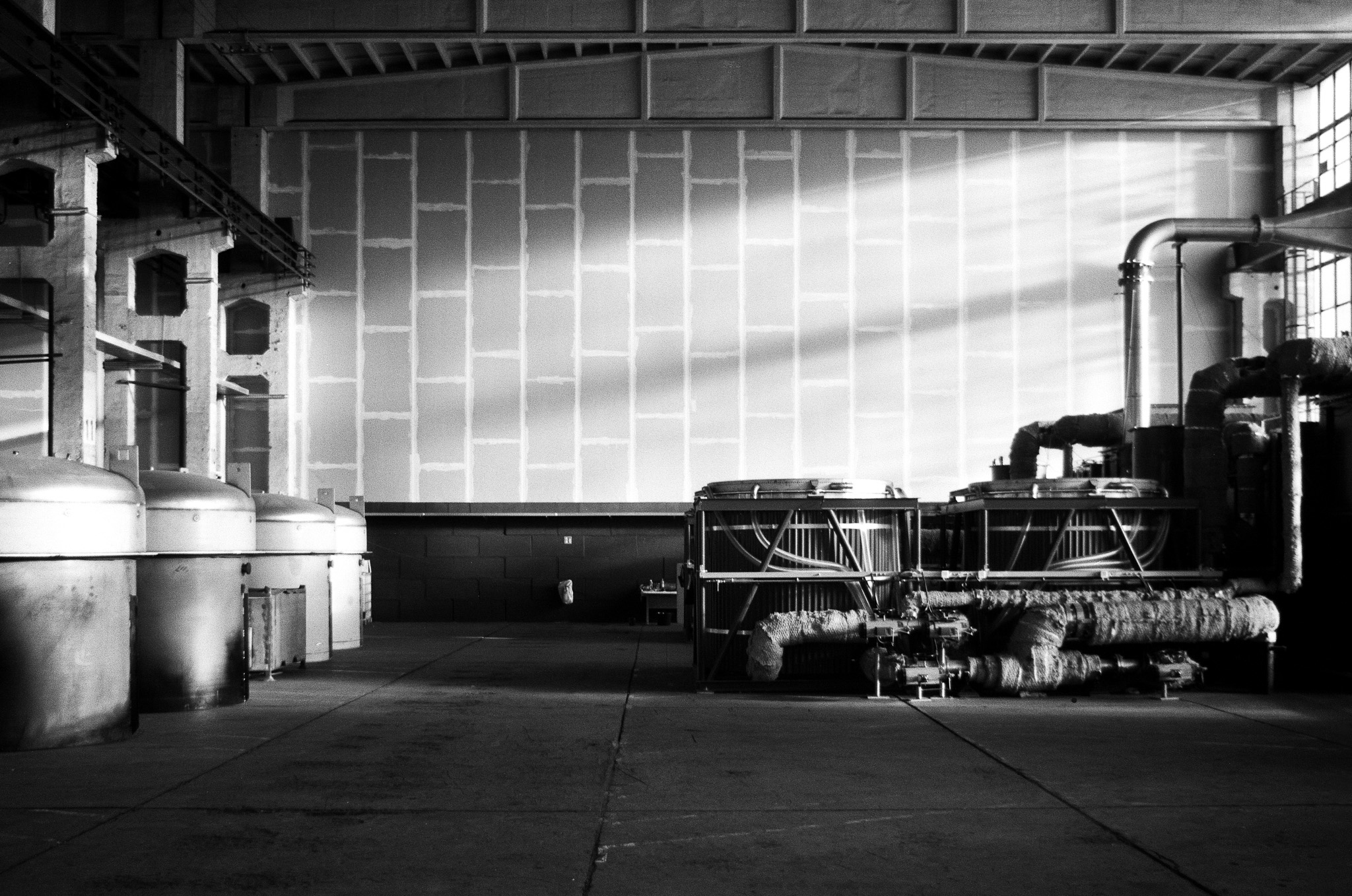
Eberswalde
DEminus CO2 factory 001 – Production and Research & Development
- Materials
- Biocarbon, NET Materials®, CO2-negative plastic
- Carbonization plant (pyrolysis, in-house development)
- Injection molding machine
Giengen an der Brenz
DEHeadquarters – international scaling, future application development of NET Materials
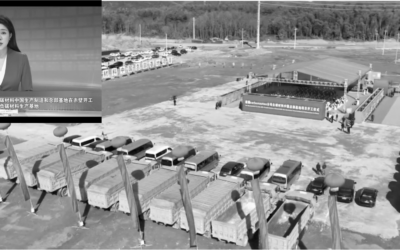
Chibi
minus CO2 factory 002 – world's largest carbonization plant (under construction since 07.11.2023)
- Materials
- Biocarbon, pyrolysis oil, synthesis gas
- Carbonization plant (under construction)
Components & Products

Inside the production
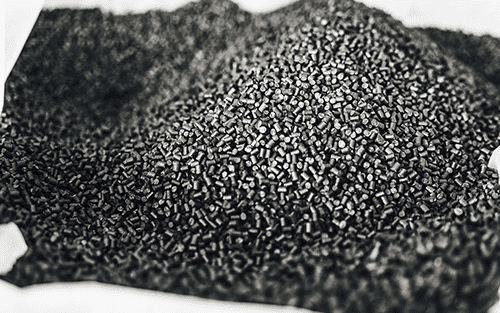
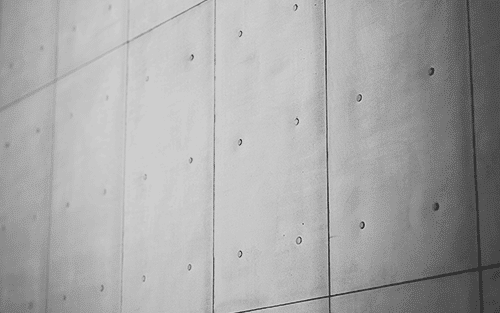
Industries
Processes & technical limits
| Processes | Tolerance | Max. part | Weight | Lot size | Materials |
|---|---|---|---|---|---|
| Pyrolytic carbonization of biomass residues (heating without oxygen, 400°–700° C)Heat Treatment | – | – | – | – | woody biomass residues |
| Production of NET Materials® (biocarbon-based pre-products) incl. masterbatches andPlastics | – | – | – | – | biocarbon, bio-oil |
| Injection molding of CO2-negative plastic (e.g. ICE seat shells and armrests)Plastics | – | – | – | – | CO2-negative plastic with 33% biocarbon content |
| Production of pyrolysis oil, synthesis gas and baseload-capable renewable energyEngineering | – | – | – | – | biomass |
3 Anlagen & Maschinen
| Machine | Manufacturer / model | Quantity | Working area | Year built | Site |
|---|---|---|---|---|---|
| Carbonization plant (pyrolysis) | carbonauten (in-house development) | – | – | – | Eberswalde (minus CO2 factory 001) |
| Carbonization plant (world's largest, under construction) | carbonauten | – | – | 2023 | Chibi (minus CO2 factory 002) |
| Injection molding machine | – | – | – | – | – |
Additional services
Reference customers
History
- 2023
Construction start of the minus CO2 factory 002 in Chibi on 07.11.2023 – the world's largest carbonization plant for CO2 removal and storage
- 2024
First injection molding of ICE seat shells and armrests from CO2-negative plastic with 33% biocarbon content (Nov. 2024)
- 2025
Realization and operation of decentralized sites worldwide planned
- 2040
Vision: worldwide production sites avoiding climate gases on a gigatonne scale via Scope 3