Manufacturer of organosilicon compounds and fine chemicals offering toll synthesis, distillation, re-packing and mixing services

Chemische Fabrik Karl Bucher GmbH
Waldstetten (Bavaria)New on Amplifa
About Chemische Fabrik Karl Bucher
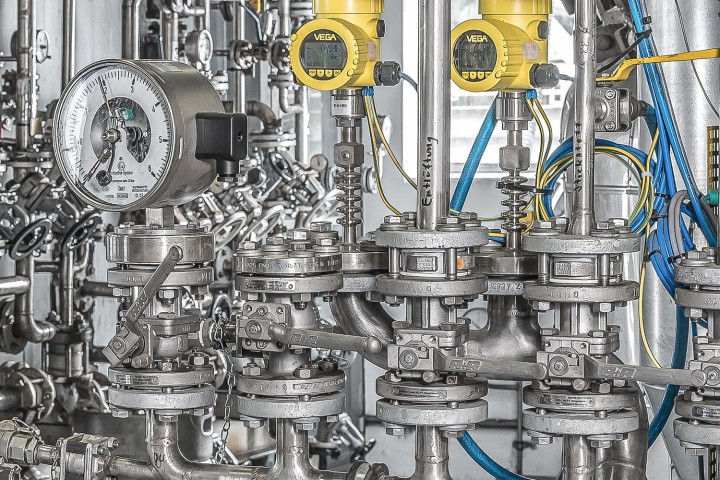
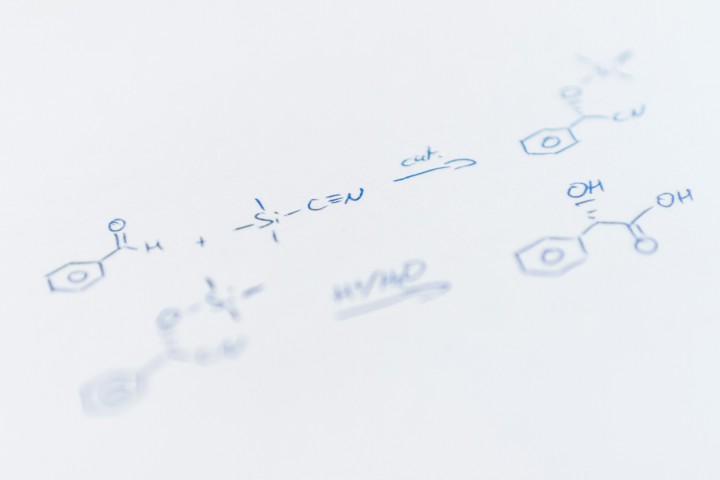
Chemische Fabrik Karl Bucher GmbH is a manufacturer of organosilicon compounds and organic fine chemicals based in Waldstetten in Bavarian Swabia. The company produces silanes, chlorosilanes, alkoxysilanes, silazanes, silylamines, silyl enol ethers, acid chlorides, metalorganics, phosphonic acids and other organic specialty chemicals in its own multipurpose plants, from the pilot plant with 11 reactors up to reactor sizes of 16 m³. The process technology comprises silylation, amination, Grignard and acetylene chemistry, alkali metal reactions, cyanation, bromination, fluorination, hydrosilylation as well as all standard organic reactions; in addition, toll distillation (50 litres to 100 tonnes), re-packing under REACH Art. 18 and mixing & blending are offered. The products serve among other things as silylation reagents, building blocks for organic synthesis, CVD precursors and for hydrophobization, and go to the pharmaceutical and generics industry, life science companies, silicone polymer manufacturers, the semiconductor industry and electronic chemicals manufacturers. The quality management system is certified to ISO 9001 and energy management to ISO 50001; the production licence covers 10,000 tonnes per year.
- Site
- Waldstetten
- Processes
- Silylation, Amination, Grignard chemistry, Acetylene chemistry, Alkali metal reactions (handling of sodium metal >100 t/year), Cyanation (NaCN), Bromination, Metalorganics
- Materials
- Organosilicon compounds (silanes, chlorosilanes, alkoxysilanes, silazanes, siloxanes, silylamines,, Metalorganics (organometallic compounds, e.g. (trimethylsilyl)methylmagnesium chloride,, Acid chlorides (Acid Chlorides), Organic fine chemicals (organics, e.g. 2,5-hexanedione, 2-butynoic acid), Phosphonic acids (e.g. (12-phosphonododecyl)phosphonic acid, 1H,1H,2H,2H-perfluorooctanephosphonic, Trimethylsilanol (ultrapure, up to 99%, stable at room temperature), Amidosilanes (BSA, BSTFA, MSTFA), Silylamines (TMSDEA, TMSDMA)
- Certificates
- ISO 9001:2015, ISO 50001:2018, ISO 9001, ISO 50001, GMP experience (full GMP production for approx. 20 years)
- Founded
- 1966
- Industries
- Pharmaceutical industry, Generics manufacturers, Life Science, Silicone polymer manufacturers, Semiconductor industry, Electronic chemicals
- 01
Process development
- 02
Chemical synthesis (reaction technology)
- 03
Filtration/centrifugation and drying
- 04
Distillation/purification
- 05
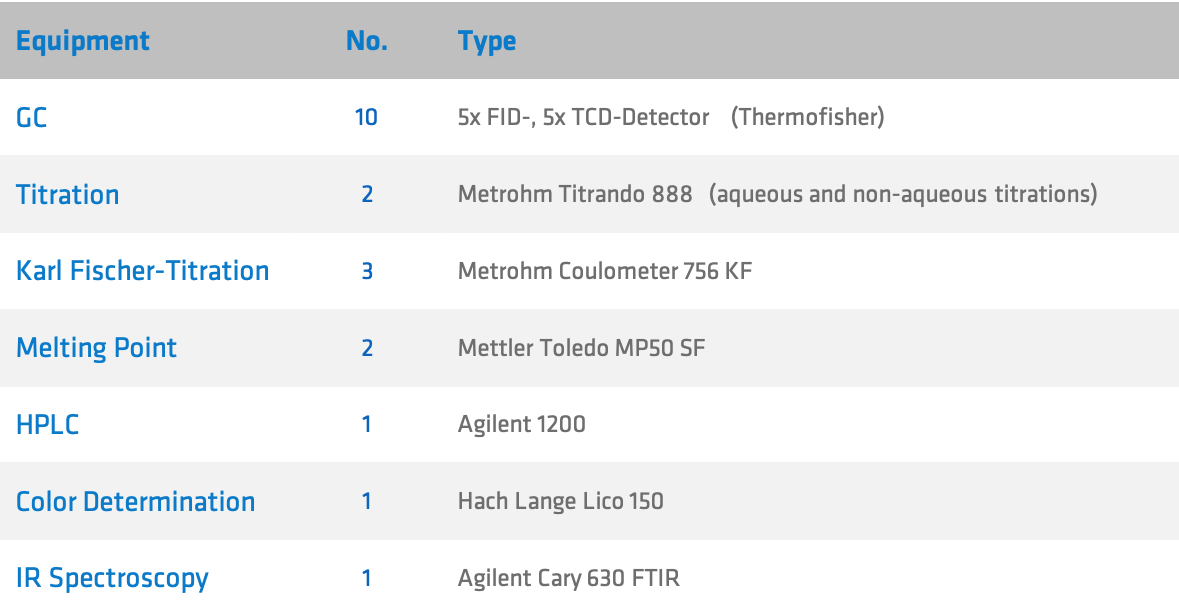
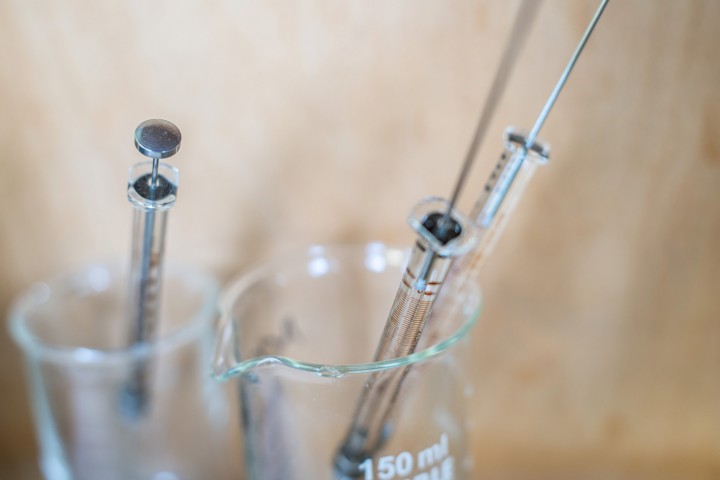
Analytical quality control
- 06
Re-packing / mixing & blending
- 07
Hazardous goods logistics and shipping
Products & Process Technologies
Organosilicon Compounds
Silanes, chlorosilanes, alkoxysilanes, silazanes, siloxanes, silylamines, silyl enol ethers and silyl triflates as the core product portfolio for pharma, semiconductors and silicone polymers.
Metalorganics
Organometallic compounds such as (trimethylsilyl)methylmagnesium chloride and 1-propynylmagnesium bromide/chloride for organic synthesis.
Acid Chlorides
In-house production and processing of acid chlorides including safe handling in suitable equipment.
Organic Fine Chemicals
Organic specialty chemicals such as 2,5-hexanedione and 2-butynoic acid as reagents and building blocks.
Phosphonic Acids
Special phosphonic acids, e.g. (12-phosphonododecyl)phosphonic acid, for industrial applications.
Toll Distillation
Toll distillation from 50 litres to 100 tonnes, up to 16 m³ batch, boiling point up to 180 °C/5 mbar, including chlorosilanes and corrosive substances.
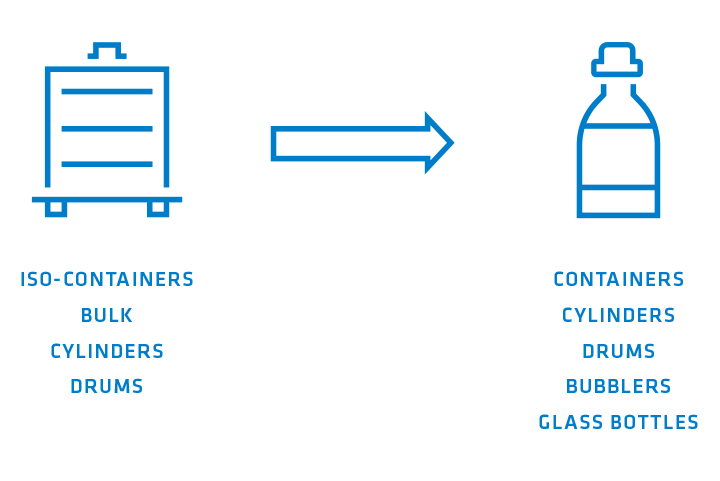
Re-Packing (REACH Art. 18)
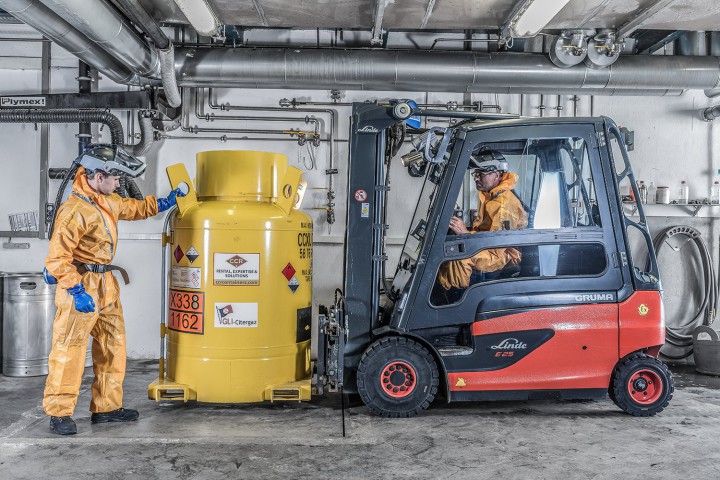
Re-packing of toxic, corrosive and highly flammable substances such as chlorosilanes, acid chlorides and Lewis acids.
Mixing & Blending
Production of solutions and blends to customer specification, also under exothermic conditions or with glass-lined equipment.
Location & Facilities
Waldstetten
DEProduction site and administration (An der Günz 1, 89367 Waldstetten)
- Lot size
- Pilot scale to full-scale batches; toll distillation 50 litres to 100
- Materials
- Organosilicon compounds, fine chemicals, acid chlorides, metalorganics
- Pilot plant with 11 reactors (stirrers, feed tanks, columns/condensers), movable filters 75–350 l, glass-lined dryer 150 l
- Unit 1 'Specialty Unit': predominantly glass-lined, 1,000–3,000 l reactors, filters 9,000–10,000 l
- Unit 2 'FU Unit': predominantly stainless steel, 1,500–4,000 l, centrifuge and dryer
- Unit 3 'Silane Unit': dedicated to large-scale silane production, glass-lined/stainless steel, 7,000–16,000 l
- Batch distillation plant up to 16 m³ (bp 180 °C/5 mbar)
Product Groups
Inside the production
Industries
Processes & technical limits
| Processes | Tolerance | Max. part | Weight | Lot size | Materials |
|---|---|---|---|---|---|
| SilylationChemical Synthesis (Fine Chemicals) | – | – | – | – | Silanes, Chlorosilanes, Alkoxysilanes |
| AminationChemical Synthesis (Fine Chemicals) | – | – | – | – | Alkylamines, Ammonia, Hydrazine hydrate |
| Grignard chemistryChemical Synthesis (Fine Chemicals) | – | – | – | – | Magnesium, Methylmagnesium chloride |
| Acetylene chemistryChemical Synthesis (Fine Chemicals) | – | – | – | – | Acetylene |
| Alkali metal reactions (handling of sodium metal >100 t/year)Chemical Synthesis (Fine Chemicals) | – | – | – | – | Sodium, Lithium |
| Cyanation (NaCN)Chemical Synthesis (Fine Chemicals) | – | – | – | – | Sodium cyanide |
| BrominationChemical Synthesis (Fine Chemicals) | – | – | – | – | Bromine |
| MetalorganicsChemical Synthesis (Fine Chemicals) | – | – | – | – | NaH, Butyllithium, Hexyllithium, LAH, LiH |
| Fluorination (Hal-Ex/KF)Chemical Synthesis (Fine Chemicals) | – | – | – | – | Potassium fluoride |
| HydrosilylationChemical Synthesis (Fine Chemicals) | – | – | – | – | Hydridochlorosilanes |
| Wolff-Kishner reductionChemical Synthesis (Fine Chemicals) | – | – | – | – | Hydrazine hydrate |
| All standard organic reactionsChemical Synthesis (Fine Chemicals) | – | – | – | – | – |
| Toll distillation (contract processing)Chemical Synthesis (Fine Chemicals) | – | – | 50 litres – 100 tons | 50 litres – 100 tons | Chlorosilanes, Acid chlorides, Toxic materials, Low Boilers (bp 26 °C), Corrosive substances (glass-lined equipment required) |
| Re-Packing (repackaging under REACH Art. 18 for Transported Isolated Intermediates)Chemical Synthesis (Fine Chemicals) | – | – | – | – | Propanal, Trimethylchlorosilane, Dimethyldichlorosilane, Methyltrichlorosilane, Boron trifluoride, Chlorosilanes, Acid chlorides, Lewis acids |
| Mixing & Blending (mixing of solutions/blends, e.g. BF3 dilution with methanol, exothermicChemical Synthesis (Fine Chemicals) | – | – | – | – | Boron trifluoride, Methanol, Hydrazine derivatives, Lewis acids |
| Contract production/Custom Manufacturing of fine chemicals and organosilicon compoundsChemical Synthesis (Fine Chemicals) | – | – | up to 5 t released within max. 4 weeks | Total licence 10.000 t/Jahr | Organosilicon compounds, Fine chemicals |
| Analytics/quality control (ISO 9001, GMP, validation of analytical methods)Testing | – | – | – | – | – |
| Process DevelopmentEngineering | – | – | – | – | – |
5 Anlagen & Maschinen
| Machine | Manufacturer / model | Quantity | Working area | Year built | Site |
|---|---|---|---|---|---|
| Reactors (pilot plant, with stirrers, feed tanks, columns/condensers/receivers, | – | 11 | two rooms; movable filter units 75-350 litres; glass-lined dryer 150 litres | – | Waldstetten |
| Multipurpose plants Unit 1 'Specialty Unit' (predominantly glass-lined) | – | – | 1,000 - 3,000 litre reactors; filters 9,000 - 10,000 litres | – | Waldstetten |
| Multipurpose plants Unit 2 'FU Unit' (predominantly stainless steel, with centrifuge and dryer) | – | – | 1,500 - 4,000 litres | – | Waldstetten |
| Silane plant Unit 3 (dedicated plant for large-scale silane production, glass-lined and | – | – | 7,000 - 16,000 litres | – | Waldstetten |
| Batch distillation plant | – | – | up to 16 m³, boiling point 180 °C/5 mbar | – | Waldstetten |
Additional services
Reference customers
Quality & Certifications
Quality control operates in accordance with ISO 9001 and, where required, according to GMP standards; all analyses, with few exceptions, are carried out in-house by trained personnel. Batch records guarantee complete traceability, complemented by cleaned and verified equipment, validated analytical methods, change control as well as maintenance and calibration programmes.
| Evidence | Waldstetten |
|---|---|
| ISO 9001 | |
| ISO 50001 | |
| GMP experience (full GMP production for approx. 20 years) |
History
- 1966
Karl Bucher starts fine chemicals production in the former cowshed of his parents' farm in Waldstetten
- 1970
Approval to build a chemical production plant on the Günz river, today's site
- 1996
Conversion from the sole proprietorship Karl Bucher to Chemische Fabrik Karl Bucher GmbH
- Ende der
Expansion reaches today's operating scale
- 1982
(Detail not in text)
- 1986
(Detail not in text)
- 1999
(Detail not in text)