
Development and manufacturing of fiber composite profiles and carbon rims with patented roll-forming technology

COPRO Technology GmbH
BraunschweigNew on Amplifa
Fiber composite lightweight construction from Braunschweig
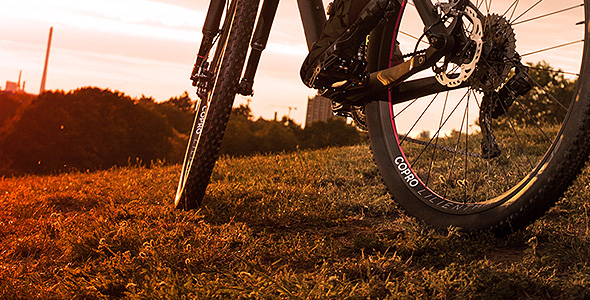
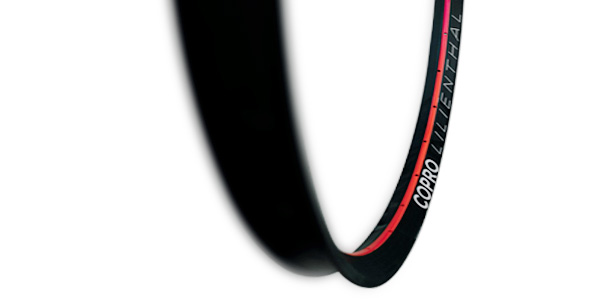
COPRO Technology GmbH, based in Braunschweig, develops and manufactures solutions for lightweight fiber composite construction. Building on experience from the aerospace sector, the company transfers its expertise to areas of mobility such as aerospace, automotive, two-wheelers, and shipbuilding. The core is the patented COPRO® technology: an automated roll-forming process in which rotating roller pairs with variable rotational speed continuously form dry continuous fiber material into preform profiles for the RTM process and other injection and infusion methods. Open and closed profiles with variable width, curvature, and cross-section are possible, for example stringers, frames, and spars for aerospace, sills and beams for the automotive sector, and rims for the two-wheeler sector. Multiple layers can be processed simultaneously; reinforcement layers, patches, and glass, aramid, or carbon fiber semi-finished products for hybrid applications as well as metal tapes can be integrated in-line. Automated sensor technology monitors material flow, temperature, and fiber angle. In addition to the profile business, the company manufactures carbon bicycle rims (product Lilienthal) and offers engineering services for optimizing composite manufacturing processes. The production facility in Braunschweig is publicly funded; the DLR (German Aerospace Center) is named as a partner for research and development.
- Site
- Braunschweig
- Processes
- Roll forming / roll-forming process for fiber composite profiles (patented COPRO® technology,, Manufacturing of preform profiles for the RTM process and other injection/infusion methods, Automated preforming process with in-line integration of reinforcement layers and patches, Manufacturing of carbon rims (29" All Mountain rim, RTM/injection with continuous fiber), Process optimization / engineering for composite manufacturing processes (design and engineering of, Development of customized solutions for lightweight fiber composite construction, Patented manufacturing process for preform profiles (RTM/injection processes), Automated roll-forming process for composite profiles
- Materials
- Carbon fiber (continuous fiber material), Carbon non-crimp fabric (NCF), Glass fiber semi-finished products, Aramid fiber semi-finished products, Metal tapes (for hybrid applications), Steel (reference comparison CFRP vs. steel), Aluminium (reference comparison, tooling replaced), Carbon non-crimp fabric (NCF material)
- Certificates
- Sensor-based process monitoring (fiber angle, temperature, edge detection)
- Industries
- Aerospace, Automotive, Two-wheeler/Bicycle, Shipbuilding, Sports
- 01
Engineering and design of fiber composite components
- 02
Roll-form preforming (COPRO® technology)
- 03
In-line integration of reinforcement layers and hybrid materials
- 04
RTM/injection processing
- 05
Manufacturing of carbon rims (end product)
Materials and processes
Carbon fiber (continuous fiber material)
Dry continuous fiber material leads to higher strength and improved load distribution along the load path.
Carbon non-crimp fabric (NCF material)
Used in the RTM process chain for carbon fiber-reinforced plastic components, including the Lilienthal rim.
Glass fiber semi-finished products
Can be processed simultaneously with carbon for hybrid applications.
Aramid fiber semi-finished products
Enables hybrid structures with defined properties.
Metal tapes
Can be processed in-line for hybrid applications.
Locations
Braunschweig
DEHeadquarters and production facility (composite profiles, carbon rims)
- Materials
- Carbon, glass fiber, aramid, metal tapes, NCF
- Roll-forming machine for fiber composite profiles (COPRO® technology)
- Optical sensors for edge detection
- Contactless temperature sensors
- Fiber angle sensor
Components
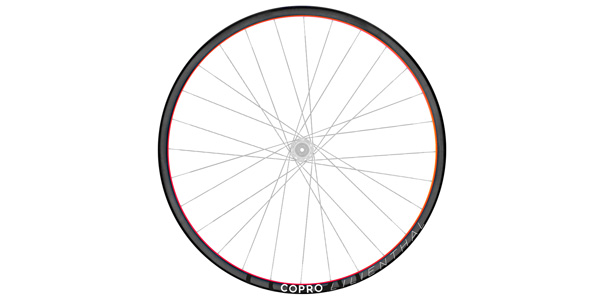
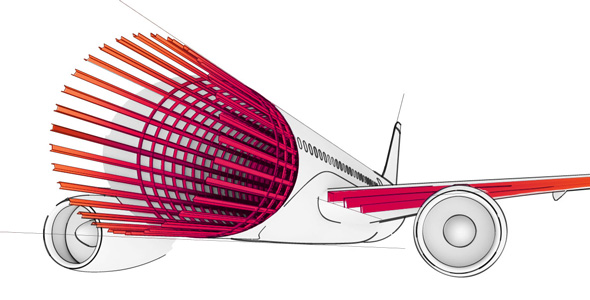
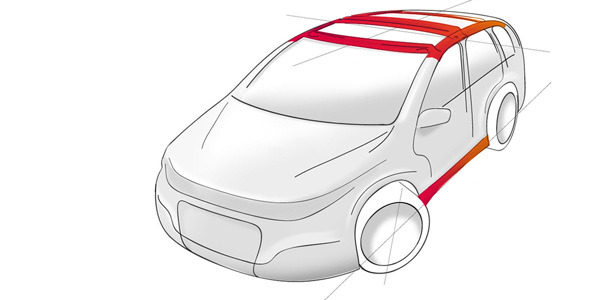
Inside the production
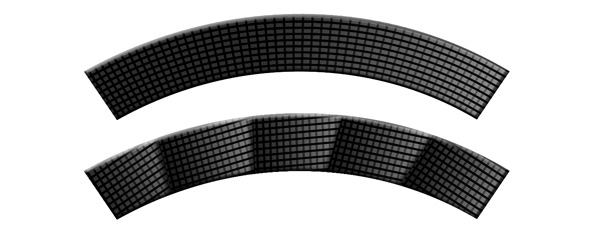
Industries
Processes & technical limits
| Processes | Tolerance | Max. part | Weight | Lot size | Materials |
|---|---|---|---|---|---|
| Roll forming / roll-forming process for fiber composite profiles (patented COPRO® technology,Forming | – | – | – | – | Carbon (carbon fiber), Glass fiber, Aramid fiber, Metal tapes, Non-crimp fabric (NCF) |
| Manufacturing of preform profiles for the RTM process and other injection/infusion methodsPlastics | – | – | – | – | Carbon non-crimp fabric, dry continuous fiber material |
| Automated preforming process with in-line integration of reinforcement layers and patchesPlastics | – | – | – | – | Carbon, Glass fiber, Aramid |
| Manufacturing of carbon rims (29" All Mountain rim, RTM/injection with continuous fiber)Plastics | – | – | – | – | Carbon non-crimp fabric |
| Process optimization / engineering for composite manufacturing processes (design and engineering ofEngineering | – | – | – | – | Fiber composite materials |
3 Anlagen & Maschinen
| Machine | Manufacturer / model | Quantity | Working area | Year built | Site |
|---|---|---|---|---|---|
| Roll-forming machine for fiber composite profiles (rotating roller pairs with variable rotational | COPRO Technology | – | open and closed profiles with variable width, curvature, and cross-section | – | Braunschweig |
| Production facility for bicycle carbon rims | COPRO Technology | – | – | – | Braunschweig |
| Process sensor technology: optical sensors (edge detection), contactless temperature sensors, | – | – | – | – | Braunschweig |
Additional services
Quality
Optical sensors for edge detection ensure precisely controlled material flow, while contactless temperature sensors provide uniform heating. A high-performance fiber angle sensor documents the material orientation of each layer and ensures complete quality control.
| Evidence | Braunschweig |
|---|---|
| Sensor-based process monitoring (fiber angle, temperature, edge detection) |