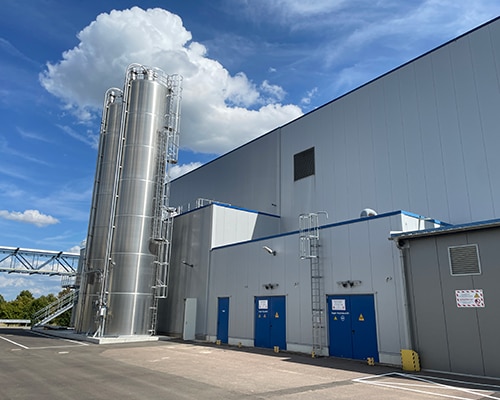
Production of basic chemicals, plastics and cellulose products at integrated chemical sites in central Germany

Dow Olefinverbund GmbH
Schkopau · Böhlen · Leuna · Teutschenthal · BitterfeldNew on Amplifa
Dow in Central Germany
Dow Olefinverbund GmbH is Dow's largest business unit in Germany and produces at the Schkopau, Böhlen, Leuna and Teutschenthal sites (Saxony-Anhalt and Saxony) as well as in the Bitterfeld Industrial Park. In Böhlen, basic chemicals such as ethylene and propylene are produced in a cracker based on naphtha, which are further processed in Schkopau and Leuna into plastics such as polyethylene, PET and dispersion powder. In Bitterfeld, methylcellulose is produced from the renewable raw material cellulose in three plants. The plants are connected to each other and to the Dow site in Stade and the terminal in Rostock by a pipeline system with a total length of 1,300 km. Since 1998, Dow has operated the ValuePark as a chemical park for plastic producers, plastics processing companies and chemical-related service providers. Over 1,500 employees work in central Germany for markets such as packaging, hygiene, construction, paper, water treatment and cosmetics.
- Site
- Schkopau
- Processes
- Production of basic chemicals (ethylene, propylene) by cracking of naphtha, Production of polyethylene (LDPE, LLDPE), Production of PET (LIGHTER polyethylene terephthalate), Production of PVC precursors (chlorine, EDC, VCM), Production of methylcellulose (3 plants, renewable raw material cellulose), Production of aniline, Production of dispersion powder (DLP), Chlor-alkali electrolysis (chlorine, caustic soda, hydrogen)
- Materials
- Polyethylene, Polyethylene terephthalate (PET), Polyvinyl chloride (PVC), Methylcellulose, Dispersion powder, Styrene-butadiene rubber, Polypropylene, Extruded polystyrene
- Certificates
- DIN ISO 14001, DIN EN ISO/IEC 17025:2018 (accreditation Analytical Operation testing, ISO 14001, DIN EN ISO/IEC 17025:2018 (DAkkS, D-PL-21084-01-00)
- Employees
- over 1500
- Industries
- Packaging, Hygiene, Construction industry, Paper production, Textiles (viscose), Water treatment
- 01
Cracking of naphtha into ethylene and propylene (Böhlen)
- 02
Pipeline transport of the basic materials
- 03
Further processing into plastics and intermediates (Schkopau, Leuna)
- 04
Processing of cellulose into methylcellulose (Bitterfeld)
- 05
Brine and storage operations in caverns (Teutschenthal)
- 06
Logistics and filling including ValuePark service providers
Products, Raw Materials and Processes
Polyethylene (DOWLEX)
Used in cable insulation, packaging, films and piping systems.
Polyethylene terephthalate (LIGHTER PET)
For beverage bottles and packaging for cosmetics, household chemicals and food.
Chlorine, EDC, VCM
Intermediates for the production of PVC for windows, pipes, rigid films and technical coatings.
Methylcellulose
Thickening and binding agent mainly for dry mortars, spray plasters and tile adhesives in the construction industry.
Dispersion powder
For tile adhesives, mortars, adhesives and exterior coatings.
Caustic soda
For paper production, viscose fibre production, water treatment and cleaning agents.
Hydrochloric acid
For water treatment and metal processing.
Aniline
Starting material for construction foams, seat cushions, mattresses, insulation and shoe soles.
Steam cracking (cracker, Böhlen)
Production of ethylene and propylene based on naphtha.
Chlor-alkali electrolysis
Production of chlorine, caustic soda and hydrogen as basic materials for chlorine-based production.
Sites
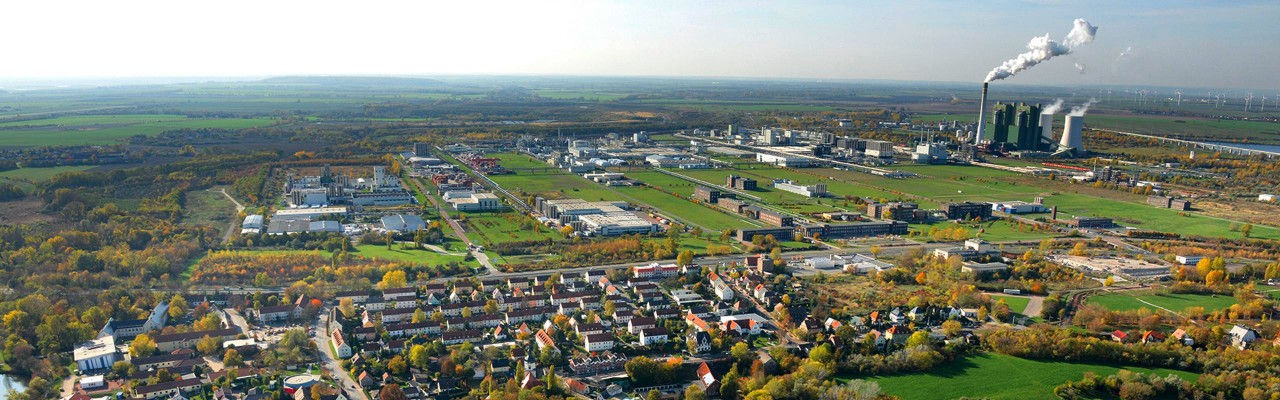
Schkopau
DEProduction plant and ValuePark
- Materials
- Polyethylene, PET, dispersion powder, chlorine, EDC, VCM, caustic soda, hydrochloric acid
- Polyethylene plant (foundation stone laid 1996)
Böhlen
DEProduction plant (cracker) and ValuePark
- Materials
- Ethylene, propylene, aniline
- Naphtha cracker (modernised 1997)
Leuna
DEProduction plant
- Materials
- Polyethylene
Teutschenthal
DEBrine and storage field (caverns)
- Materials
- Brine
Bitterfeld
DEProduction plant (methylcellulose/cellulose products)
- Materials
- Methylcellulose
- 3 methylcellulose plants
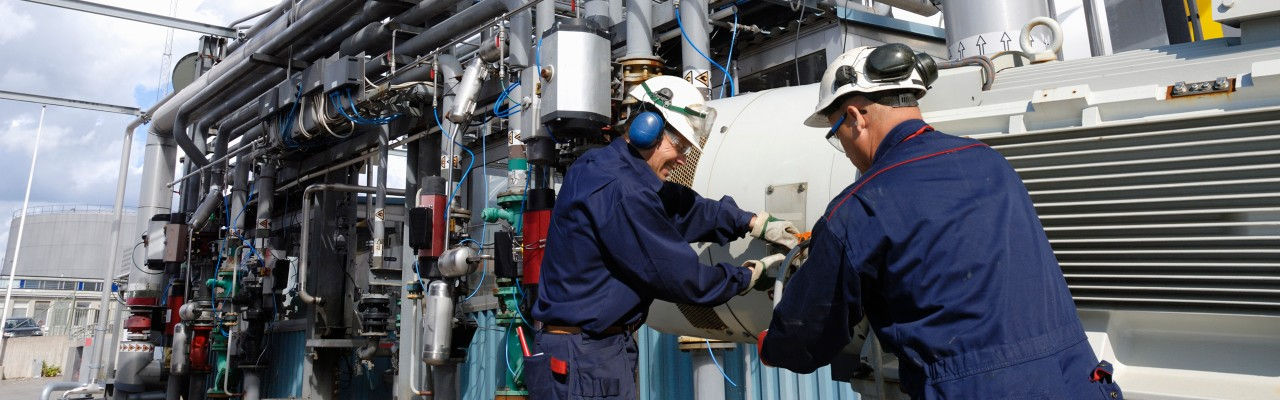
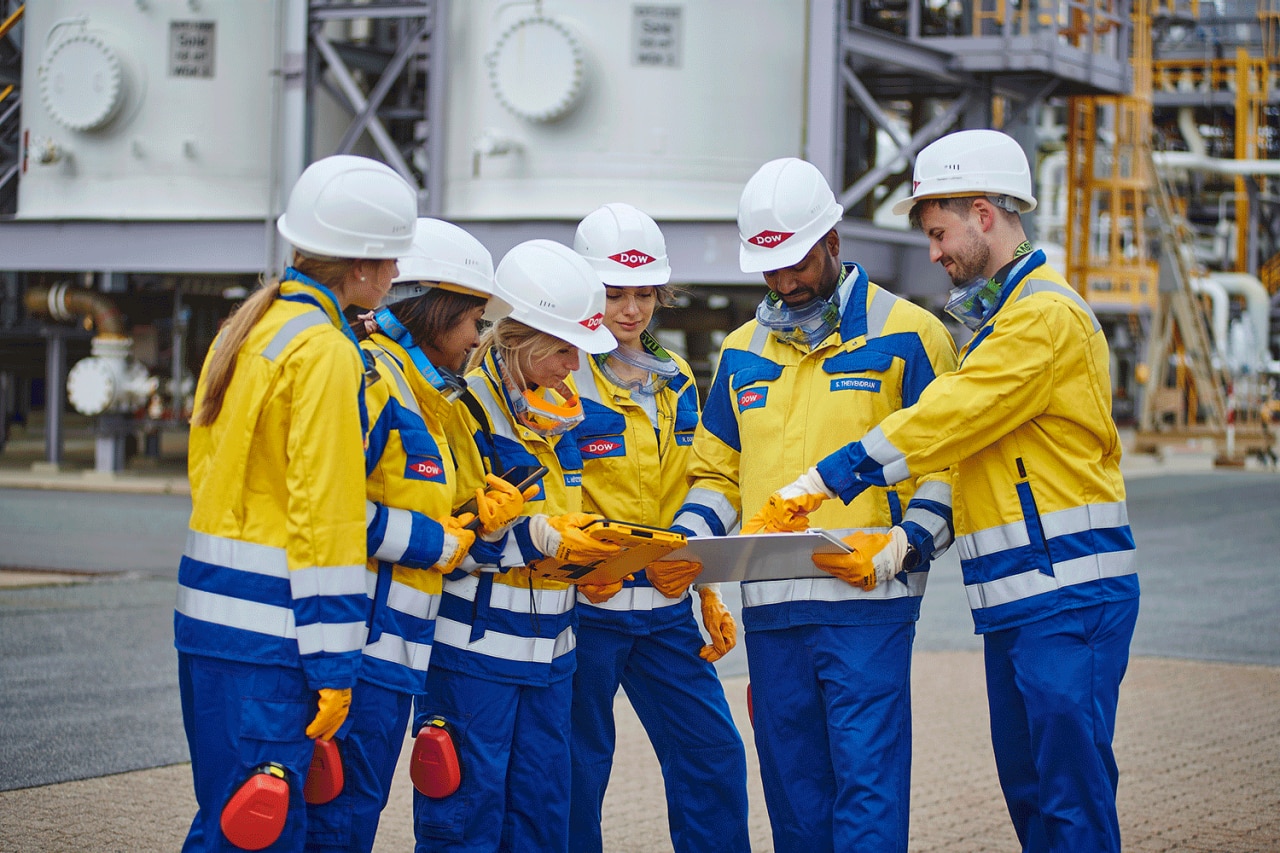
Inside the production
Industries
Processes & technical limits
| Processes | Tolerance | Max. part | Weight | Lot size | Materials |
|---|---|---|---|---|---|
| Production of basic chemicals (ethylene, propylene) by cracking of naphthaPlastics | – | – | – | – | Ethylene, Propylene |
| Production of polyethylene (LDPE, LLDPE)Plastics | – | – | – | – | Polyethylene, DOWLEX linear low-density PE (LLDPE) |
| Production of PET (LIGHTER polyethylene terephthalate)Plastics | – | – | – | – | PET |
| Production of PVC precursors (chlorine, EDC, VCM)Plastics | – | – | – | – | Chlorine, EDC (dichloroethane), VCM (vinyl chloride monomer), PVC |
| Production of methylcellulose (3 plants, renewable raw material cellulose)Plastics | – | – | – | – | Cellulose, Methylcellulose |
| Production of anilineOther | – | – | – | – | Aniline |
| Production of dispersion powder (DLP)Plastics | – | – | – | – | Dispersion powder |
| Chlor-alkali electrolysis (chlorine, caustic soda, hydrogen)Other | – | – | – | – | Chlorine, Caustic soda, Hydrogen |
| Production of propylene oxide, propylene glycol, MDI, DowanolOther | – | – | – | – | Propylene oxide, Propylene glycol, MDI, Dowanol |
| Production of silicone applications with research and laboratory facilitiesPlastics | – | – | – | – | Silicones |
| Production of polyurethane systems and componentsPlastics | – | – | – | – | Polyurethane |
| Mechanical-technological testing of plastics (flexural properties, Charpy impact strength)Testing | – | – | – | – | Plastics |
| Rheological testing of plastics (MFR/MVR, DIN EN ISO 1133-1)Testing | – | – | – | – | Thermoplastics |
| Colour determination on plastic pellets (ASTM D6290)Testing | – | – | – | – | Plastics |
| Solution mining/salt extraction in caverns (Europe's largest solution mining operation, 12 caverns)Other | – | – | Rock salt ~3.6 million tonnes/year | – | Rock salt, Brine |
8 Anlagen & Maschinen
| Machine | Manufacturer / model | Quantity | Working area | Year built | Site |
|---|---|---|---|---|---|
| Cracker (naphtha cracking plant) | Dow | – | – | modernisie | Böhlen |
| Polyethylene plant | Dow | – | – | 1996 | Schkopau |
| Methylcellulose plant | Dow | 3 | – | – | Bitterfeld |
| Chlor-alkali electrolysis plant | Dow | – | – | – | Stade |
| Production plants (10 plants) | Dow | 10 | approx. 550 hectares of plant grounds | – | Stade |
| Silicone production plant with research and laboratory facilities | Dow Silicones Deutschland GmbH | – | – | 1983 | Wiesbaden |
| Pipeline network | Dow | 1 | Total length 1,300 km | – | Schkopau, Böhlen, Leuna, Teutschenthal, Stade, Rostock |
| Solution mining caverns (salt extraction) | Dow | 12 | Max. 2 km borehole depth, largest cavern approx. 5 million m³ | – | Ohrensen |
Additional services
Reference customers
Quality and Environmental Management
The environmental management system of Dow Olefinverbund GmbH has been certified to DIN ISO 14001 since 2007. The plastics testing laboratory (Analytical Operation) is accredited by DAkkS to DIN EN ISO/IEC 17025:2018 (D-PL-21084-01-00), among other things for mechanical-technological and rheological tests on plastics.
| Evidence | Schkopau |
|---|---|
| ISO 14001 | |
| DIN EN ISO/IEC 17025:2018 (DAkkS, D-PL-21084-01-00) |
History
- 1995
Dow acquires the central German Olefinverbund with plants in Böhlen, Schkopau, Leuna and caverns in Teutschenthal; start of the largest restructuring programme in the chemical industry
- 1996
Foundation stone laid for new polyethylene plant in Schkopau
- 1997
Modernisation of the cracker in Böhlen completed; new feedstock pipeline from Rostock to Böhlen; sponsorship of the student laboratory "Chemie zum Anfassen" at Merseburg University of Applied Sciences
- 1998
Opening of the ValuePark in Schkopau and Böhlen
- 2003
Central German sites operate as Dow Olefinverbund GmbH – Dow's largest business unit in Germany
- 2007
Environmental management system certified to DIN ISO 14001; presence in the Bitterfeld Industrial Park; acquisition of Wolff Walsrode AG
- 2026
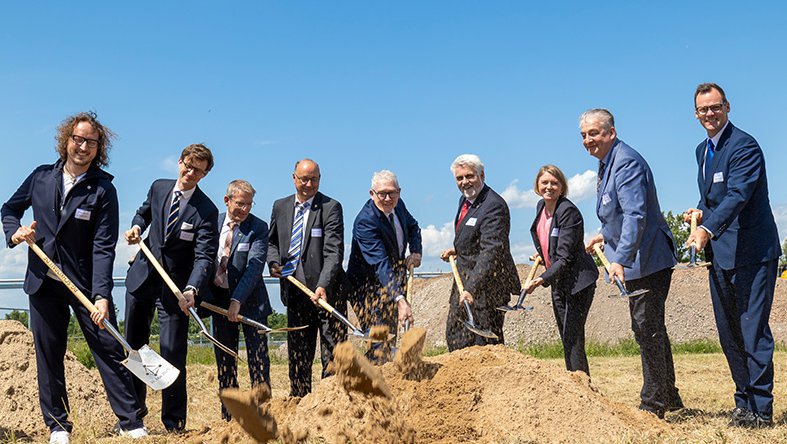
Groundbreaking ceremony in the Schkopau ValuePark: phosphorus recovery using the Ash2Phos process