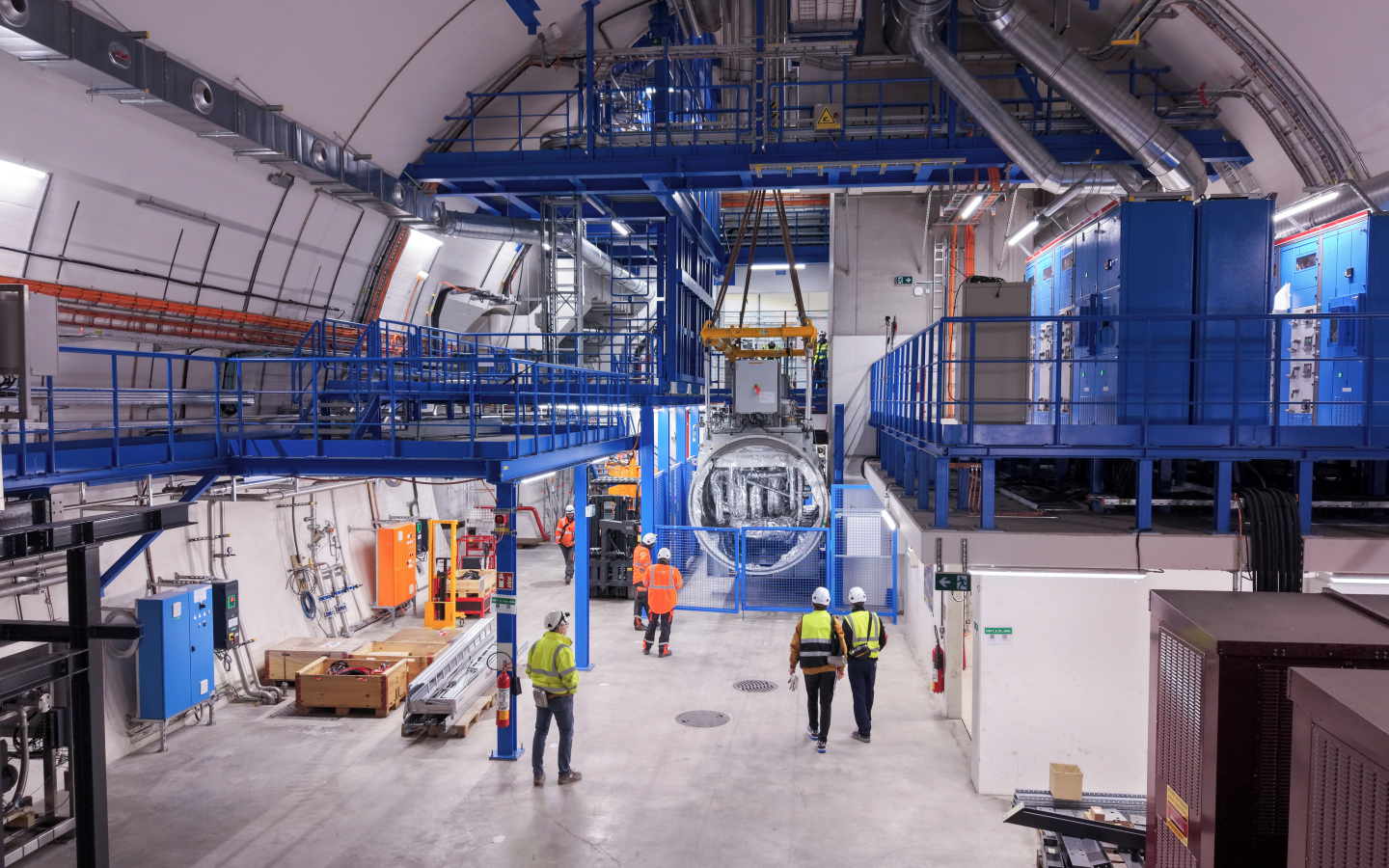
European research laboratory for particle physics with accelerator facilities and the CERN-MEDICIS radioisotope facility

Europäisches Forschungszentrum für Teilchenphysik (CERN)
Geneva/Meyrin, SwitzerlandNew on Amplifa
About CERN
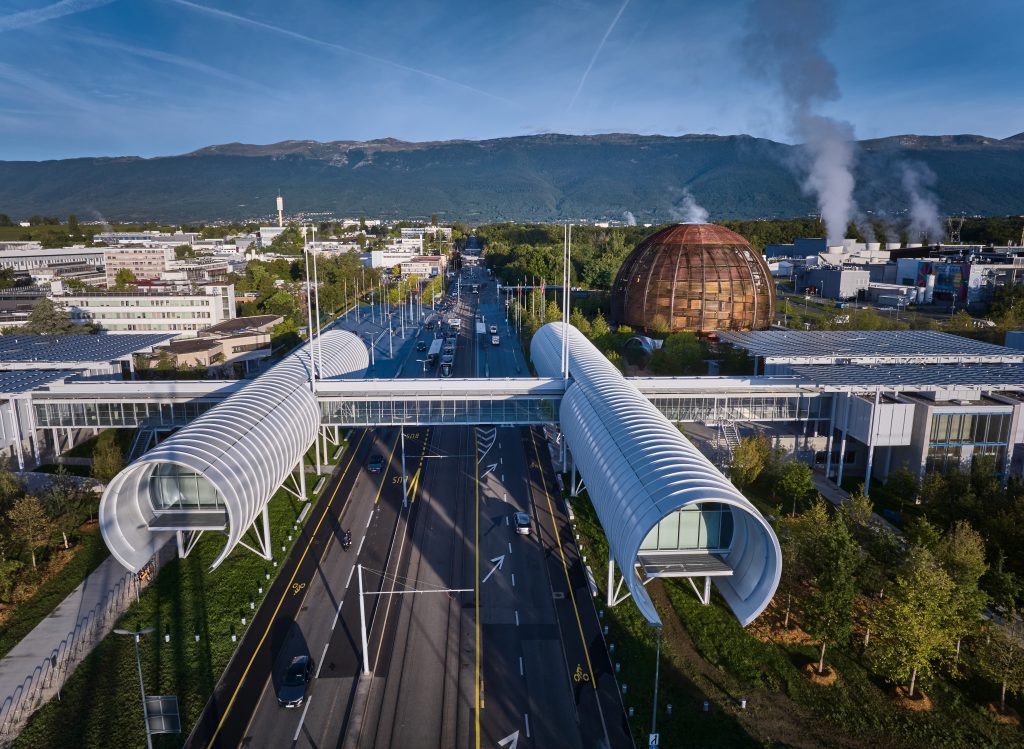
CERN is the European Laboratory for Particle Physics. Scientists from all over the world use CERN's unique facilities to explore how the universe works, while pushing the boundaries of technology for the benefit of society. The laboratory is home to the Large Hadron Collider (LHC) with a circumference of 27 km; the facility is currently being upgraded during Long Shutdown 3 to become the High-Luminosity LHC (HiLumi LHC), which is intended to increase the number of particle collisions by a factor of ten. In addition to fundamental research, CERN operates CERN-MEDICIS (Medical Isotopes Collected from ISOLDE), a facility for the production of unconventional radioisotopes for medical research, aimed at more precise patient imaging and treatment. The isotopes are distributed to hospitals and research centres in Switzerland and across Europe. Complementing this, CERN is engaged in knowledge and technology transfer as well as training programmes such as the Marie Skłodowska-Curie network MEDICIS-PROMED.
- Site
- Geneva/Meyrin
- Processes
- Production of unconventional radioisotopes for medical research (CERN-MEDICIS), Isotope mass separation (ISOLDE), Knowledge and technology transfer (Knowledge Transfer), Training programmes (Marie Skłodowska-Curie Innovative Training Network MEDICIS-PROMED)
- Materials
- Isotope Mass Separator Online (ISOLDE), CERN-MEDICIS, High-Luminosity LHC
- Industries
- Particle physics, Accelerator technology, Nuclear medicine/Radiopharmaceuticals, Scientific computing, Medical technology (imaging/Hadron therapy)
- 01
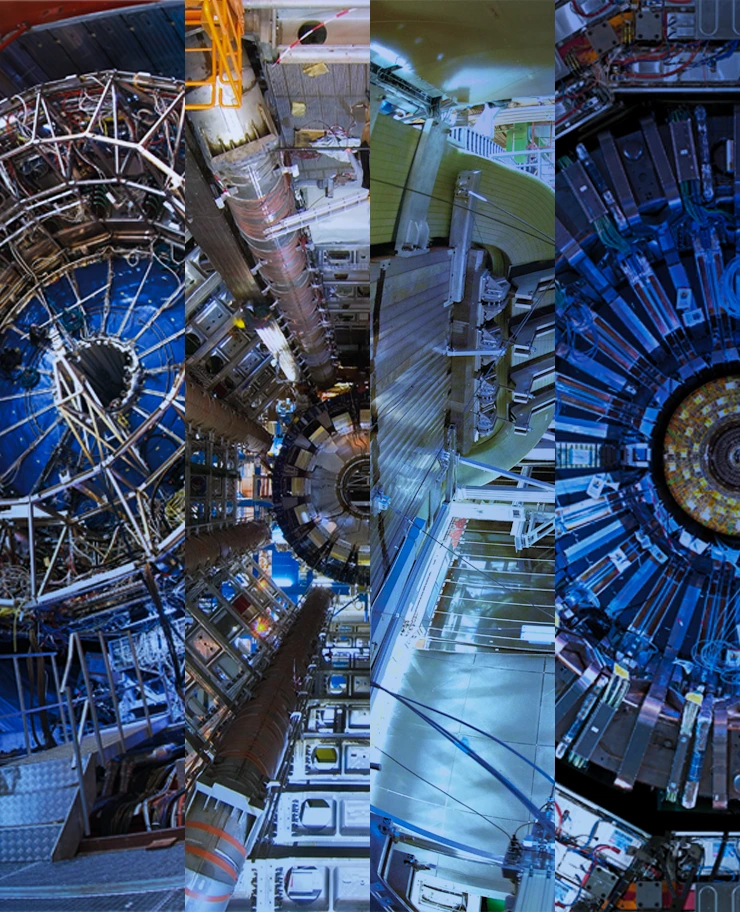
Operation of the accelerator complex (including ISOLDE, SPS, LHC)
- 02
Isotope production at CERN-MEDICIS
- 03
Isotope mass separation (ISOLDE)
- 04
Distribution of isotopes to hospitals and research centres
- 05
Knowledge and technology transfer
- 06
Training (MEDICIS-PROMED)
Processes and Technologies
Isotope Mass Separator Online (ISOLDE)
Facility for isotope mass separation, operated for 50 years, which drives CERN-MEDICIS.
CERN-MEDICIS
Produces unconventional radioisotopes with properties to improve patient imaging and treatment.
High-Luminosity LHC
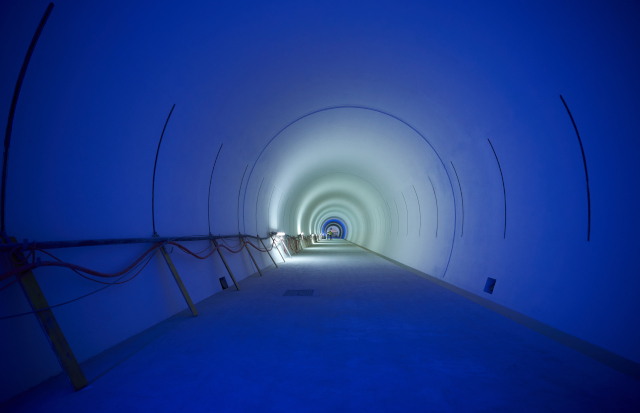
Upgrade of the LHC to increase luminosity by a factor of ten for more precise physics after 2030.
Locations
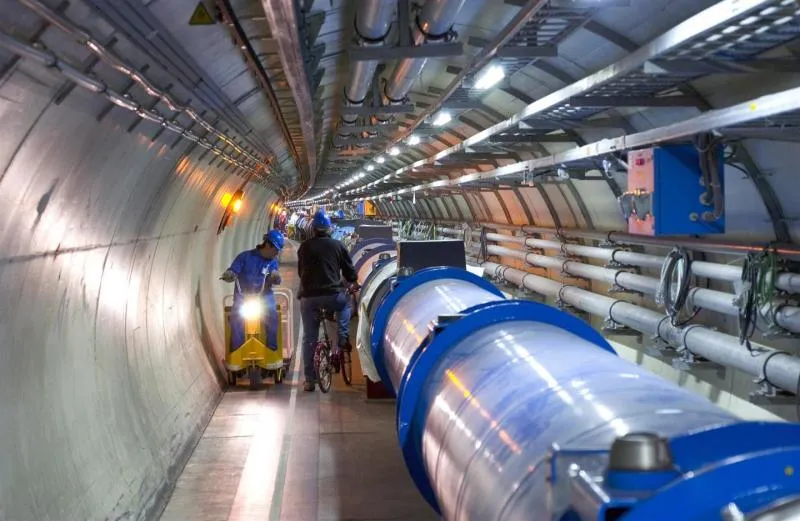
CERN-MEDICIS (Geneva/Meyrin)
CHRadioisotope production for medical research
- Materials
- Radioisotopes (including 11C, 169Erbium, Terbium)
- ISOLDE isotope mass separator
- Accelerator complex
Facilities and Components
Inside the production
Industries
Additional services
Reference customers
History
- 1983
Discovery of the W and Z bosons
- 1989
Tim Berners-Lee invents the World Wide Web at CERN
- 2008
Commissioning of the Large Hadron Collider (27 km)
- 2012
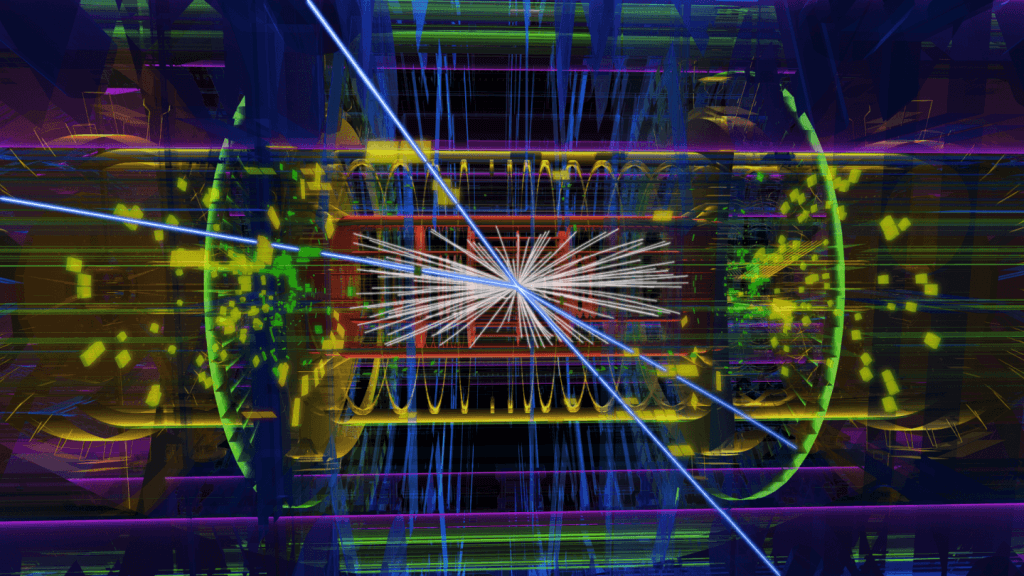
Discovery of the Higgs boson by ATLAS and CMS
- 2015
Start of the EU project MEDICIS-PROMED (duration until 31.12.2018, EU funding €2.8m; CERN share €795k; CERN as coordinator)
- 2017
CERN-MEDICIS enters the commissioning phase; first isotope production on 12.12.2017
- 2018
Formal launch of the CERN-MEDICIS collaboration with its first board meeting and signing of the Memorandum of Understanding
- 2026
Long Shutdown 3: conversion of the LHC into the High-Luminosity LHC (HiLumi); the SPS turns 50; letter of intent with Mistral on AI for science