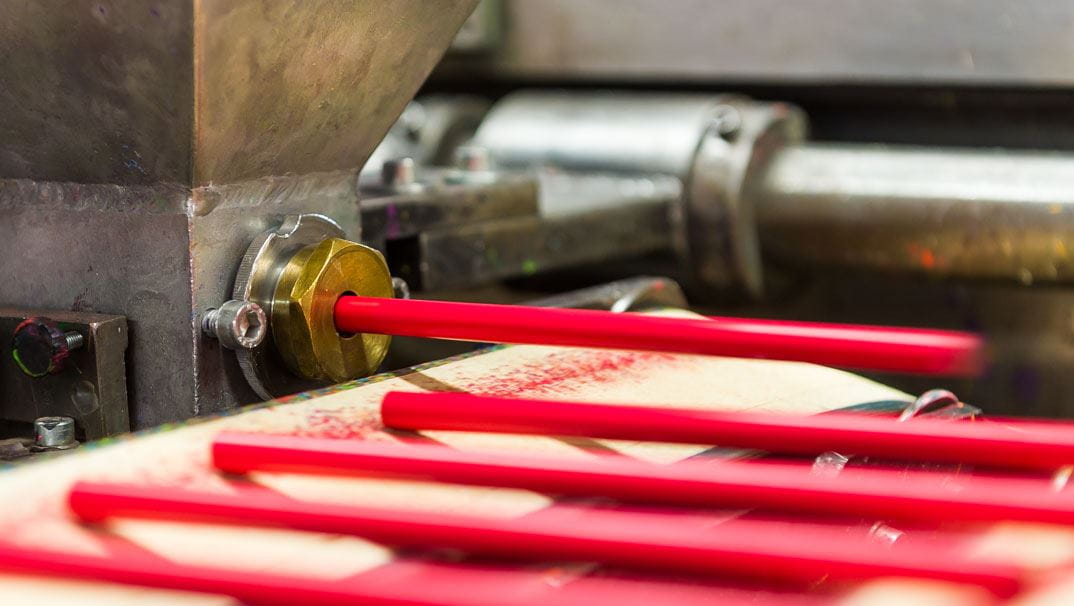
Manufacture of writing, drawing and artist implements – from wood-cased pencils and coloured pencils to fountain pens and markers.
Faber-Castell AG
Stein · GeroldsgrünNew on Amplifa
About Faber-Castell
Faber-Castell AG is a family-owned manufacturer of writing, drawing and artist implements headquartered in Stein near Nuremberg. The product range comprises wood-cased graphite and coloured pencils, fountain pens, fineliners, markers, artist ranges, technical drawing articles as well as luxury writing instruments and leather goods. Pencil production follows a classic process: leads made from a mixture of graphite and clay are fired and glued into grooved wooden slats, bonded, cut into individual pencils, mechanically sharpened, stamped and embossed. The materials used are predominantly FSC- or PEFC-certified wood as well as graphite, clay and partly recycled plastics; at the main plant in Stein almost exclusively water-based lacquer technology is used. With around 6,500 employees, the group produces approximately two billion pencils per year and supplies customers in more than 120 countries, including segments such as office supplies, art supplies and cosmetic pencils.
- Site
- Stein
- Processes
- Pencil production (wood processing, gluing, cutting, mechanical sharpening, stamping/embossing), Lead production (graphite-clay mixture, fired, glued in), Water-based lacquer application (water-based varnish technology), Processing of recycled plastic (recyclates) in products/packaging, Slate board/ruler/slide rule manufacturing (historical, Geroldsgrün site), Customer service, Sales via 22 sales companies worldwide, Manufacture of writing, drawing and artist implements
- Materials
- Wood (cedar wood, FSC-/PEFC-certified), Graphite, Clay, Slate, Plastic (recyclate), Cedar wood (FSC-/PEFC-certified)
- Certificates
- ISO 9001, ISO 14001, FSC Chain of Custody, PEFC Chain of Custody
- Founded
- 1761
- Employees
- ca. 6,500
- Industries
- Writing and drawing implements, Office supplies, Art supplies, Fine writing, Cosmetic pencils (Faber-Castell Cosmetics)
- 01
Wood processing (cutting of the pencil slats)
- 02
Lead production (graphite-clay mixture, firing)
- 03
Gluing of the leads into wooden slats
- 04
Bonding and cutting into individual pencils
- 05
Mechanical sharpening
- 06
Stamping/embossing
- 07
Lacquer application (water-based)
- 08
Assembly and packaging
Materials and Processes
Cedar wood (FSC-/PEFC-certified)
Over 90 percent of the wood comes from certified sustainable forestry and is used for pencil casings.
Graphite
Graphite is mixed with clay, processed into leads and fired.
Clay
Together with graphite, clay determines the hardness grade of the pencil leads.
Slate
Historically used in Geroldsgrün for the production of slate boards and rulers.
Plastic (recyclate)
Recycled plastics from industrial production are used in products and packaging.
Sites
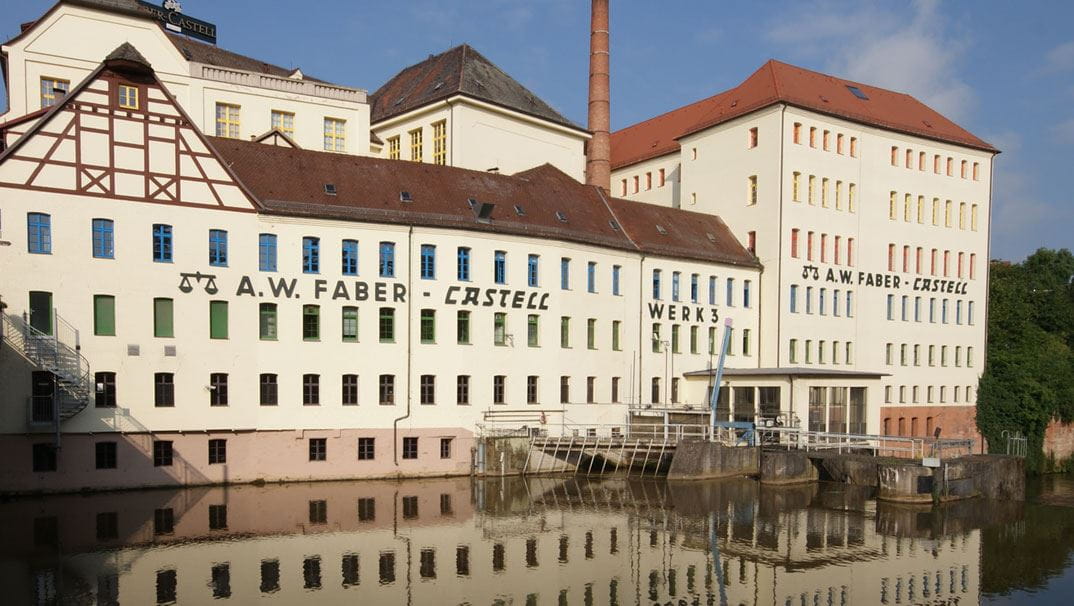
Stein
DEHeadquarters / main factory
- Materials
- Cedar wood (FSC/PEFC), graphite, clay, recycled plastic
- Pencil production: gluing, cutting, mechanical sharpening, stamping/embossing
- Water-based lacquering system (water-based varnish technology)
Components and Products
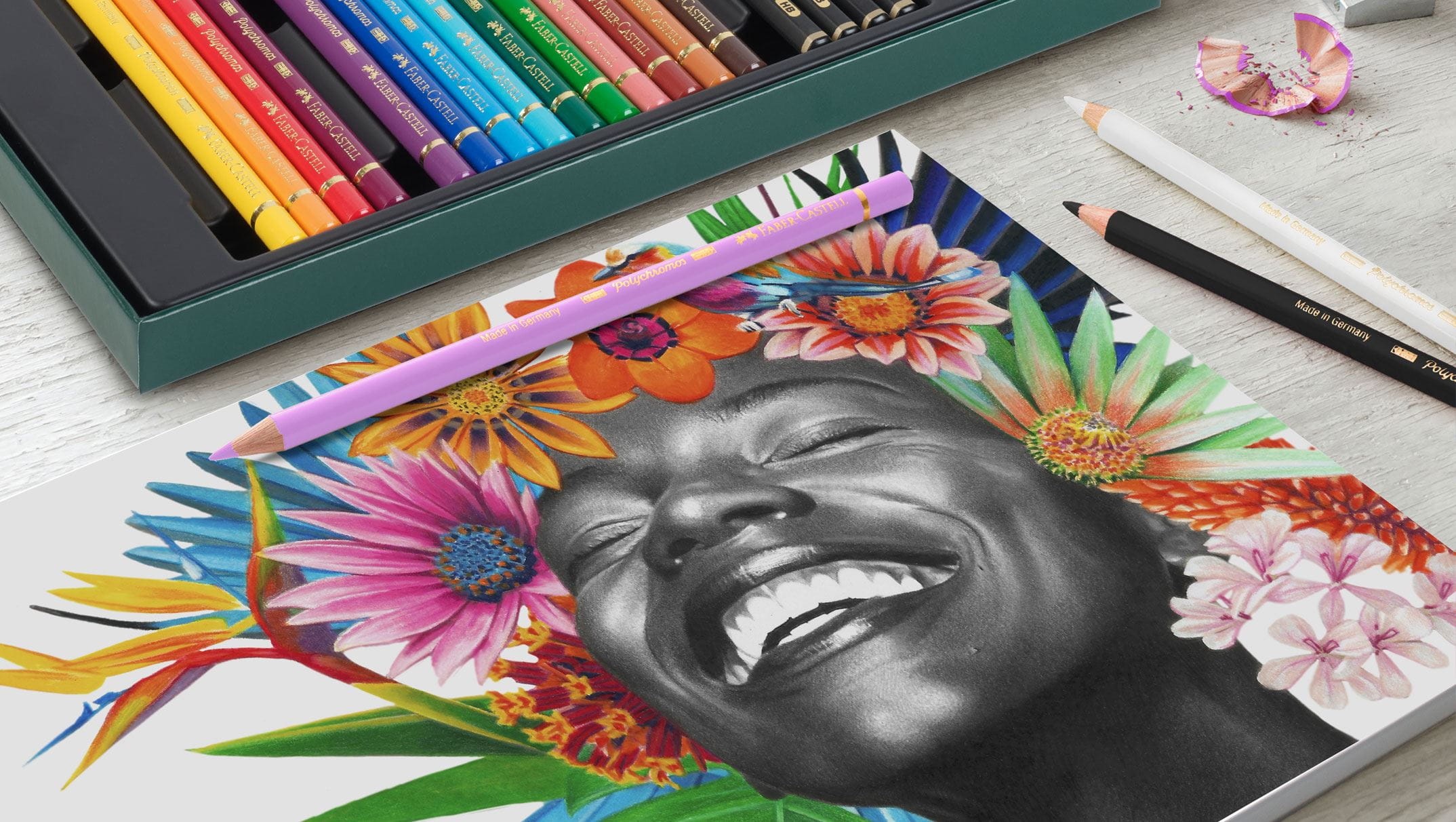
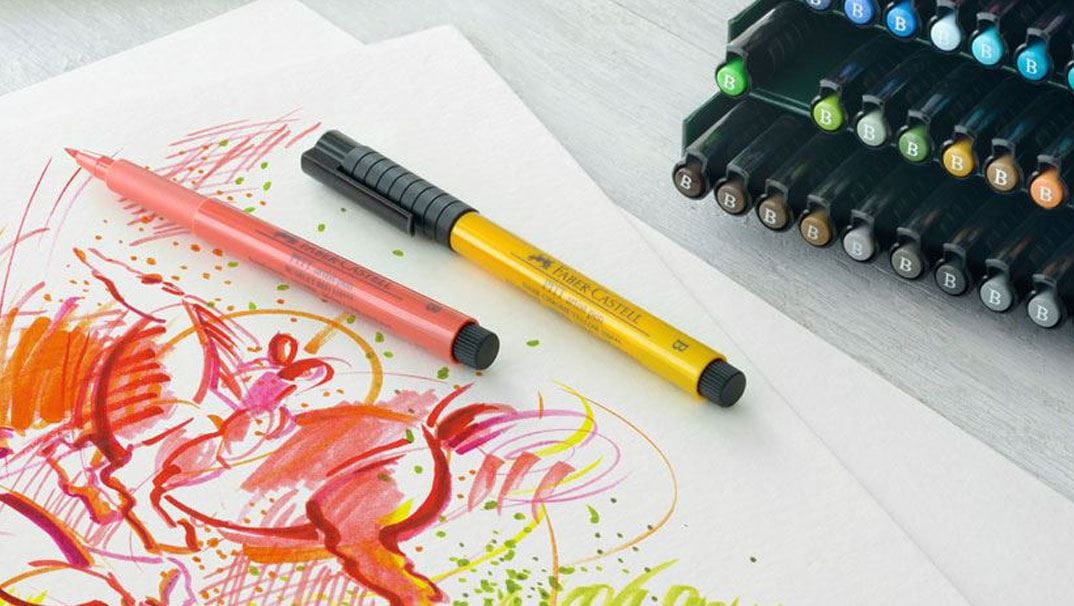
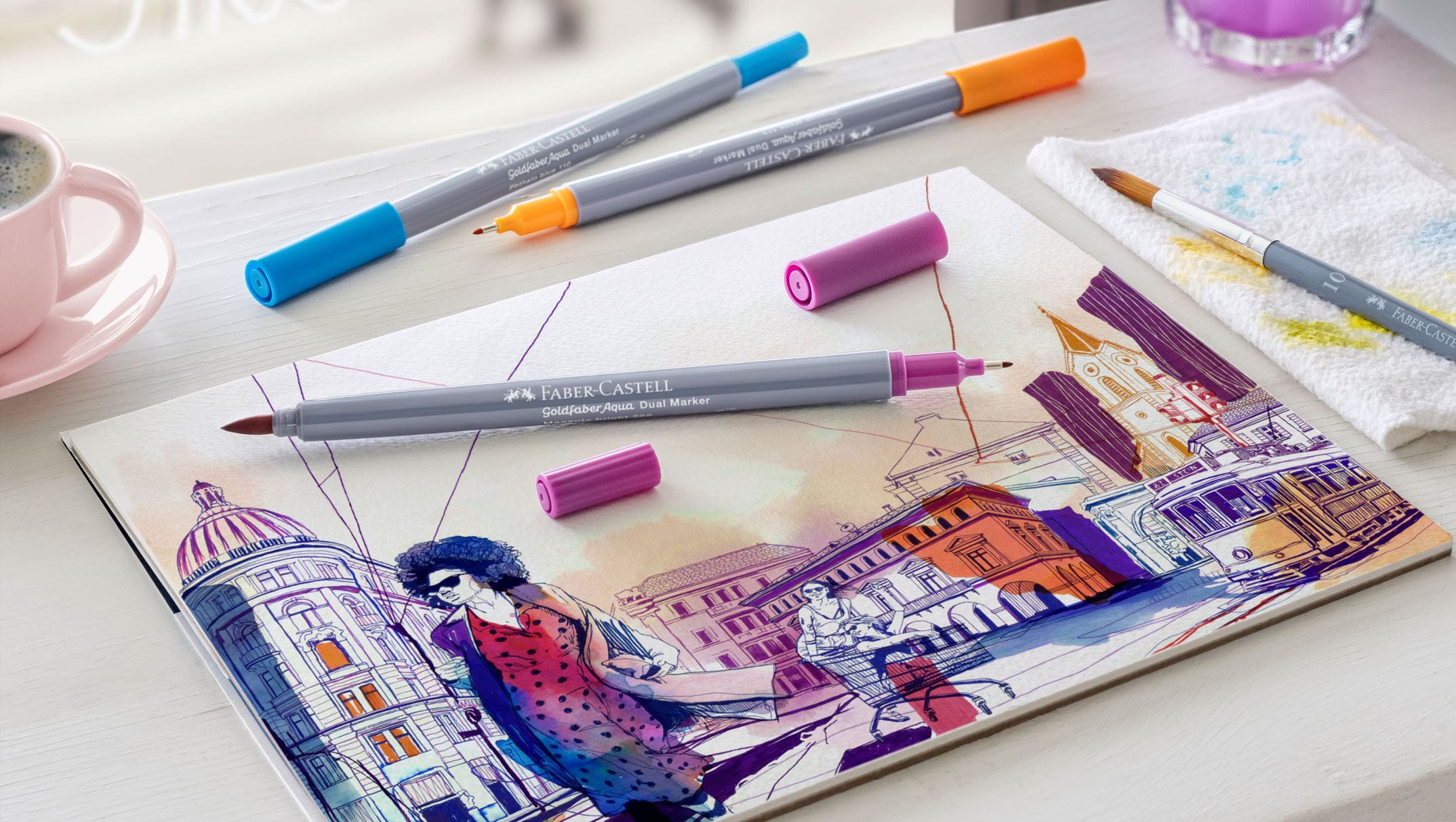
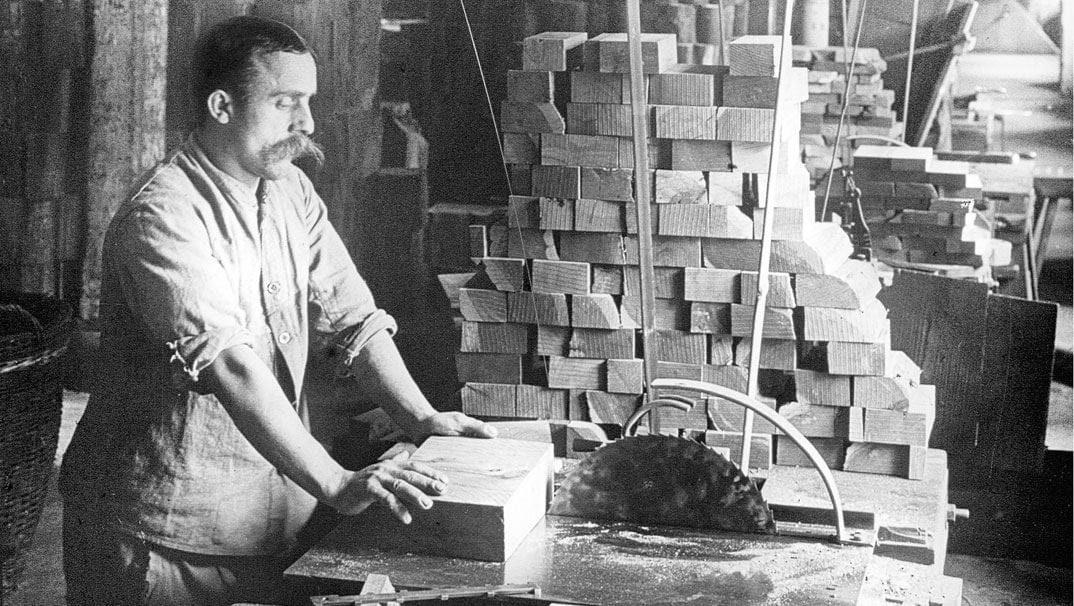
Inside the production
Industries
Processes & technical limits
| Processes | Tolerance | Max. part | Weight | Lot size | Materials |
|---|---|---|---|---|---|
| Pencil production (wood processing, gluing, cutting, mechanical sharpening, stamping/embossing)Assembly | – | – | – | – | Wood (FSC/PEFC-certified), Graphite, Clay |
| Lead production (graphite-clay mixture, fired, glued in)Heat treatment | – | – | – | – | Graphite, Clay, Wood |
| Water-based lacquer application (water-based varnish technology)Surface | – | – | – | – | Wood, Plastic |
| Processing of recycled plastic (recyclates) in products/packagingPlastics | – | – | – | – | Plastic (recyclate), Cardboard |
| Slate board/ruler/slide rule manufacturing (historical, Geroldsgrün site)Forming | – | – | – | – | Slate, Wood |
Additional services
Reference customers
Quality and Certification
All production sites of the group are certified to ISO 9001 and ISO 14001 (certification start 1997, completion 2011, audits per standard 2015). The integrated management system FABIQUS 2.0 (with CAQ system since 2016) controls quality, environment and social matters, complemented by FSC and PEFC Chain-of-Custody certification for seamless traceability of the wood.
| Evidence | Stein |
|---|---|
| ISO 9001 | |
| ISO 14001 | |
| FSC Chain of Custody | |
| PEFC Chain of Custody |
History
- 1761
Founded as A. W. Faber by Kaspar Faber in Stein
- 1839
Lothar von Faber takes over the pencil factory in the fourth generation
- 1844
Establishment of the company health insurance fund for the workforce
- 1849
First German branch in New York
- 1851
Branch in London
- 1855
Branch in Paris
- 1872
Agency in Vienna
- 1874
Agency in St. Petersburg
- 1875
Trademark protection law through Lothar von Faber's initiative
- 1898
Ottilie von Faber marries Alexander Count of Castell-Rüdenhausen – family name Faber-Castell
- 1905
Introduction of the colour green and the Castell brand
- 1908
Introduction of Polychromos coloured pencils
- 1925
Construction of the modern factory complex in Stein by Count Alexander
- 1932
Cooperation with Johann Faber, later complete takeover
- 1942
Renaming to A. W. Faber-Castell
- 1997
Start of ISO 9001/14001 certification
- 2011
ISO certification of all production sites completed
- 2016
FABIQUS 2.0 introduced
- 2019
Opening of Faber-Castell Cosmetics plant in Elgin, USA; ISO certification in May