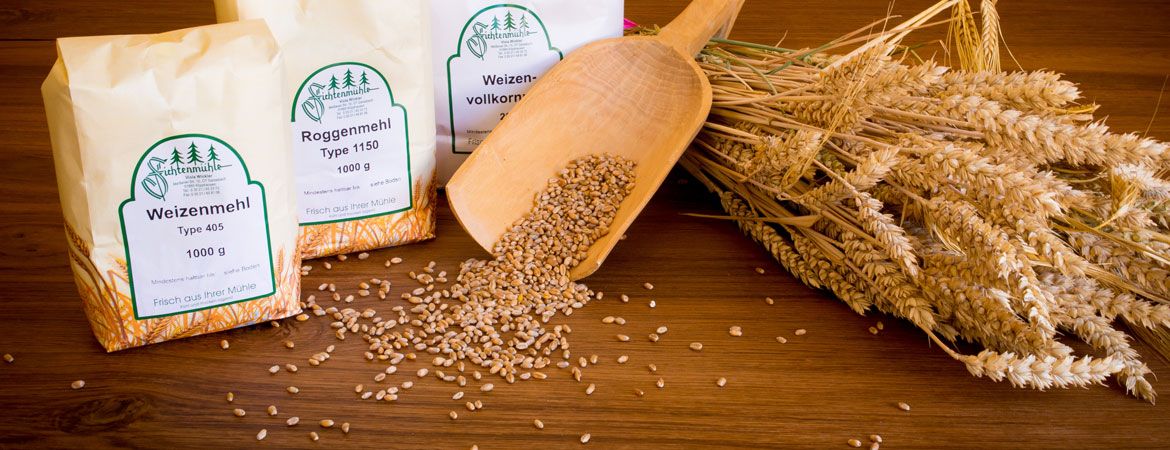
Historic water mill producing wheat, rye and spelt flours as well as grist, semolina and flakes.

Fichtenmühle Garsebach
Klipphausen OT GarsebachNew on Amplifa
About the Fichtenmühle
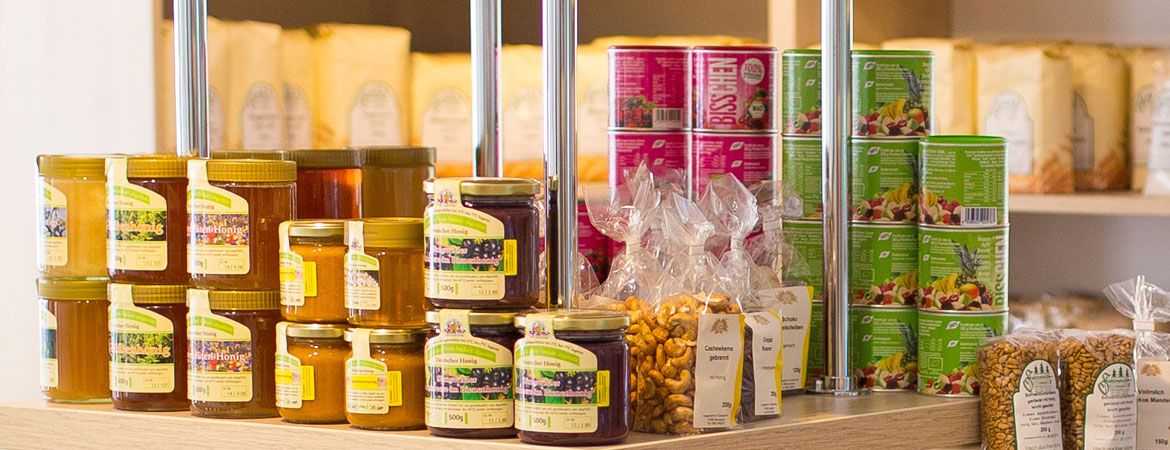
The Fichtenmühle in Klipphausen OT Garsebach near Meißen is a water mill documented since around 1210 and is today run in the fourth generation of the Wenzel/Hupkau/Winkler family. The mill grinds rye and wheat into flours of various types, including wheat flour Type 405, 550, 812 and 1050, rye flour Type 997, 1150 and 1740 as well as wholegrain flours and spelt flour. In addition, cereal grist, kernels, semolina and flakes are produced; historically, the mill also produced barley flakes, rice semolina and corn semolina. The mill is powered by two water turbines of 22 and 45 hp. The products are sold through the mill's own mill shop, an online shop, and delivered to bakeries, restaurants, hotels, bulk buyers and resellers such as farm shops. The offering also includes an animal feed trade, mill tours, bread baking days, cheese platters and events in the miller's parlor.
- Site
- Klipphausen OT Garsebach
- Processes
- Cereal milling (flour production: rye and wheat), Production of barley flakes, Production of rice semolina, Production of corn semolina, Production of cereal grists, kernels, semolina and flakes, Mill tours, Animal feed trade, Mill shop
- Materials
- Wheat, Rye, Spelt, Barley, Corn, Rice, Oats, Durum wheat
- Founded
- 1210 (as
- Industries
- Bakeries, Restaurants and hotels, Bulk buyers, Farm shops and resellers, End consumers, Restaurants
- 01
Cereal intake
- 02
Cleaning
- 03
Milling (water turbine drive)
- 04
Production of flours, grists, kernels, semolina and flakes
- 05
Sales via mill shop, online shop and delivery
Cereals and Products
Wheat
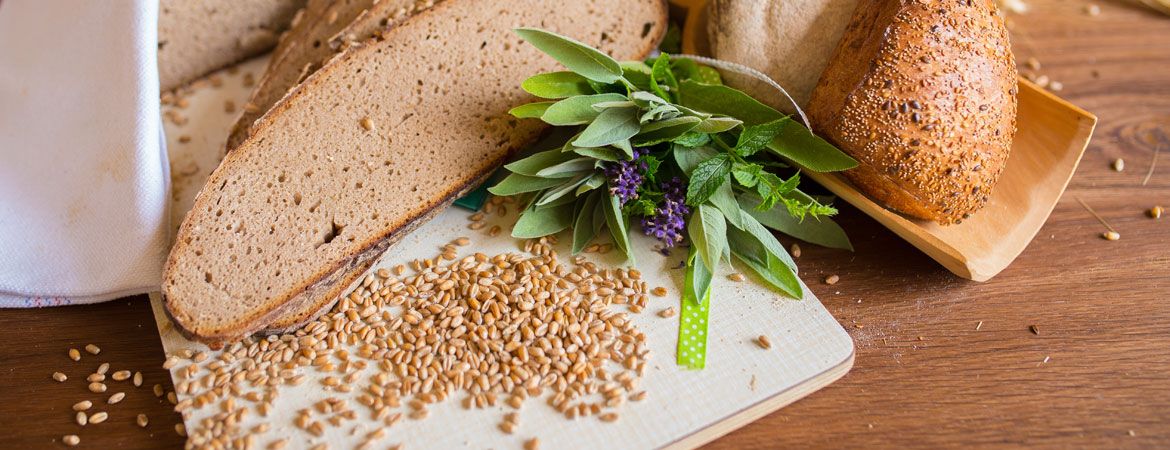
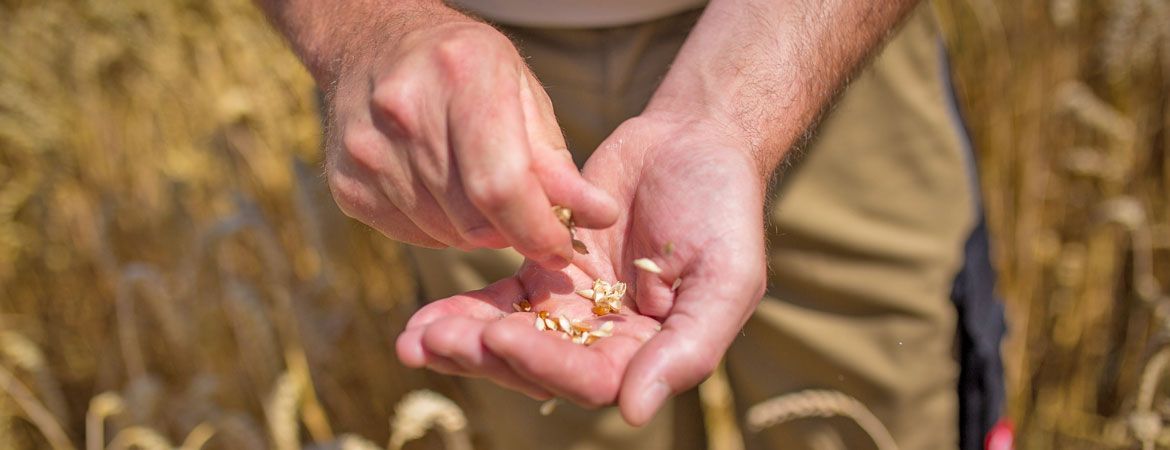
Basis for wheat flours of types 405, 550, 630, 812, 1050, wholegrain wheat flour and stollen flour.
Rye
Milled into rye flour Type 997, Type 1150, Type 1740 and wholegrain rye flour.
Spelt
Processed into versatile spelt flour Type 630.
Barley
Historical basis for the production of barley flakes as brewery grist.
Corn
Processed since 1979 for the production of corn semolina.
Rice
Processed since 1965 for the production of rice semolina.
Oats
In the product range as oat flakes or as an ingredient in breakfast products.
Durum wheat
Basis for pasta or durum wheat semolina in the product range.
Location
Klipphausen OT Garsebach
DEWater mill with production, mill shop, miller's parlor and animal feed trade
- Materials
- Wheat, rye, spelt, barley, corn, rice, oats, durum wheat
- 22-hp water turbine
- 45-hp water turbine
Flours and Cereal Products
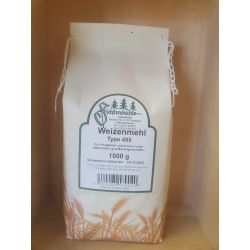
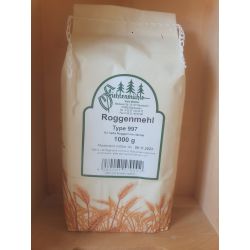
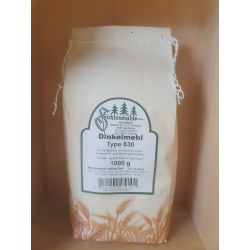
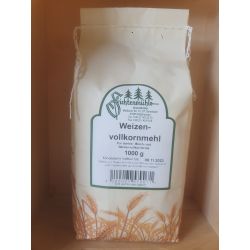
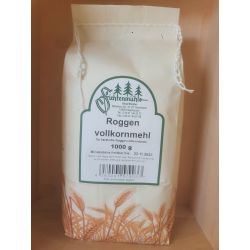
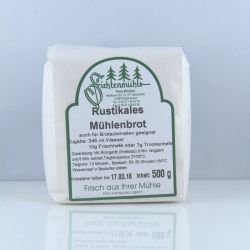
Inside the production
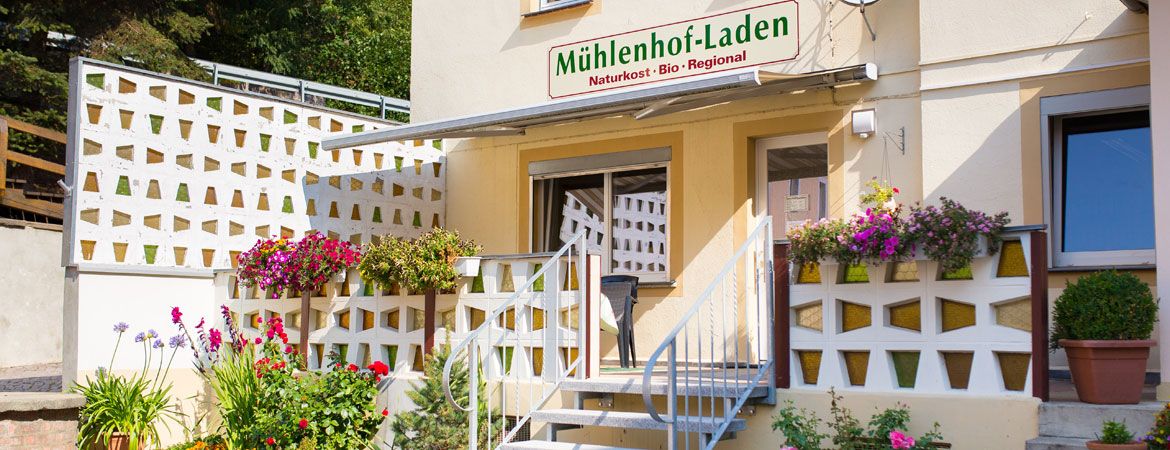



Industries
Processes & technical limits
| Processes | Tolerance | Max. part | Weight | Lot size | Materials |
|---|---|---|---|---|---|
| Cereal milling (flour production: rye and wheat)Other | – | – | – | – | Wheat, Rye |
| Production of barley flakesOther | – | – | – | – | Barley |
| Production of rice semolinaOther | – | – | – | – | Rice |
| Production of corn semolinaOther | – | – | – | – | Corn |
| Production of cereal grists, kernels, semolina and flakesOther | – | – | – | – | Wheat, Rye, Spelt |
1 Anlagen & Maschinen
| Machine | Manufacturer / model | Quantity | Working area | Year built | Site |
|---|---|---|---|---|---|
| Water mill/water turbines (22-hp and 45-hp turbine as mill drive) | – | 2 | – | – | Fichtenmühle Garsebach, Klipphausen OT Garsebach |
Additional services
History
- ca. 1210
The Fichtenmühle operates as a water mill and is one of the two Upper Garsebach estates of the lord of Hirschstein Castle on the Elbe.
- 1890–1923
The mill is owned by the Naumann family; the main building is enlarged and given an additional floor. Later transfer to the Grain Credit Bank Dresden and three further owners.
- 1934
The Friedrich Wenzel family buys the mill from the Dresden Credit Bank; it has been in family ownership ever since.
- 1937
Conversion of the mill; the 22-hp and 45-hp turbines, after overhaul, are used fully as the drive.
- 1961
Specialization in supplying breweries with grist; start of barley flake production.
- 1965
Start of rice semolina production.
- 1969
Master miller Ehrhardt Hupkau, son-in-law of Friedrich Wenzel, takes over the mill.
- 1979
Start of corn semolina production.
- 1990
The Wende and the German beer purity law end the grist production; conversion to milling rye and wheat.
- 1998
Viola Winkler and her husband, master miller Ingolf Winkler, continue running the mill; Ingolf Winkler dies at the end of 2003.
- 2004
Viola and daughter Peggy Winkler continue running the mill; team of two employees and three temporary workers.
- Heute
Viola Winkler runs the mill with flour sales to bakeries, restaurants, hotels and bulk buyers; Peggy Winkler manages the mill shop and delivery to resellers and end consumers.