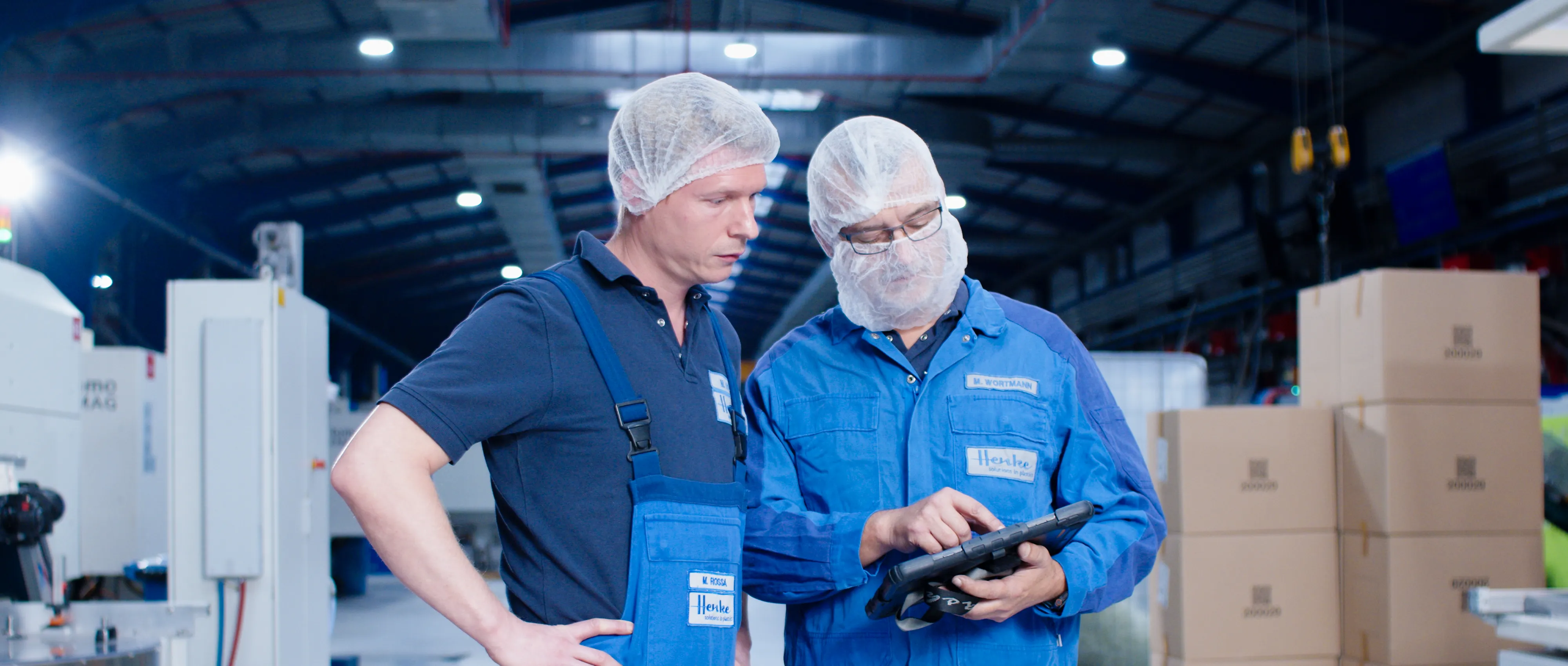
Manufacturing of plastic packaging, closures, lids and injection-moulded parts in Lohne.

Franz Henke GmbH & Co. KG
Lohne (Siekmann Str. 7)New on Amplifa
Plastic processing since 1924
Franz Henke GmbH & Co. KG is a family business founded in 1924, now run by five people in the third generation in Lohne (Oldenburg), specialising in the processing of plastics. Using injection moulding, around 90 employees produce about 1.2 billion plastic articles per year – primarily closures such as screw caps, snap-on lids, push-in lids and twist-off lids, plugs for the coffee industry, shaker canisters, measuring spoons, round packaging containers and plant pots made from recycled plastic. The materials used are polyethylene (PE), polypropylene (PP) and polystyrene (PS), with colours and decorations designed to customer specifications. The range of processes includes in-house toolmaking, the IML decoration process (In-Mould-Labeling), printing, engraving and the application of adhesive labels, through to automated packaging, palletising and case packing. The products go to customers from the food and cosmetics industries, horticulture, the furniture sector as well as non-food applications. Since the FiBa Kunststofftechnik brand joined the Henke organisation, capacity for twist-off closures, cosmetic jars and technical articles has increased.
- Site
- Lohne
- Processes
- Injection moulding (plastic processing, injection-moulded closures and lids), IML (In-Mould-Labeling) decoration process, Manufacture of plastic packaging materials, Application of adhesive labels, Toolmaking (in-house repair and manufacture of injection moulding tools), Automatic packaging/stacking, palletising and case packing, Development of individual packaging concepts (R&D), Toolmaking/design
- Materials
- Polyethylene (PE), Polypropylene (PP), Polystyrene (PS), Recycled plastic, Injection moulding, In-Mould-Labeling, Toolmaking
- Certificates
- DIN EN ISO 50001:2018, FSSC 22000 (Packaging), DIN EN ISO 9001, ISO 9001, FSSC 22000, ISO 50001
- Founded
- 1924
- Employees
- approx. 90
- Industries
- Food industry, Cosmetics industry, Horticulture, Furniture industry, Medical/pharma, Coffee industry
- 01
Development of individual packaging concepts
- 02
Toolmaking/design
- 03
Injection moulding
- 04
IML decoration, printing, engraving
- 05
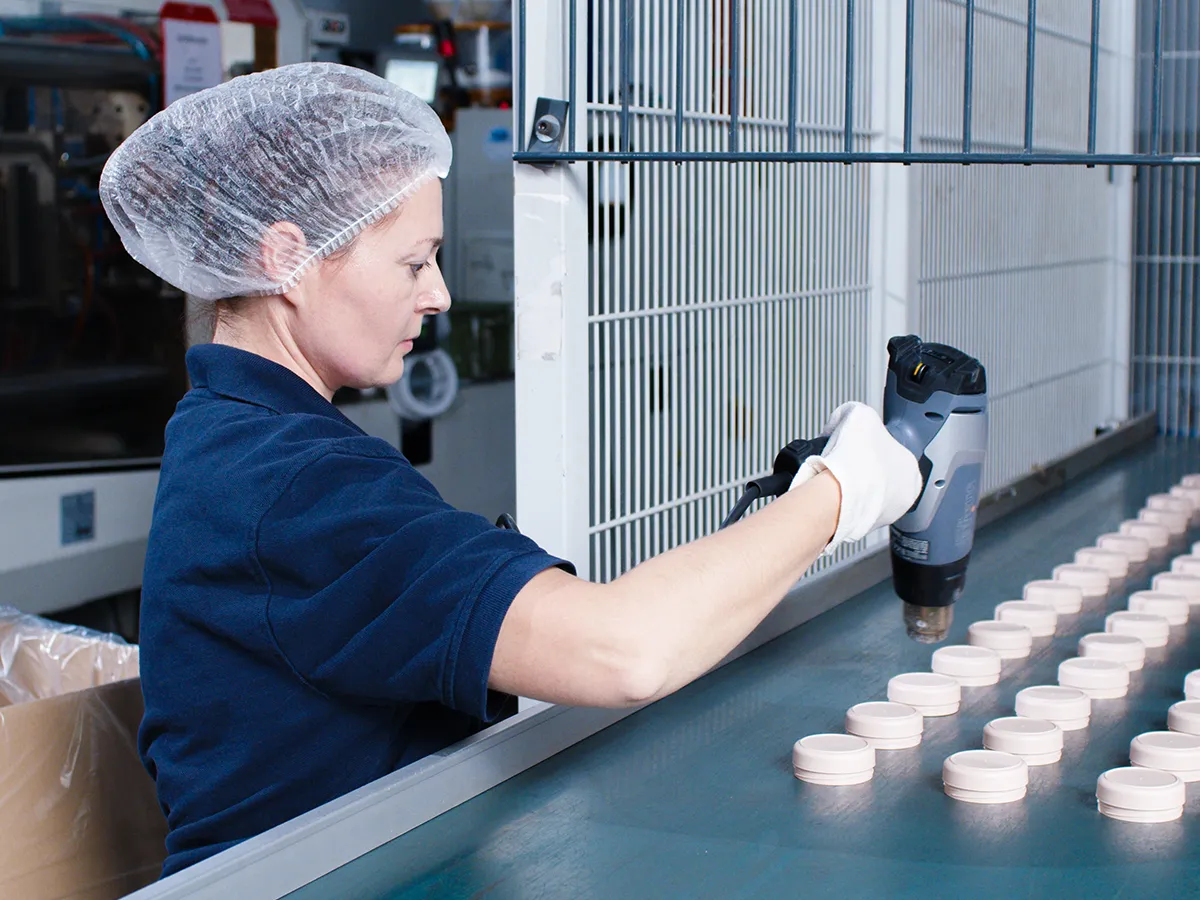
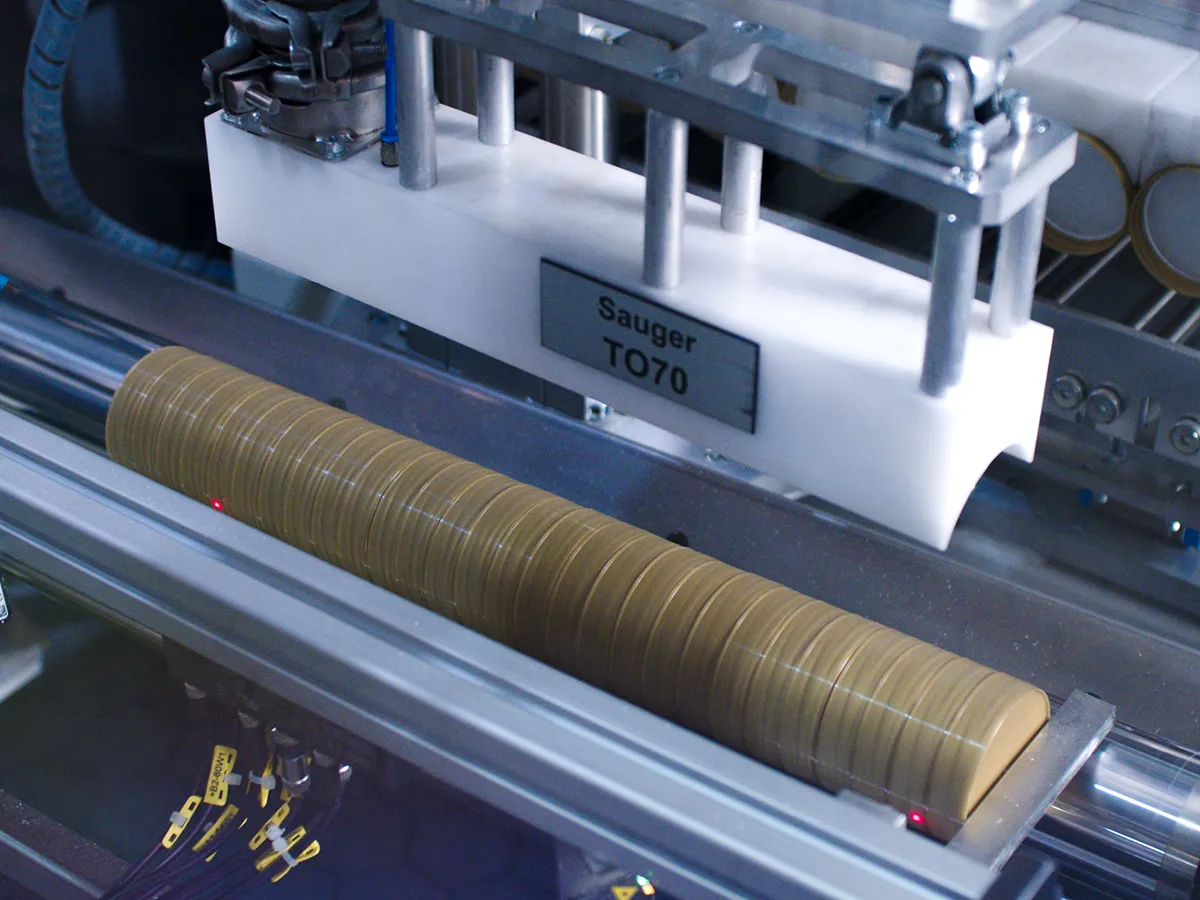
Automated packaging and palletising
- 06
Shipping/logistics
Materials and processes
Polyethylene (PE)
Material for lids, push-in lids, snap-on lids and plugs, e.g. for sealing coffee jars.
Polypropylene (PP)
Material for screw caps, shaker canisters, round packaging containers and closures in various volumes.
Polystyrene (PS)
Material for measuring spoons for dosing powders and liquids in the medical and food sectors.
Recycled plastic
The entire Topfit range of plant pots and horticultural articles is made from recycled plastic.
Injection moulding
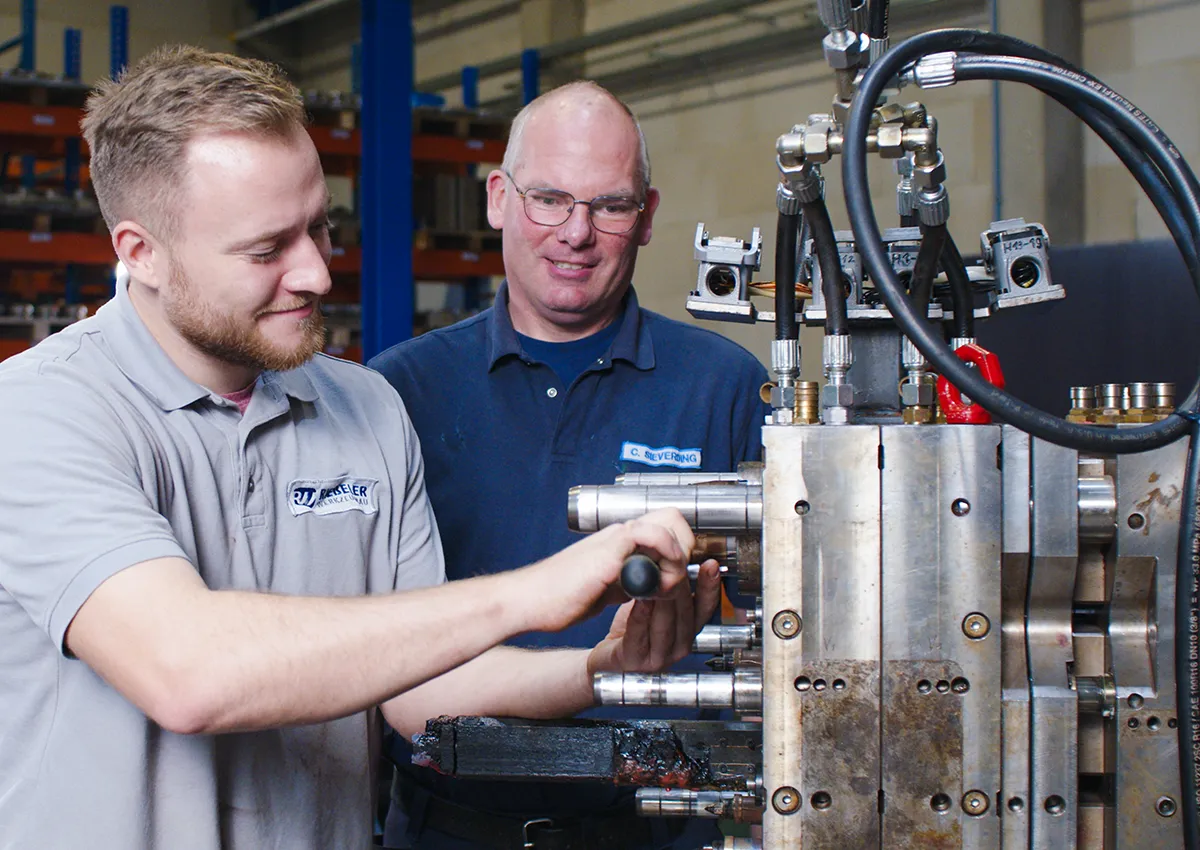
Automatic injection moulding of packaging articles and closures on modern production systems.
In-Mould-Labeling
Decoration process for refining packaging with labels directly during injection moulding, offered since 1998.
Toolmaking
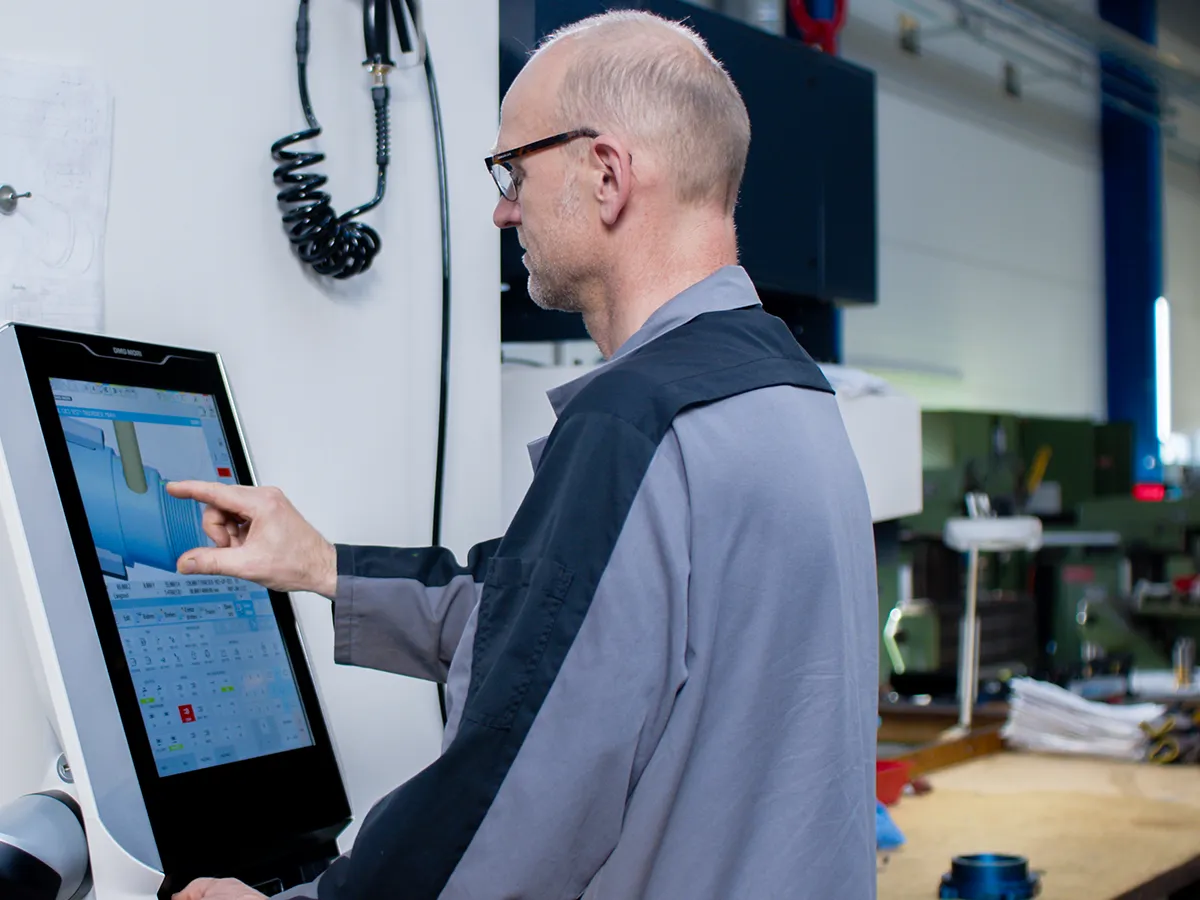
In-house toolmaking since 1976 for the repair and manufacture of injection moulding tools according to customer requirements.
Site Lohne
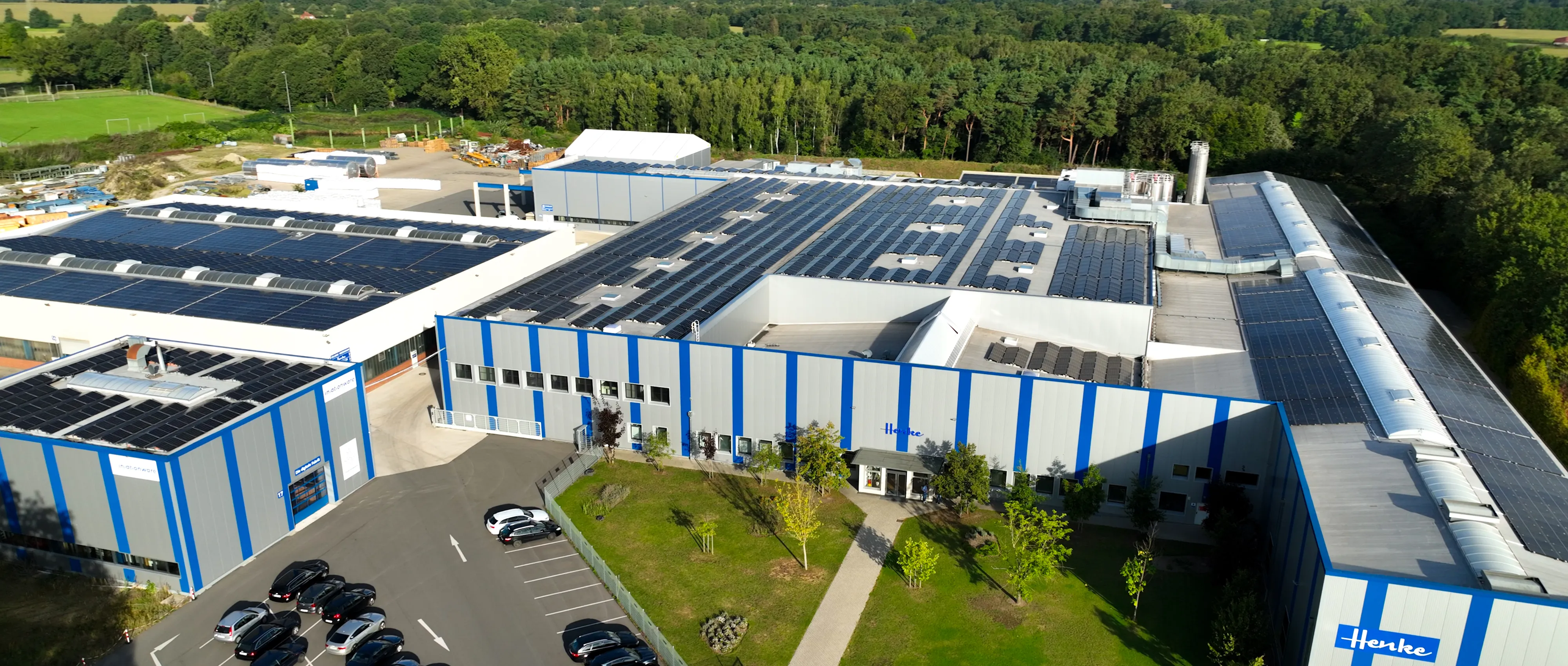
Lohne
DEProduction, administration, toolmaking
- Lot size
- High-volume series (approx. 1.2 bn articles/year in total)
- Materials
- PE, PP, PS, recycled plastic
- Automatic injection moulding machines
- Packing systems (automated stacking, packaging, case packing)
- Transport robots (automation area)
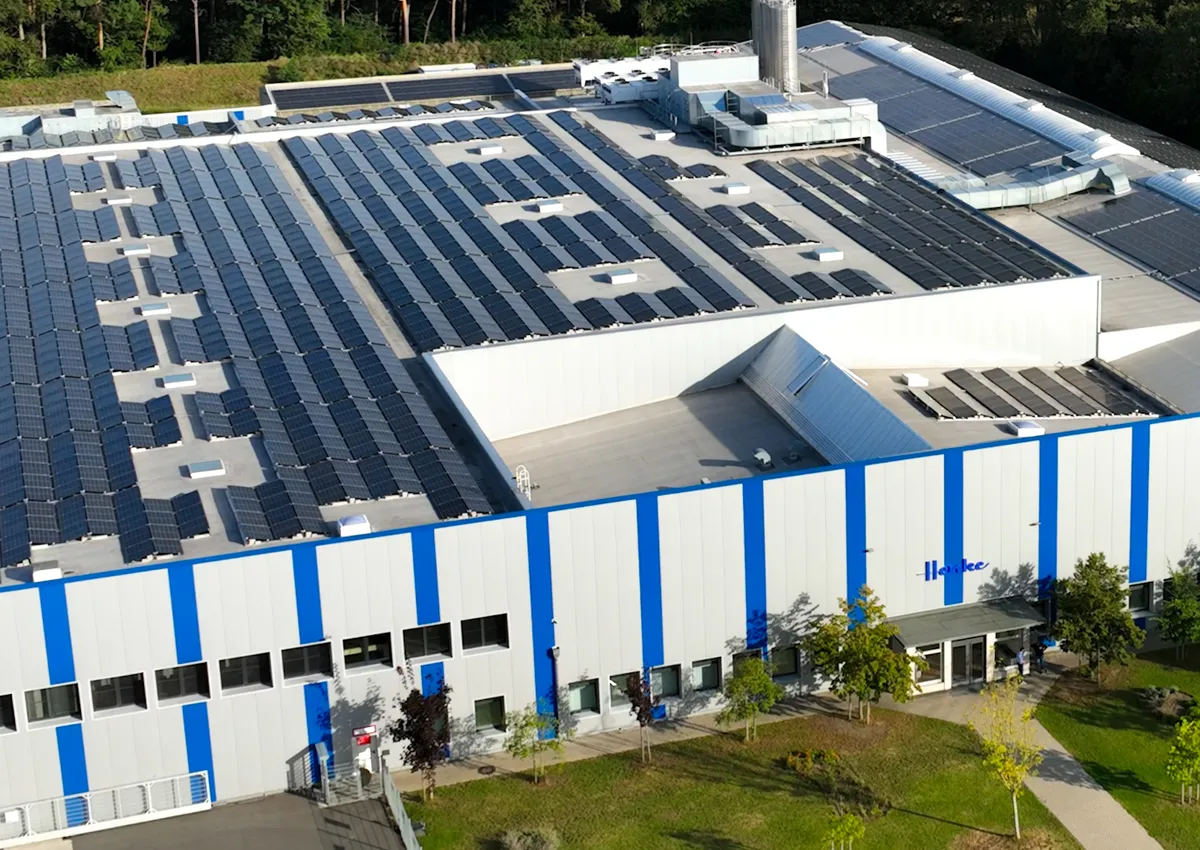
- Photovoltaic system for in-house power supply
Products



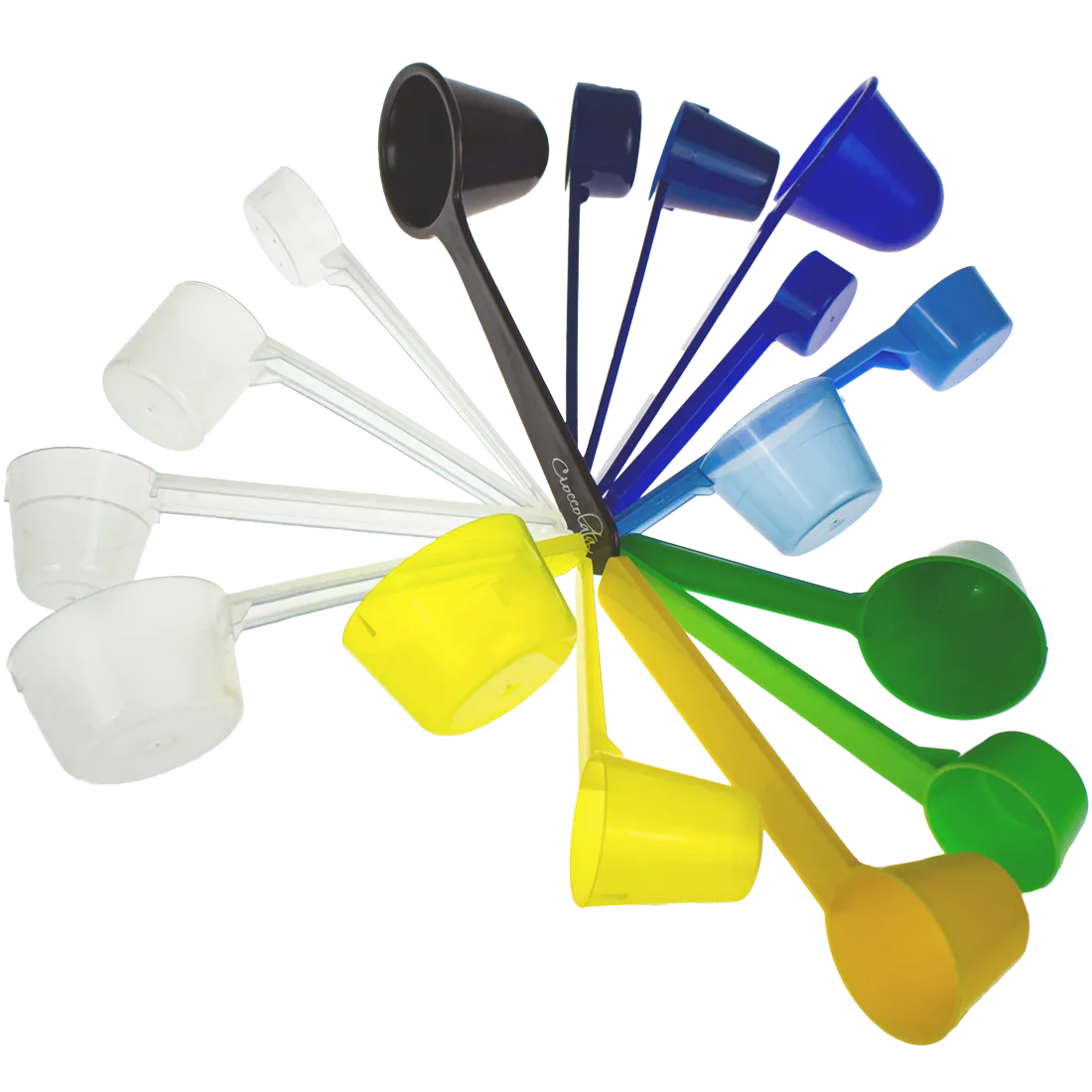
Inside the production
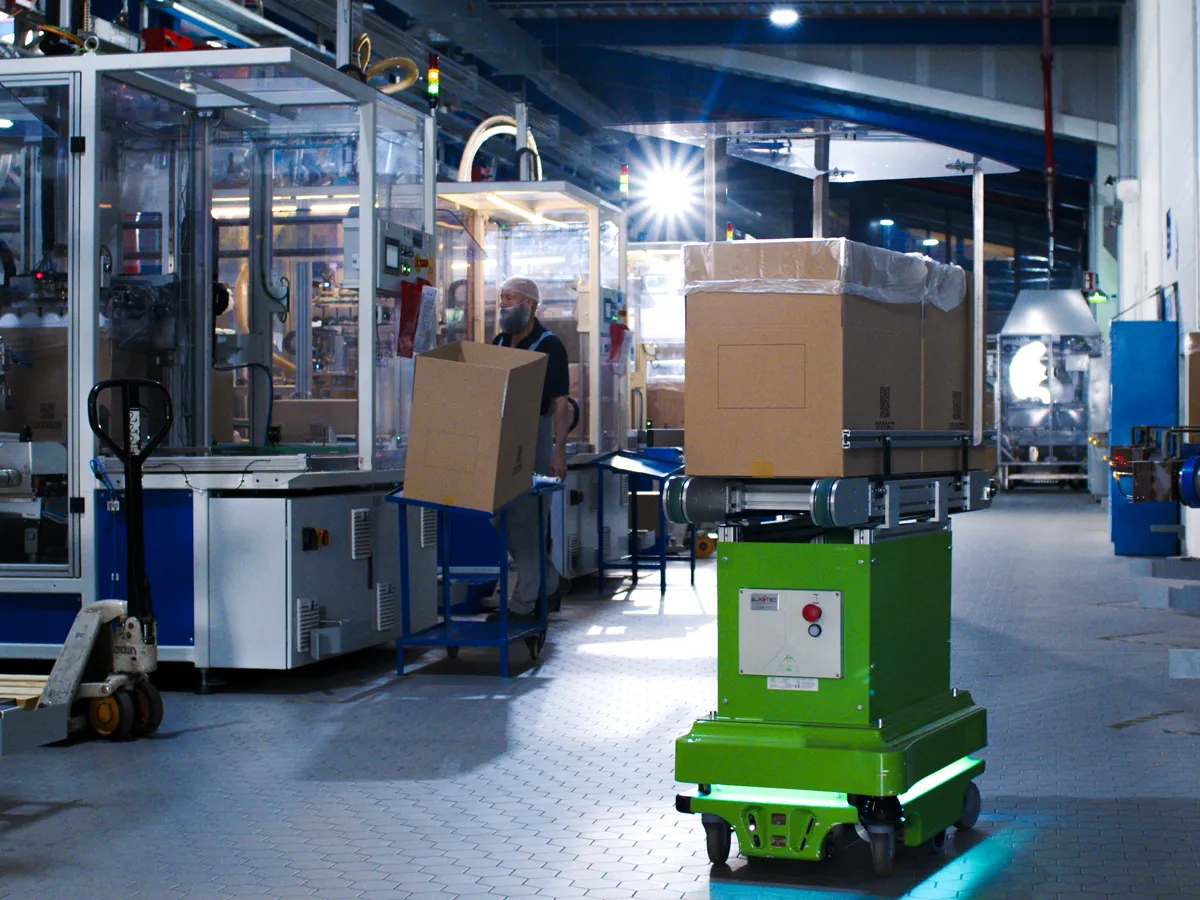
Industries
Processes & technical limits
| Processes | Tolerance | Max. part | Weight | Lot size | Materials |
|---|---|---|---|---|---|
| Injection moulding (plastic processing, injection-moulded closures and lids)Plastics | – | – | – | – | PE, PP, PS |
| IML (In-Mould-Labeling) decoration processPlastics | – | – | – | – | PE, PP, PS |
| Manufacture of plastic packaging materialsPlastics | – | – | – | – | PE, PP, PS |
| Application of adhesive labelsPlastics | – | – | – | – | PE, PP, PS |
| Toolmaking (in-house repair and manufacture of injection moulding tools)Engineering | – | – | – | – | – |
| Automatic packaging/stacking, palletising and case packingAssembly | – | – | – | – | – |
2 Anlagen & Maschinen
| Machine | Manufacturer / model | Quantity | Working area | Year built | Site |
|---|---|---|---|---|---|
| automatic injection moulding machines | – | – | – | – | Lohne |
| Packing systems (automated, installed at injection moulding systems) | – | – | – | – | Lohne |
Additional services
Quality and certificates
Production is certified to FSSC 22000 (Packaging, food safety) and DIN EN ISO 50001 (energy management); certification to DIN EN ISO 9001 has been in place since 1996. An established food safety culture involves all areas of the company.
| Evidence | Lohne |
|---|---|
| ISO 9001 | |
| FSSC 22000 | |
| ISO 50001 |
History
- 1924
Franz Henke starts cork production on the parental farm in Südlohne on 01.04.1924; first deliveries in July.
- 1928
Move to a larger production facility near Lohne railway station.
- 1955
Walter Henke, second generation, joins the business; first experiments in plastic processing.
- 1960
Entry into plastic processing with two automatic injection moulding machines; raw materials polystyrene and polyethylene from BASF.
- 1976
Establishment of the in-house toolmaking department and final discontinuation of cork production.
- 1980
Introduction of the Topfit product range for horticulture.
- 1990
Jürgen Henke, third generation, joins the company.
- 1996
Certification to DIN EN ISO 9001.
- 1998
Offering of the IML decoration process (In-Mould-Labeling).
- 2012
Siegfried Trimpe joins; Agenda 2012 with restructuring, investments in new injection moulding machines, GFSI certification and introduction of DIN EN ISO 50001.
- 2014
90th company anniversary.
- 2016
Automation: packing systems, automatic stacking, packaging and case packing.
FiBa Kunststofftechnik becomes part of the Henke organisation, increasing capacity for twist-off closures, cosmetics and the furniture industry.