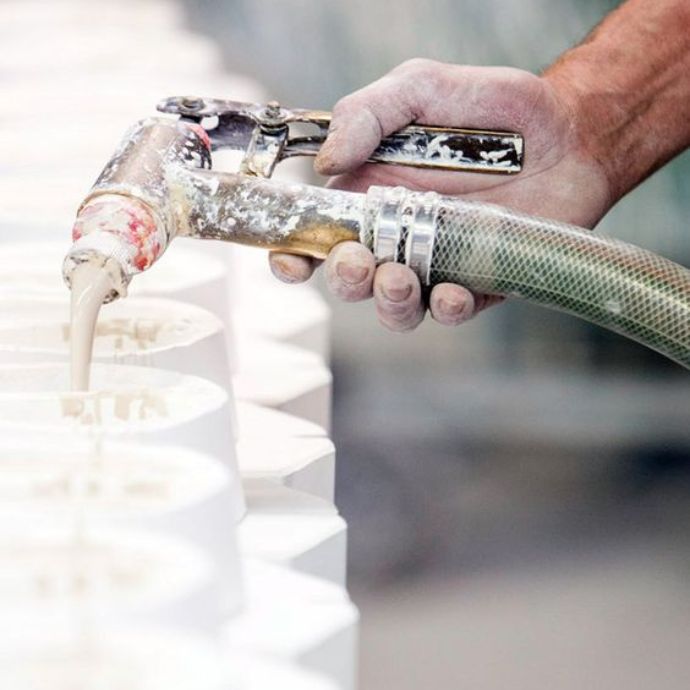
Manufactory for porcelain and earthenware tableware – coffee and dinner services Made in Germany since 1953.
Friesland Porzellanfabrik GmbH & Co. KG
Varel (Manufactory & Factory Outlet) · Nieuw-Buinen (NL, Operating Company)New on Amplifa
About Friesland Porzellan
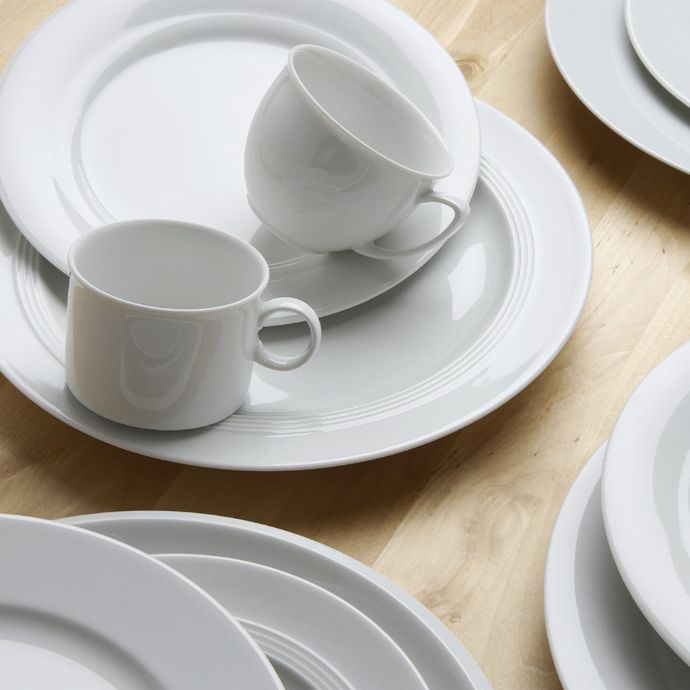
Friesland Porzellanfabrik GmbH & Co. KG, headquartered in Varel (Lower Saxony), is a German manufacturer of porcelain and earthenware products, in particular coffee and dinner services for everyday and premium needs. At the manufactory in Varel-Rahling, mugs, cups, plates, bowls, jugs and complete services are made from porcelain, earthenware and the company's own robust material Ceracron. Production comprises slip preparation according to the company's own recipe, 3D printing of production models, throwing, pressing and casting (hollow casting/pressure casting), drying and manual finishing, biscuit firing at up to 950 °C, glazing and gloss firing at around 1400 °C, and decoration firing at over 1200 °C, partly with hand decoration. Each piece is finally inspected and labelled as first choice. Well-known series include Jeverland, Ammerland, Ecco, Life and Kleine Brise; the product range is aimed at end consumers, gastronomy and large-scale consumers. Since 2019, the company has belonged to the Dutch Bornego Group (formerly Royal Goedewaagen). After a severe fire in 2023, production at the Varel site is being rebuilt.
- Site
- Varel
- Processes
- Porcelain manufacturing (manufactory), Throwing (plastic porcelain body), Pressing (plates from press granulate), Casting (hollow casting/pressure casting for jugs etc.), Biscuit firing at up to 950 °C, Glazing (dipping/spraying) and gloss firing at around 1400 °C, Decoration firing at over 1200 °C, Hand decoration
- Materials
- Porcelain, Earthenware (Steingut), Earthenware (Irdenware), Ceracron (robust own material), Ceracron, 3D printing, Hand decoration
- Certificates
- Piece-by-piece inspection and first-choice selection
- Founded
- 1953
- Industries
- Porcelain and earthenware manufacturing, Gastronomy/large-scale consumers, End-consumer retail
- 01
Slip preparation (own recipe, dewatering, pressing into strands)
- 02
3D printing of production models
- 03
Shaping: throwing, pressing, casting
- 04
Drying, fettling, grinding
- 05
Biscuit firing at up to 950 °C
- 06
Glazing (dipping/spraying)
- 07
Gloss firing at around 1400 °C
- 08
Decoration and decoration firing at over 1200 °C
- 09
Inspection and first-choice selection, packaging and shipping
Materials & Processes
Porcelain
Base material for mugs, plates, services and coffee filters, fired to a dense body in the gloss firing.
Earthenware (Steingut)
Used for colour-glazed coffee jugs and early services such as Minden.
Earthenware (Irdenware)
Historic product group of the factory alongside porcelain and earthenware.
Ceracron
Own, particularly robust material for everyday and fire-resistant tableware (e.g. Ammerland, oven-to-table ware).
3D printing
Today replaces the classic plaster model in the production of production models.
Hand decoration
Decorations are partly applied by hand and fired in the decoration firing at over 1200 °C.
Sites
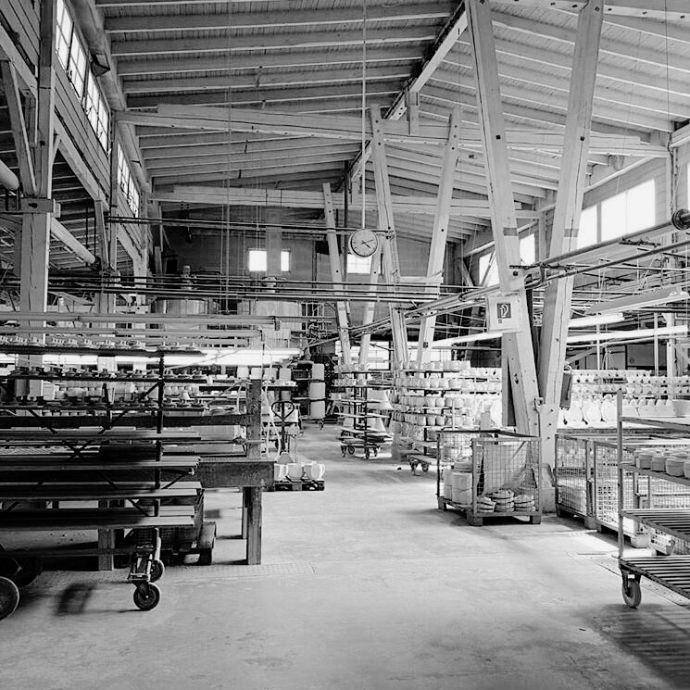
Varel
DEManufactory, administration, factory outlet
- Lot size
- Series production
- Materials
- Porcelain, earthenware, Ceracron
- Casting line
- Pressing tools (plate presses)
- Biscuit firing kiln up to 950 °C
- Gloss firing kiln around 1400 °C
- Decoration firing kiln over 1200 °C
- 3D printers for production models
Nieuw-Buinen
NLRegistered office of the operating company Royal Tableware B.V.
Components & Products
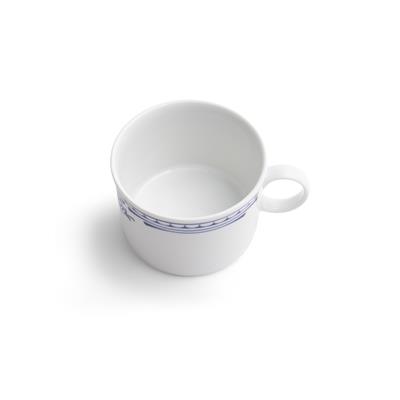
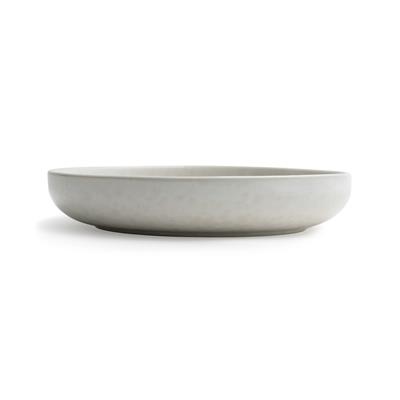
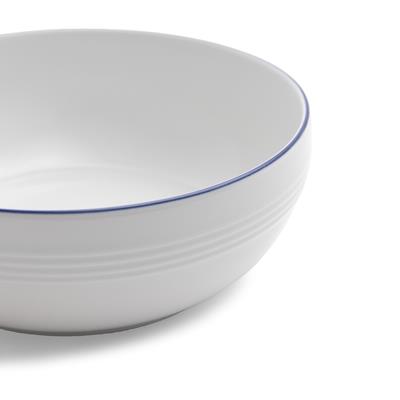
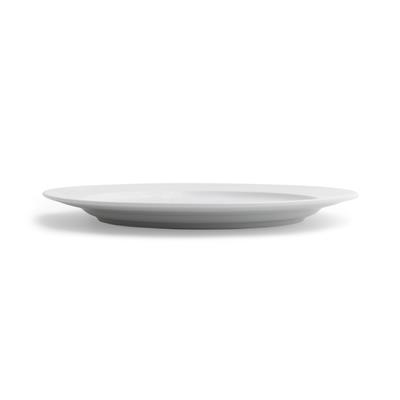
Inside the production
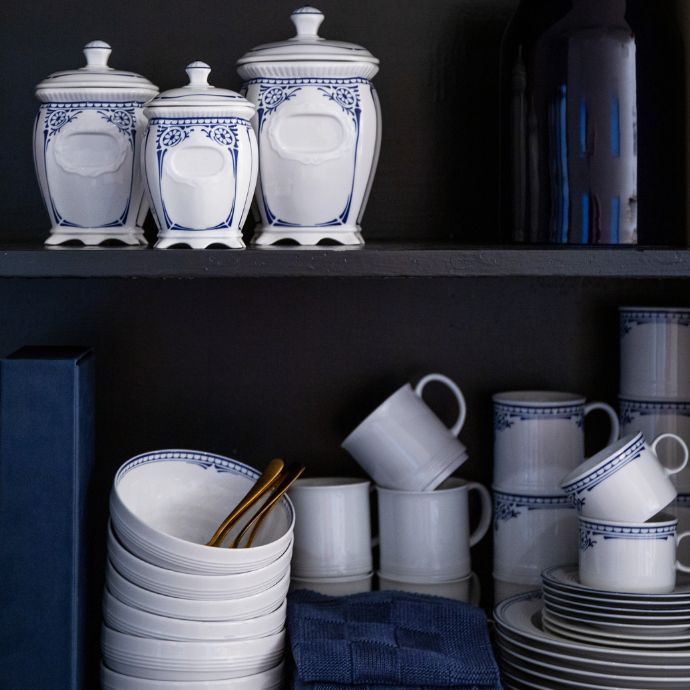
Industries
Processes & technical limits
| Processes | Tolerance | Max. part | Weight | Lot size | Materials |
|---|---|---|---|---|---|
| Porcelain manufacturing (manufactory)Casting | – | – | – | – | Porcelain, Earthenware, Ceracron |
| Throwing (plastic porcelain body)Forming | – | – | – | – | Porcelain |
| Pressing (plates from press granulate)Forming | – | – | – | – | Porcelain |
| Casting (hollow casting/pressure casting for jugs etc.)Casting | – | – | – | – | Porcelain, Earthenware |
| Biscuit firing at up to 950 °CHeat treatment | – | – | – | – | Porcelain |
| Glazing (dipping/spraying) and gloss firing at around 1400 °CSurface | – | – | – | – | Porcelain |
| Decoration firing at over 1200 °CSurface | – | – | – | – | Porcelain |
| Hand decorationSurface | – | – | – | – | Porcelain |
| Inspection and first-choice selectionInspection | – | – | – | – | Porcelain |
| 3D printing of production models (instead of plaster model)Additive | – | – | – | – | Porcelain |
| Slip preparation (dewatering, pressing into strands)Casting | – | – | – | – | Porcelain |
| Production of porcelain coffee filtersCasting | – | – | – | – | Porcelain |
6 Anlagen & Maschinen
| Machine | Manufacturer / model | Quantity | Working area | Year built | Site |
|---|---|---|---|---|---|
| 3D printer (for production models) | – | – | – | – | Varel |
| Biscuit firing kiln (up to 950 °C) | – | – | – | – | Varel |
| Gloss firing kiln (around 1400 °C) | – | – | – | – | Varel |
| Decoration firing kiln (over 1200 °C) | – | – | – | – | Varel |
| Casting line | – | – | – | – | Varel |
| Pressing tools (plate presses) | – | – | – | – | Varel |
Additional services
Quality
Skilled staff inspect every piece; only flawless items receive the "first choice" label, are labelled and packed. Second-choice items with minor optical but technically flawless defects are offered in the factory outlet.
| Evidence | Varel |
|---|---|
| Piece-by-piece inspection and first-choice selection |
History
- 1948
Approval to build a factory for electro-porcelain, oven tiles and household tableware on the site of a former anti-aircraft equipment depot in Varel-Rahling (August Caspritz).
- 1953
After bankruptcy, continuation as Porzellanfabrik Friesland, branch of Melitta-Werke Bentz & Sohn; start of porcelain and paper production in Rahling.
- 1955
One million porcelain coffee filters produced.
- 1956
First coffee service made of earthenware.
- 1957
Melitta acquires the company premises for 325.000 DM.
- 1958
First service made of porcelain.
- 1959
Relocation of filter paper production to Minden; designer Lieselotte Kantner joins.
- 1966
Expansion of the product range to include dinner services.
- 1969
25 millionth coffee pot of the Minden series produced.
- Mitte 1970er
Market launch of the Jeverland and Ammerland series; Luigi Colani designs the Zen tea service.
- 1979
Company renamed Porzellanfabrik Friesland Bentz KG.
- 1982
Introduction of the brand name Friesland Porzellan.
- 1984
Introduction of the Life series by Lutz Rabold.
- 1991
Melitta sells 70% of the company shares; management buy-out.
- 1995
Acquisition of the remaining 30%; independence from Melitta.
- 2004
Insolvency.
- 2005
Acquisition by Uwe Apken; realignment, founding of online shop.
- 2019
Acquisition by the Dutch Royal Goedewaagen; formation of the RGW Friesland Porzellan Group headquartered in Varel.
- 2021
Royal Goedewaagen Group renamed Bornego Group.
- 2023
Severe fire in summer destroys large parts of production and warehouse; reconstruction at the Varel site.