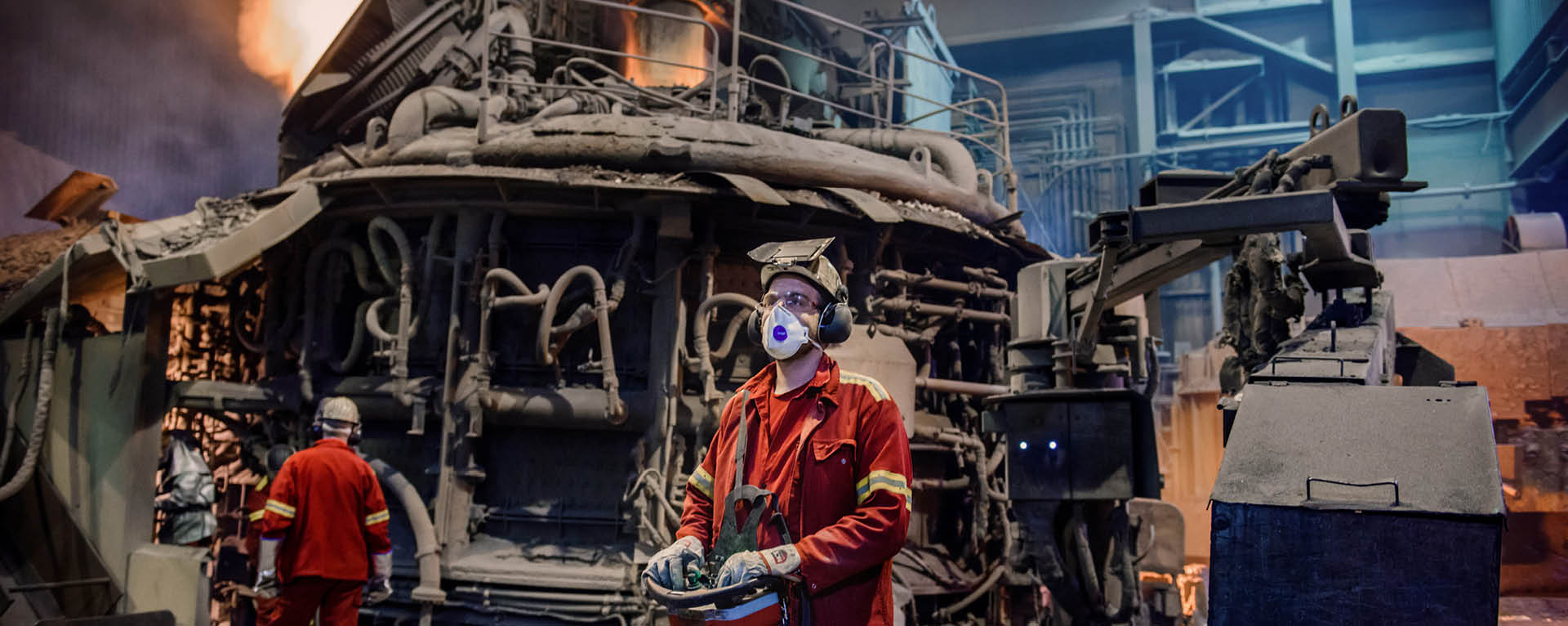
Production of crude steel, bar steel, bright steel and CNC components made from quality and engineering steels via the low-CO₂e electric steel route.

Georgsmarienhütte GmbH
Georgsmarienhütte, Lower SaxonyNew on Amplifa
About Georgsmarienhütte GmbH
Founded in 1856, Georgsmarienhütte GmbH is one of the leading European suppliers of high-quality crude steel, bar steel and bright steel as well as components made from quality and engineering steels. The steel is produced from scrap via the electric arc furnace route; for more than 30 years the company has relied on the low-CO₂e electric steel route, thereby contributing to the circular economy. The product portfolio includes continuously cast crude strand, order-specific crude ingots produced by ingot casting, hot-rolled bar steel, peeled bright steel, precisely cut short lengths and CNC components with tight tolerances. Customers come from the automotive industry, mechanical and plant engineering, the energy sector, drive technology, forging and ring rolling mills as well as lightweight construction. The company develops materials and alloys further together with partners and calculates the Product Carbon Footprint (PCF) on a product- and order-specific basis according to the Cradle-to-Gate approach. The site and headquarters is located in Georgsmarienhütte, Lower Saxony.
- Site
- Georgsmarienhütte, Lower Saxony
- Processes
- Continuous casting (crude strand), Ingot casting (crude ingots, Stahlwerk Bous GmbH), Hot rolling of bar steel (round long products), Bright steel (hot-rolled, peeled bar steel), Short lengths (precisely cut steel sections), CNC components (turning/milling with tight tolerances), Product Carbon Footprint (PCF) per product/order (Cradle-to-Gate), CNC machining / CNC components
- Materials
- Quality steel, Engineering steel, Crude steel, Bar steel (hot-rolled), Bright steel (peeled), Electric arc furnace route, Continuous casting (crude strand), Ingot casting (crude ingot)
- Certificates
- ISO 14067 (PCF calculation methodology), ISO 22095 (PCF calculation methodology), ISO 14067 (PCF methodology, independently validated), ISO 22095 (PCF methodology, independently validated), ISO 9001
- Founded
- 1856
- Industries
- Automotive industry, Mechanical and plant engineering, Energy sector, Forging, Ring rolling mills, Drive technology
- 01
Scrap procurement and use at the electric arc furnace
- 02
Continuous casting (crude strand) or ingot casting (crude ingots)
- 03
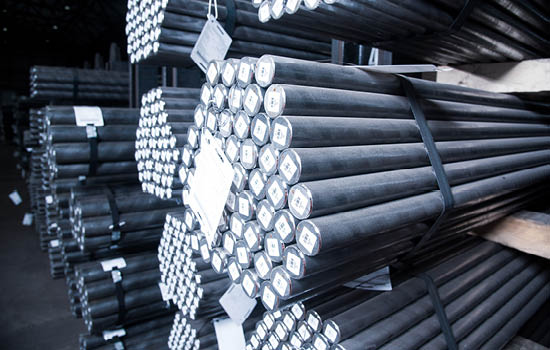
Hot rolling into bar steel (round long products)
- 04
Peeling into bright steel
- 05
Cutting into short lengths
- 06
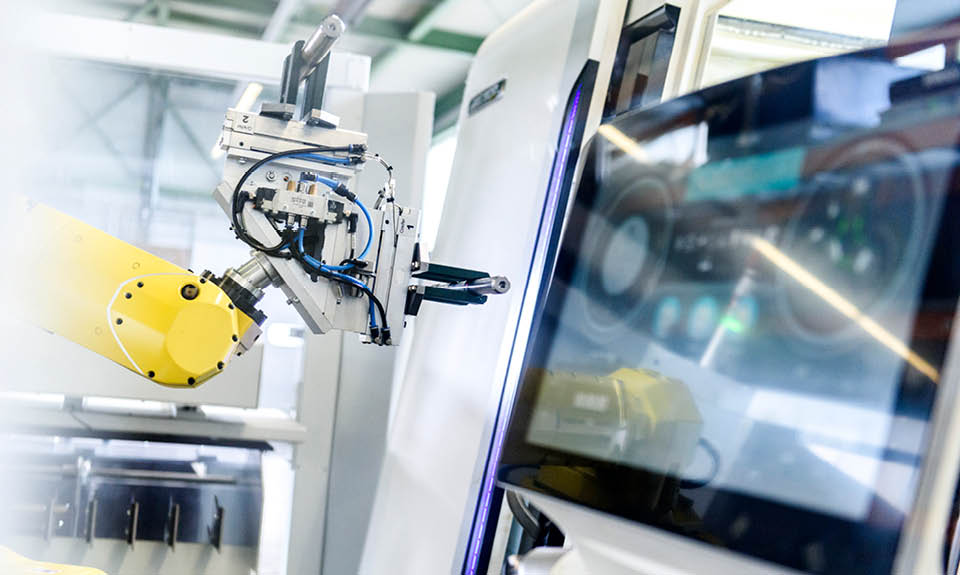
CNC turning and milling into components
- 07
Shipping and customer portal with shipment planning
Materials and processes
Electric arc furnace route
Scrap-based steel production with a low-CO₂e process as a contribution to the circular economy.
Continuous casting (crude strand)
Highly efficient process for producing crude strand in consistent quality and large quantities.
Ingot casting (crude ingot)
Order-specific crude ingots as steel semi-finished products for forging, ring rolling mills and other applications.
Hot rolling (bar steel)
Hot-rolled round long products as customer-specific input material for high-quality end products.
Bright steel (peeled)
Hot-rolled, peeled bar steel with a smooth, as clean as possible surface.
Short lengths
Precisely cut steel sections as input material for demanding applications.
CNC machining
Turning and milling of components with tight tolerances.
Quality steel
Base material for rolled bar steel and CNC products.
Engineering steel
High-grade material for demanding applications in drive technology and lightweight construction.
Sites
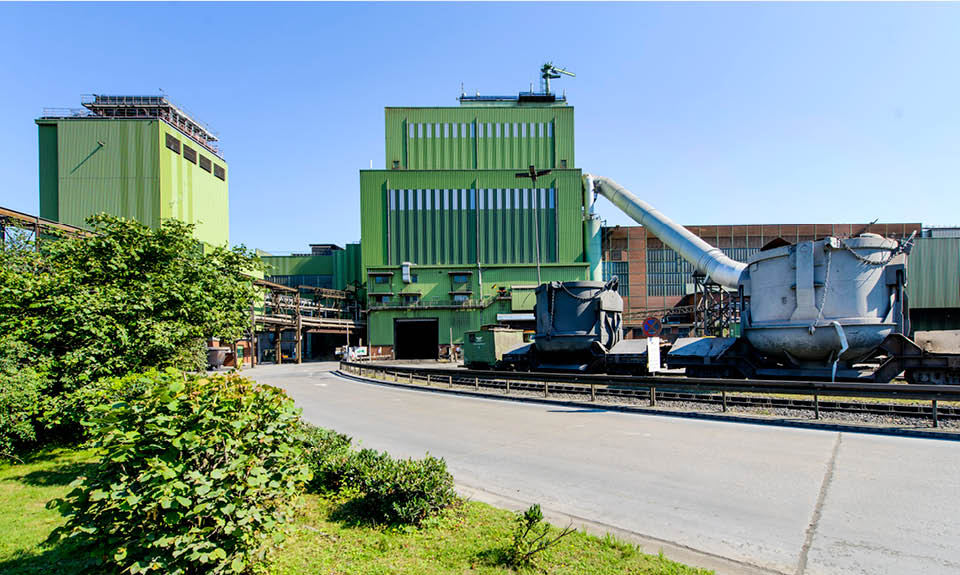
Georgsmarienhütte
DESteel mill and headquarters (electric arc furnace route, continuous casting, rolling mill)
- Lot size
- Large quantities (crude strand from continuous casting)
- Materials
- Quality steel, engineering steels
- Electric arc furnace
- Continuous casting plant
- Rolling mill
Products and components
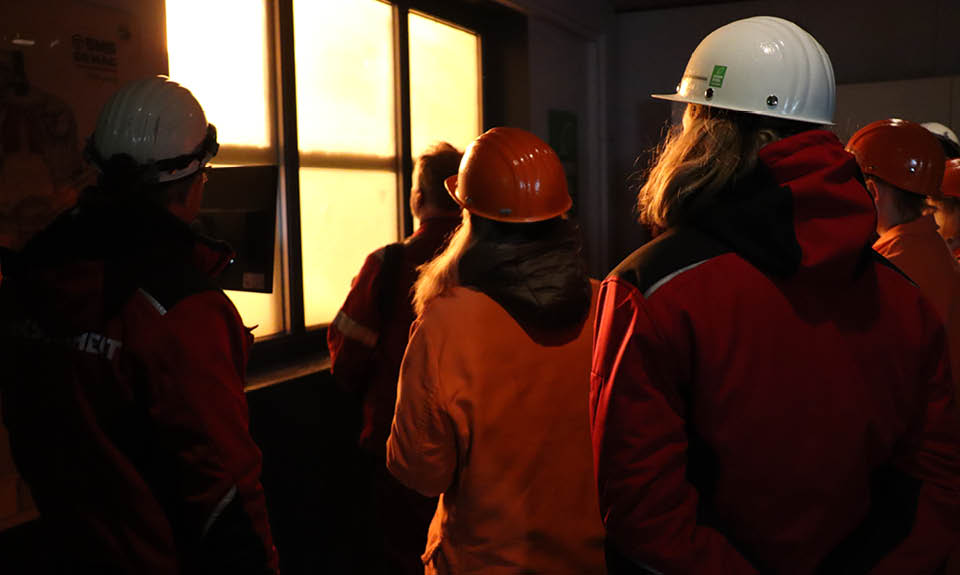
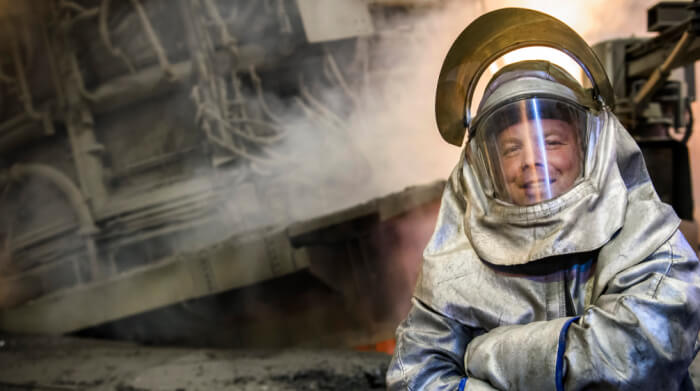
Inside the production
Industries
Processes & technical limits
| Processes | Tolerance | Max. part | Weight | Lot size | Materials |
|---|---|---|---|---|---|
| Continuous casting (crude strand)Casting | – | – | – | large quantities | Steel |
| Ingot casting (crude ingots, Stahlwerk Bous GmbH)Casting | – | – | – | – | Steel |
| Hot rolling of bar steel (round long products)Forming | – | – | – | – | Quality steel, Engineering steels |
| Bright steel (hot-rolled, peeled bar steel)Machining | smooth, as clean as possible surface | – | – | – | Steel |
| Short lengths (precisely cut steel sections)Machining | – | – | – | – | Steel |
| CNC components (turning/milling with tight tolerances)Machining | tight tolerances | – | – | – | Quality steel, Engineering steels |
3 Anlagen & Maschinen
| Machine | Manufacturer / model | Quantity | Working area | Year built | Site |
|---|---|---|---|---|---|
| Electric arc furnace (scrap-based electric steel route) | – | – | – | – | Georgsmarienhütte, Lower Saxony |
| Continuous casting plant | – | – | – | – | Georgsmarienhütte, Lower Saxony |
| Rolling mill | – | – | – | – | Georgsmarienhütte, Lower Saxony |
Additional services
Quality and sustainability
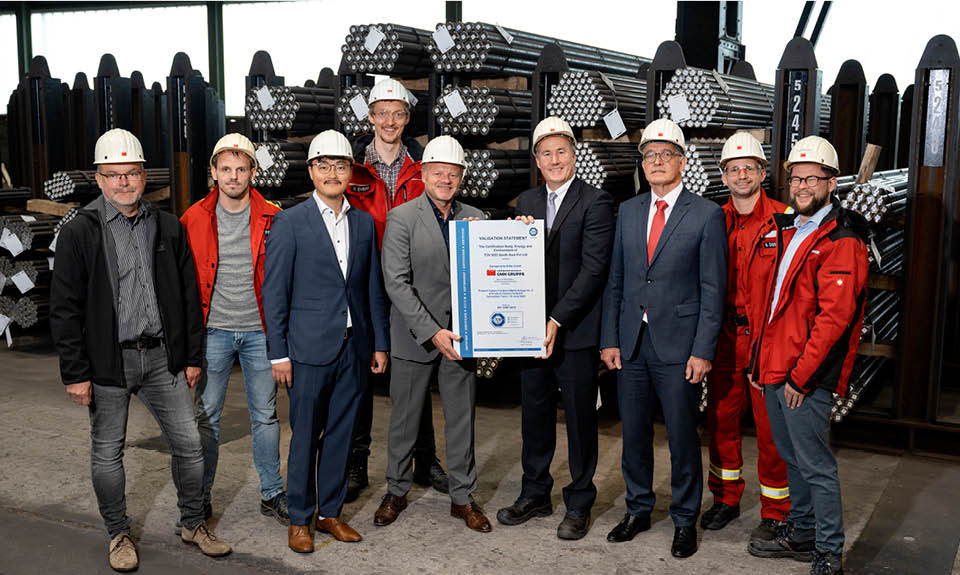
Georgsmarienhütte GmbH calculates the Product Carbon Footprint (PCF) of its steel products on a product- and order-specific basis according to a Cradle-to-Gate approach based on the methodology of ISO 14067 and ISO 22095, independently validated.
| Evidence | Georgsmarienhütte |
|---|---|
| ISO 14067 (PCF methodology, independently validated) | |
| ISO 22095 (PCF methodology, independently validated) | |
| ISO 9001 |
History
- 1856
Founding of the company 'Georgs-Marien-Bergwerks- und Hüttenverein' for the construction of an iron and steel works in Malbergen; named after King George V of Hanover and his wife Marie.
- 1860
The municipality of Georgsmarienhütte emerged from the associated workers' colony.
- 1923
The iron and steel works belonged to Klöckner Werke AG.
- 1937
Malbergen was incorporated into Georgsmarienhütte.
- 1970
Merger of several municipalities into the town of Georgsmarienhütte; town charter received on 19.09.1970.
- 1993
Klöckner manager Jürgen Großmann bought the steel mill for a symbolic amount and transformed it into one of the leading manufacturers of quality and engineering steels in Europe.
- seit über
Low-CO₂e electric steel route (production from scrap); first steel mill in the Climate Protection Company initiative.