Hand-crafted Austrian tableware and decorative ceramic objects produced in our own manufactory in Gmunden.

GMUNDNER KERAMIK MANUFAKTUR GmbH & Co KG
Gmunden · HallstattNew on Amplifa
Craftsmanship from over 500 years of manufactory tradition
Gmundner Keramik Manufaktur GmbH & Co KG is one of the largest ceramics manufactories in Central Europe and has been producing in Gmunden in the Salzkammergut region (Austria) since 1492. In the manufactory with around 115 employees, 25 of whom work in the painting studio, hand-crafted tableware and decorative ceramics are made: mugs, plates, bowls, platters, jugs, pitchers and special objects. The production process includes throwing and casting the clay, applying in-house developed glazes and colours, retouching, sponging, painting and the traditional flammen technique, in which the colour is sprayed onto the ceramic with a fine hose – a technique that has been listed as UNESCO intangible cultural heritage since 2021. Each piece undergoes up to 60 manual steps and is a unique one-off; plaster moulds are produced by hand (approx. 60 uses) and are subsequently recycled in cement works. Orders starting from a single piece, personalised products and custom-made items are also part of the offering. Customers include gastronomy, hotels, retail and private customers in Austria, Germany, Switzerland and worldwide.
- Site
- Gmunden
- Processes
- Hand-crafted ceramics production (throwing and casting, retouching, sponging, painting, flammen, Flammen decoration of ceramics (colour application with a fine hose, UNESCO intangible cultural, Hand painting of ceramics (e.g. Stag, Hunting, Ibex, scattered flowers), Personalised one-off production of ceramic products (from 1 piece, online configuration), Glaze and colour mixing according to in-house recipes, Plaster mould production (hand-crafted, approx. 60 uses, recycled in cement works), Personalised products from a single piece, Individual custom-made items
- Materials
- Clay (ceramics, earthenware/porous body), Glaze, Borosilicate glass (glass bong insert, standard ground joint 14.5/18.5 mm), Glass (Spiegelau wine glasses), Stainless steel (HULU drinking bottle), Cotton (caps, tea towels), Cotton/linen 50/50 (glass cloth), Clay (earthenware/porous body)
- Founded
- 1492
- Employees
- 115
- Industries
- Ceramics/tableware, Gastronomy/hotels, Gifts/lifestyle, Art and design
- 01
Design and mould development
- 02
Hand-crafted plaster mould production (approx. 60 uses, recycled in cement
- 03
Throwing and casting of the ceramics
- 04
Retouching and sponging
- 05
Glaze and colour mixing according to in-house recipes
- 06
Flammen decoration or hand painting
- 07
Firing
- 08
Sales via online shop, Brand Stores and gastronomy supplies
Materials and processes
Clay (earthenware/porous body)
Porous ceramic body as the base material, which only becomes watertight through the glaze.
Flammen decoration of ceramics
UNESCO-recognised decoration technique in which glaze colour is sprayed onto the ceramic with a fine hose.
Hand painting
Elaborate decorative designs such as Stag, Hunting, Ibex and scattered flowers are painted by hand; the Hunting design requires over an hour of painting time.
Glaze
Glazes and colours are mixed in the manufactory according to in-house recipes.
Plaster
Hand-crafted plaster moulds with about 60 uses, whose recycling takes place in cement works.
Borosilicate glass
Glass inserts for ceramic bongs with standard ground joint 14.5 or 18.5 mm.
Stainless steel
Used for the HULU drinking bottle with the Gmunden flammen motif.
Cotton or cotton/linen
Lifestyle products such as caps, tea towels and glass cloths.
Locations
Gmunden
ATManufactory, administration, visitor experience centre
- Lot size
- from 1 piece (personalised products)
- Materials
- Clay, glaze
Hallstatt
ATBrand Store on the historic market square
Products
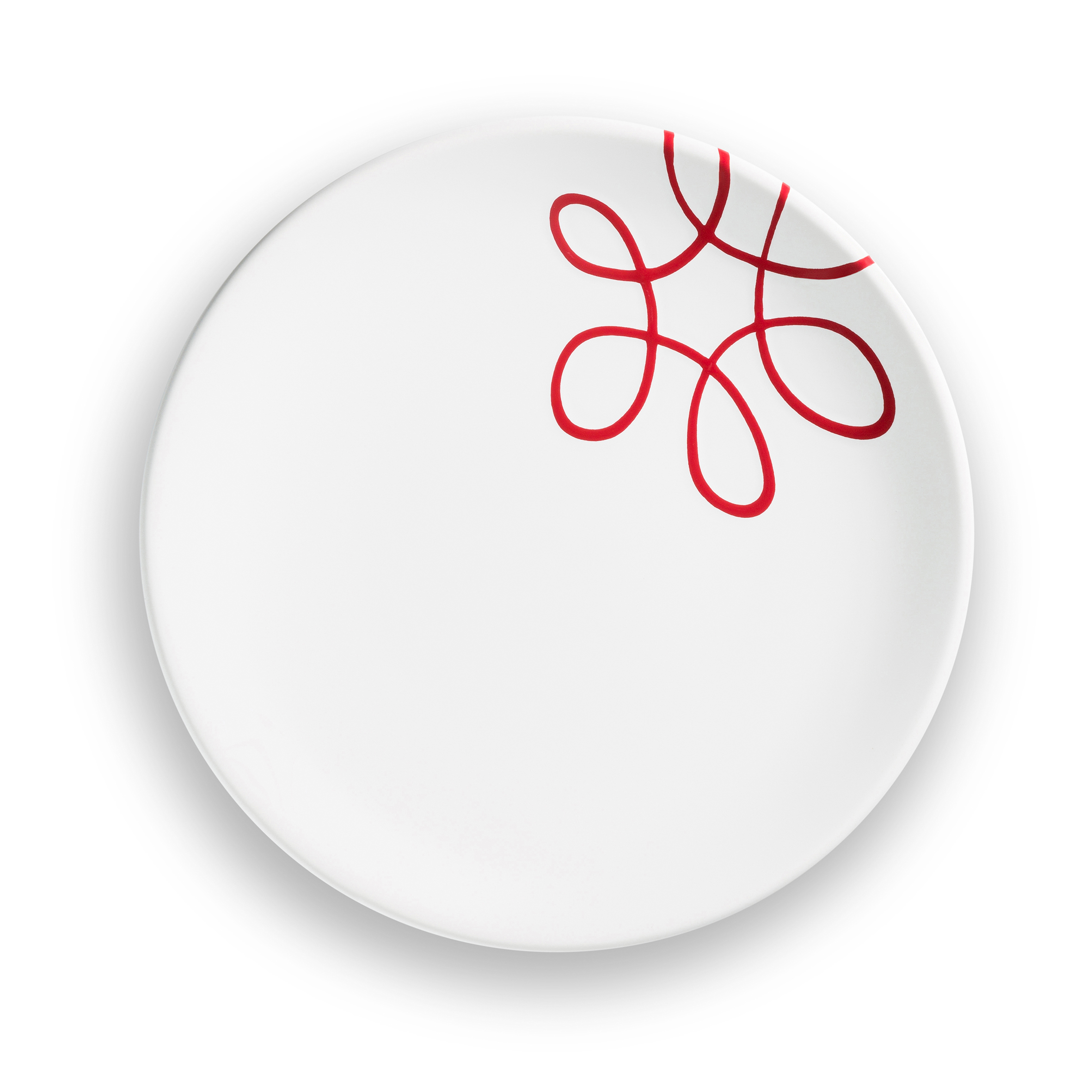
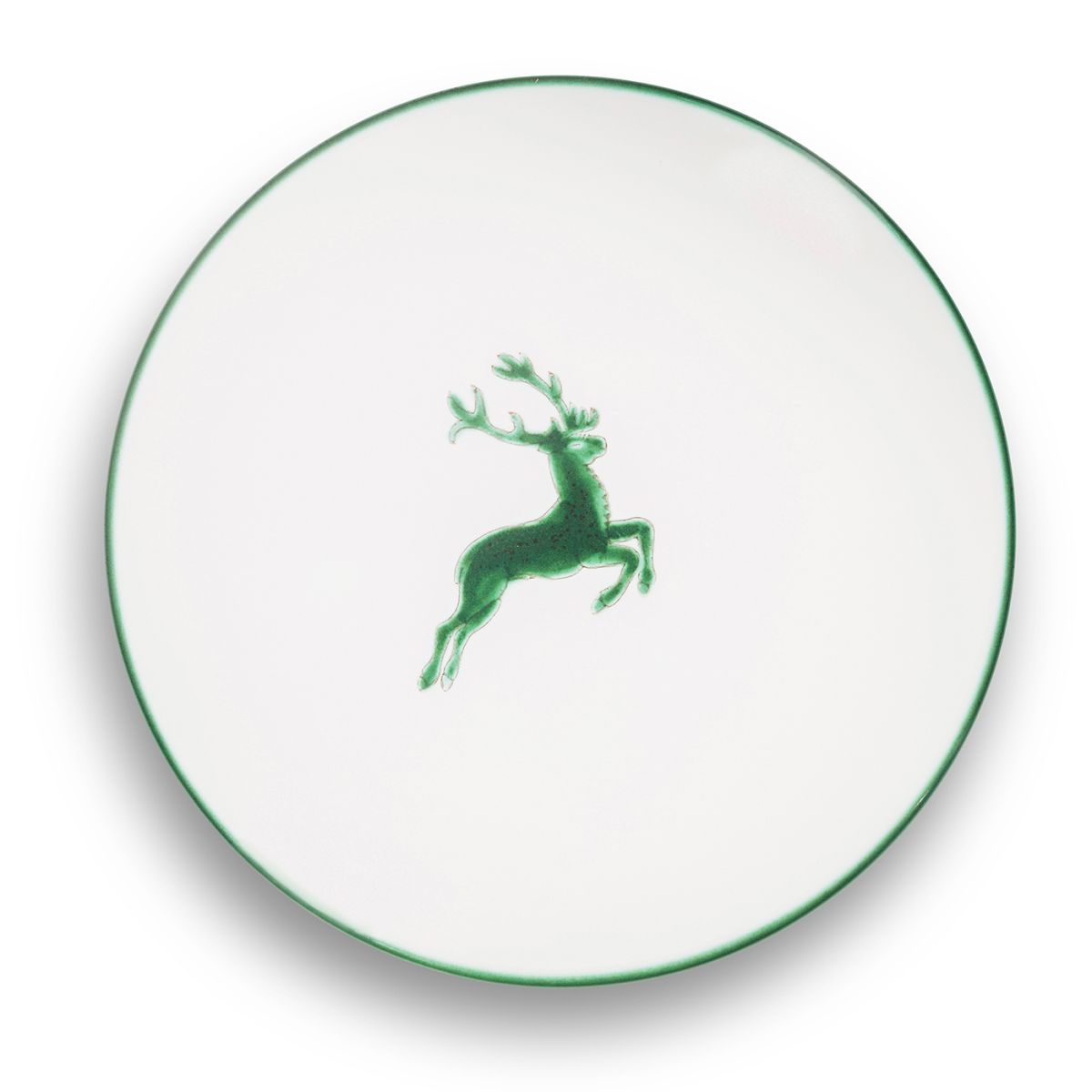
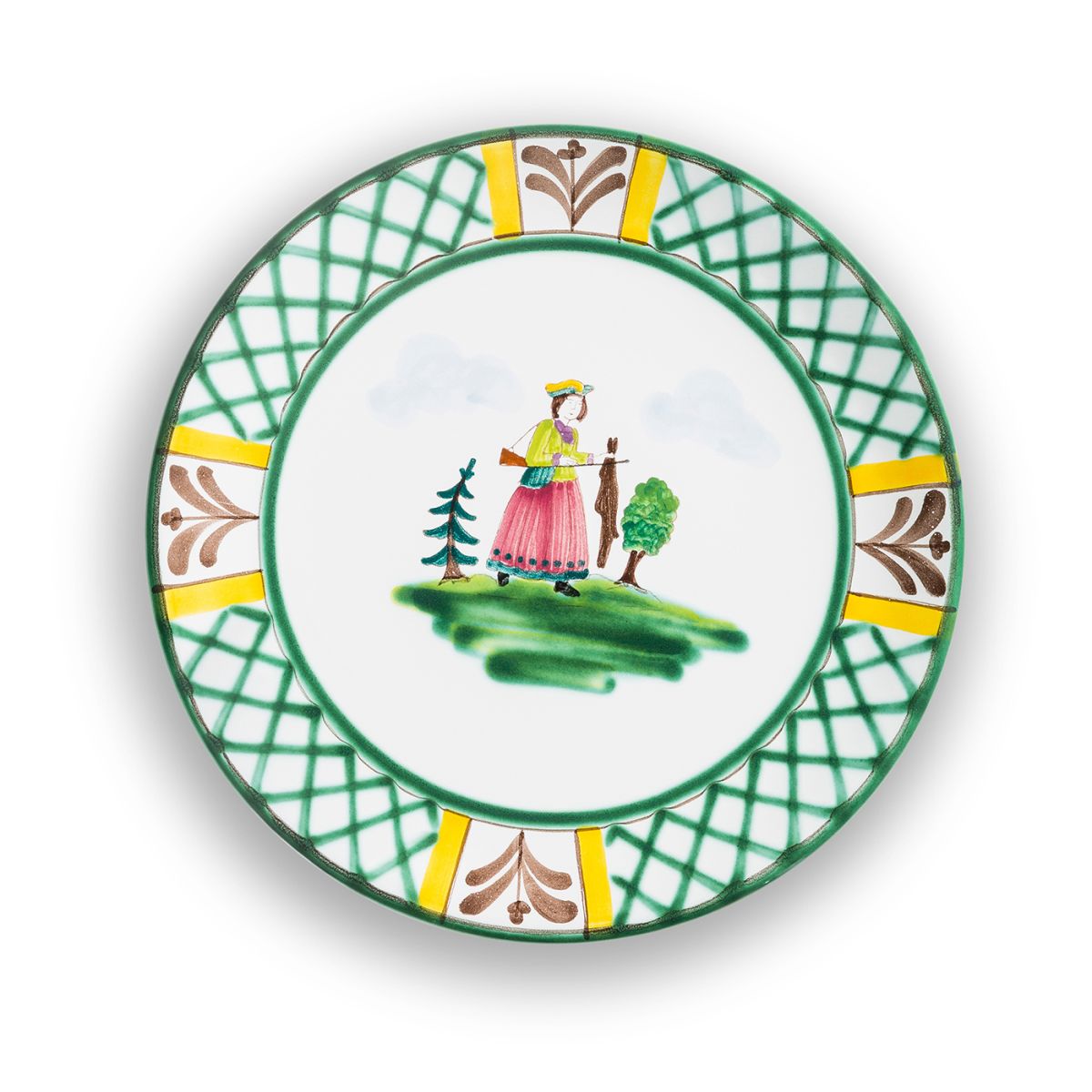
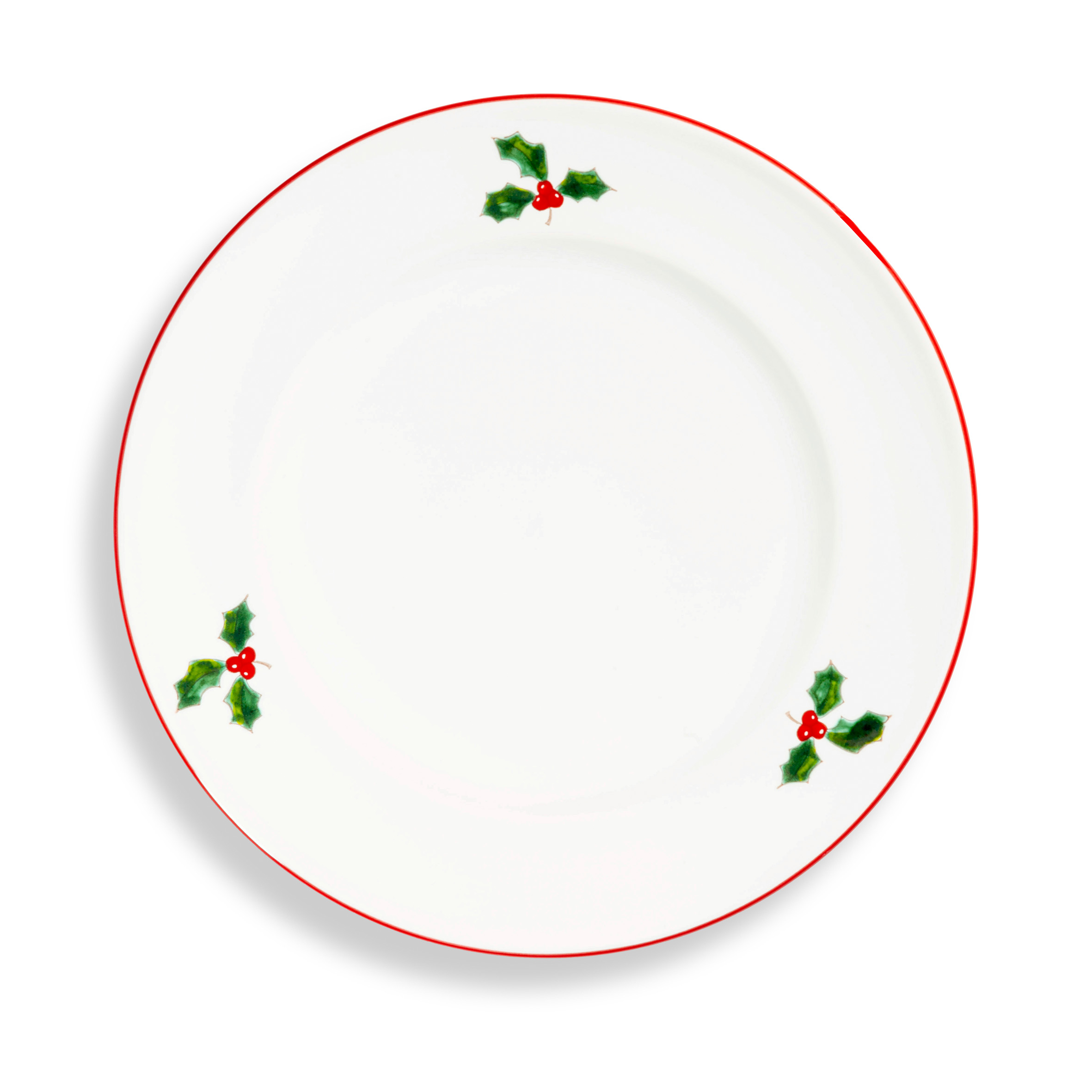
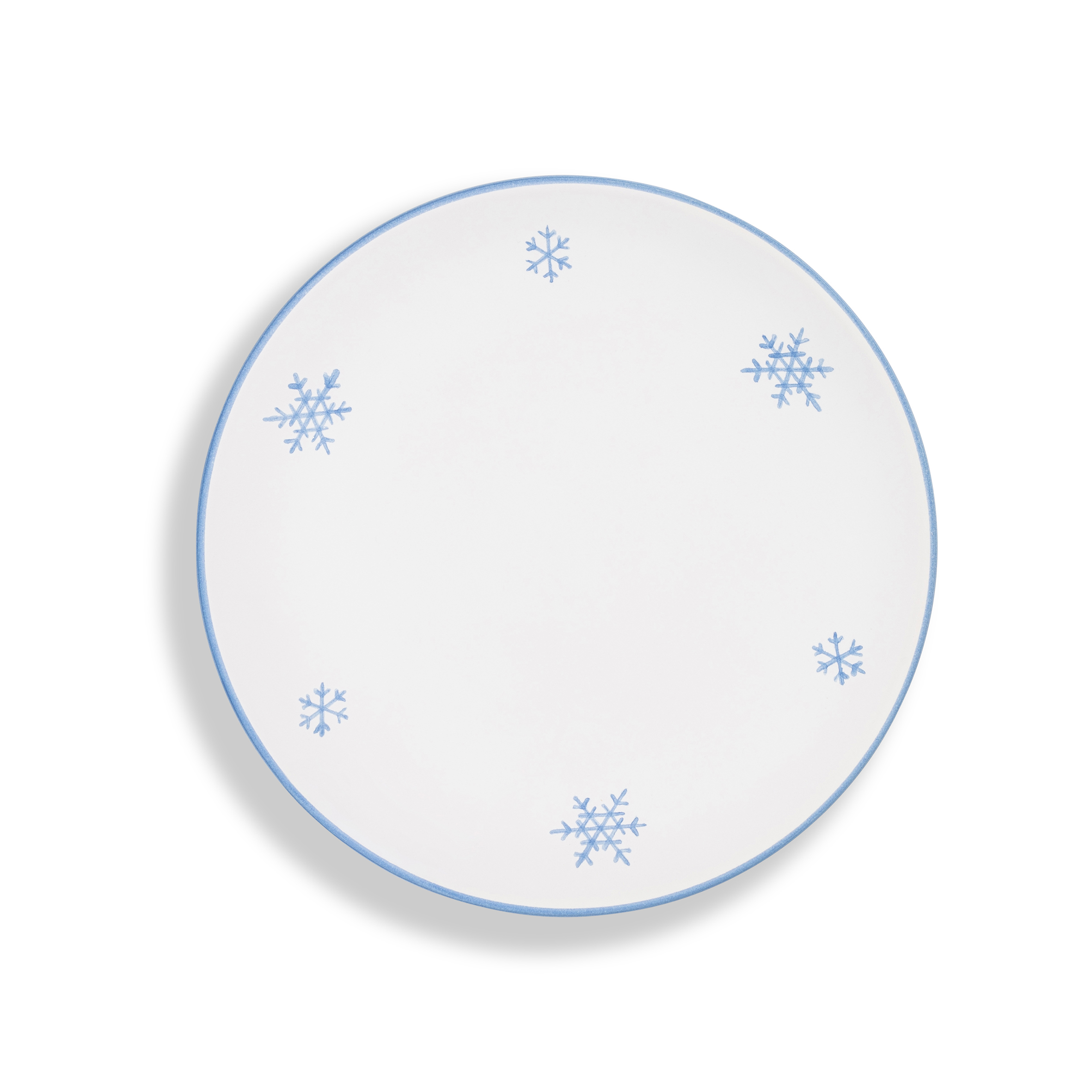
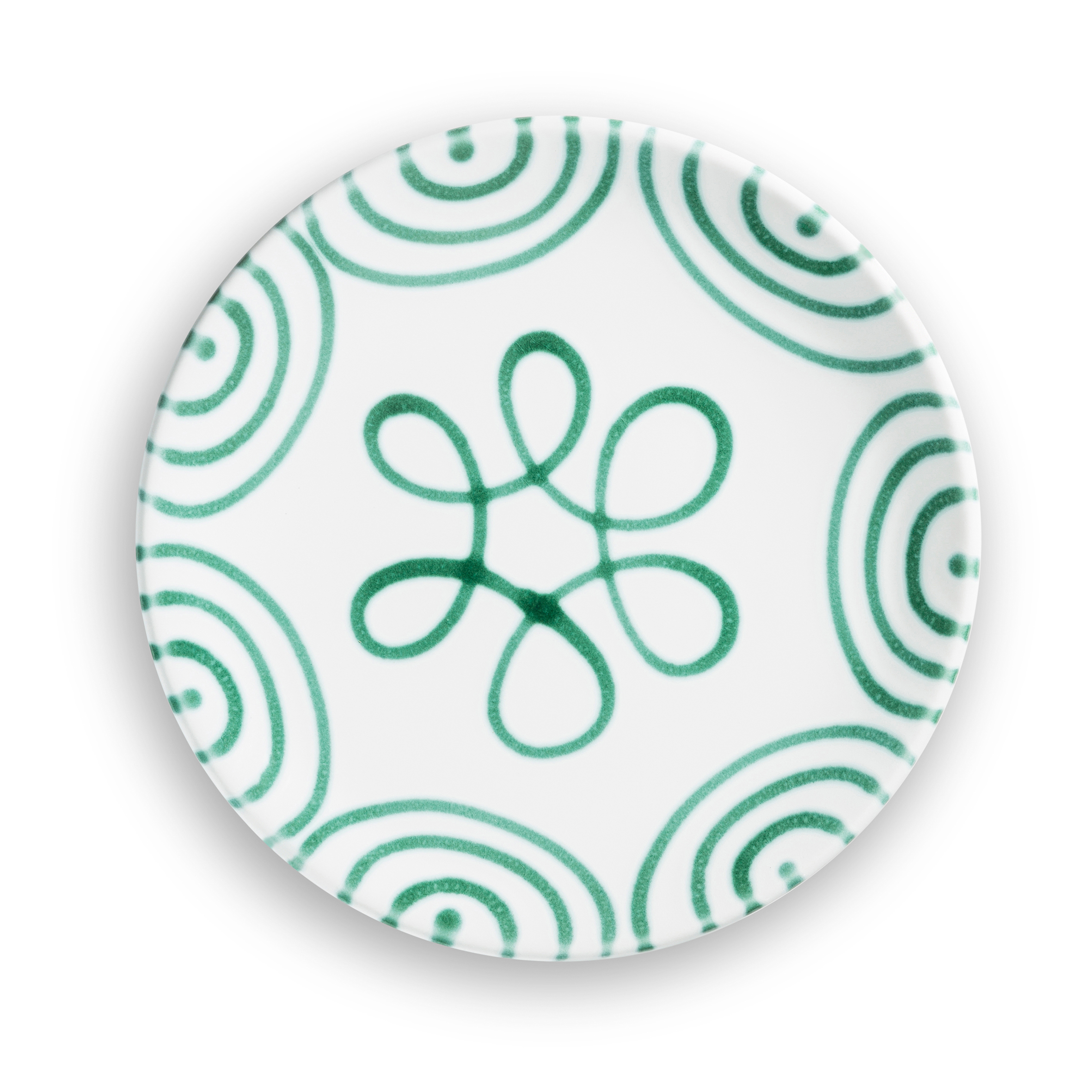
Inside the production
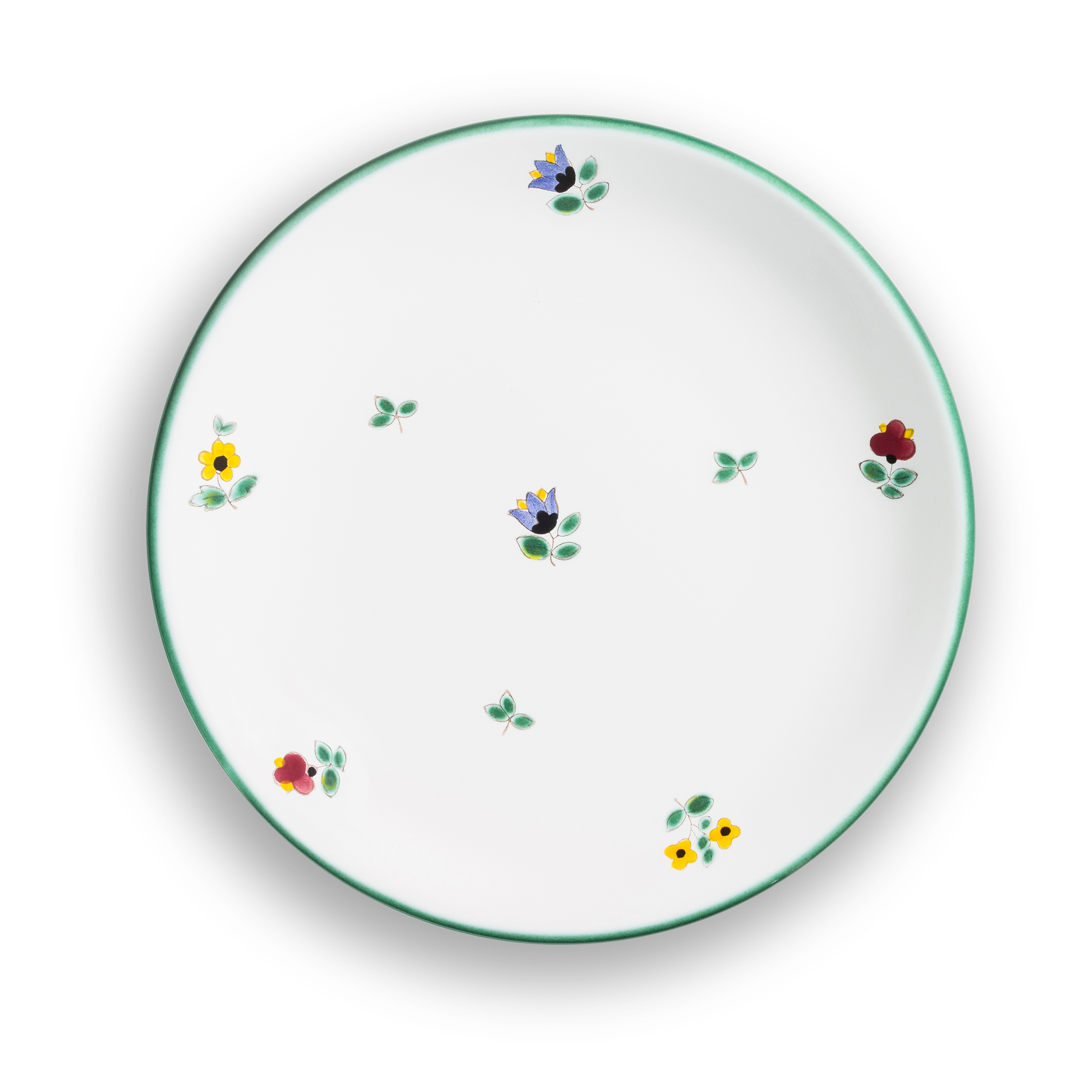



Industries
Processes & technical limits
| Processes | Tolerance | Max. part | Weight | Lot size | Materials |
|---|---|---|---|---|---|
| Hand-crafted ceramics production (throwing and casting, retouching, sponging, painting, flammenCasting | – | – | – | 1 piece | Ceramics/clay, Glaze |
| Flammen decoration of ceramics (colour application with a fine hose, UNESCO intangible culturalSurface | – | – | – | – | Ceramics, Glaze colours |
| Hand painting of ceramics (e.g. Stag, Hunting, Ibex, scattered flowers)Surface | – | – | – | 1 piece | Ceramics |
| Personalised one-off production of ceramic products (from 1 piece, online configuration)Engineering | – | – | – | 1 piece | Ceramics |
| Glaze and colour mixing according to in-house recipesSurface | – | – | – | – | Clay, Glaze, Colours |
| Plaster mould production (hand-crafted, approx. 60 uses, recycled in cement works)Casting | – | – | – | – | Plaster |
Additional services
Reference customers
Company history
- 1492
First documented mention
- 1614
First products (pottery, lead-glazed earthenware)
- 1675
Origin of the Green Flammen decoration
- 1843
Purchase of the potter's house by Franz Schleiss
- 1903
Foundation of the Gmundner Tonwarenfabrik by Leopold Schleiss
- 1909
Artistic workshop of Franz and Emilie Schleiss
- 1913
Merger to form Vereinigte Wiener und Gmundner Keramik
- 1968
Acquisition by Johannes Fürst Hohenberg; founding of Gruppe H
- 1975
Award of the coat of arms of the Republic of Austria; around 500 employees
- 1997
Private ownership of the von Moy family
- 2018
Acquisition by Markus Friesacher with approx. 130 employees
- 2019
Brand Store opened in Hallstatt
- 2021
Flammen decoration of ceramics recognised as UNESCO intangible cultural heritage;再次 awarded the coat of arms