Research and development in production engineering, optical technologies and quantum physics with technology transfer for industry

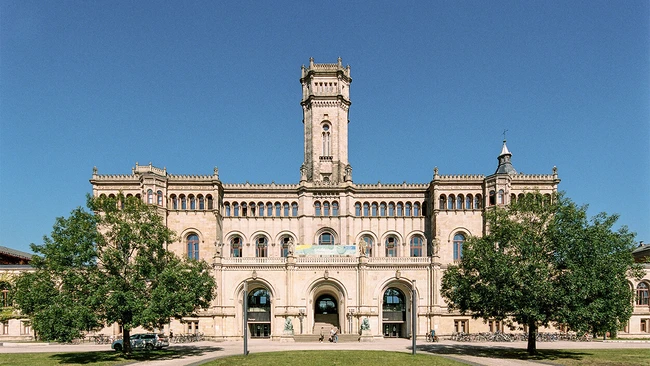
Gottfried Wilhelm Leibniz Universität Hannover
Hannover (Welfengarten 1, Welfenschloss) · Garbsen (Mechanical Engineering Campus, PZH)New on Amplifa
About Leibniz Universität Hannover
Gottfried Wilhelm Leibniz Universität Hannover (LUH) is a technical university founded in 1831 by Karl Karmarsch as the Higher Trade School, with around 26,000 students and more than 300 professorships. A central industry-relevant focus is production engineering: at the Mechanical Engineering Campus in Garbsen, the Production Technology Center Hannover (PZH) brings together seven institutes with around 260 scientists researching the entire production process chain – from materials and micro-production to manufacturing and forming technology, assembly and automation technology, through to factory planning and logistics. Further focus areas are optical technologies (including laser technology, the PhoenixD Cluster of Excellence), quantum optics and gravitational physics (QuantumFrontiers), energy research as well as biomedical research and engineering. For companies, LUH offers knowledge and technology transfer, expert placement, innovation audits, patent and intellectual property advice, and, via TEWISS GmbH, tailored engineering services. Locations are the Welfenschloss in Hannover and the Mechanical Engineering Campus in Garbsen.
- Site
- Hannover
- Processes
- Continuing academic education, Knowledge and technology transfer, Expert placement, Innovation audit, Patent and intellectual property advice, Business start-up support (starting business), Engineering services via TEWISS GmbH, Enterprise Europe Network
- Materials
- Production Engineering, Optical Technologies, Quantum Optics and Gravitational Physics, Energy Research
- Certificates
- System accreditation (higher education institution)
- Founded
- 1831
- Industries
- Production Engineering, Optical Technologies, Quantum Optics and Gravitational Physics, Energy Research, Biomedical Research and Engineering, Aerospace
- 01
Research and development (materials, manufacturing and forming technology,
- 02
Knowledge and technology transfer
- 03
Patent and intellectual property advice
- 04
Licensing and cooperative projects
- 05
Engineering services (TEWISS GmbH)
- 06
Continuing academic education
Research Fields and Processes
Production Engineering
Research into the entire production process chain, from materials through manufacturing and forming technology to assembly, automation and factory planning.
Optical Technologies
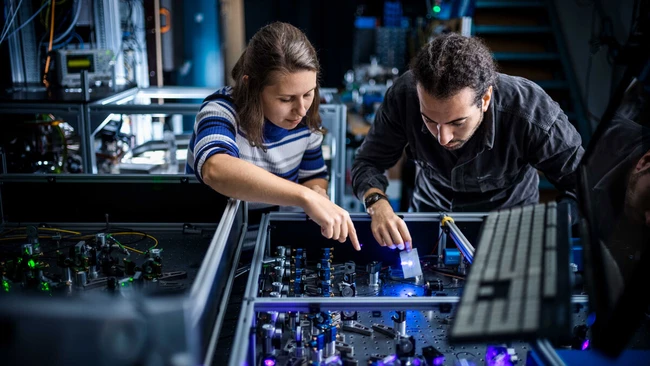
Laser technology and optical manufacturing, among other things in the PhoenixD Cluster of Excellence and the Hannover Centre for Optical Technologies (HOT).
Quantum Optics and Gravitational Physics
Fundamental research on lasers and quantum metrology, including involvement in gravitational wave detectors and quantum networks.
Energy Research
Research into energy systems and hydrogen technologies, among other things in the Leibniz Research Centre Energy 2050 (LiFE 2050).
Locations
Hannover
DEMain location with administration, faculties and the University Executive (Welfenschloss)
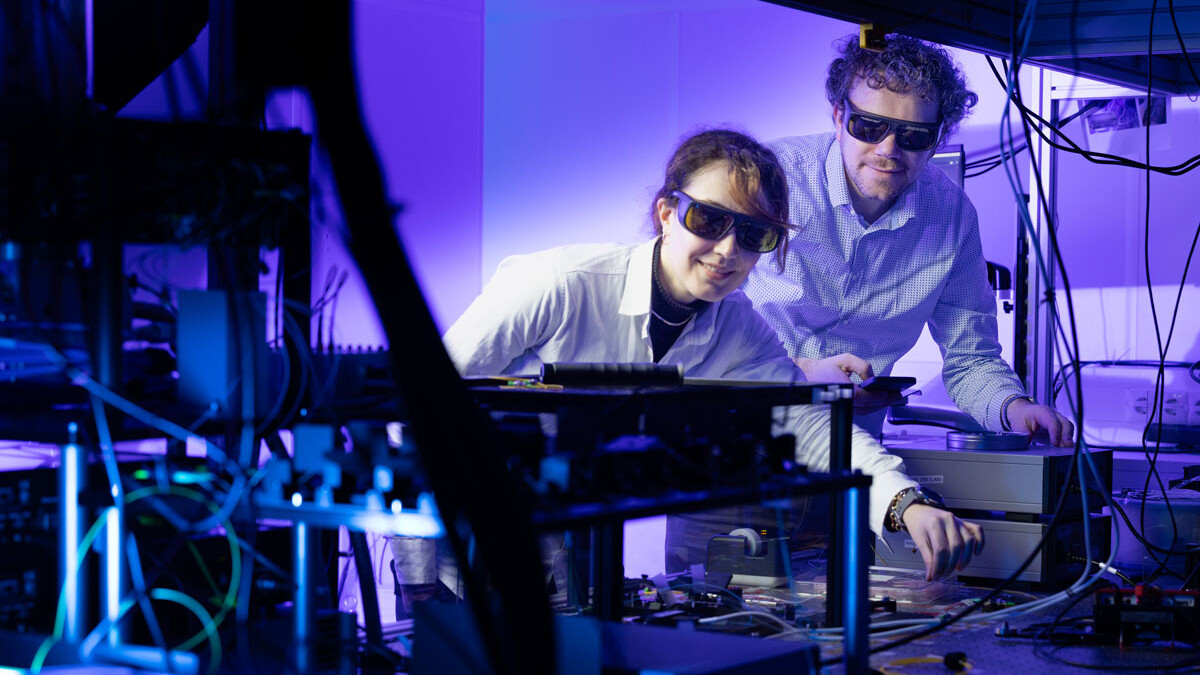
Garbsen
DEMechanical Engineering Campus with the Production Technology Center (PZH): research into materials, manufacturing,
- Production Technology Center Hannover (PZH)
- 7 institutes
- TEWISS GmbH (engineering services on site)
Research and Transfer Services
Inside the production

Industries
Additional services
Quality and Scientific Practice
LUH ensures good scientific practice through clear regulations, evaluations and benchmarking, as well as a central ethics commission. In study and teaching, as a system-accredited higher education institution, it is independently responsible for its quality management (LQL programme).
| Evidence | Hannover |
|---|---|
| System accreditation (higher education institution) |
History
- 1831
Founded as the Higher Trade School of Hannover by Karl Karmarsch with 64 pupils
- 2026
Around 26,000 students, 6,032 new enrolments for the winter semester 2026/27; three Clusters of Excellence (PhoenixD, Hearing4all, QuantumFrontiers)