
Hansaplast develops and distributes wound care products such as self-adhesive plasters, hydrocolloid dressings, spray plasters, wound sprays as well as sports bandages and tapes.

Hansaplast (Marke der Beiersdorf AG)
HamburgNew on Amplifa
About Hansaplast
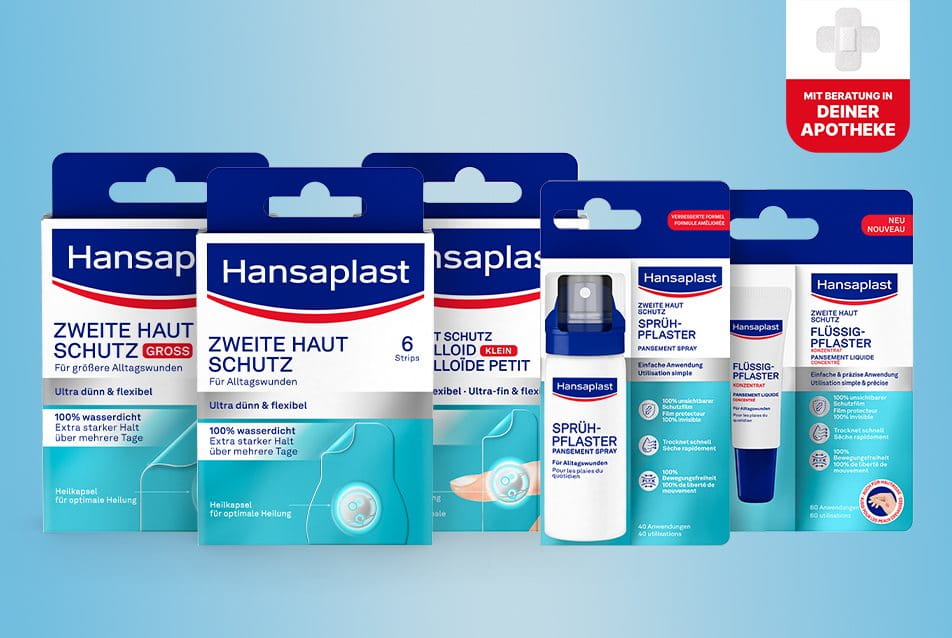
Hansaplast is a brand of Beiersdorf AG based in Hamburg and has been part of the company's product range since 1922. Under the brand, wound care products are manufactured and distributed, including self-adhesive plasters with wound pads, hydrocolloid plasters of the Second Skin Protection product line, liquid and spray plasters, wound sprays for antiseptic wound cleansing, fixation plasters, plaster by the metre as well as bandages and tapes for sports. The products are based on backing materials such as textile, nonwoven fabric, water-repellent films and polyurethane as well as on adhesive masses, hydrocolloid particles and non-adherent wound pads made of viscose fibres; natural rubber latex is expressly not used in the latex-free product lines. Hansaplast targets consumers in retail and, through cooperations, organisations such as the German Red Cross and the Youth Red Cross. The products are distributed in Germany and internationally, among others in Chile, the United Kingdom and Australia.
- Site
- Hamburg
- Processes
- Plaster production (self-adhesive wound plasters with wound pad), Production of hydrocolloid plasters (Second Skin Protection, moist wound healing), Production of liquid/spray plasters (film formers), Production of wound spray (antiseptic wound cleansing, 360° spray head), Production of plaster-by-the-metre/roll plasters (individually cuttable), Wound Care, Wound Cleansing (Wound Spray), Foot Care
- Materials
- Hydrocolloid (hydrocolloid particles/hydrocolloid mass), Polyurethane (backing film), Viscose fibres (non-adherent wound pad), Textile (fabric plaster backing), Nonwoven fabric (plaster backing), Water-repellent film (film plaster backing), Natural rubber latex (expressly NOT used — latex-free plasters), Gutta-percha (historical gutta-percha plaster, 1882)
- Founded
- 1922 (mark
- Industries
- Medical Devices/Consumer Health, Wound Care, Foot Care, Sports
- 01
Research and Development
- 02
Material and Product Development
- 03
Plaster Production
- 04
Converting and Packaging
- 05
Distribution
Materials and Product Technologies
Polyurethane
Waterproof and breathable backing film in hydrocolloid plasters of the Second Skin Protection line.
Hydrocolloid
Absorbs wound exudate and creates moist wound healing conditions for faster healing.
Viscose Fibres
Non-adherent wound pad that prevents sticking to the wound.
Textile
Backing material for fabric plasters.
Nonwoven Fabric
Backing material for plasters, also as skin-friendly plaster by the metre.
Water-Repellent Film
Backing material for waterproof film plasters.
Natural Rubber Latex (not used)
Expressly not used in the latex-free plaster lines.
Ethanol Denat., Castor Oil, Ethylcellulose
Ingredients of the liquid plaster concentrate for film formation.
Gutta-Percha
Historical starting material of the coated plasters from 1882.
Locations
Hamburg
DEBeiersdorf headquarters, research and development centre
Products


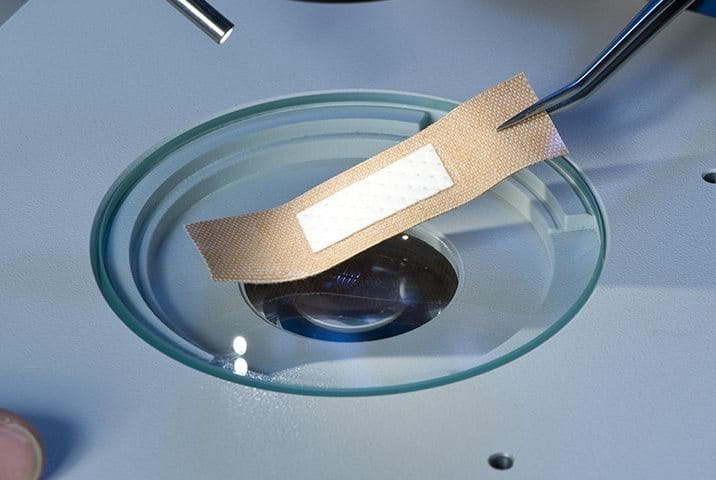
Inside the production


Industries
Processes & technical limits
| Processes | Tolerance | Max. part | Weight | Lot size | Materials |
|---|---|---|---|---|---|
| Plaster production (self-adhesive wound plasters with wound pad)Assembly | – | – | – | – | Textile (fabric), Nonwoven fabric, Film (water-repellent), Hydrocolloid, Polyurethane, Adhesive mass, Viscose fibres |
| Production of hydrocolloid plasters (Second Skin Protection, moist wound healing)Plastics | – | – | – | – | Hydrocolloid, Polyurethane |
| Production of liquid/spray plasters (film formers)Plastics | – | – | – | – | Ethanol Denat., Castor Oil, Ethylcellulose |
| Production of wound spray (antiseptic wound cleansing, 360° spray head)Assembly | – | – | – | – | – |
| Production of plaster-by-the-metre/roll plasters (individually cuttable)Assembly | – | 1 m × 6 cm | – | – | Nonwoven fabric, Adhesive mass |
Additional services
Reference customers
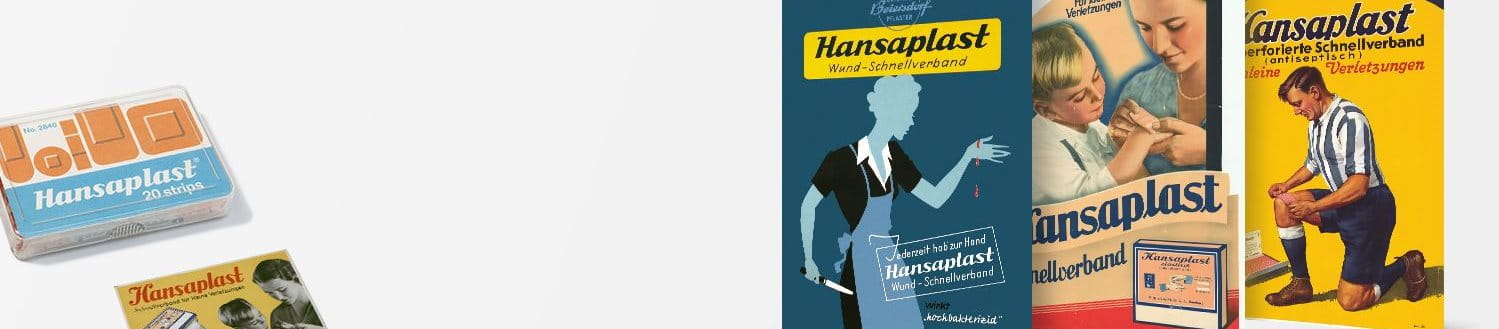
History
- 1882
Paul Carl Beiersdorf receives Patent No. 20057 for the production of coated plasters (gutta-percha plasters) – the birth hour of the company Beiersdorf.
- 1890
Dr. Oscar Troplowitz acquires the company from Paul C. Beiersdorf and builds a factory in 1892 for the further development of gauze plasters.
- 1922
Market launch of the first self-adhesive plaster with wound pad under the Hansaplast brand, named after the Hanseatic city of Hamburg.
- 1928
Introduction of the ABC plaster for heat therapy.
Introduction of flexible, ready-to-use wound pads under the name Hansaplast Elastic.
Production of waterproof plasters and finger bandages for the first time.
Introduction of the first individually packaged Hansaplast Strips.
Plasters with a non-adherent wound pad made of viscose fibres.
Introduction of hypoallergenic plasters.
- 2008
Complete redesign of the brand (logo and packaging design).
- 2014
Introduction of today's logo design.