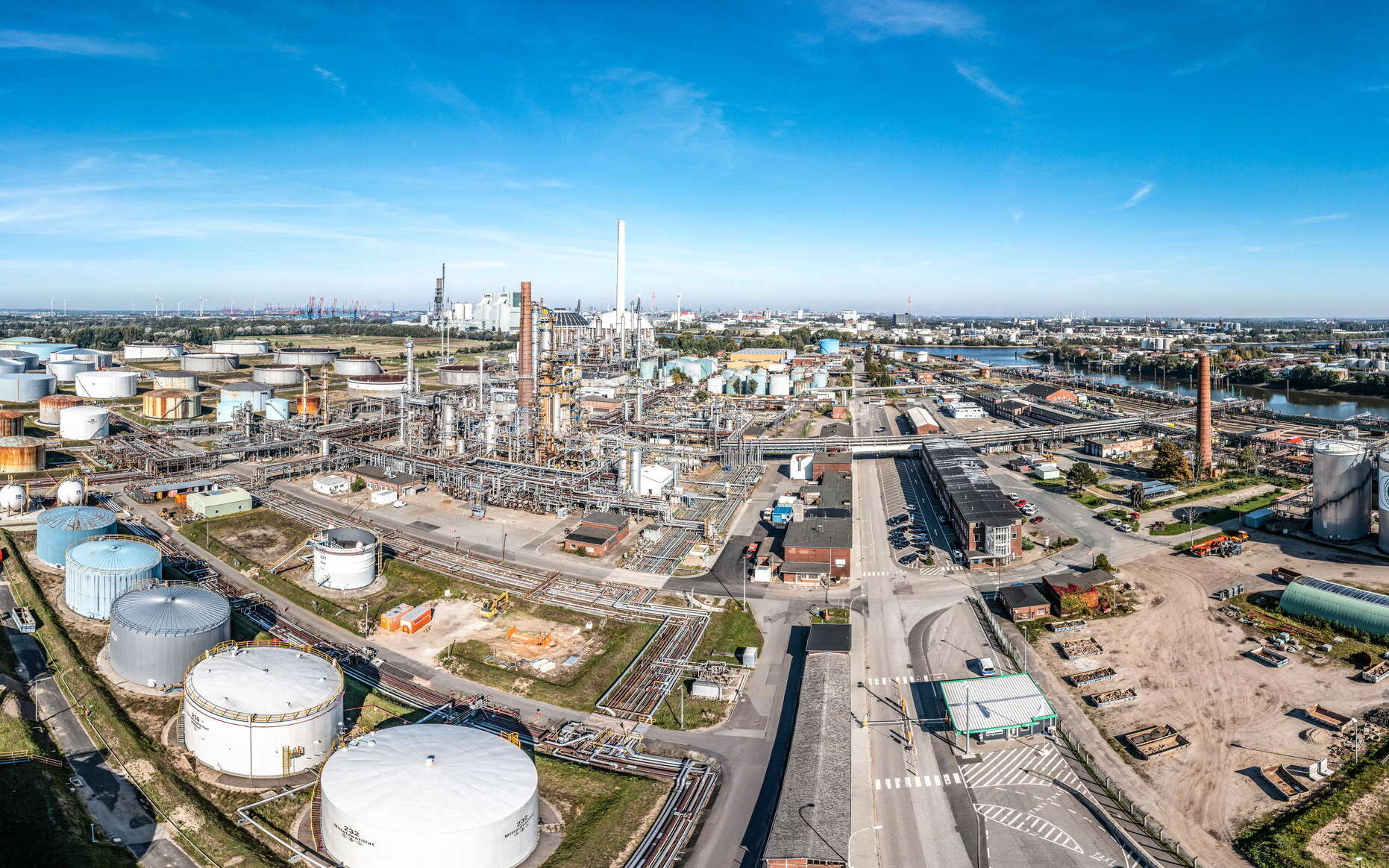
Refinery in Hamburg-Harburg: processing of 5 million t of crude oil per year into fuels, heating oil and basic chemical feedstocks

HOLBORN Europa Raffinerie GmbH
Hamburg-HarburgNew on Amplifa
About HOLBORN Europa Raffinerie
HOLBORN Europa Raffinerie GmbH operates an oil refinery in the Hamburg district of Harburg and processes around 5 million tonnes of crude oil per year (100,000 barrels per day). Operating as a toll processor, the refinery produces fuels, heating oil and chemical feedstocks such as cyclohexane and propylene on behalf of its sister company HOLBORN European Marketing Company Limited (HEMCL). The process includes crude oil distillation, catalytic cracking, desulfurization, isomerization and the blending of products to customer specifications, including the addition of bioethanol. The crude oil is supplied via the 142 km pipeline of the subsidiary Norddeutsche Ölleitung (NDO) from Wilhelmshaven to Hamburg. The products supply Hamburg and northern Germany with mobility and heat; around one fifth of German cyclohexane production comes from the plant. The company belongs via HOLBORN Investment Company Limited to Oilinvest (Netherlands) B.V., employs over 450 staff and, with the GDP plant from 2027 onwards, is ramping up the production of renewable diesel and sustainable aviation fuel (SAF).
- Site
- Hamburg
- Processes
- Crude oil distillation, Catalytic cracking unit (catalytic cracking), Deep desulfurization unit for diesel, Gas oil desulfurization unit, Flue gas desulfurization unit (REA), Isomerization, Crack-LPG recovery unit (propylene production), Cyclohexane unit (cyclohexane production)
- Materials
- Crude oil (20 grades of various origins), Gasoline, Diesel, Heating oil, Propylene, Cyclohexane, Hydrogen, LPG (liquefied petroleum gas)
- Certificates
- In-house laboratory (product control)
- Founded
- 1928 (firs
- Employees
- over 450
- Industries
- Petroleum/Refining, Fuel supply, Heating oil/Heat, Chemical industry (feedstocks), Chemical industry (feedstocks such as cyclohexane, propylene)
- 01
Crude oil delivery by pipeline from Wilhelmshaven (NDO, 142 km)
- 02
Desalting
- 03
Crude oil distillation
- 04
Catalytic cracking
- 05
Upgrading (desulfurization, isomerization)
- 06
Production of chemical feedstocks (cyclohexane, propylene, hydrogen)
- 07
Blending to customer requirements including bio-components
- 08
Storage and dispatch (harbor, rail station, tanker truck loading station)
Crude Oils and Products
Crude oil (20 grades of various origins)
Feedstock for processing, delivered via pipeline or harbor.
Gasoline
Fuel blended with bioethanol, picked up by up to 500 tanker trucks daily.
Diesel
Low-sulfur to sulfur-free fuel from the deep desulfurization unit.
Heating oil
Heating product for private and commercial heat supply in northern Germany.
Cyclohexane
Feedstock for the chemical industry (among others nylon), around one fifth of German production.
Propylene
Chemical feedstock from the crack-LPG recovery unit.
LPG (liquefied petroleum gas)
Product of the catalytic cracking unit.
Hydrogen
Produced in-house since 2002 for the refinery's hydrotreating processes.
Bioethanol / bio-components
Blending component to reduce the CO2 footprint of the fuels.
Renewable diesel
Planned from 2027: 220,000 t/year from the GDP plant from residual and waste materials.
SAF (sustainable aviation fuel)
Production planned from 2027 in the GDP plant.
Locations
Hamburg-Harburg
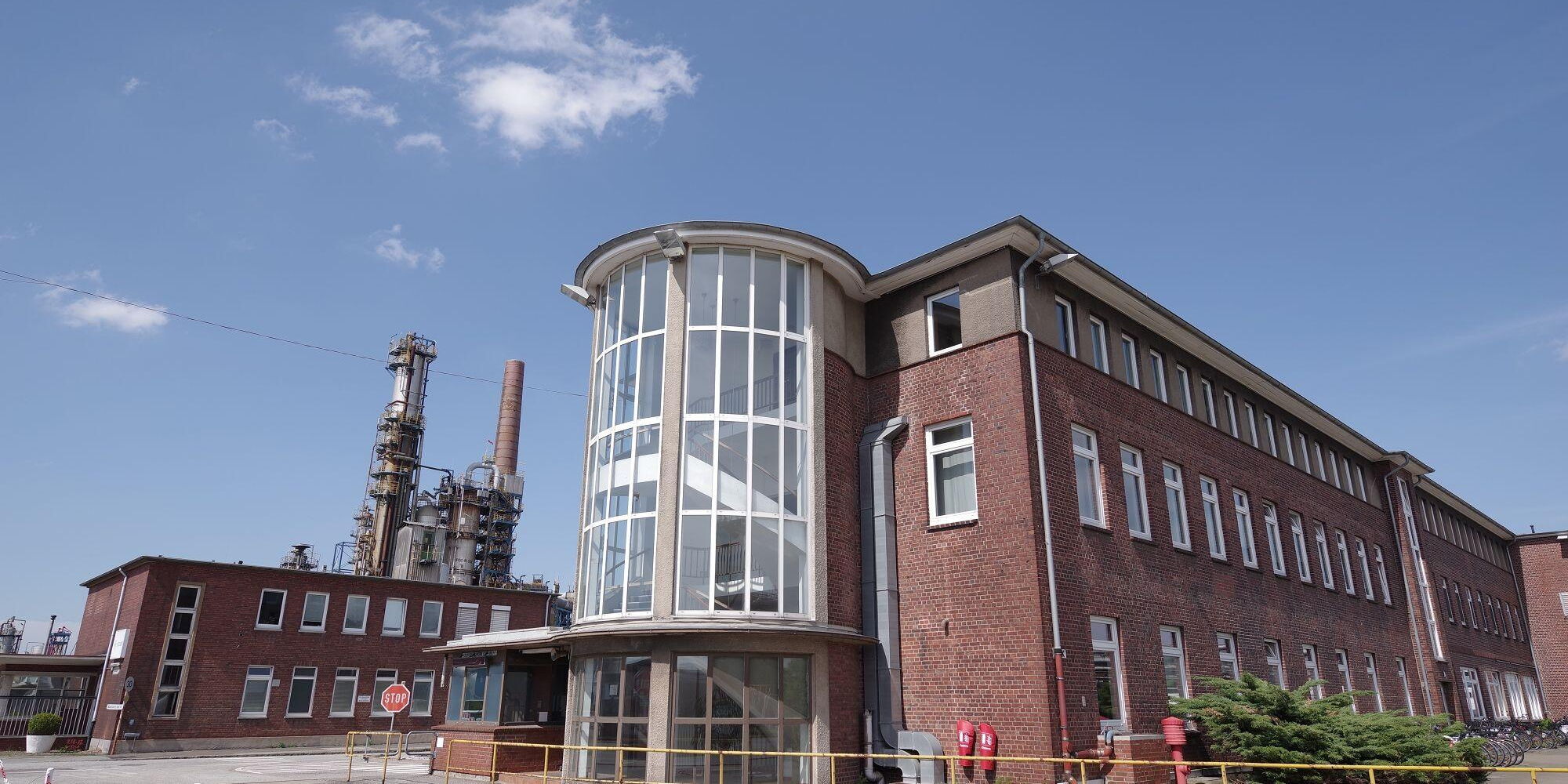
DERefinery site with crude oil distillation, catalytic cracking unit, tank farm and logistics
- Lot size
- Continuous 24/7 operation
- Materials
- Crude oil (20 grades), gasoline, diesel, heating oil, cyclohexane, propylene
Products
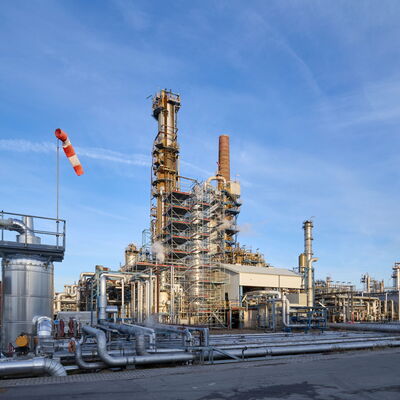
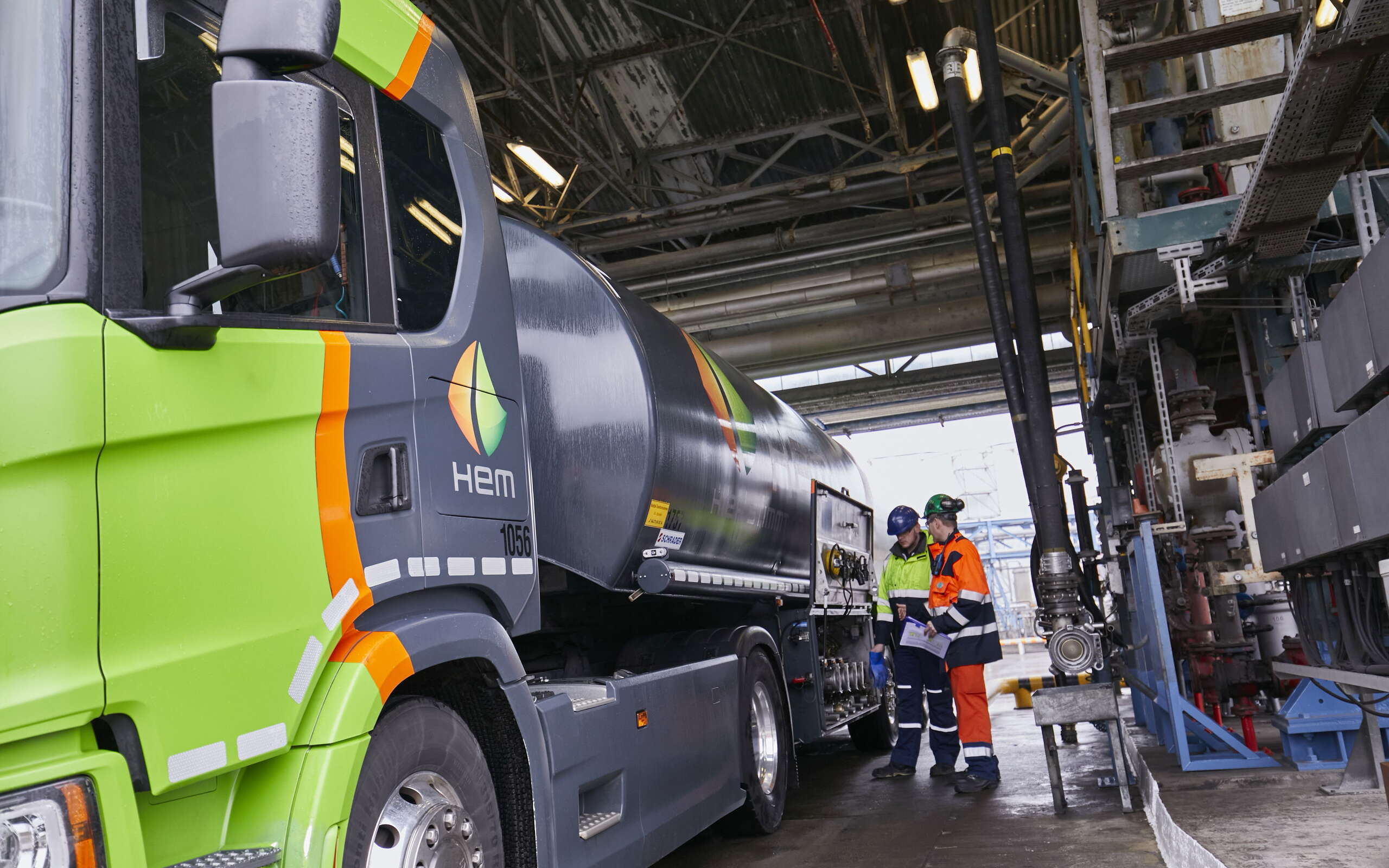
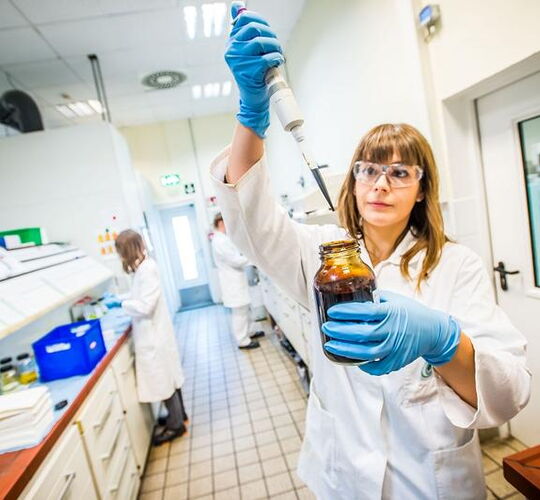
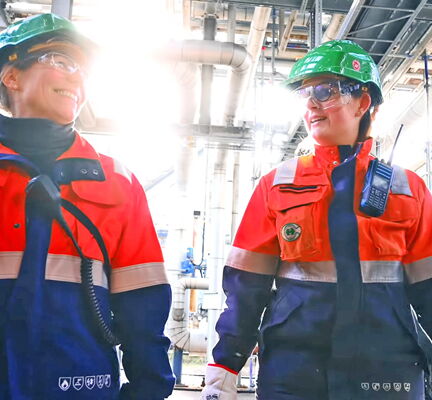
Inside the production
Industries
Processes & technical limits
| Processes | Tolerance | Max. part | Weight | Lot size | Materials |
|---|---|---|---|---|---|
| Crude oil distillationEngineering | – | – | 100,000 barrels of crude oil per day | – | Crude oil |
| Catalytic cracking unit (catalytic cracking)Engineering | – | – | – | – | Crude oil |
| Deep desulfurization unit for dieselSurface | – | – | – | – | Diesel |
| Gas oil desulfurization unitSurface | – | – | – | – | Gas oil, Diesel, Heating oil |
| Flue gas desulfurization unit (REA)Surface | – | – | – | – | Flue gas |
| IsomerizationEngineering | – | – | – | – | – |
| Crack-LPG recovery unit (propylene production)Engineering | – | – | – | – | LPG, Propylene |
| Cyclohexane unit (cyclohexane production)Engineering | – | – | – | – | Cyclohexane |
| Hydrogen productionEngineering | – | – | – | – | Hydrogen |
| GDP plant (renewable diesel and sustainable aviation fuel SAF from residual and waste materials)Engineering | – | – | 220,000 t per year (planned from 2027) | – | Renewable diesel, SAF (sustainable aviation fuel), Residual and waste materials |
| Desalting (desalter)Engineering | – | – | – | – | Crude oil |
| Product mixing/blending including the addition of bioethanol or bio-componentsEngineering | – | – | – | – | Gasoline, Diesel, Heating oil, Bioethanol, Bio-components |
| Vapor recovery during the loading of tanker trucks, tank wagons and shipsSurface | – | – | – | – | – |
| Toll processing (crude oil processing on behalf of others)Engineering | – | – | 5 million tonnes of crude oil | – | Crude oil |
| In-house laboratory: product control and analyses from crude oil delivery to product dispatchTesting | – | – | – | – | Petroleum products |
| Product storage and logistics (tank farm, own harbor with 6 berths, on-site rail station,Engineering | – | – | – | up to 500 tanker trucks per day | Gasoline, Diesel, Heating oil |
17 Anlagen & Maschinen
| Machine | Manufacturer / model | Quantity | Working area | Year built | Site |
|---|---|---|---|---|---|
| Crude oil distillation unit | – | 1 | 100,000 barrels of crude oil per day (capacity for light crude oils since 1997) | – | Hamburg |
| Catalytic cracking unit | – | 1 | – | – | Hamburg |
| Isomerization unit | – | 1 | – | 1999 | Hamburg |
| Cyclohexane unit | – | 1 | – | 2003 | Hamburg |
| Crack-LPG recovery unit | – | 1 | – | 1990 | Hamburg |
| Deep desulfurization unit for diesel | – | 1 | – | 2002 | Hamburg |
| Gas oil desulfurization unit | – | 1 | – | 2006 | Hamburg |
| Hydrogen production unit | – | 1 | – | 2002 | Hamburg |
| GDP plant (renewable fuels) | – | 1 | 220,000 t of renewable diesel/SAF per year (from 2027) | 2024 (Baus | Hamburg |
| Flue gas desulfurization unit (REA) | – | 1 | – | 2025 | Hamburg |
| Vapor recovery units | – | – | – | 1990/91 | Hamburg |
| Tank farm (tanks of various sizes) | – | approx. 70 | largest tank: capacity of 32 Olympic swimming pools | – | Hamburg |
| Tanker truck loading station | – | 1 | 600 tank and tank wagons can be loaded daily | – | Hamburg |
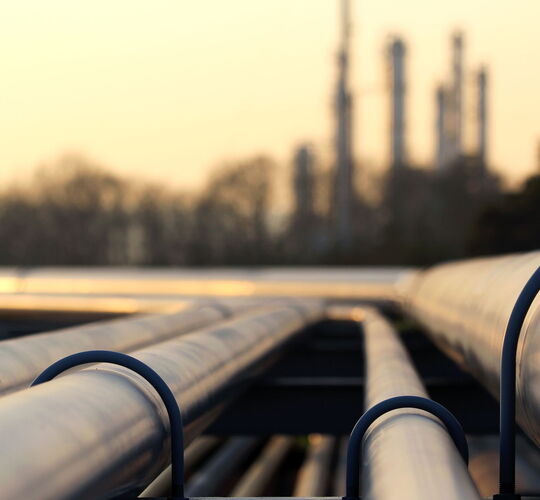
| Long-distance petroleum pipeline (Norddeutsche Ölleitung pipeline, operated by subsidiary NDO) | – | 1 | 142 km, around 5 million tonnes of crude oil per year from Wilhelmshaven to Hamburg | 1989 (Inbe | Wilhelmshaven–Hamburg |
| Company-owned harbor | – | 6 berths | – | – | Hamburg |
| Exhaust gas cleaning systems | – | – | – | – | Hamburg |
| Wastewater treatment plant | – | – | – | – | Hamburg |
Additional services
Reference customers
Quality
In the company's own laboratory, the entire production process from crude oil delivery to product dispatch is monitored through regular product sampling and analyses. The goal is to always deliver a quality above the DIN standard; around 2,000 safety and measuring devices monitor the plants.
| Evidence | Hamburg-Harburg |
|---|---|
| In-house laboratory (product control) |
History
- 1928
First refinery facility at today's site by Ebano Asphaltwerke AG
- 1953
Esso takes over the facility and expands it several times
- 1985
Esso announces its withdrawal from the Hamburg refinery site
- 1987
The HOLBORN Group takes over the shut-down refinery and reactivates it
- 1988
Production of fuels and heating oils resumes after six months
- 1989
Crude oil delivery by pipeline from Wilhelmshaven (NDO, 142 km)
- 1990
Crack-LPG recovery unit; entry into propylene production
- 1990/91
Vapor recovery units for tanker trucks, tank wagons and ships
- 1997
Capacity for light crude oils increased from 80,000 to 100,000 barrels/day
- 1999
Commissioning of the isomerization unit; start of the Clean Fuels modernization project
- 2002
Deep desulfurization unit for diesel built along with hydrogen production
- 2003
Commissioning of the cyclohexane unit; refinery reaches its current configuration
- 2005
Early compliance with new environmental standards through the blending of bio-components
- 2006
Conversion of the gas oil desulfurization unit; entire production low-sulfur/sulfur-free
- 2011
Among the ten most energy-efficient refineries in Europe
- 2018
30th anniversary of HOLBORN Europa Raffinerie
- 2023
35 years of HOLBORN; increasingly green projects
- 2024
Construction start of the GDP plant (first of its kind in Germany) for 220,000 t/year of renewable diesel and SAF from 2027
- 2025
Commissioning of the flue gas desulfurization unit (REA)