Historic foundry ensemble and ironworks museum – run on a volunteer basis by the Förderkreis Königshütte Bad Lauterberg e.V.
Industriedenkmal Königshütte Bad Lauterberg im Harz
Königshütte 1, 37431 Bad LauterbergNew on Amplifa
About the Königshütte
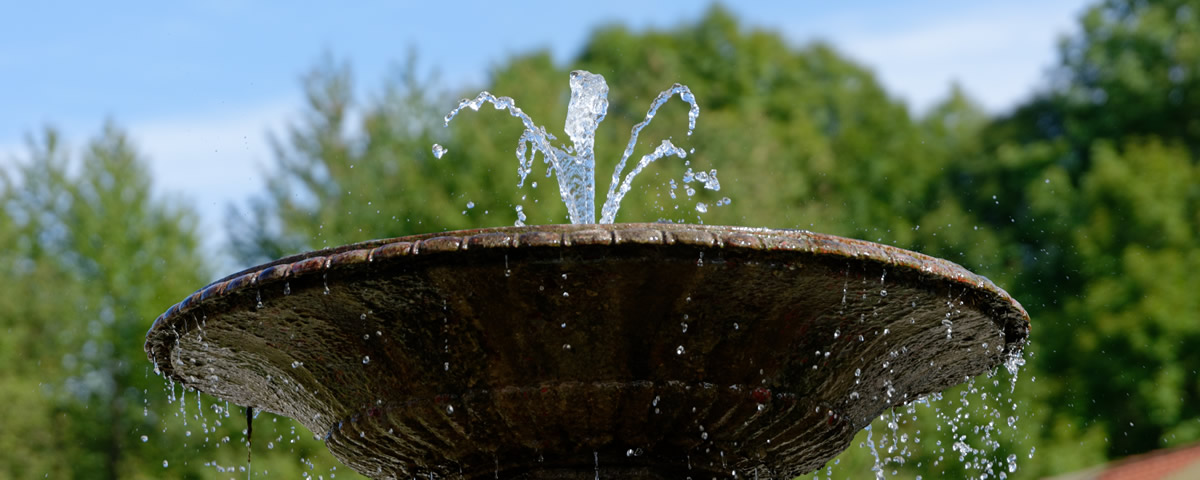
The Königshütte in Bad Lauterberg in the Harz was built in 1733 as an Electoral Hanoverian ironworks with a foundry operation and was the largest ironworks of the Electorate of Brunswick-Lüneburg. The complex comprised blast furnace operation, a foundry, artistic casting and, from 1834, a wire-drawing plant for wire ropes; iron products for Harz mining were manufactured as well as art casting products such as cannons, obelisks, grave crosses and the cast-iron fountain for the 1889 Paris World Exhibition. Pig iron production ended in 1863 and the foundry operation in 2001. Today, the listed ensemble has been recognised since October 2014 as a cultural monument of national significance and is used as a museum. The Förderkreis Königshütte Bad Lauterberg e.V., founded in 1983, operates the South Harz Ironworks Museum on a volunteer basis, offers guided tours of the ensemble, through the historic foundry with cupola furnaces, the iron warehouse and the machine factory, and demonstrates historic machines from 1875 in running operation. An archive with around 5,000 technical drawings from the years 1875 to 1935 documents the former production.
- Site
- Bad Lauterberg
- Processes
- Foundry operation (historic, discontinued 2001), Art casting, Blast furnace operation / pig iron production (historic, ended 1863), Wire drawing (historic), Machine factory / mechanical engineering (historic), Guided tours of the ensemble and through the South Harz Ironworks Museum, Demonstration of historic machines (from 1875) in running operation, Archive with approx. 5,000 technical drawings (1875–1935), not open to the public
- Materials
- Iron, Cast iron, Pig iron, Iron ore
- Certificates
- Listed building protection, Cultural monument of national significance (2014)
- Founded
- 1733
- Industries
- Museum / Heritage preservation, Historic foundry (blast furnace, foundry, wire drawing), Historic foundry (former blast furnace plant, foundry, wire drawing)
- 01
Ore source (Roter Bär mine, among others)
- 02
Smelting in blast furnaces (until 1863)
- 03
Foundry/art casting (until 2001)
- 04
Wire-drawing plant (from 1834)
- 05
Machine factory (historic)
- 06
Museum and museum use (today)
Historic Materials and Processes
Iron
Base material of the historic iron products for Harz mining and of the wire ropes.
Cast iron
Material of the art castings, including for the 1889 World Exhibition fountain, obelisks and grave crosses.
Pig iron
Product of smelting in the two blast furnaces until 1863.
Iron ore
Raw material from the Roter Bär mine and other Harz mines.
Site
Bad Lauterberg
DEIndustrial monument: foundry ensemble with South Harz Ironworks Museum, machine factory and iron warehouse
- Materials
- Iron, cast iron (historic)
- 2 cupola furnaces (historic foundry)
- 2 blast furnaces (until 1863)
- Historic machines from 1875 (machine factory)
Historic Products
Inside the production
Industries
Processes & technical limits
| Processes | Tolerance | Max. part | Weight | Lot size | Materials |
|---|---|---|---|---|---|
| Foundry operation (historic, discontinued 2001)Casting | – | – | – | – | Iron, Cast iron |
| Art castingCasting | – | – | – | – | Cast iron |
| Blast furnace operation / pig iron production (historic, ended 1863)Casting | – | – | – | – | Pig iron |
| Wire drawing (historic)Forming | – | – | – | – | Iron |
| Machine factory / mechanical engineering (historic)Engineering | – | – | – | – | – |
3 Anlagen & Maschinen
| Machine | Manufacturer / model | Quantity | Working area | Year built | Site |
|---|---|---|---|---|---|
| Cupola furnace | – | 2 | – | – | Bad Lauterberg |
| Blast furnace | – | 2 | – | bis 1863 | Bad Lauterberg |
| Historic machines of the machine factory | – | – | – | ab 1875 | Bad Lauterberg |
Additional services
Heritage Preservation
Preservation and maintenance of the listed ensemble is carried out by the volunteer-run Förderkreis; historic machines are demonstrated in running operation. The around 5,000 technical drawings (1875–1935) have been photographed and inventoried.
| Evidence | Bad Lauterberg |
|---|---|
| Listed building protection | |
| Cultural monument of national significance (2014) |
History
- 1580–1624
Predecessor plant Süssenhütte at the same site
- 1732–1737
Construction of the Königshütte as an Electoral Hanoverian state enterprise (architect Karl-Heinrich Mummenthey); 1733 founding as an ironworks with foundry operation
- 1820–1832
Second construction phase: conversion and modernisation of the plant
- 1834
Start of wire rope production
- 1859
Exhibition of Königshütte art cast goods at the trade exhibition of the Gewerbeverein für das Königreich Hannover
- 1863
End of pig iron production with two blast furnaces
- 1889
Cast-iron fountain made for the Paris World Exhibition
- 1983
Foundation of Förderkreis Königshütte Bad Lauterberg e.V.
- 1986
Ensemble placed under listed building protection
- 2001
Discontinuation of the foundry operation
- 2014
Recognition as a cultural monument of national significance