CNC machining of turned, milled parts and assemblies made of steel, stainless steel, aluminium, brass, red brass and plastics

innospan GmbH
Ruhr region (DE), directly on the A2New on Amplifa
About innospan
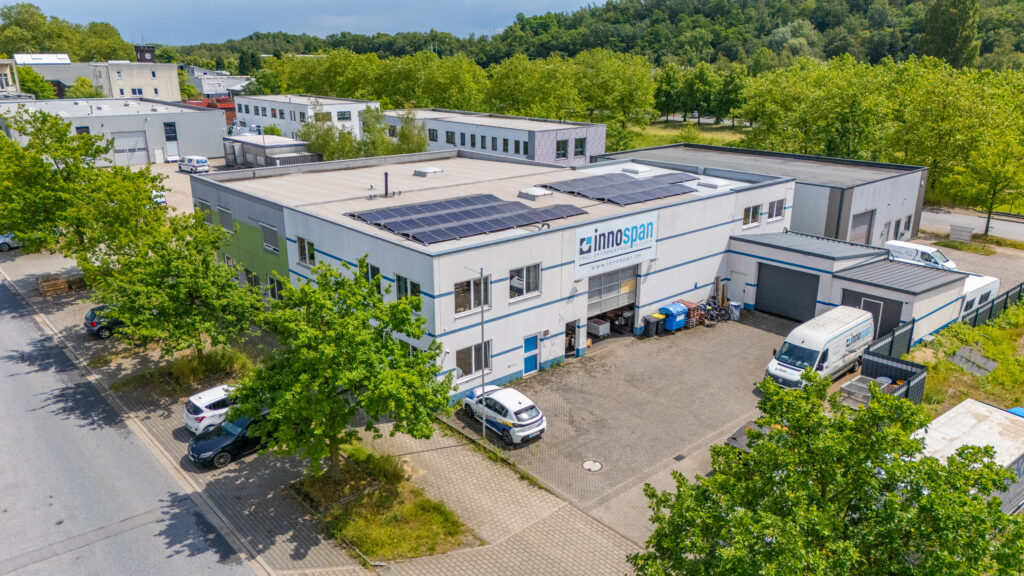
innospan GmbH is a second-generation family business based in the Ruhr region and active in machining since 1998. The company manufactures individual parts from a quantity of 1, prototypes, small and series runs up to 2,000 pieces using CNC turning and CNC milling on modern CNC machining centres. Materials processed include steel, stainless steel, aluminium, copper, brass, red brass and various plastics. The service portfolio covers CAD design, manufacturing and assembly of finished assemblies; finishing and further processing steps are carried out via a partner network, with innospan remaining the central point of contact. The site is located directly on the A2 motorway, enabling short routes for loading and unloading as well as rapid response to short-notice requests, for example in the event of plant downtime or spare-part needs. Customers from various industries are served personally and directly – from the initial idea to on-time delivery.
- Site
- Ruhr region (DE)
- Processes
- CNC turning technology (turning), CNC milling technology (milling), Part manufacturing (individual parts, prototypes, small series, series), Design / 3D design (CAD), Assembly / finished assemblies, Finishing and further processing steps (via partner network), Design, 3D design / CAD design
- Materials
- Steel, Stainless steel, Aluminium, Copper, Brass, Red brass, Plastics (various)
- Founded
- 1998
- Industries
- Various industries, various industries (not further specified)
- 01
Design / CAD engineering
- 02
CNC turning
- 03
CNC milling
- 04
Assembly of components
- 05
Finishing via partner network
- 06
Delivery
Materials
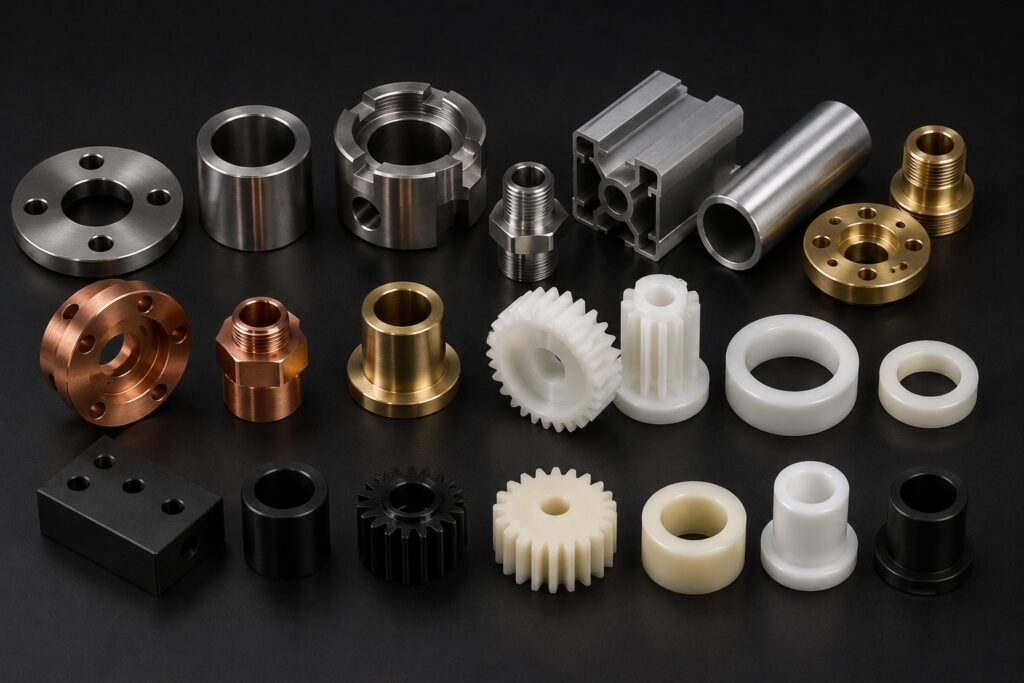
Steel
Universal engineering material for precision-machined individual and series parts.
Stainless steel
Corrosion-resistant components for demanding environments.
Aluminium
Lightweight material with high machinability for mechanical engineering and prototypes.
Copper
Processed for components with high conductivity requirements.
Brass
Easily machinable material, among other things for fittings and connector elements.
Red brass
Bearing and sliding material for mechanical components.
Plastics (various)
Various plastics for customised solutions depending on the application.
Site
Ruhr region
DEManufacturing site
- Lot size
- Individual parts from 1 piece up to series runs of 2,000 pieces
- Materials
- Steel, stainless steel, aluminium, copper, brass, red brass, plastics
- CNC machining centres
- Two 820-class machines (820 class)
Components
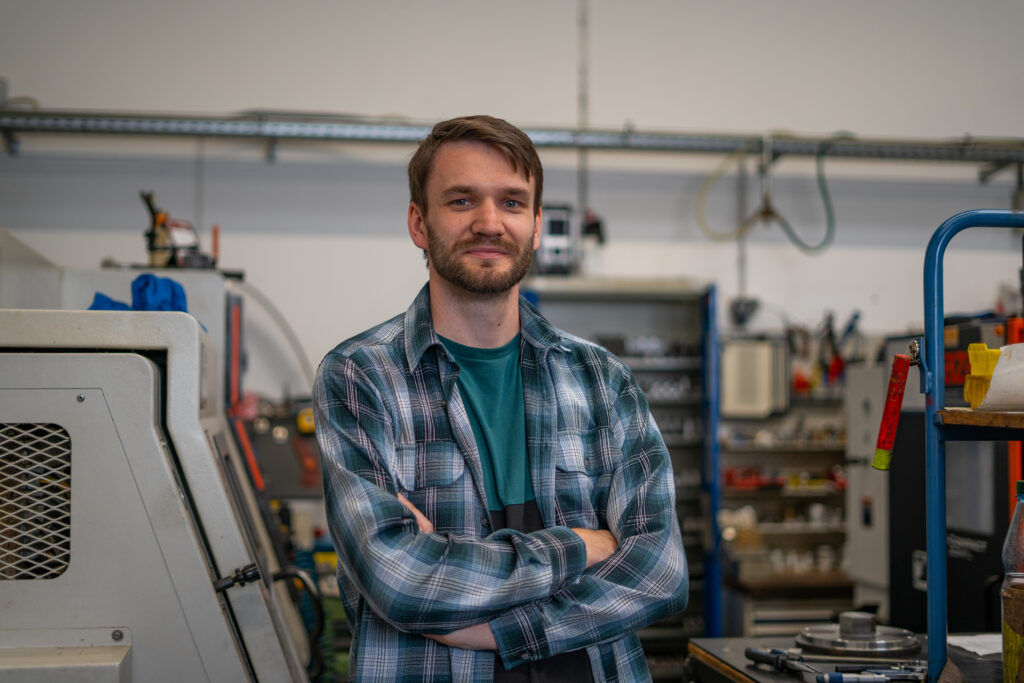
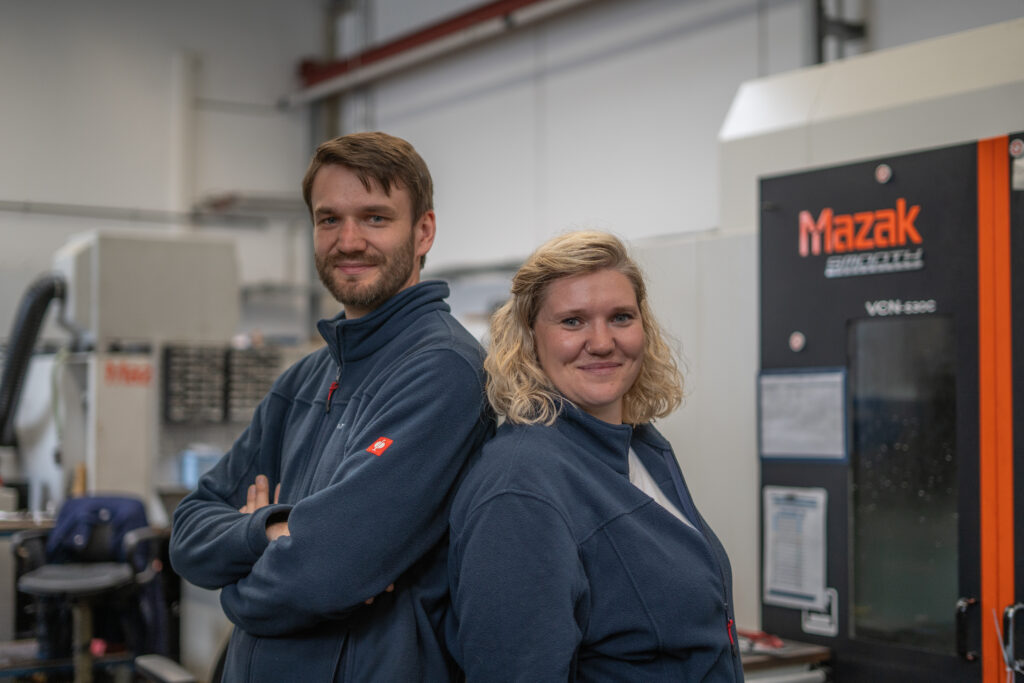
Inside the production
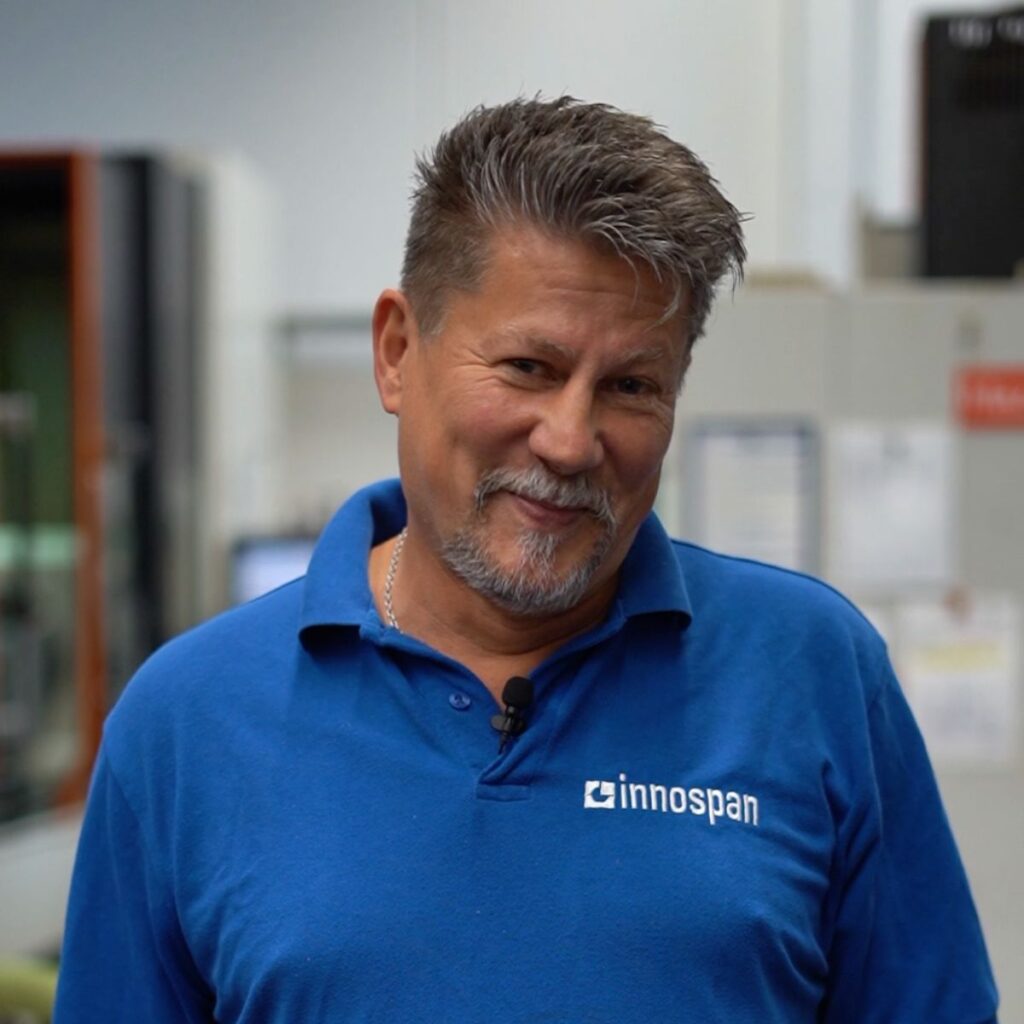
Industries
Processes & technical limits
| Processes | Tolerance | Max. part | Weight | Lot size | Materials |
|---|---|---|---|---|---|
| CNC turning technology (turning)Machining | – | – | – | 1 piece – 2,000 pieces | Steel, Stainless steel, Aluminium, Copper, Brass, Red brass, Plastics |
| CNC milling technology (milling)Machining | – | – | – | 1 piece – 2,000 pieces | Steel, Stainless steel, Aluminium, Copper, Brass, Red brass, Plastics |
| Part manufacturing (individual parts, prototypes, small series, series)Machining | – | – | – | 1 piece – 2,000 pieces | Steel, Stainless steel, Aluminium, Copper, Brass, Red brass, Plastics |
| Design / 3D design (CAD)Engineering | – | – | – | – | – |
| Assembly / finished assembliesAssembly | – | – | – | – | – |
| Finishing and further processing steps (via partner network)Surface treatment | – | – | – | – | – |
2 Anlagen & Maschinen
| Machine | Manufacturer / model | Quantity | Working area | Year built | Site |
|---|---|---|---|---|---|
| CNC machining centre (820-class, according to Instagram post two machines; presumably a milling | 820 | 2 | – | – | Ruhr region |
| CNC machining centres (general, modern equipment) | – | – | – | – | Ruhr region |
Additional services
History
- 1998
Founding of the family business; active in machining ever since, today run by the second generation.
- 2027
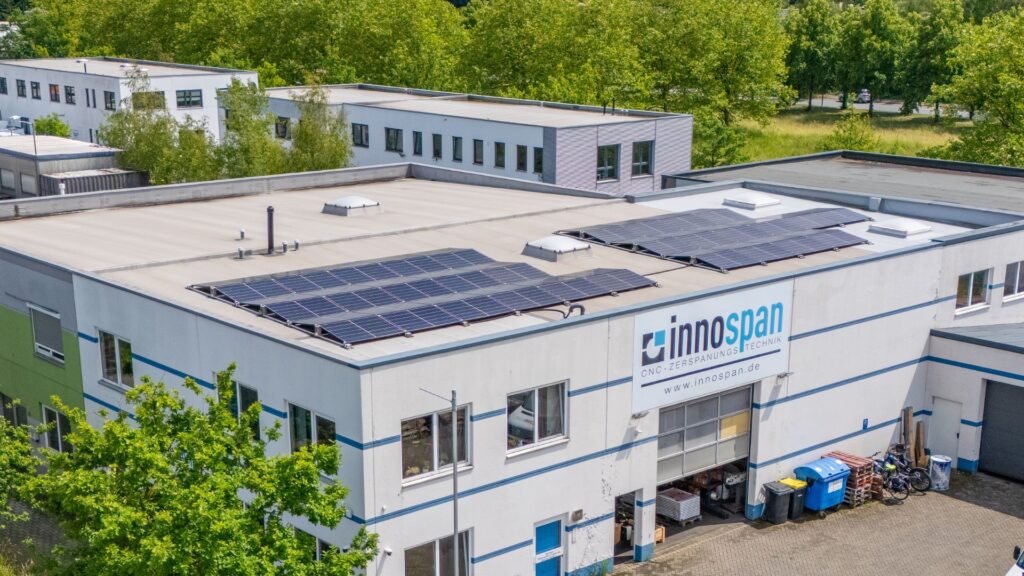
From 2027 to 2028, purchase of 120 MWh of renewably generated hydropower electricity, supplementing the existing photovoltaic system.