
KIT is an institution for research and teaching in the natural sciences, engineering, life sciences and economics with around 100 degree programs and industrial collaborations
Karlsruher Institut für Technologie (KIT)
Karlsruhe (Campus South, headquarters) · Karlsruhe (Campus East) · Karlsruhe (Campus West) · Eggenstein-Leopoldshafen (Campus North) · Garmisch-Partenkirchen (IMK-IFU) · Ulm (HIU) · Dresden (branchNew on Amplifa
About KIT
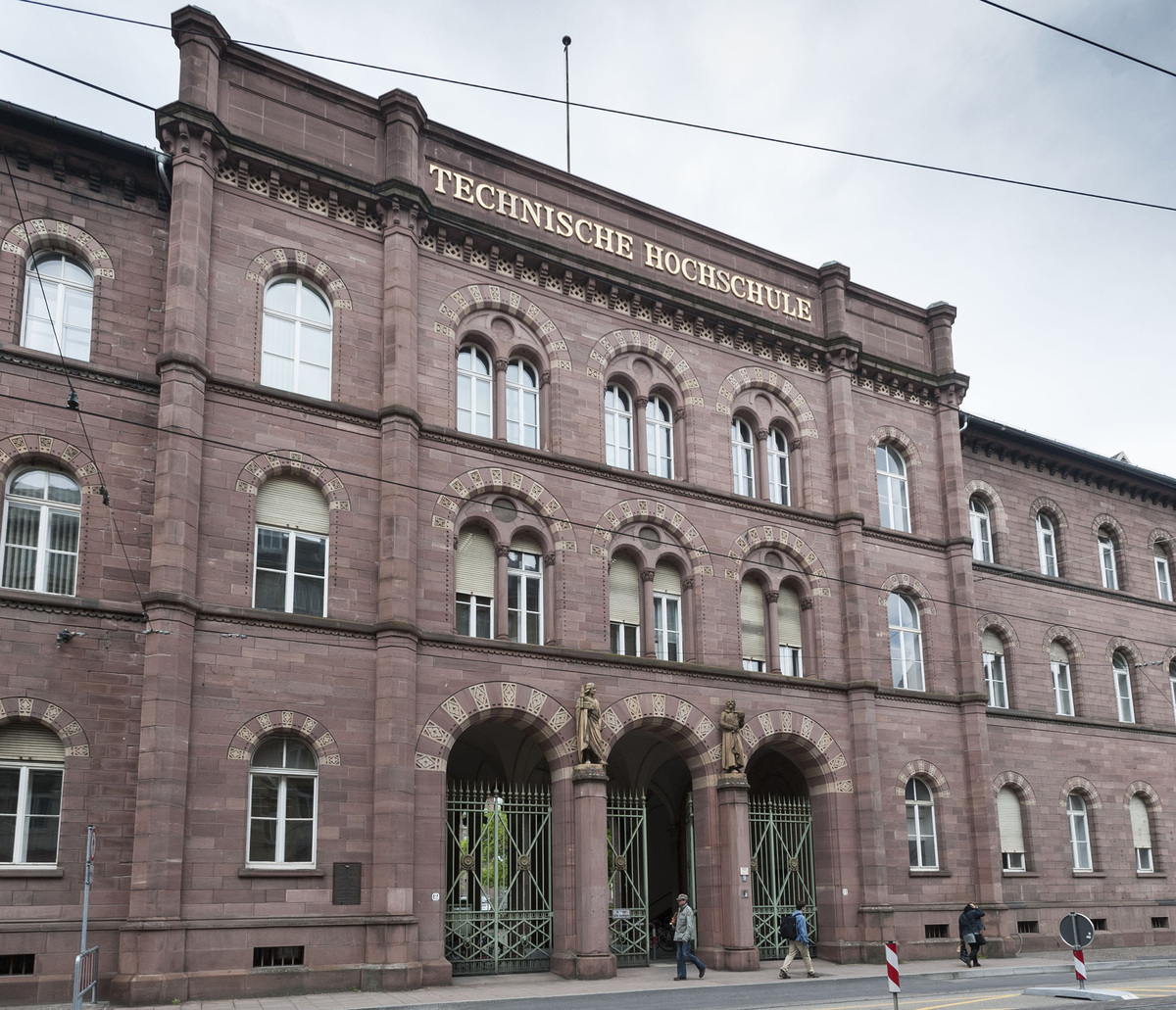
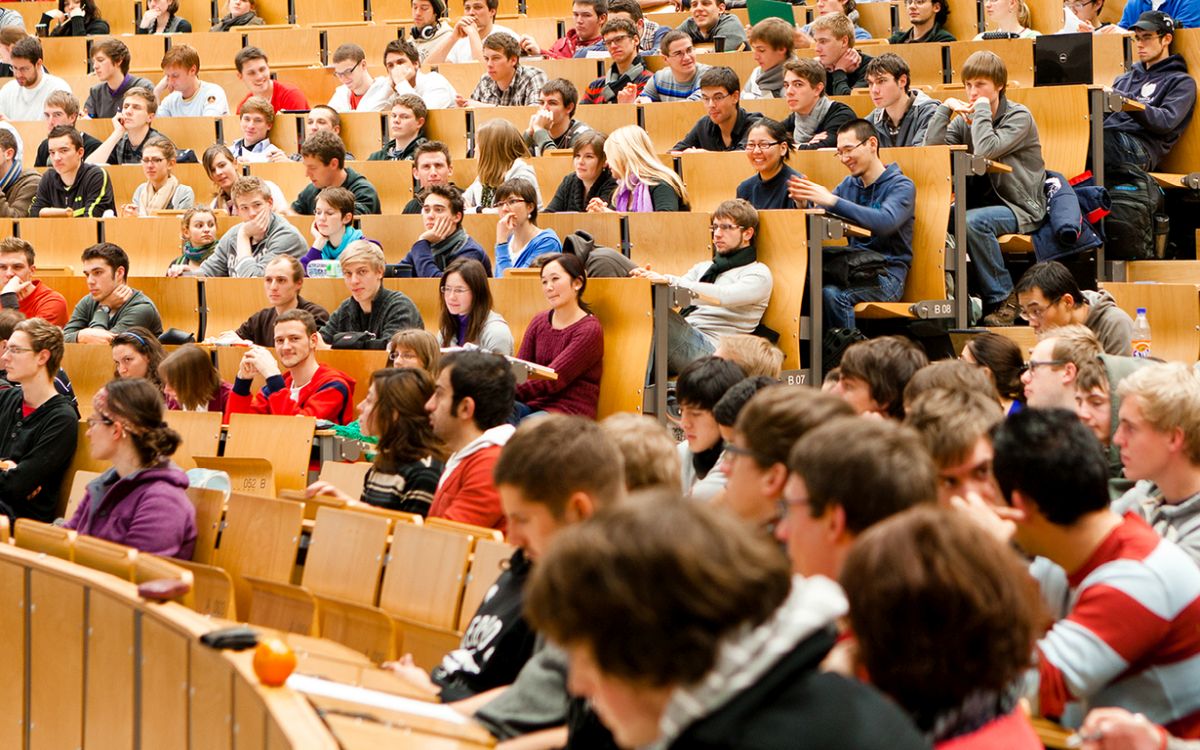
The Karlsruhe Institute of Technology (KIT) is a public law corporation formed in 2009 through the merger of the University of Karlsruhe (founded 1825 as Polytechnic School) and the Karlsruhe Research Center (founded 1956 as Kernreaktor Bau- und Betriebsgesellschaft mbH). KIT employs over 10,000 staff (2025) and offers around 100 Bachelor's and Master's degree programs. Its services include research, teaching, innovation and industrial collaborations as well as scientific computing and further education, including radiation protection courses. Research priorities include materials and nanomaterials, quantum technologies, energy, health, information, mobility as well as climate and environment. In the Cluster of Excellence 3D Matter Made to Order (together with Heidelberg University), three-dimensional additive manufacturing processes are researched from the molecular level to macroscopic dimensions, including nanoscale printing processes with high process speed and resolution. For industry and research, KIT operates a 20-kilometer fiber-optic test route for quantum communication between Campus South and Campus North. In the Industry Collaboration Index 2026, KIT ranked tenth in Germany with 1,235 verified joint scientific publications with companies (2021–2025). The main sites are Campus South (Kaiserstraße 12), Campus North (Eggenstein-Leopoldshafen), Campus East and Campus West in Karlsruhe as well as
- Site
- Karlsruhe
- Processes
- Study programs (around 100 Bachelor's and Master's programs), Research, Innovation/Industrial collaborations, Further education (including radiation protection courses), Scientific computing
- Materials
- Nanomaterials, Molecular-scale additive manufacturing, Superconducting materials and qubits, Europium molecular crystals, Nanostructured films
- Certificates
- University of Excellence (Excellence Strategy 2019)
- Founded
- 2009 (pred
- Employees
- over 10,000 (2025)
- Industries
- Energy, Materials/Nanomaterials, Quantum technologies, Information/Software, Health/Medical technology, Mobility
- 01
Research
- 02
Teaching (degree programs)
- 03
Innovation and technology transfer
- 04
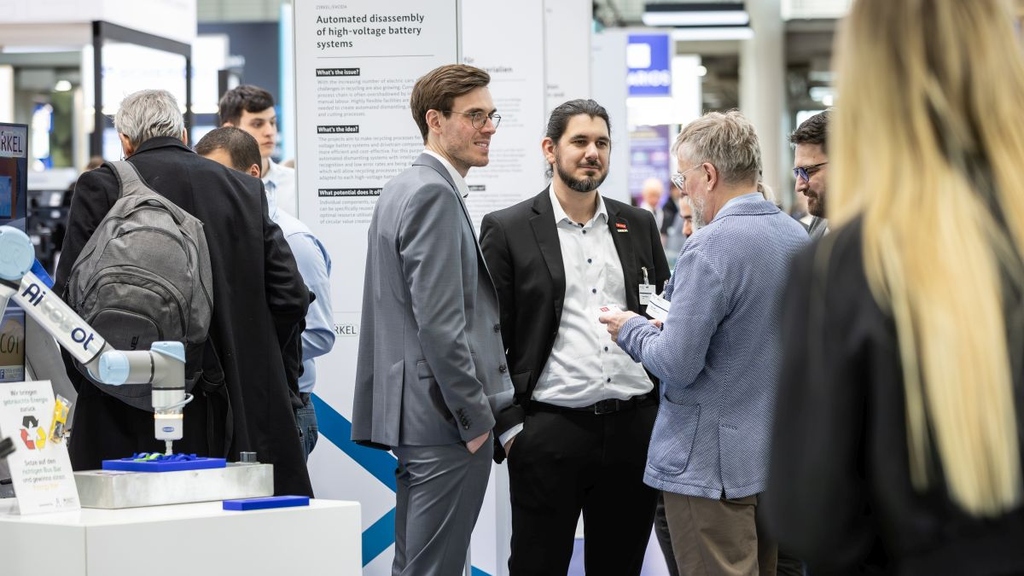
Industrial collaborations
- 05
Further education
Materials and Processes
Nanomaterials
Selective or multifunctional nanomaterials with tailor-made electronic, optical, adhesive, catalytic or mechanical properties for electronics, chemical engineering and health technologies.
Molecular-scale additive manufacturing
Nanoscale printing processes researched in the Cluster of Excellence 3D Matter Made to Order with record print rates of 108 voxels per second at deep sub-µm voxel sizes.
Superconducting materials and qubits
Superconducting materials, molecular spin qubits and hybrid spin systems for quantum computing, quantum sensing and quantum communication.
Europium molecular crystals
Nuclear-spin-bearing rare-earth molecules as photon–spin interfaces for networking nuclear spin qubits for quantum computers and networks.
Nanostructured films
Environmentally friendly white film modeled on beetle shells as an example of bioinspired materials innovation.
Sites
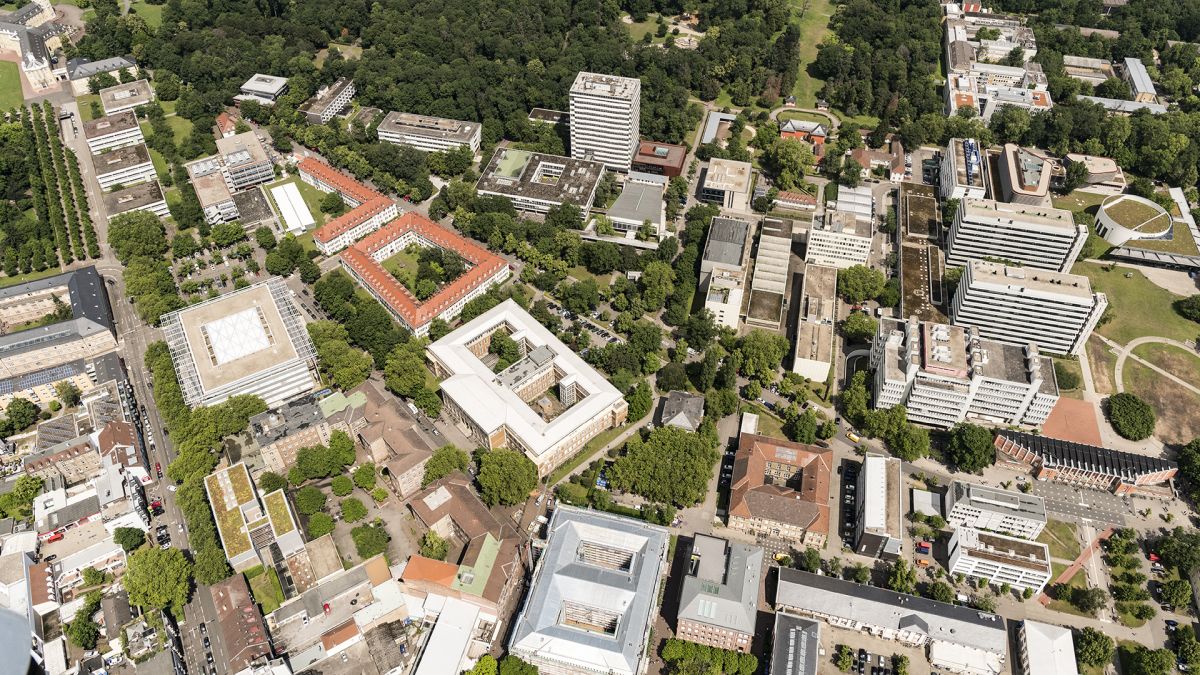
Campus South (headquarters)
DEHeadquarters, teaching, research
- Materials
- Quantum materials, nanomaterials
- Fiber-optic test route for quantum communication
- Scientific Computing Center
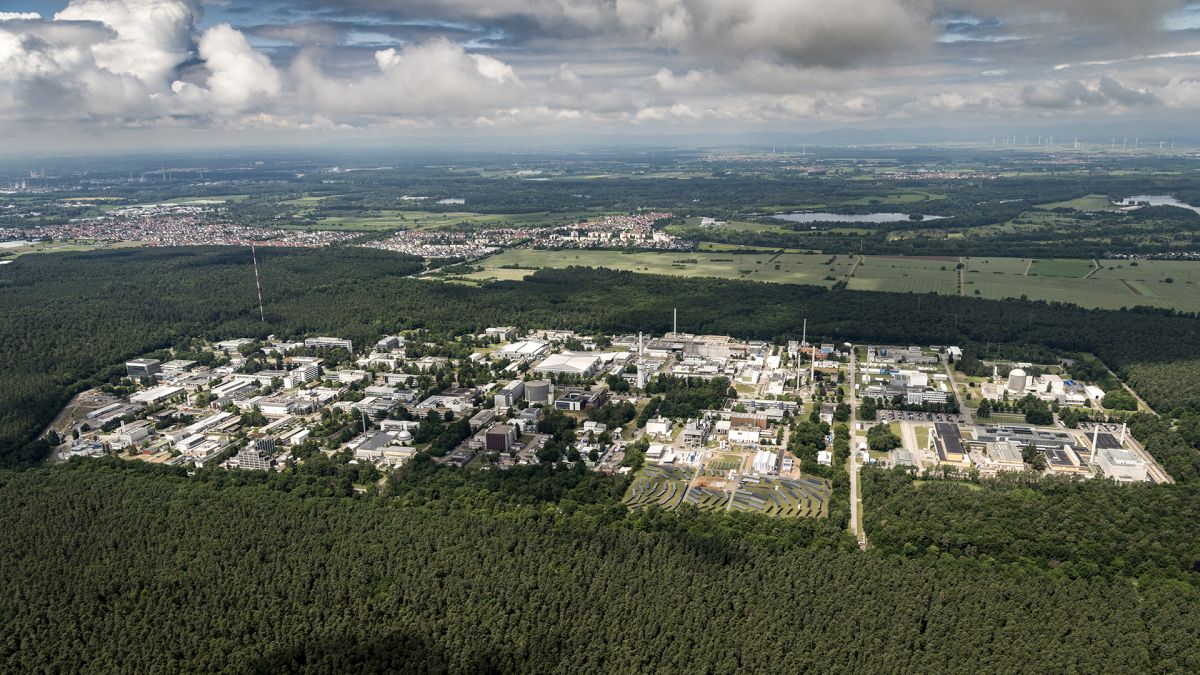
Campus North
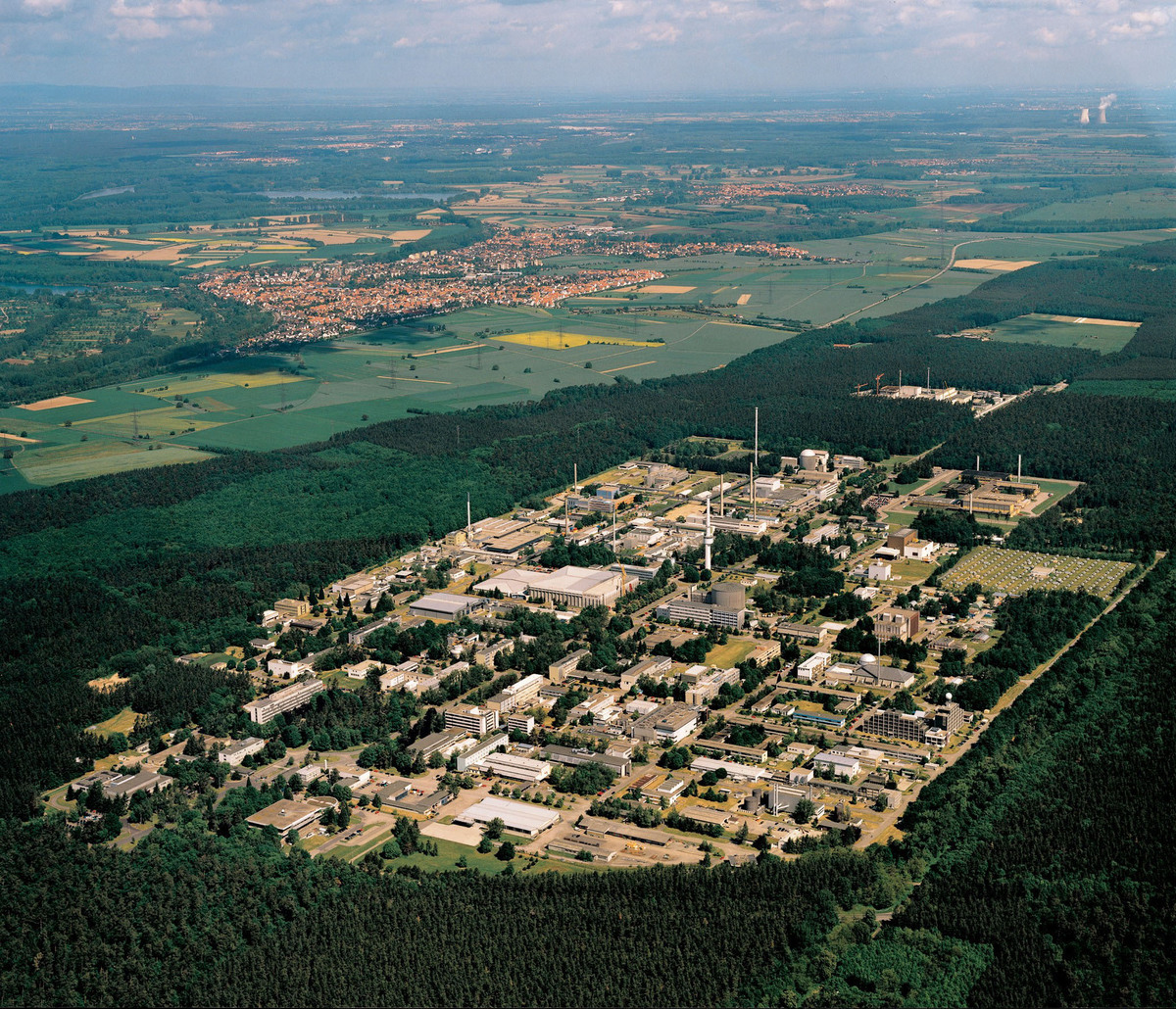
DEResearch campus (former Karlsruhe Research Center)
- Materials
- Quantum materials, nanomaterials
- Fiber-optic test route for quantum communication
- Historical research reactor infrastructure (FR 2, KNK, WAK – out of service)
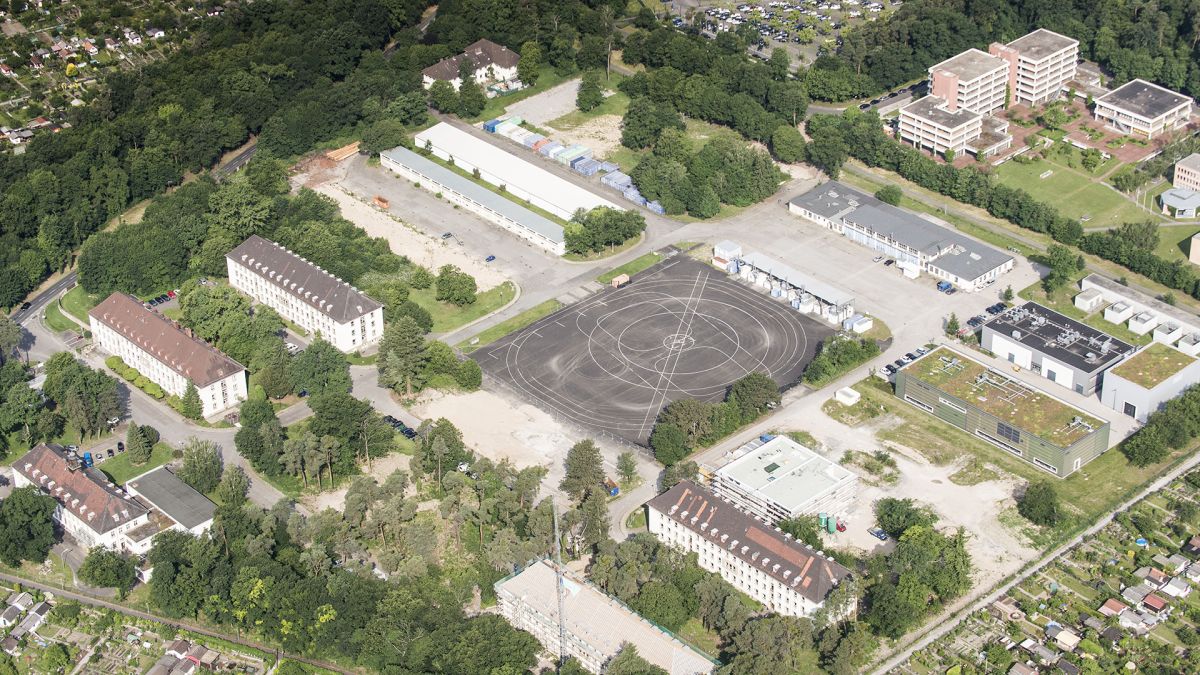
Campus East
DEResearch and teaching campus
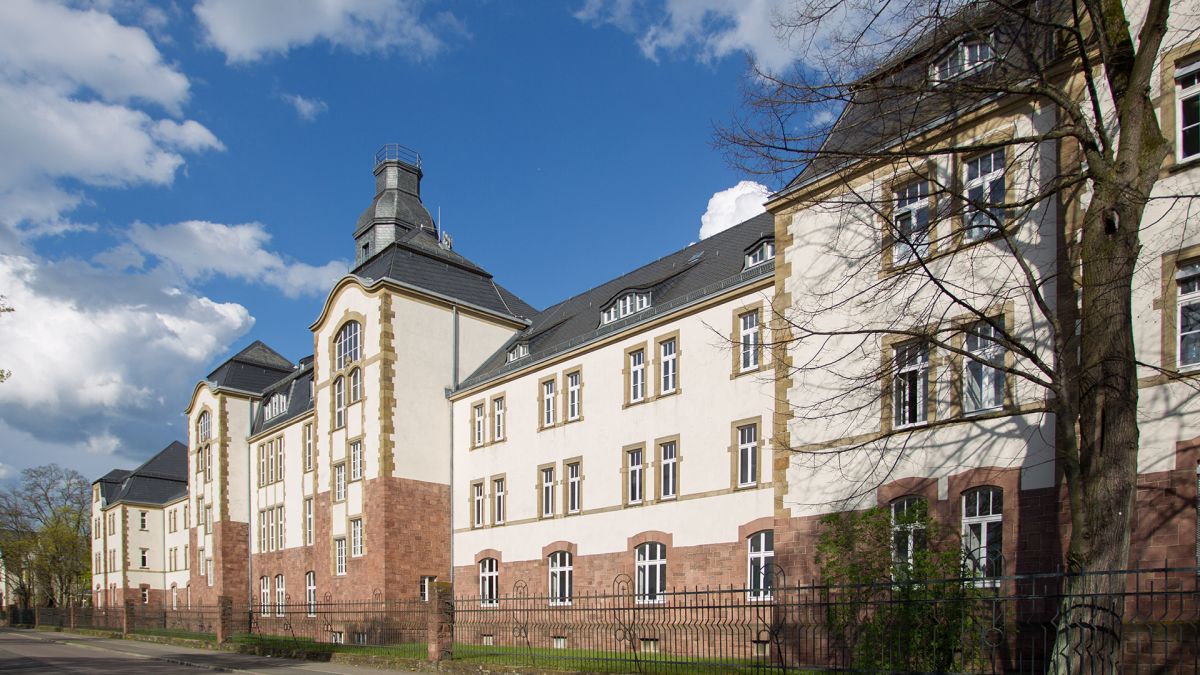
Campus West
DEResearch and teaching campus
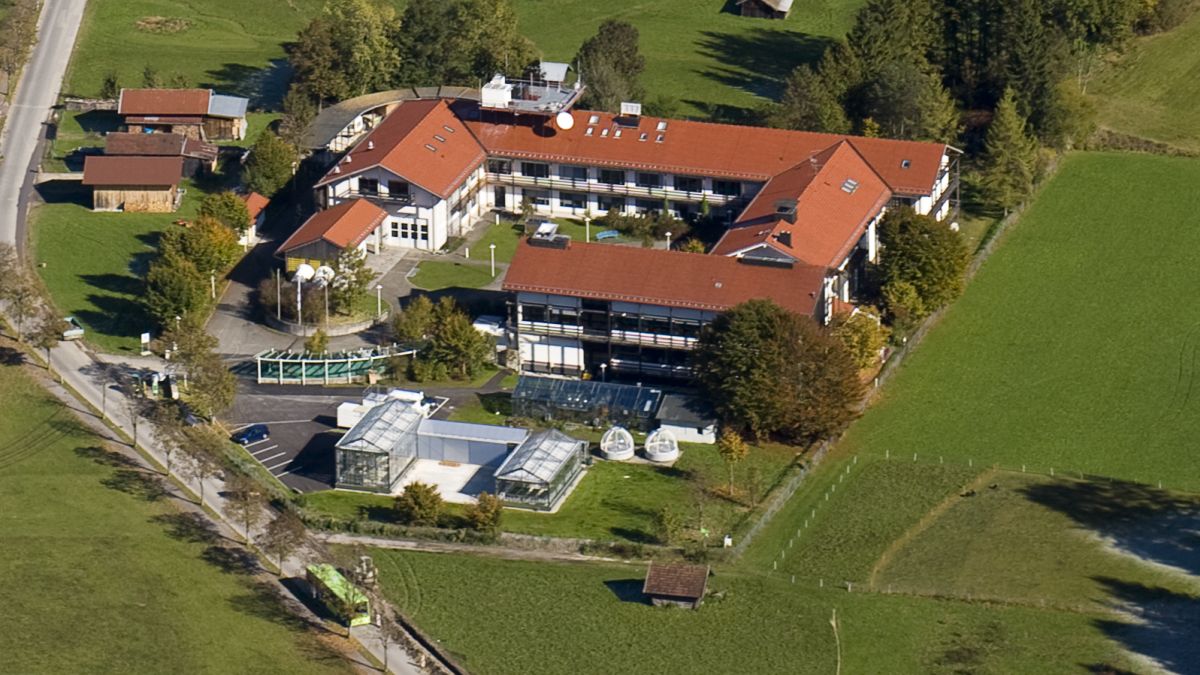
Institute of Meteorology and Climate Research (IMK-IFU)
DEClimate and environmental research (Campus Alpine)
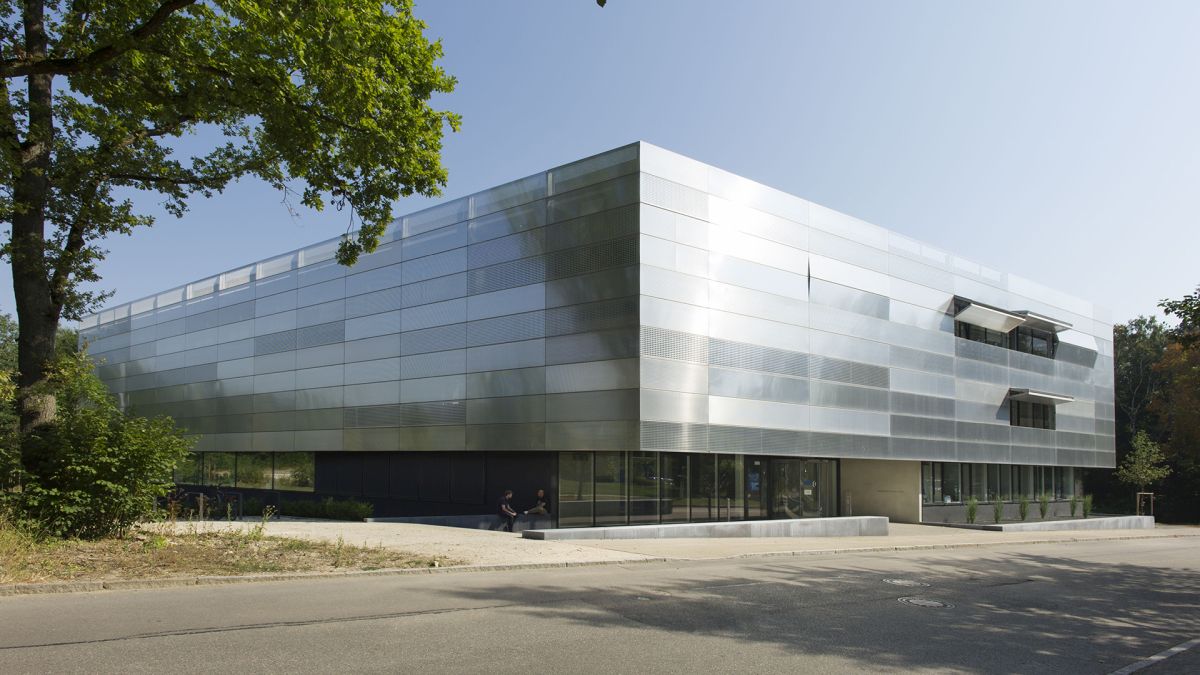
Helmholtz Institute Ulm (HIU)
DEElectrochemical energy storage
- Materials
- Battery materials
Project Management Agency Karlsruhe – Dresden Branch
DEProject management agency
Services and Applications
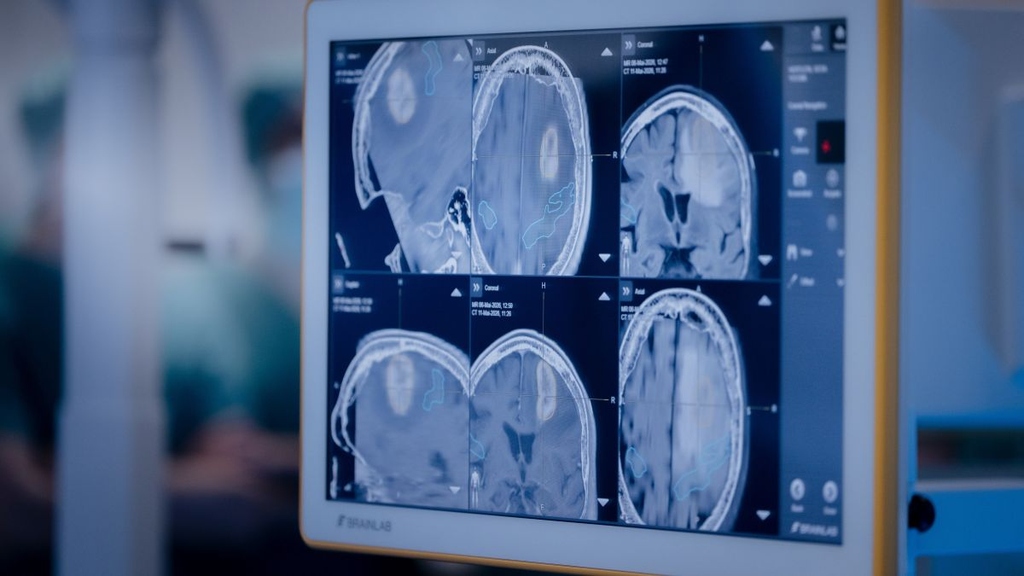
Inside the production

Industries
Additional services
Quality and Excellence
KIT was successfully awarded in the Excellence Initiative of the German federal and state governments in 2006 and prevailed again in 2019 in the "Universities of Excellence" funding line of the Excellence Strategy. Scientific quality is additionally evidenced by peer-reviewed publications and partnerships such as the Industry Collaboration Index.
| Evidence | Campus South | Campus North |
|---|---|---|
| University of Excellence (Excellence Strategy 2019) |
History
- 1825
Founding of the Polytechnic School of Karlsruhe (later the University of Karlsruhe (TH))
- 1956
Founding of the Kernreaktor Bau- und Betriebsgesellschaft mbH, later the Karlsruhe Nuclear Research Center
- 1962
Commissioning of the FR 2 research reactor, the first German reactor built in-house
- 1971
Start of operation of the breeder reactor prototype KNK
- 1995
Renaming to Forschungszentrum Karlsruhe – Technik und Umwelt (Karlsruhe Research Center – Technology and Environment)
- 2006
Success in the Excellence Initiative; decision to merge into KIT
- 2009
Merger of the University of Karlsruhe and the Karlsruhe Research Center to form KIT (October 1)
- 2019
Renewed award as University of Excellence in the Excellence Strategy
- 2024
Renaming of the Information Technology Center to "Scientific Computing Center"
- 2025
Opening of the 20 km fiber-optic test route for quantum communication between Campus South and Campus North