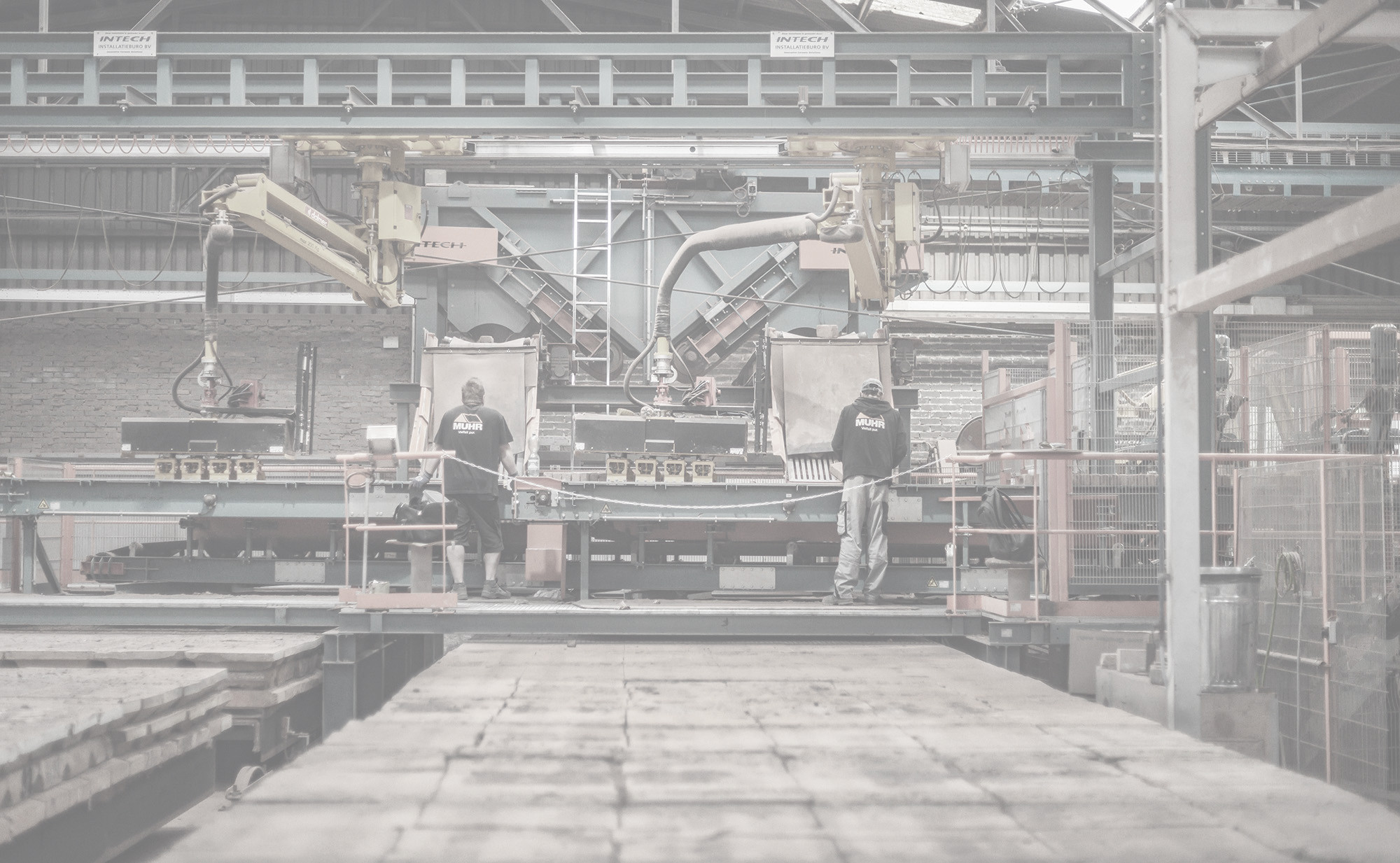
Facing bricks, slips and paving clinkers made from clay – manufactured by hand-forming, extrusion and water-struck methods.
Klinkerwerke H.W. Muhr GmbH & Co. KG
Emmerich am Rhein (headquarters, hand-form production) · Lichterfeld (extrusion and water-struck production)New on Amplifa
We are MUHR – clinkers from traditional manufacturing
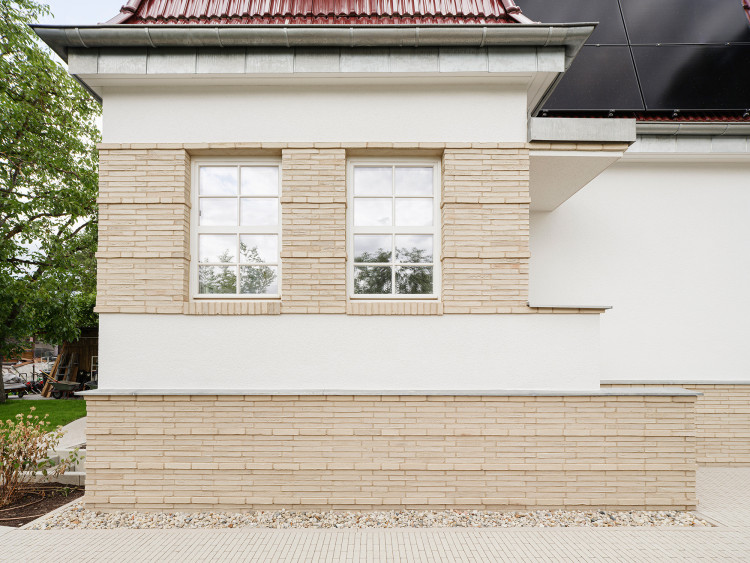
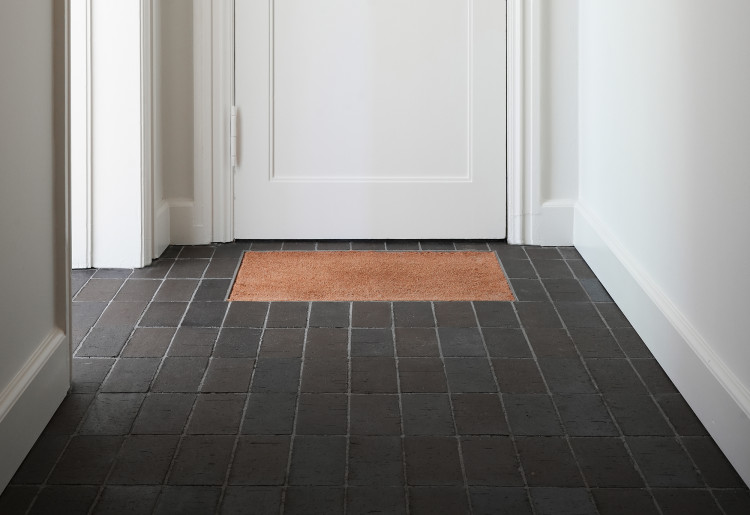
Klinkerwerke H.W. Muhr GmbH & Co. KG manufactures clinker products for facades, pathways and squares: facing bricks, slips and paving clinkers in hand-formed, extruded and water-struck quality. The clay mass is prepared, sanded, filled into hand moulds or continuously extruded through a shaping die, then cut, dried and fired at high temperatures. High-quality clays and regional raw materials serve as raw materials; surfaces are finished by sanding, groove and brush structures, tumbling, flame treatment, satin lustre or oxidising, among others. The company produces at two sites: in Emmerich am Rhein the hand-form production takes place, while in Lichterfeld in Brandenburg the extrusion and water-struck production is carried out. Customers include architects, project developers, planners, trade and processors; custom-made products and individual blends complement the standard portfolio. The clinkers are demonstrably delivered worldwide, among others to the Netherlands, Denmark, Great Britain, Spain, Poland and Scandinavia.
- Site
- Emmerich am Rhein
- Processes
- Hand-forming (sanding and forming the clay mass in hand moulds), Extrusion process (continuous pressing of the clay mass through a die, cutting, drying), Water-struck process (moistening the moulds, striking off, firing), Firing at high temperatures (drying and firing process), Manufacture of facing bricks (hand-form and water-struck), Manufacture of slips (hand-form, extrusion, water-struck), Manufacture of paving clinkers (extrusion and water-struck), Surface finishing by sanding, groove and brush structures, smooth/rough variants
- Materials
- Clay (clay mass, high-quality clay, plastic clay mass), Regional raw materials, Hand-forming process, Extrusion process, Water-struck process, Firing at high temperatures, Surface finishing, Clay (clay mass)
- Founded
- 1934
- Industries
- Architecture, Project development, Planning, Trade, Processing, Private builders
- 01
Preparation of the clay mass (regional raw materials)
- 02
Sanding and forming (hand-form) or extrusion through a shaping die
- 03
Cutting the blanks into formats
- 04
Drying (artificial drying)
- 05
Firing at high temperatures (ring kiln, natural gas)
- 06
Surface finishing (e.g. sanding, flame treatment, satin lustre, oxidised)
- 07
Stacking and packaging system
- 08
Shipping, delivered worldwide
Manufacturing processes and materials
Hand-forming process
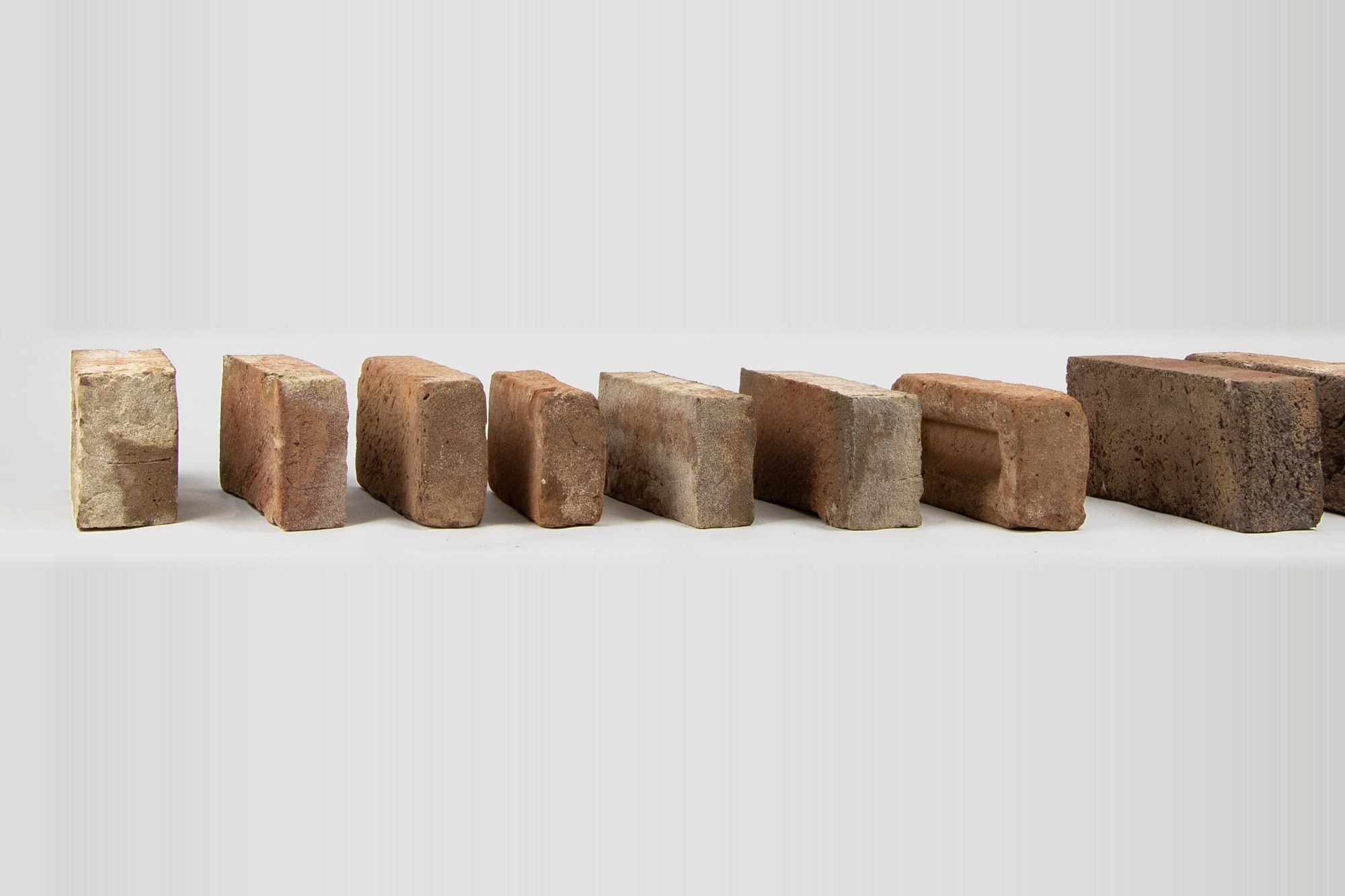
Sanding and forming the clay mass in hand moulds creates surfaces with natural depth, subtle colour variations and a lively structure; every brick is unique.
Extrusion process
Continuous pressing of the plastic clay mass through a shaping die produces dimensionally accurate bricks with clean edges and a uniform surface.
Water-struck process
Moistening the moulds before filling produces soft edges, a lively structure and a characteristic, subtly shimmering surface.
Firing at high temperatures
Clinkers fired after drying are durable, weather-resistant and virtually maintenance-free.
Surface finishing
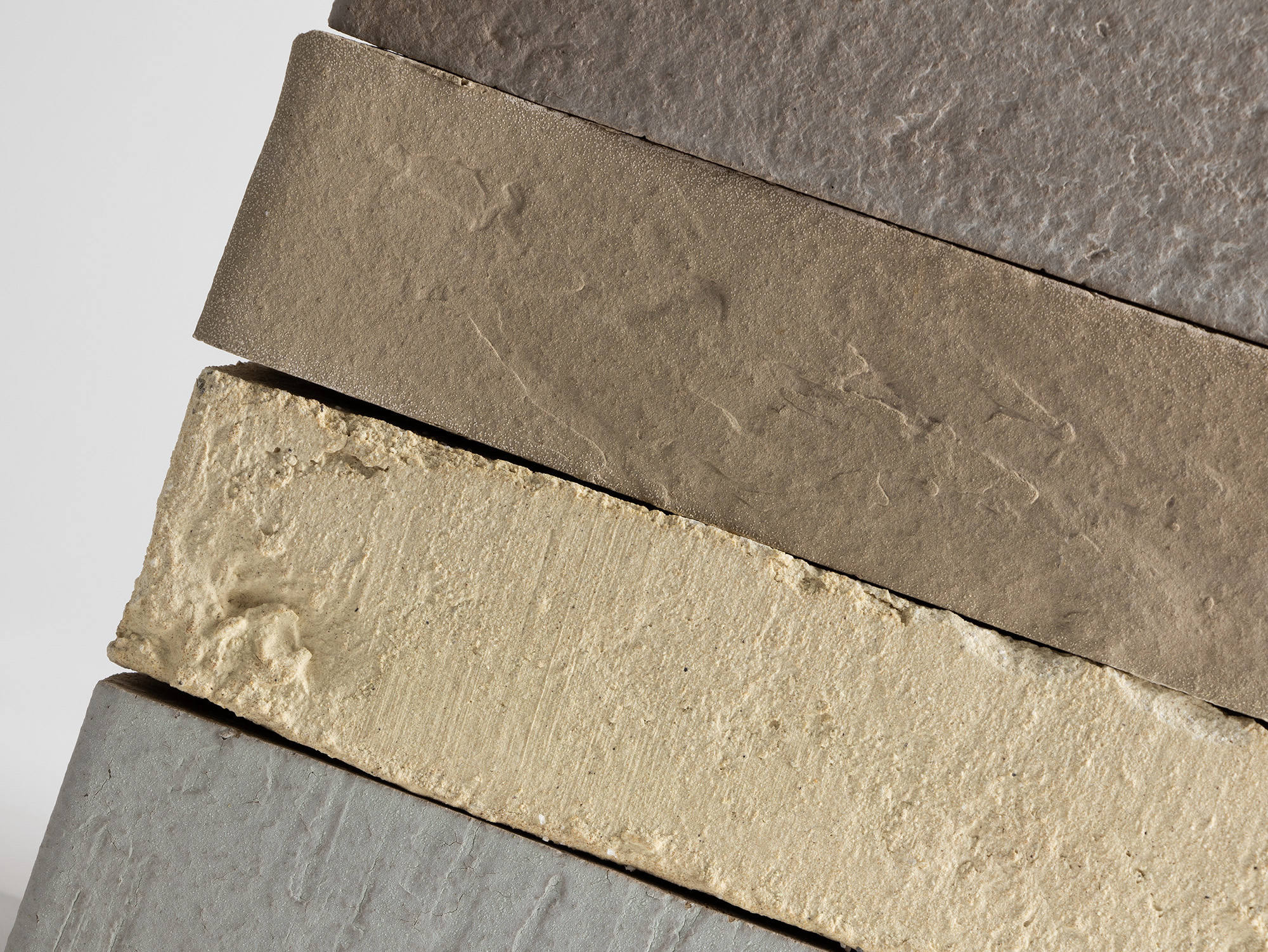
Sanding, groove and brush structures, smooth/rough, tumbling, flame treatment, satin lustre and oxidised finishes create individual facade effects.
Clay (clay mass)
High-quality clay and regional raw materials form the basis for facing bricks, slips and paving clinkers.
Production sites
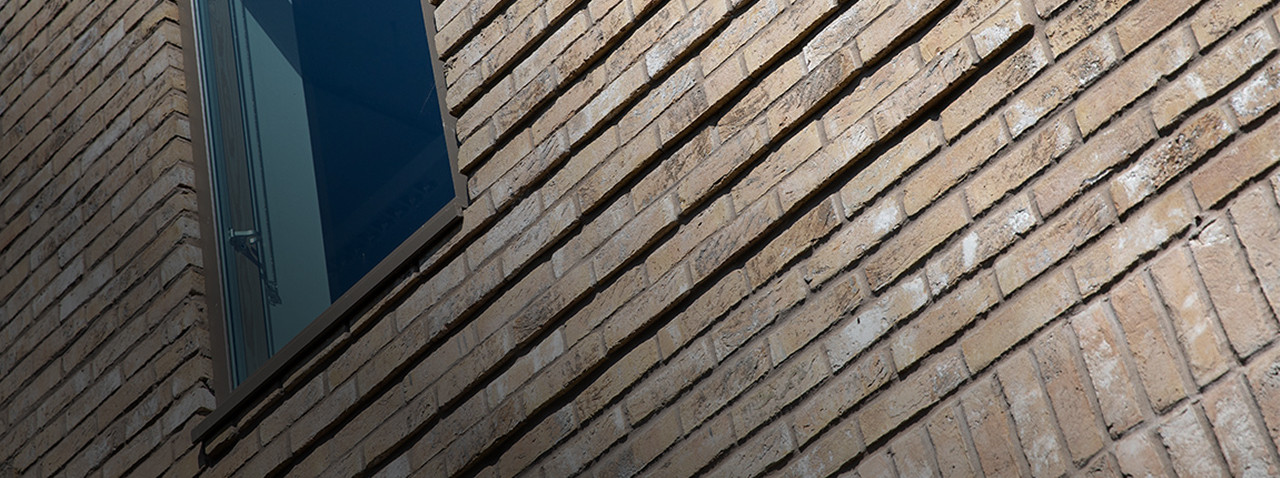
Emmerich am Rhein
DEProduction (hand-form) and headquarters
- Part weight / size
- Formats up to 240 × 115 × 71 mm (hand-form standard format)
- Lot size
- Standard and custom-made products, individual blends
- Materials
- Clay, regional raw materials
- Hand-form production
- Artificial drying (since 1964)
- Ring kiln, converted to natural gas (extension 1965)
- Machine press (since 1966)
- Additional presses and kilns (until 1979)
- Stacking and packaging system (1988)
- Clay preparation plant (1989)
- Setting and unloading technology (renewed 1993–1997)
- Exhibition
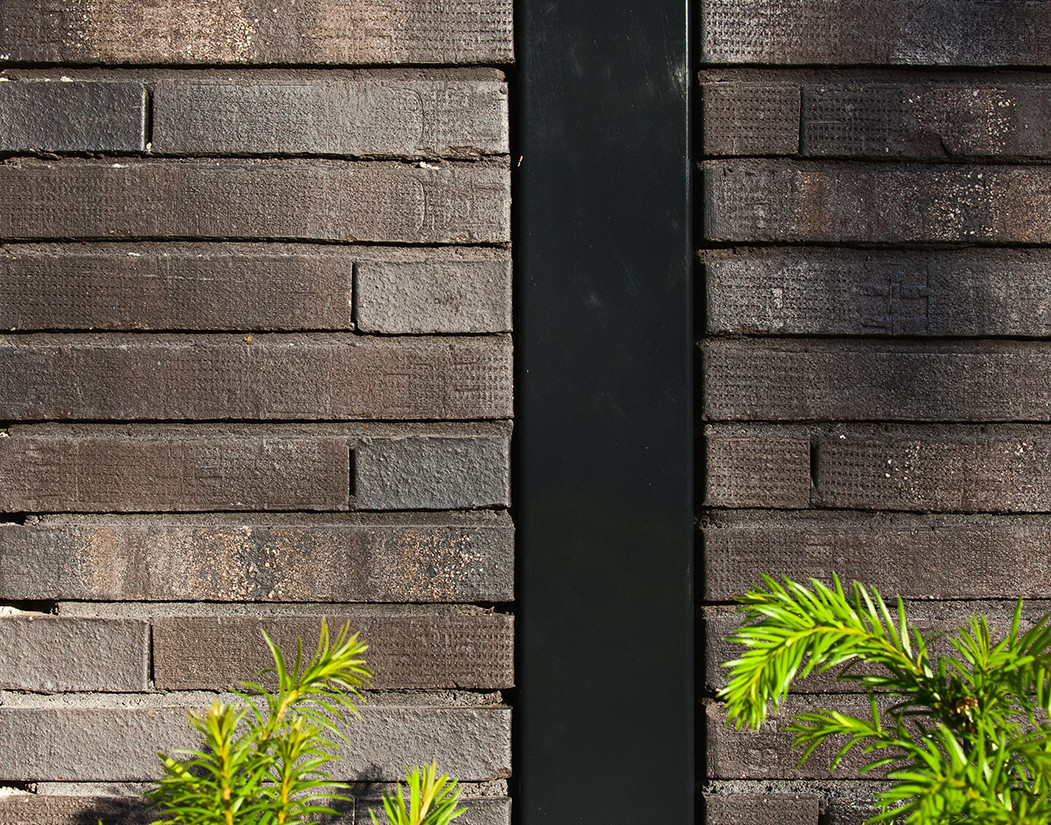
Lichterfeld
DEProduction (extrusion and water-struck)
- Part weight / size
- Extrusion up to 360 × 115 × 113 mm; slips up to 240 × 22 ×
- Lot size
- Series production of classic and modern clinker ranges
- Materials
- Clay, regional raw materials
- Extrusion plant with shaping die
- Exhibition
Products and components
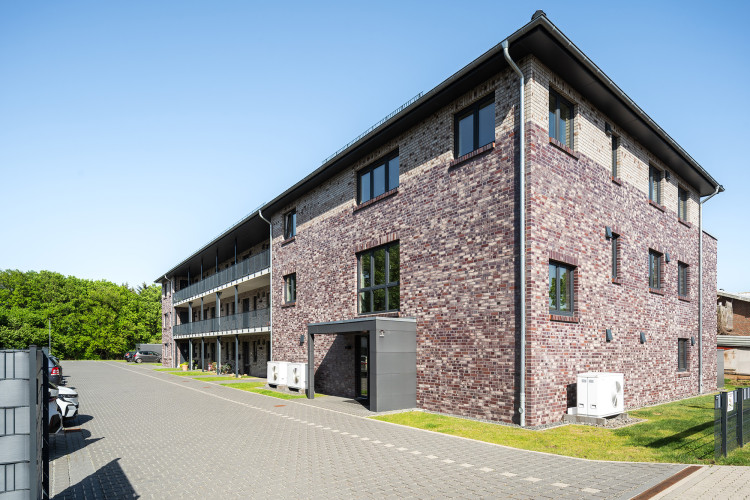
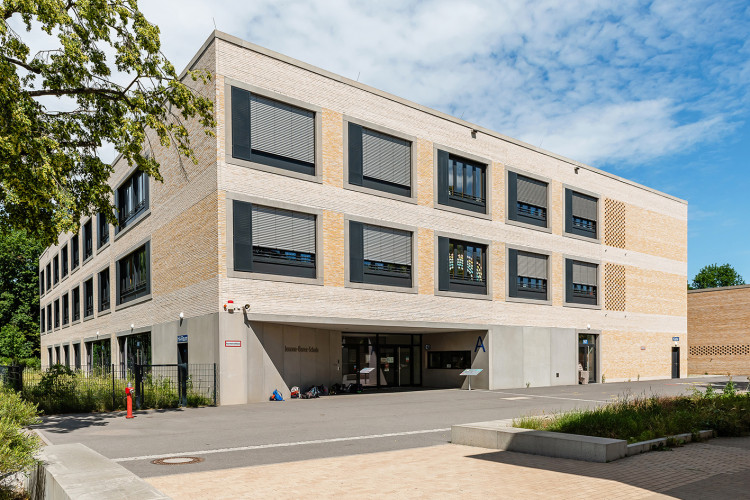
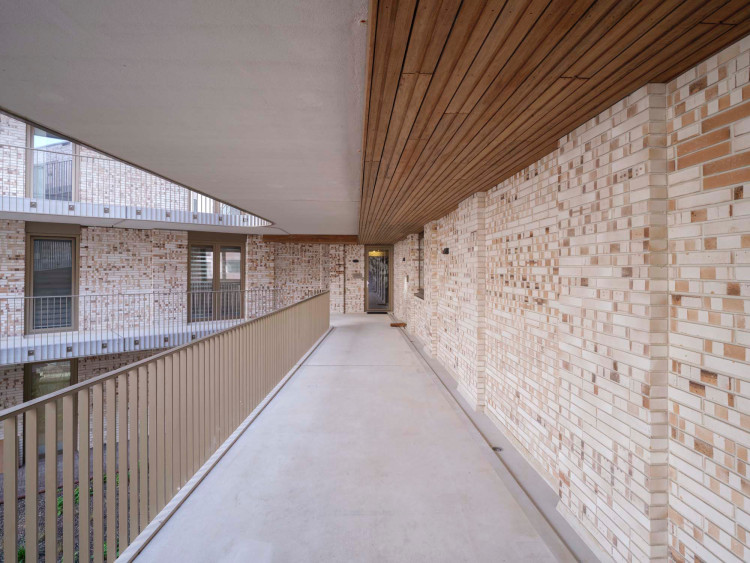
Inside the production
Industries
Processes & technical limits
| Processes | Tolerance | Max. part | Weight | Lot size | Materials |
|---|---|---|---|---|---|
| Hand-forming (sanding and forming the clay mass in hand moulds)Casting | – | – | – | – | Clay |
| Extrusion process (continuous pressing of the clay mass through a die, cutting, drying)Forming | – | 360 mm (long format 360/52) × 115 mm × 113 mm (double thin format) | – | – | Clay |
| Water-struck process (moistening the moulds, striking off, firing)Casting | – | – | – | – | Clay |
| Firing at high temperatures (drying and firing process)Heat treatment | – | – | – | – | Clay |
| Manufacture of facing bricks (hand-form and water-struck)Casting | – | – | – | – | Clay |
| Manufacture of slips (hand-form, extrusion, water-struck)Casting | – | 240 mm × 22 mm × 71 mm | – | – | Clay |
| Manufacture of paving clinkers (extrusion and water-struck)Casting | – | – | – | – | Clay |
| Surface finishing by sanding, groove and brush structures, smooth/rough variantsSurface | – | – | – | – | Clay |
| Manufacture of hand-formed clinkers as custom-made products / individual blendsEngineering | – | – | – | – | Clay |
8 Anlagen & Maschinen
| Machine | Manufacturer / model | Quantity | Working area | Year built | Site |
|---|---|---|---|---|---|
| Machine press | – | 1 | – | 1966 | Emmerich am Rhein |
| Artificial drying | – | 1 | – | 1964 | Emmerich am Rhein |
| Ring kiln | – | 1 | – | 1965 (Erwe | Emmerich am Rhein |
| Additional presses and kilns | – | – | – | bis 1979 | Emmerich am Rhein |
| Stacking and packaging system | – | 1 | – | 1988 | Emmerich am Rhein |
| Clay preparation plant | – | 1 | – | 1989 | Emmerich am Rhein |
| Setting and unloading technology | – | – | – | 1993–1997 | Emmerich am Rhein |
| Extrusion plant (shaping die) | – | – | – | – | Lichterfeld |
Additional services
Reference customers
Company history
- 1934
Heinrich W. Muhr founds Muhr & Söhne in Bruchwalze; 1937 takeover of the ring-kiln brickworks in Bruchwalze.
- 1956
Takeover of the Ignatz Pastor brickworks in Emmerich am Rhein as a replacement for the location-related closure of Bruchwalze.
- 1964
Introduction of artificial drying.
- 1965
Extension of the ring kiln and conversion to natural gas.
- 1966
Commissioning of the first machine press; parallel production of hand-formed and pressed bricks.
- 1968–1973
Construction of a new plant with an annual capacity of 25 million bricks.
- 1970
Wolfgang Muhr takes over the management.
- 1979
Installation of additional presses and kilns; increase in production to 50 million bricks per year.
- 1988–1989
Commissioning of a modern stacking and packaging system (1988) and a new clay preparation plant (1989).
- 1991
Acquisition of the Lichterfeld clinker works.
- 1993–1997
Flood damage in 1993 and 1995; renewal of the setting and unloading technology.
- 1995
Introduction of ecological building materials.
- 2004
Maik Muhr leads the company in the third generation.