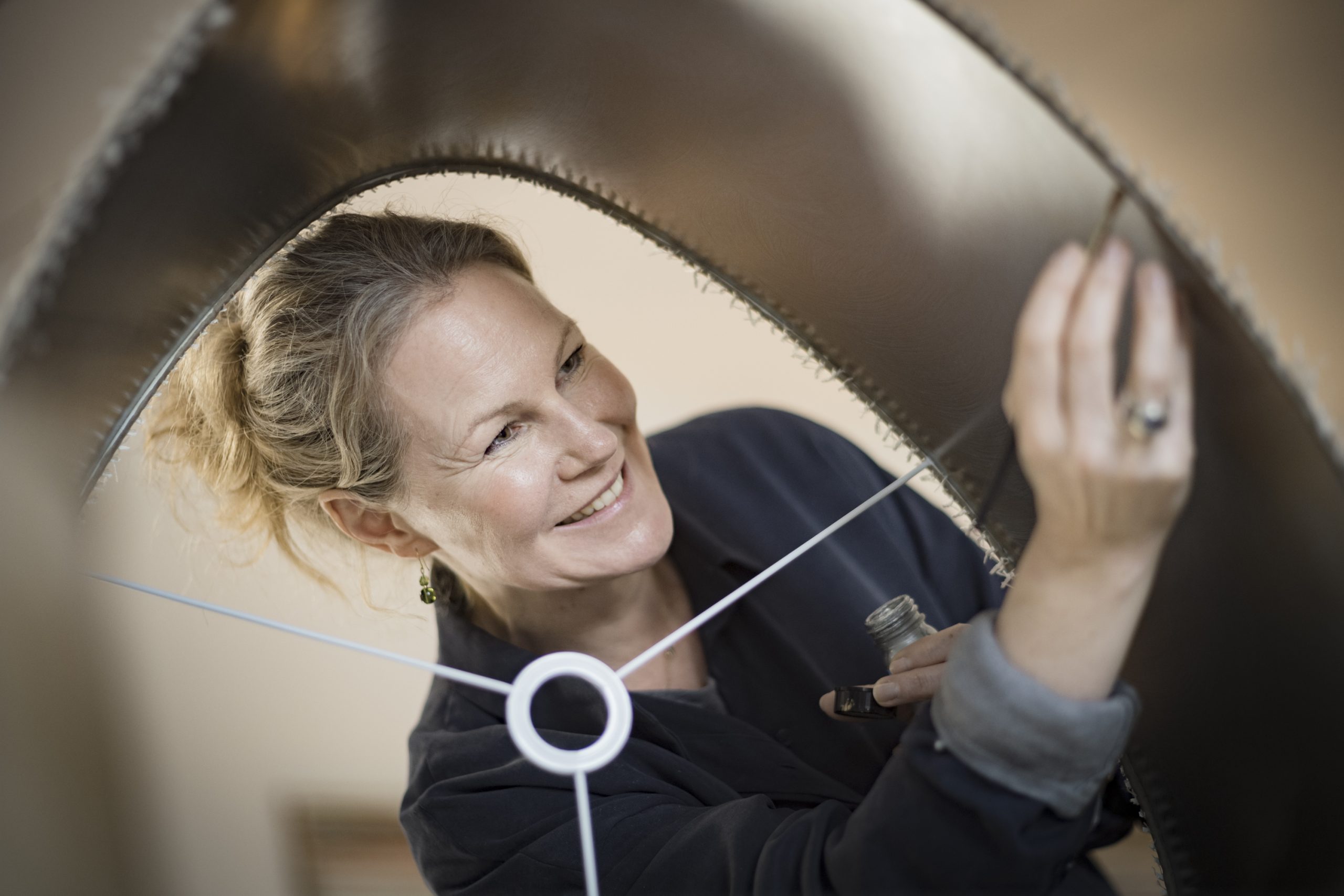
Custom-made lampshades and light objects from Hamburg – craftsmanship, hand-dyeing and metalwork to customer specifications.

Livia Reimers Maßanfertigung Leuchten Lampenschirme
HamburgNew on Amplifa
About Livia Design
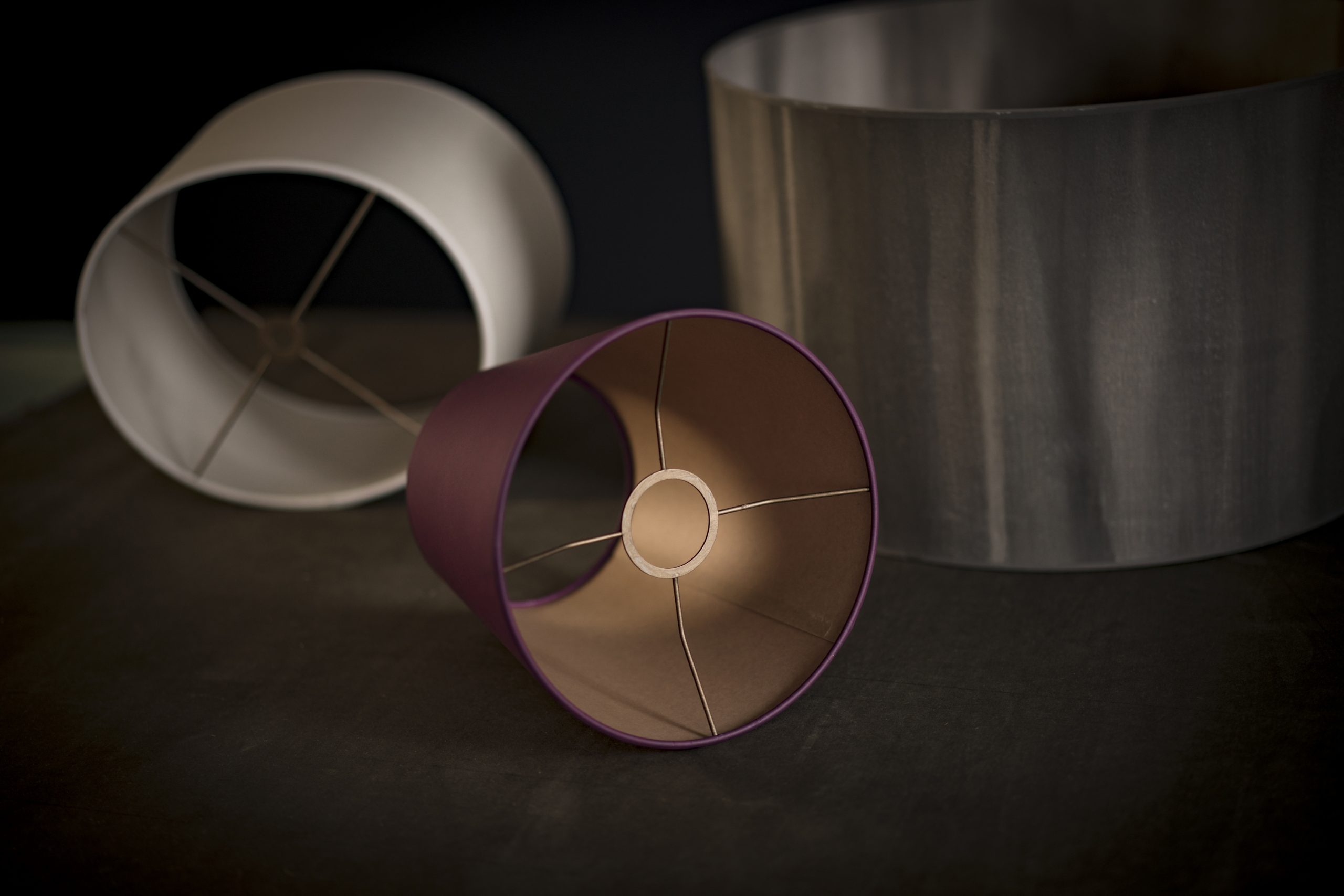
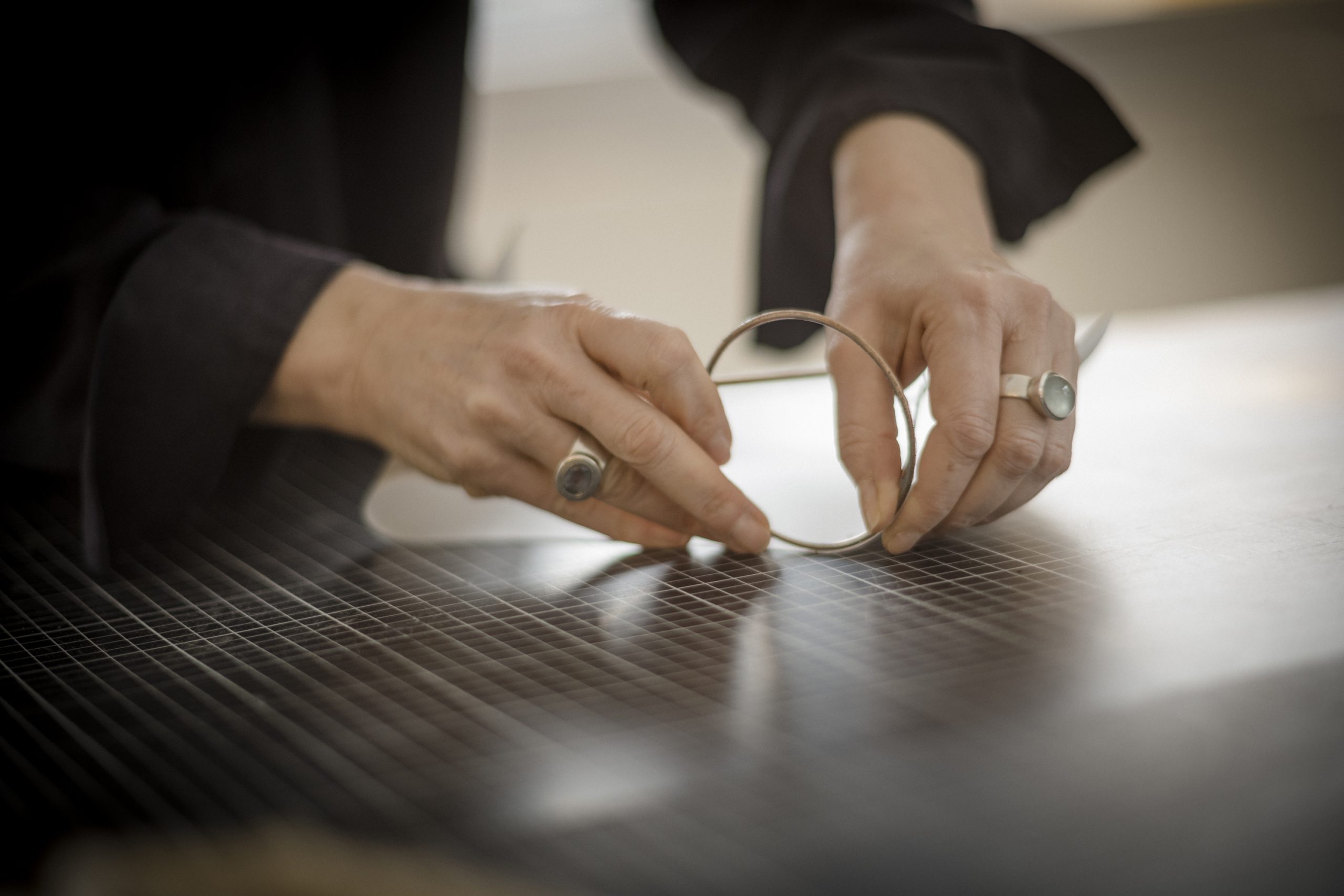
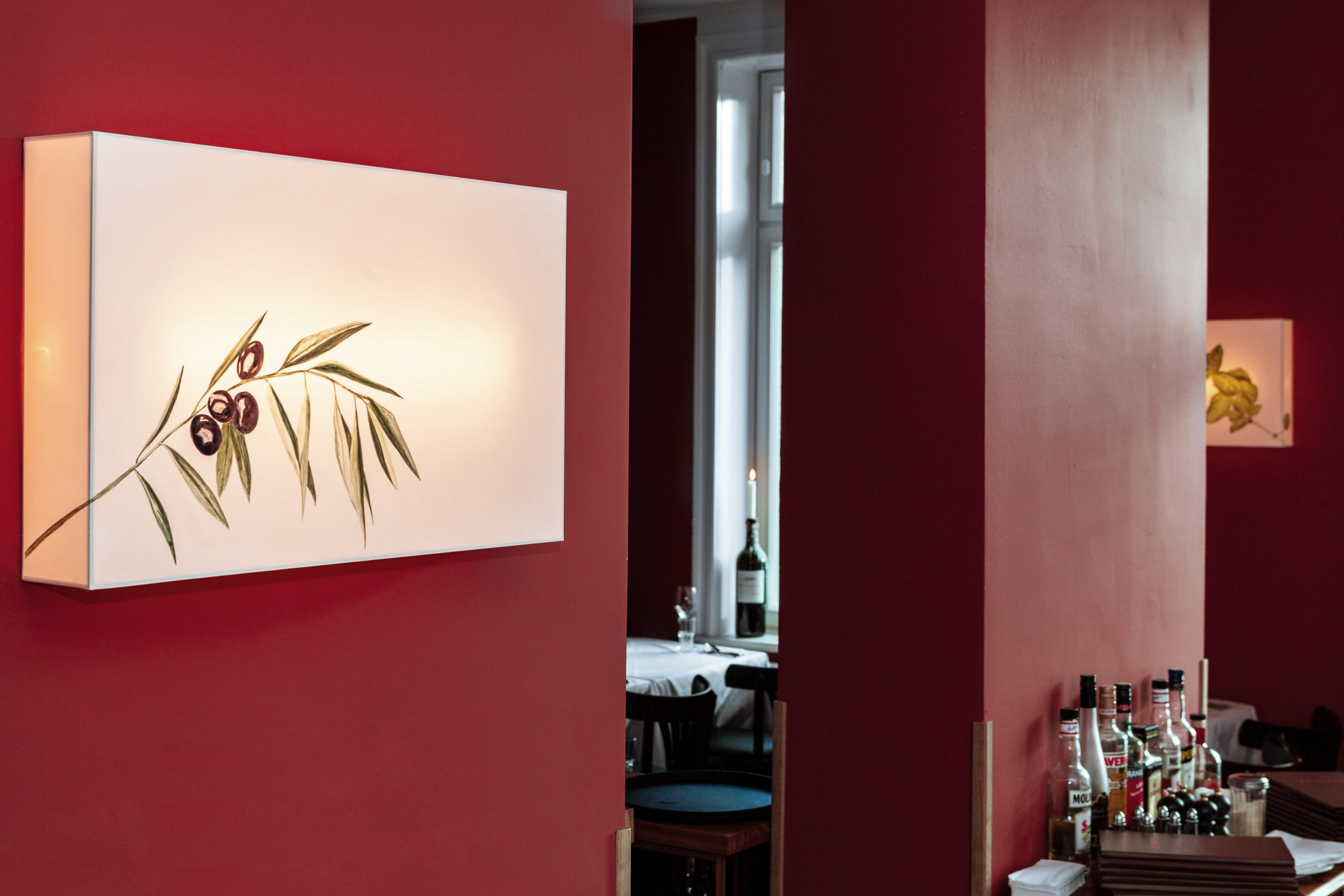
Livia Design produces custom-made lampshades, luminaires and light objects by hand in Hamburg. The portfolio includes table, floor, wall and ceiling lamps as well as individual light objects, with lamp bases and stands usually made of brass or stainless steel and finished by electroplating processes such as silver plating, gilding, browning, or copper, nickel and chrome surfaces. Lampshades are made from silk, linen, velvet, satin, chintz, Japanese papers, papyrus, French board, parchment and lining board, which are either sewn in plissé techniques, laminated smooth, or attached to the shade frame using punching and binding techniques. Board and papers are hand-dyed in several layers with oil and acrylic paints to precisely shape color gradients and light color. Producing a lampshade takes on average 3–10 hours depending on the dyeing effort and stretching technique; planning and production of a custom-made piece extend over several weeks. Clients are private customers and architects; for metalwork and special productions, the studio collaborates with artisans such as artistic metalworkers, coppersmiths, woodturners, glaziers and silversmiths.
- Site
- Hamburg
- Processes
- Custom manufacturing of luminaires and lampshades (KI: object, assembly with electrics, lampshade), Lampshade production (sewing in plissé techniques, laminating onto lining board, dyeing with oil and, Metalwork: production of lamp bases, stands and socket mounts, Electroplated surface finishing (silver plating, gilding, browning, copper, nickel and, Punching and binding techniques for connecting paper/board to the shade frame, Light and color consulting, design/consulting with on-site inspection, sketches and material, Custom manufacturing of luminaires and lampshades, Light and color consulting
- Materials
- Silk, Linen, Velvet, Satin, Chintz, Japanese paper, Papyrus, French board
- Certificates
- Custom manufacturing after on-site analysis
- Industries
- Design/Interior, Luminaire manufacturing, Architecture, Architecture (architects as clients)
- 01
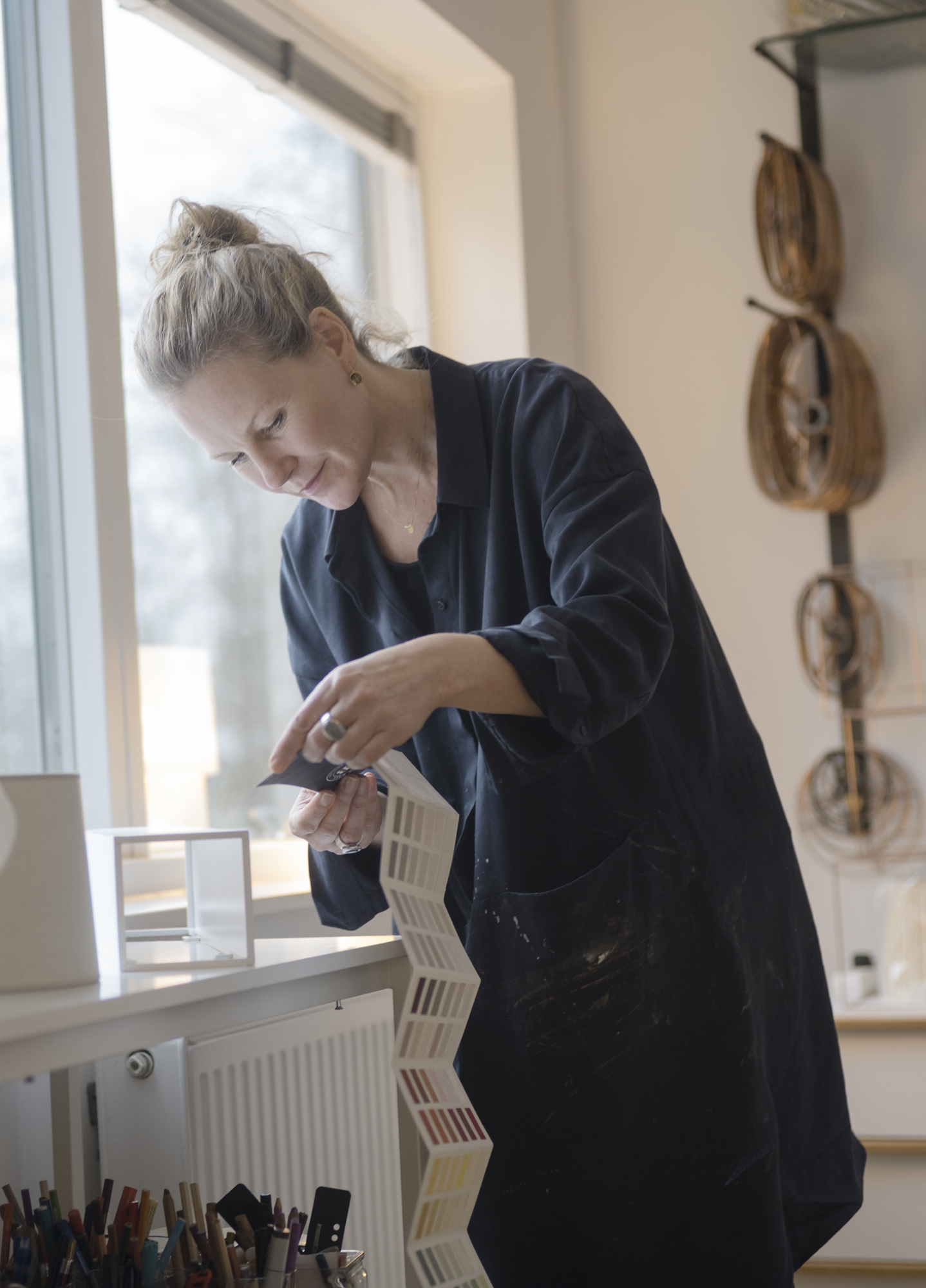
Consulting, on-site inspection, sketches and material selection
- 02
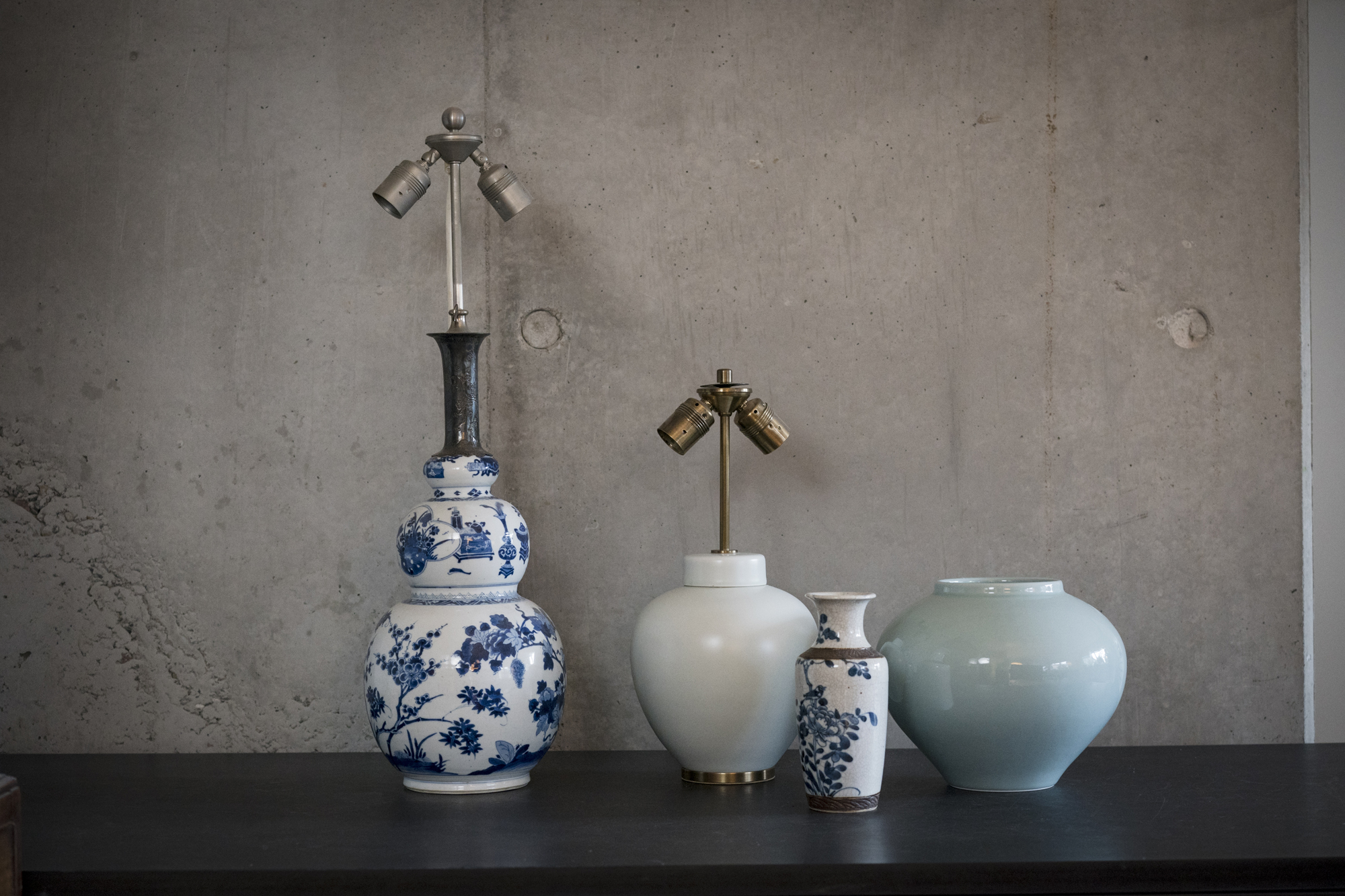
Reworking of objects into lamp bases with stand and assembly (metalwork)
- 03
Electroplated surface finishing
- 04
Dyeing of papers and board with oil and acrylic paints
- 05
Sewing, laminating, or punching and binding the shade material
- 06
Assembly with electrics and light source
Materials and Processes
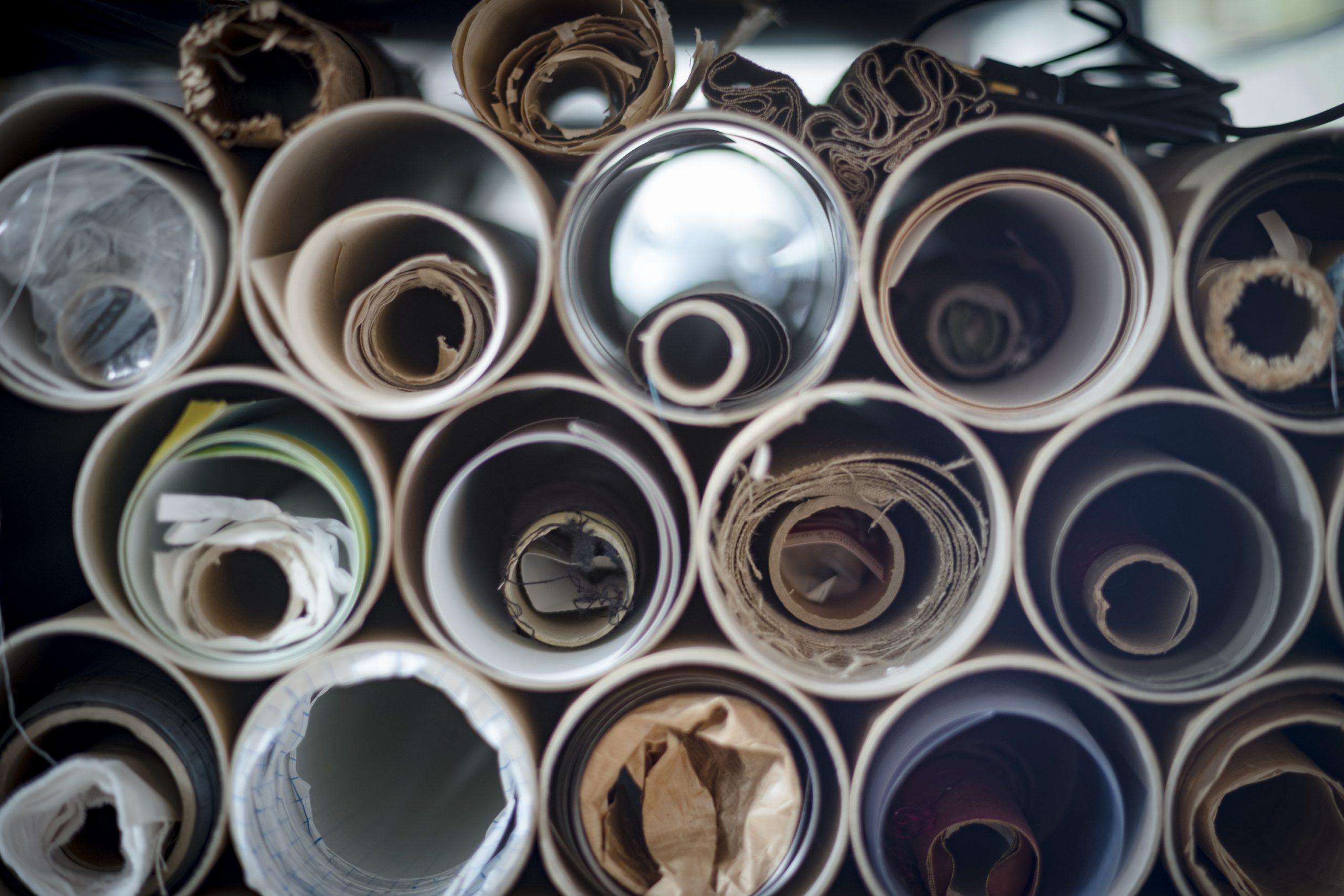
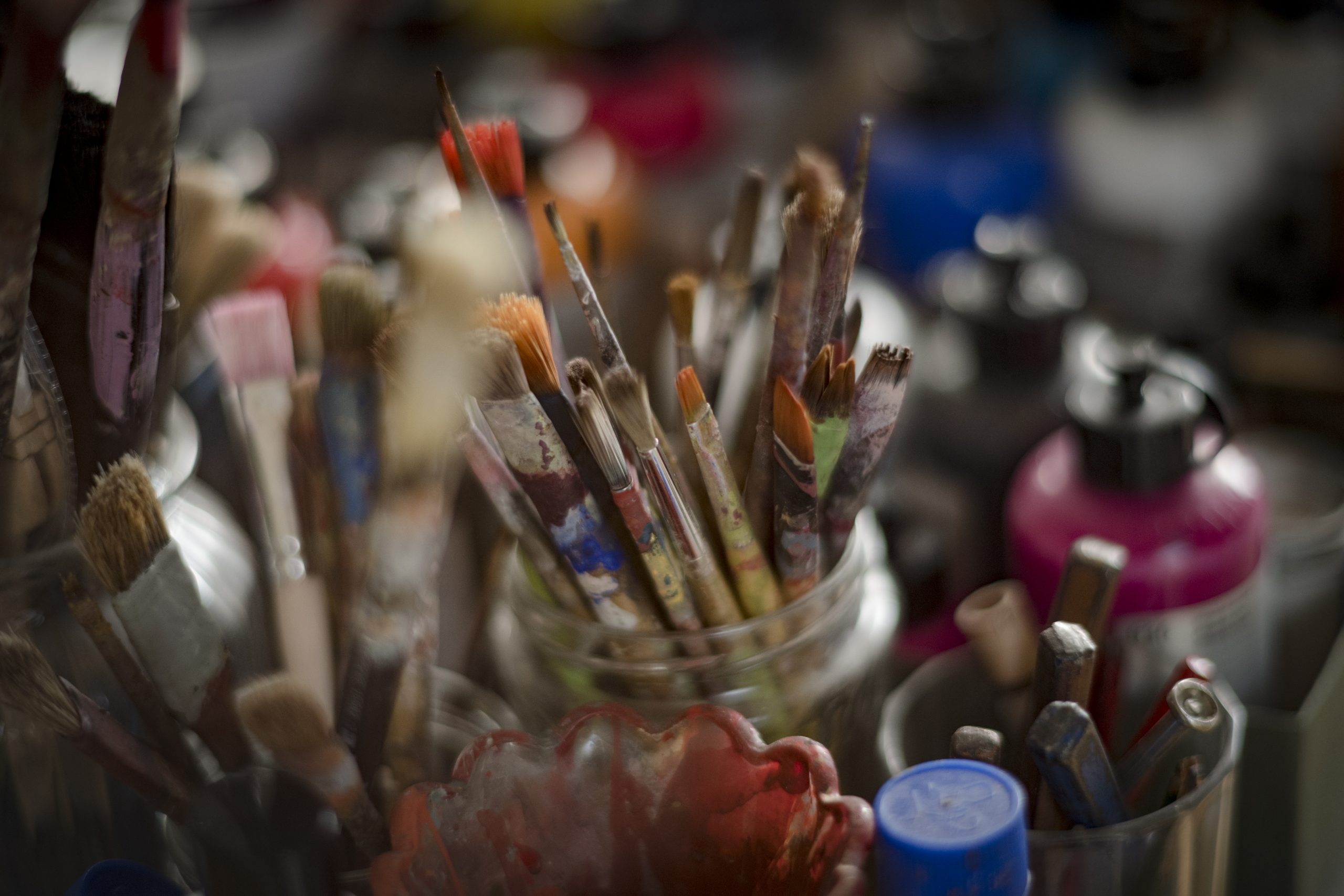
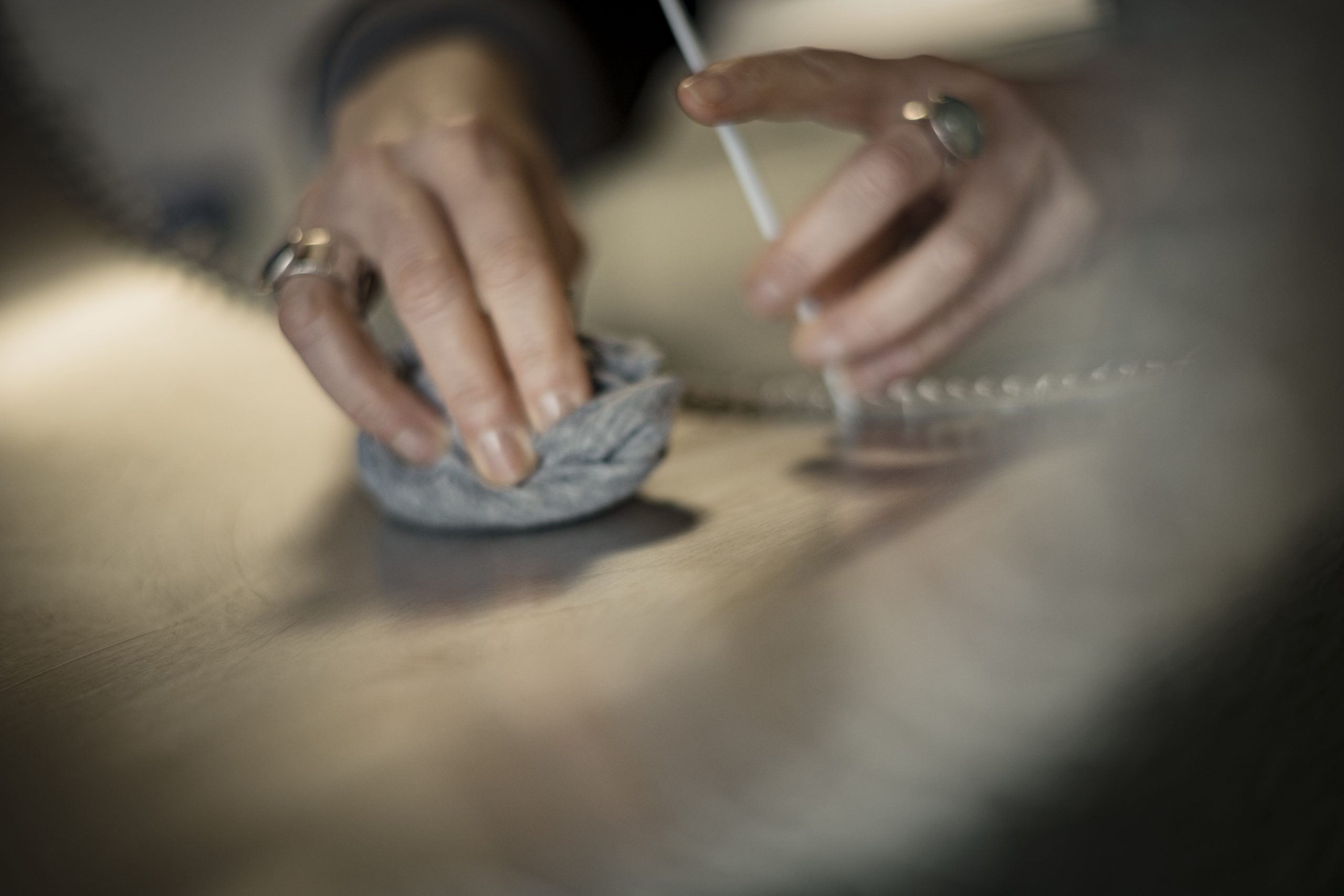
Hand-dyeing of papers and board
Oil and acrylic paints are applied in several layers with cloths, brushes and sponges to shape color gradients and the light color.
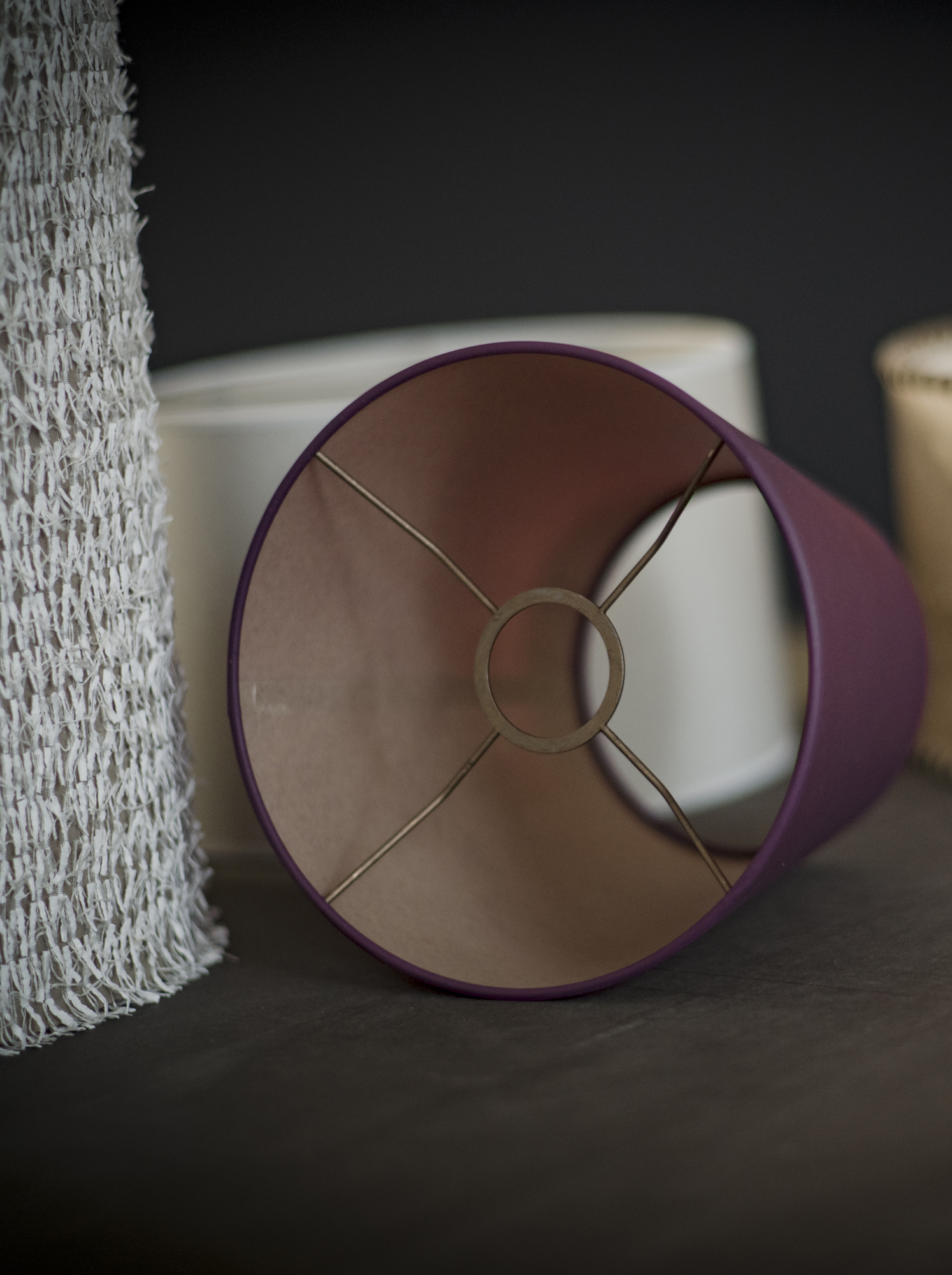
Plissé techniques
Fabrics such as linen, silk, velvet, satin and chintz are sewn onto the shade frames in various plissé techniques or laminated smooth onto lining board.
Punching and binding techniques
Papers and board are firmly connected to the shade frame using punching and binding techniques; hand-dyed bands frame the shades.
Electroplated surface finishing
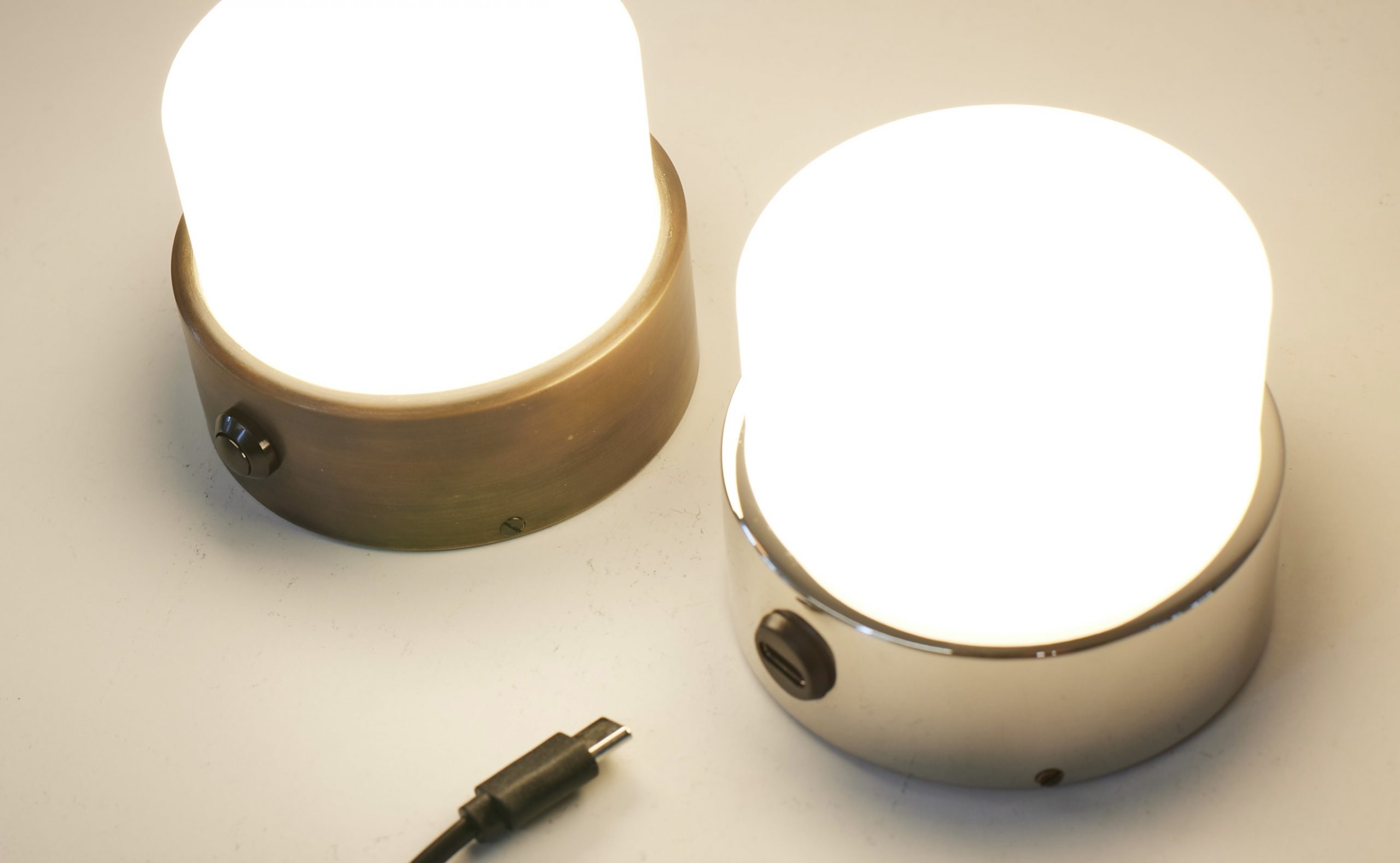
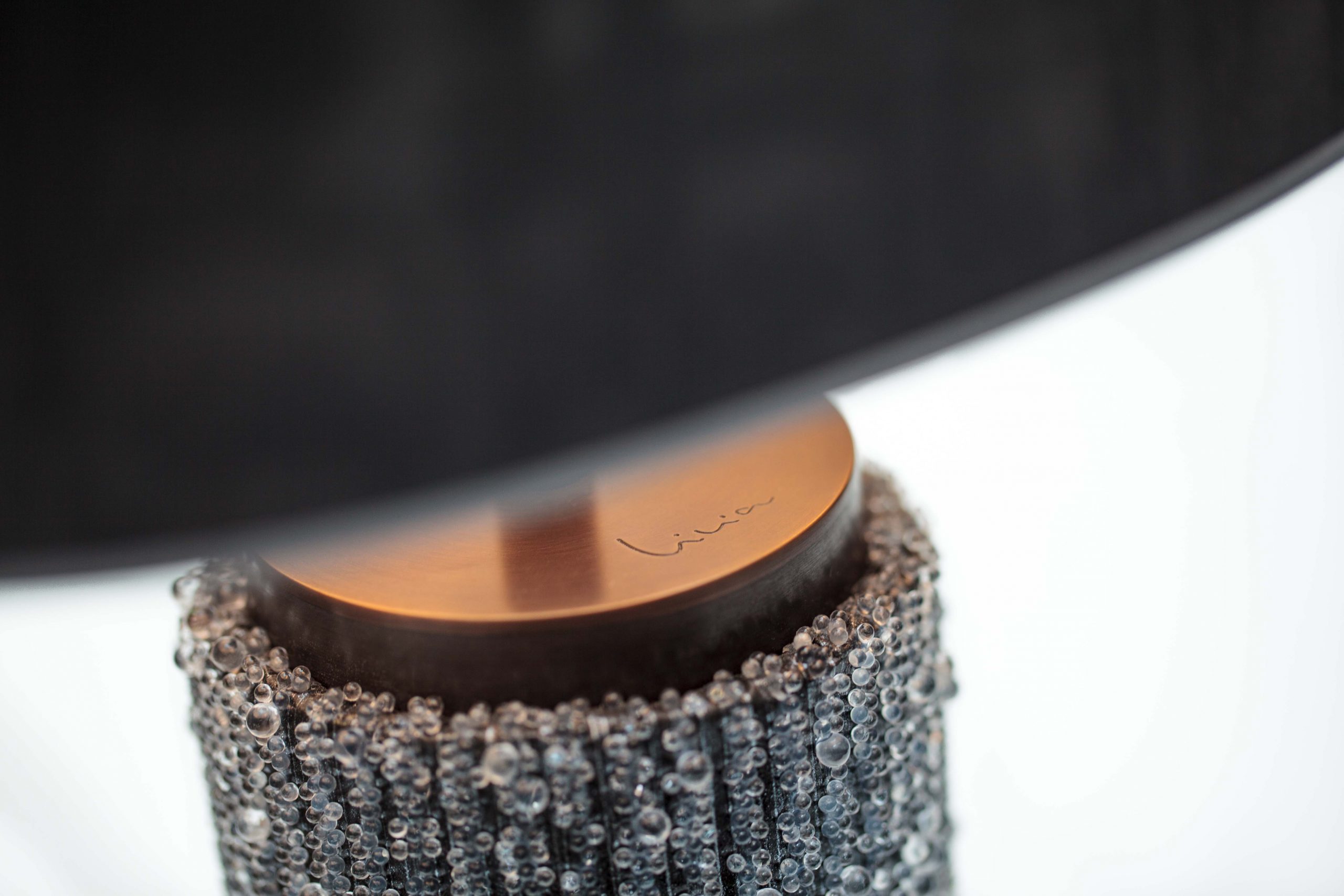
Brass and stainless steel are silver-plated, gilded, browned, or finished with copper, nickel and chrome surfaces in matte or polished shine.
Brass
Material for lamp bases, stands and socket mounts.
Stainless steel
Material for lamp bases, stands and socket mounts.
Textile and plastic cables
Each lamp base receives a cable in a matching color and length; switches, dimmers and plugs are positioned individually.
Silk
Shade fabric, also as hand-painted silk cloths.
Linen
Shade fabric with a lively surface texture.
Japanese paper
Paper material for translucent shades.
Parchment
Genuine parchment as shade material.
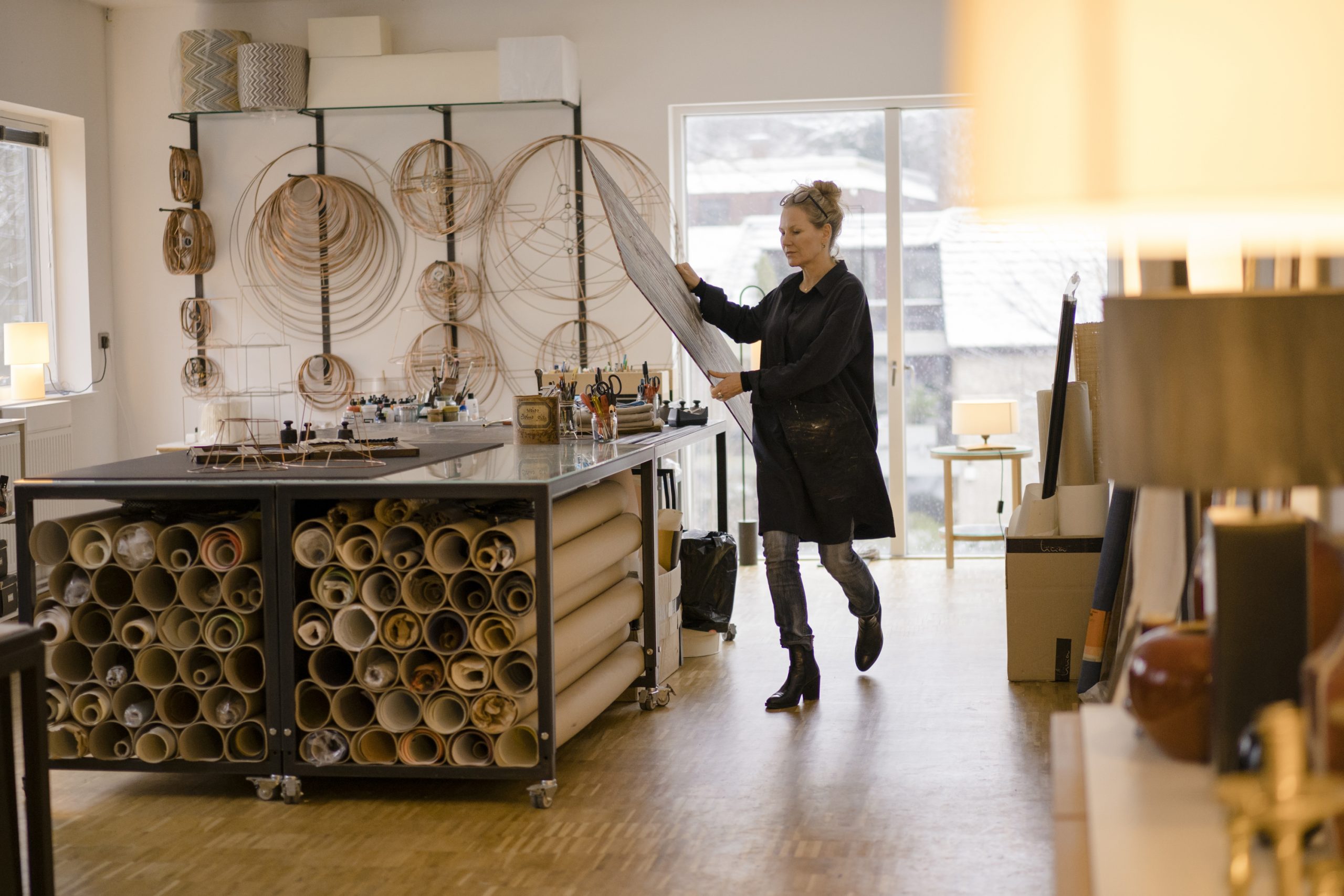
Studio
Hamburg
DEStudio and showroom
- Lot size
- Single-piece production
- Materials
- Fabrics, papers, board, parchment, brass, stainless steel
Luminaires and Components
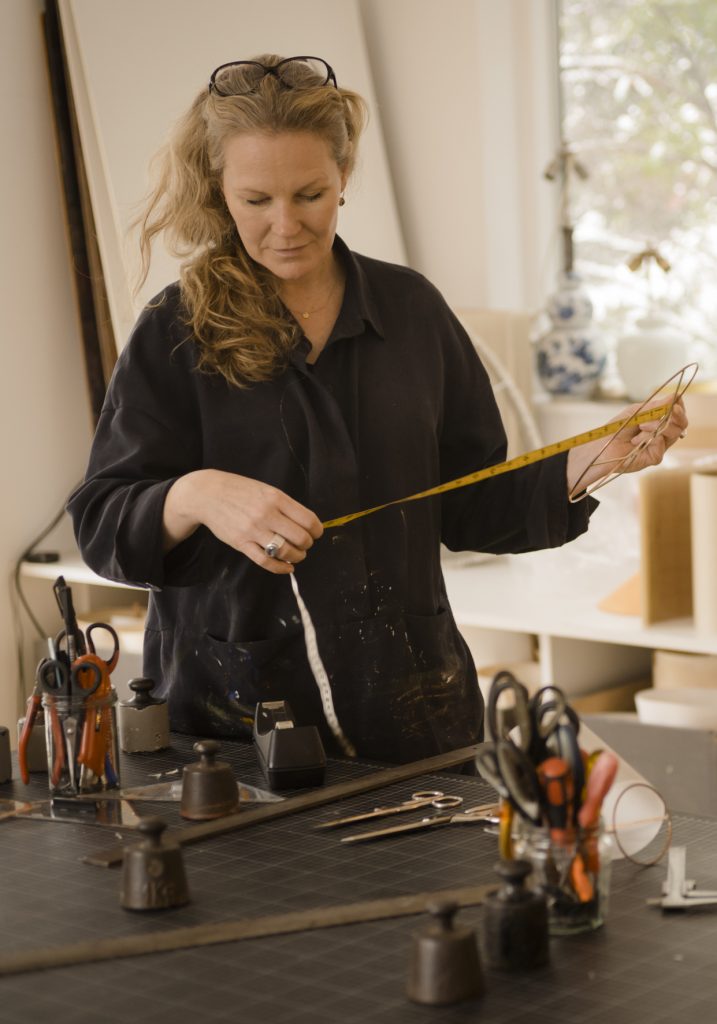
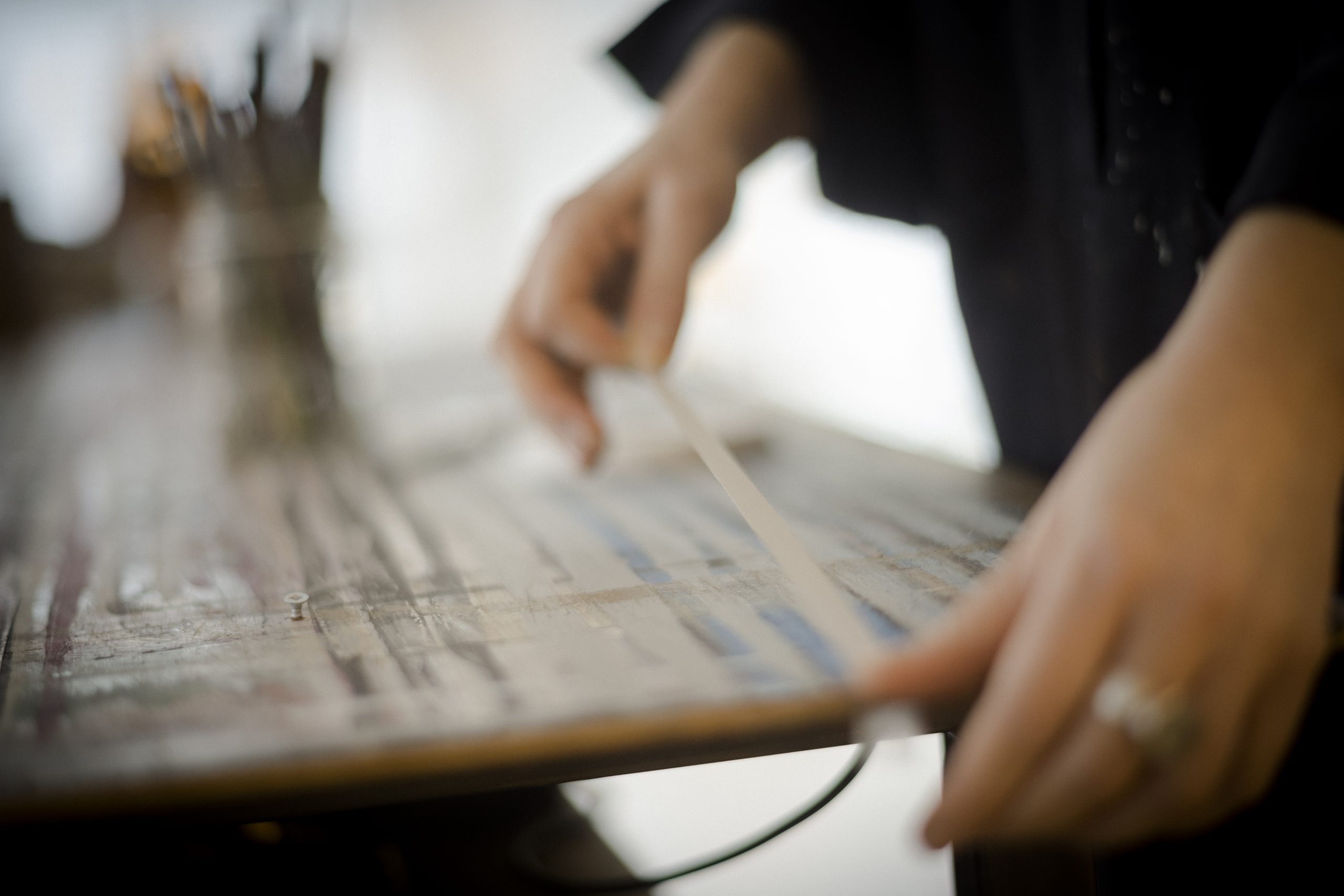
Inside the production
Industries
Processes & technical limits
| Processes | Tolerance | Max. part | Weight | Lot size | Materials |
|---|---|---|---|---|---|
| Custom manufacturing of luminaires and lampshades (KI: object, assembly with electrics, lampshade)Assembly | – | – | – | 1 (single piece) – Single-piece production | Silk, Linen, Velvet, Satin, Chintz, Japanese paper, Papyrus, French board, Parchment, Brass, Stainless steel |
| Lampshade production (sewing in plissé techniques, laminating onto lining board, dyeing with oil andOther (craft/textile processing) | – | – | – | – | Fabrics (linen, silk, velvet, satin, chintz), Lining board, Papers, Parchment |
| Metalwork: production of lamp bases, stands and socket mountsJoining/Assembly | – | – | – | – | Brass, Stainless steel |
| Electroplated surface finishing (silver plating, gilding, browning, copper, nickel andSurface | – | – | – | – | Brass, Stainless steel |
| Punching and binding techniques for connecting paper/board to the shade frameJoining | – | – | – | – | Japanese papers, Papyrus, French board, Parchment |
| Light and color consulting, design/consulting with on-site inspection, sketches and materialEngineering | – | – | – | – | – |
Additional services
Consulting and Depth of Production
Every luminaire is created as a personal one-off piece whose shade material and light color are selected according to lighting needs and room conditions; for custom-made pieces, interior style, color environment, furniture dimensions and lighting situation are taken into account on site.
| Evidence | Hamburg |
|---|---|
| Custom manufacturing after on-site analysis |
History
Production of design light objects made to measure and by hand for 25 years by Livia Reimers in Hamburg.