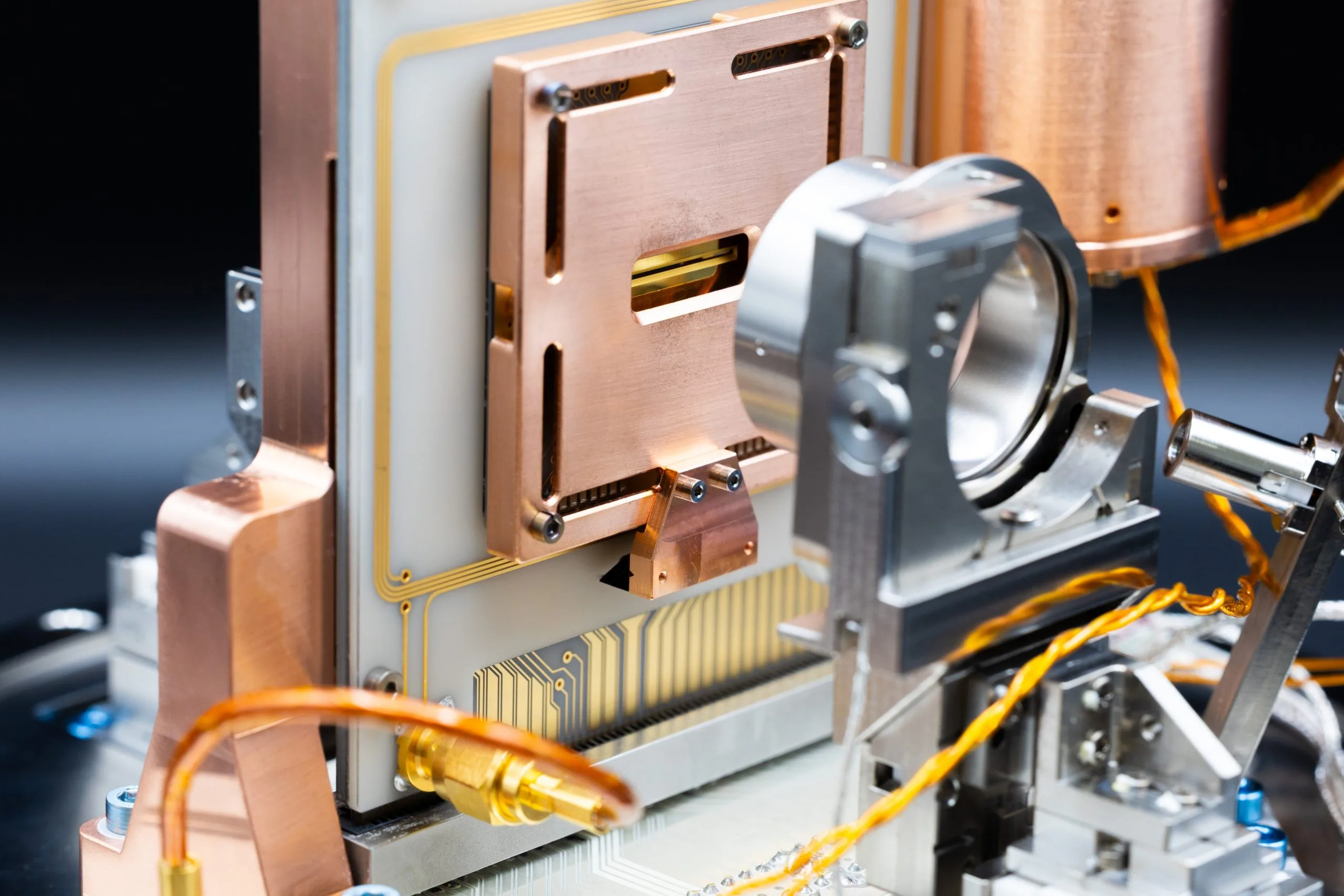
Development and operation of ion-trap quantum computers with full-stack manufacturing in Germany

neQxt GmbH
MainzNew on Amplifa
About neQxt
neQxt is a spin-off of the Schmidt-Kaler research group at the University of Mainz, which has been working in quantum science for over 30 years and has been operating ion-trap quantum computers since 2010. The company develops and produces complete quantum computer systems through in-house manufacturing: from the quantum processing unit (QPU) with self-manufactured 3D ion traps to control electronics, photonics, vacuum systems and lasers, through to control and application software as well as Quantum Error Correction. The systems operate at room temperature without cryogenic systems and are characterized by high gate fidelities and low energy consumption. By the end of 2026, neQxt will operate 12 fully functional qubits with the goal of more than 1,000 qubits; the company was selected for the German quantum computing competition (640 million euros) and is supported by ongoing project funding of over 35 million euros. Customers are critical industries and institutions in Europe.
- Site
- Mainz
- Processes
- Full-stack development and operation of quantum computers (QPU, hardware, software, Quantum Error, In-house manufacturing of ion traps, vacuum systems, electronics and control software
- Materials
- 3D ion traps, Vacuum systems, Control electronics and photonics, Laser systems, Quantum Error Correction, Software stack
- Industries
- Quantum Computing, Defense, Research, Public Sector, Critical industries and institutions in Europe (defense, research,
- 01
Design of the 3D ion trap
- 02
In-house manufacturing of the ion traps
- 03
QPU assembly
- 04
Development and construction of vacuum systems, electronics and lasers
- 05
Development of control and application software
- 06
Quantum Error Correction
- 07
Operation of the systems
Technology & Processes
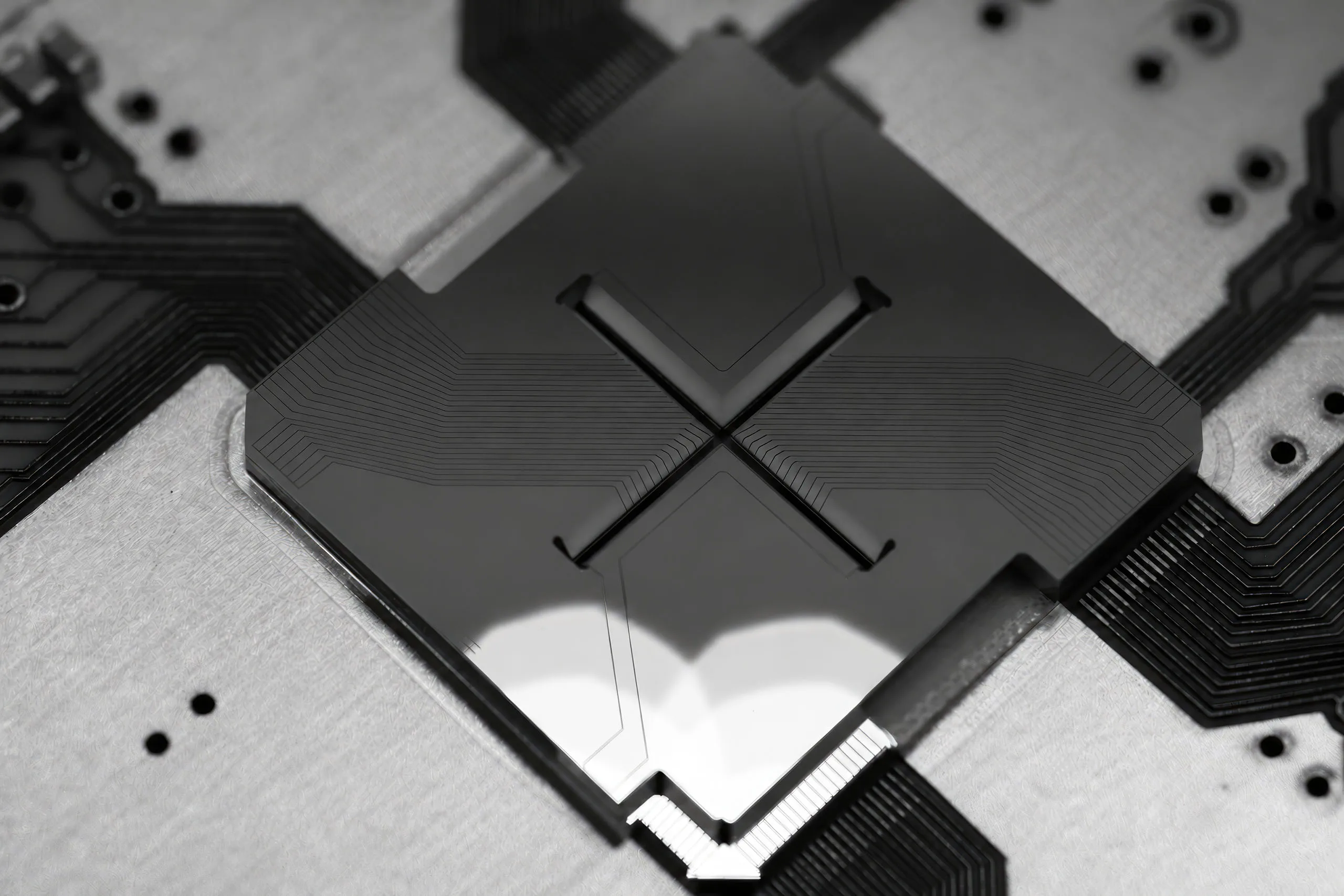
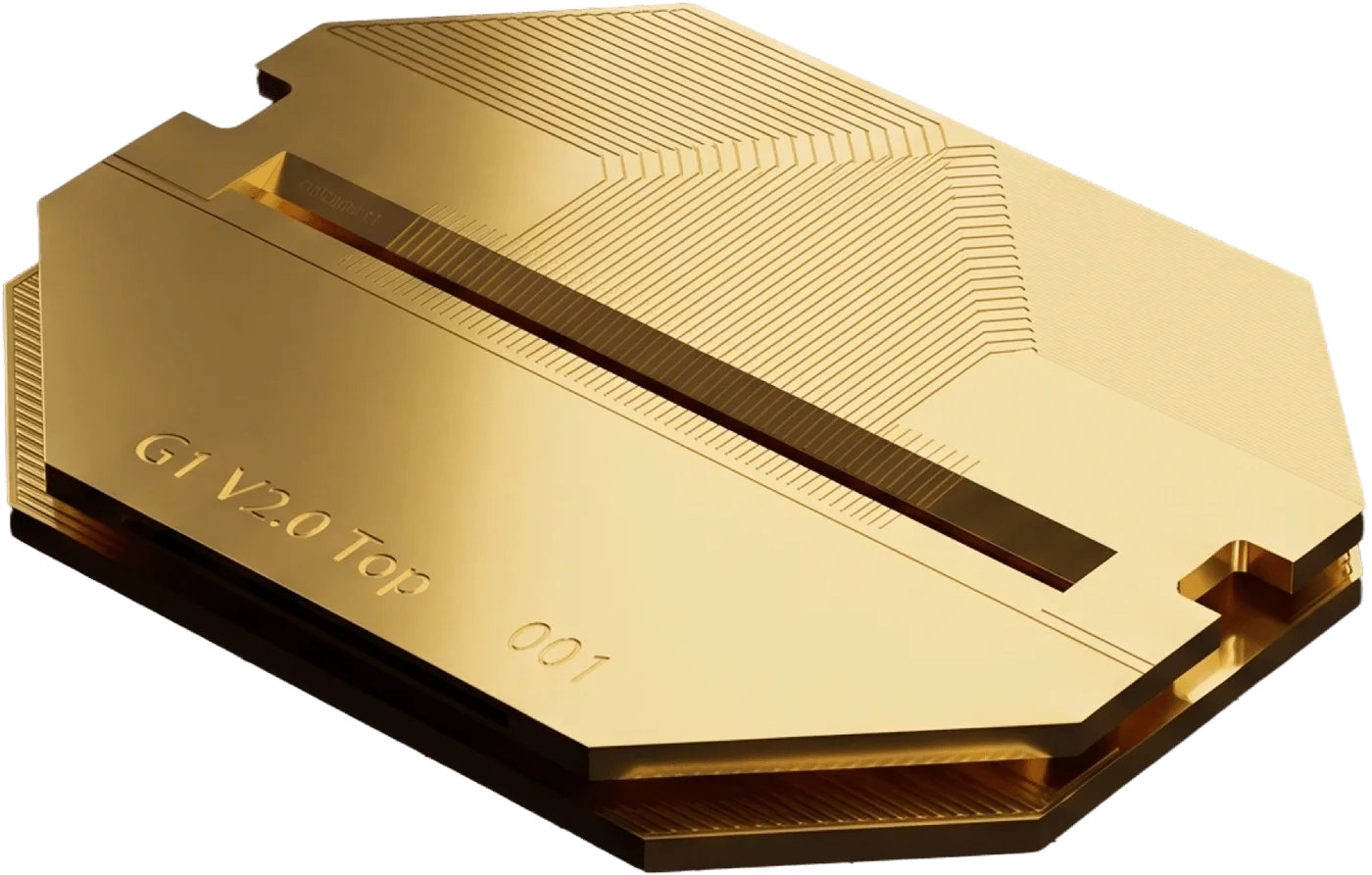
3D ion traps
In-house manufactured traps with deeper potentials for greater stability and longer ion lifetime.
Vacuum systems
In-house developed systems for isolating the ions, which are held only by electric fields.
Control electronics and photonics
Part of the in-house developed hardware for controlling the QPU.
Laser systems
Precise laser cooling and control without cryogenic systems.
Quantum Error Correction
Specialized error correction algorithms, tailored to the company's own hardware.
Software stack
From component-level control code to the end-user interface, entirely developed in-house.
Locations
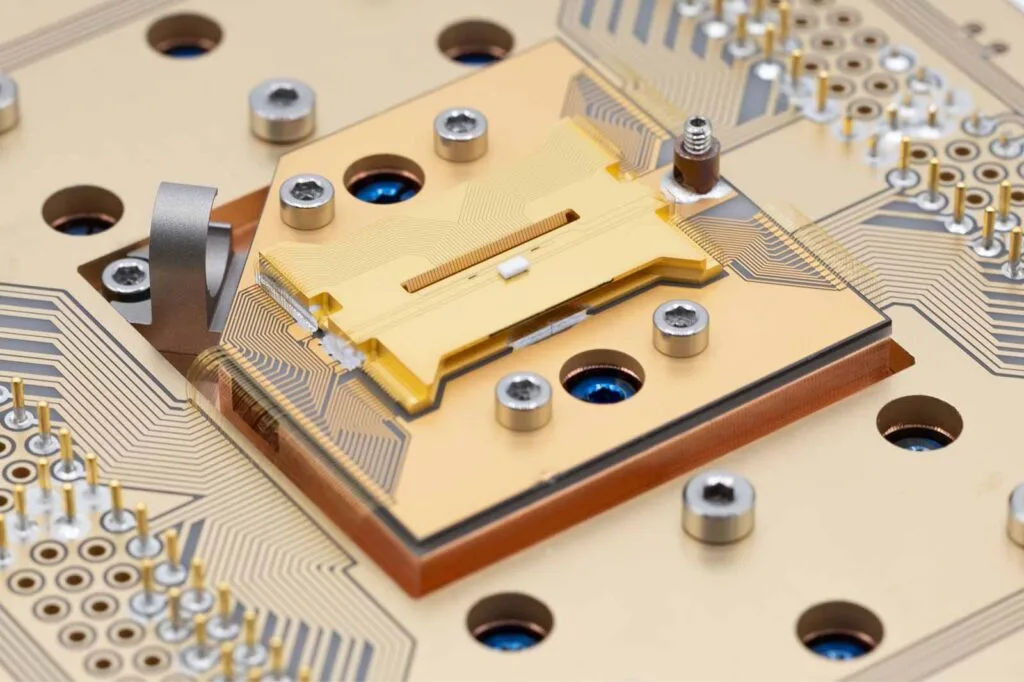
Mainz
DECompany headquarters and research & development (spin-off of the University of Mainz)
System Components
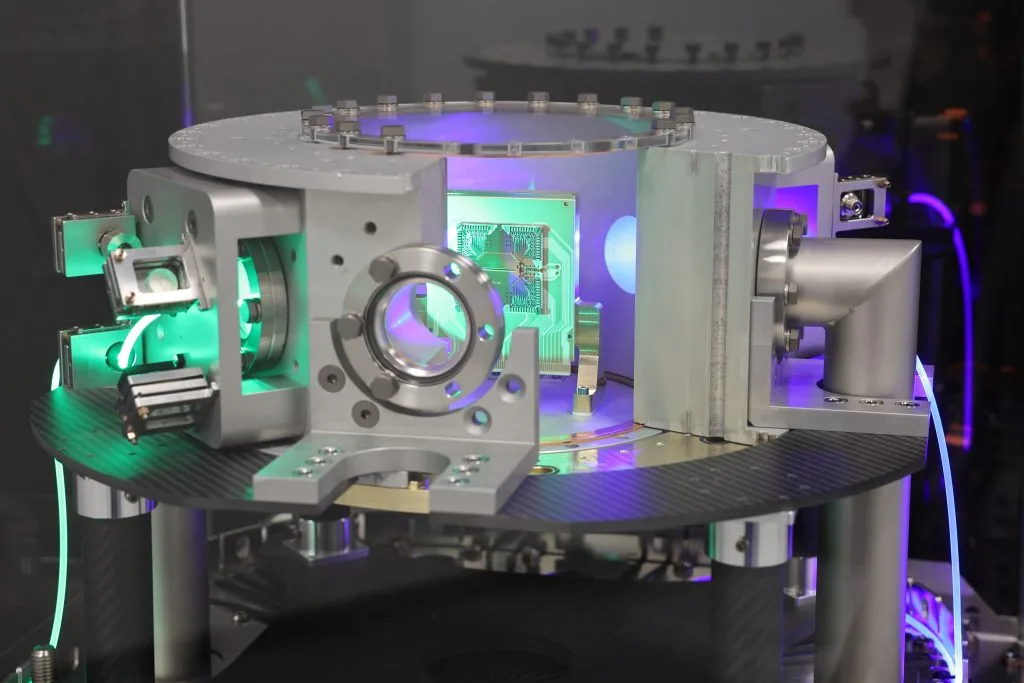
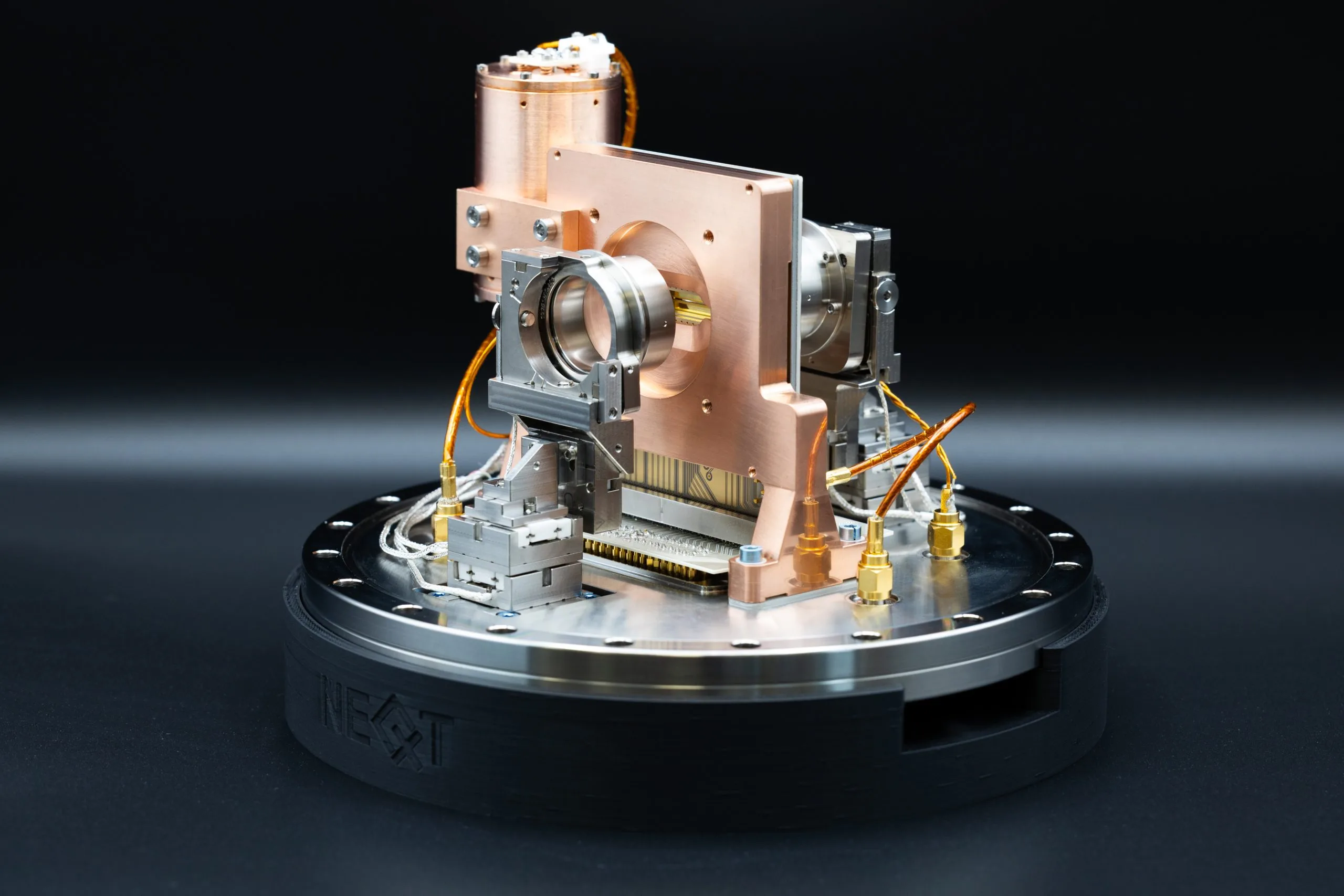
Inside the production

Industries
Additional services
History
- 2010
Start of ion-trap quantum computer operation by the Schmidt-Kaler research group at the University of Mainz
- 2026
Reaching 12 fully functional qubits and announcing the goal of 1,000+ qubits
- 2026
Selection for the German quantum computing competition (640 million euros)
- 2026
High ranking in a global market analysis for quantum computing