
Constructs large space structures such as booms, solar modules and radiators directly in orbit using 3D printing.

Orbital Matter
Designed in Germany · Made in Poland · Built in OrbitNew on Amplifa
About Orbital Matter
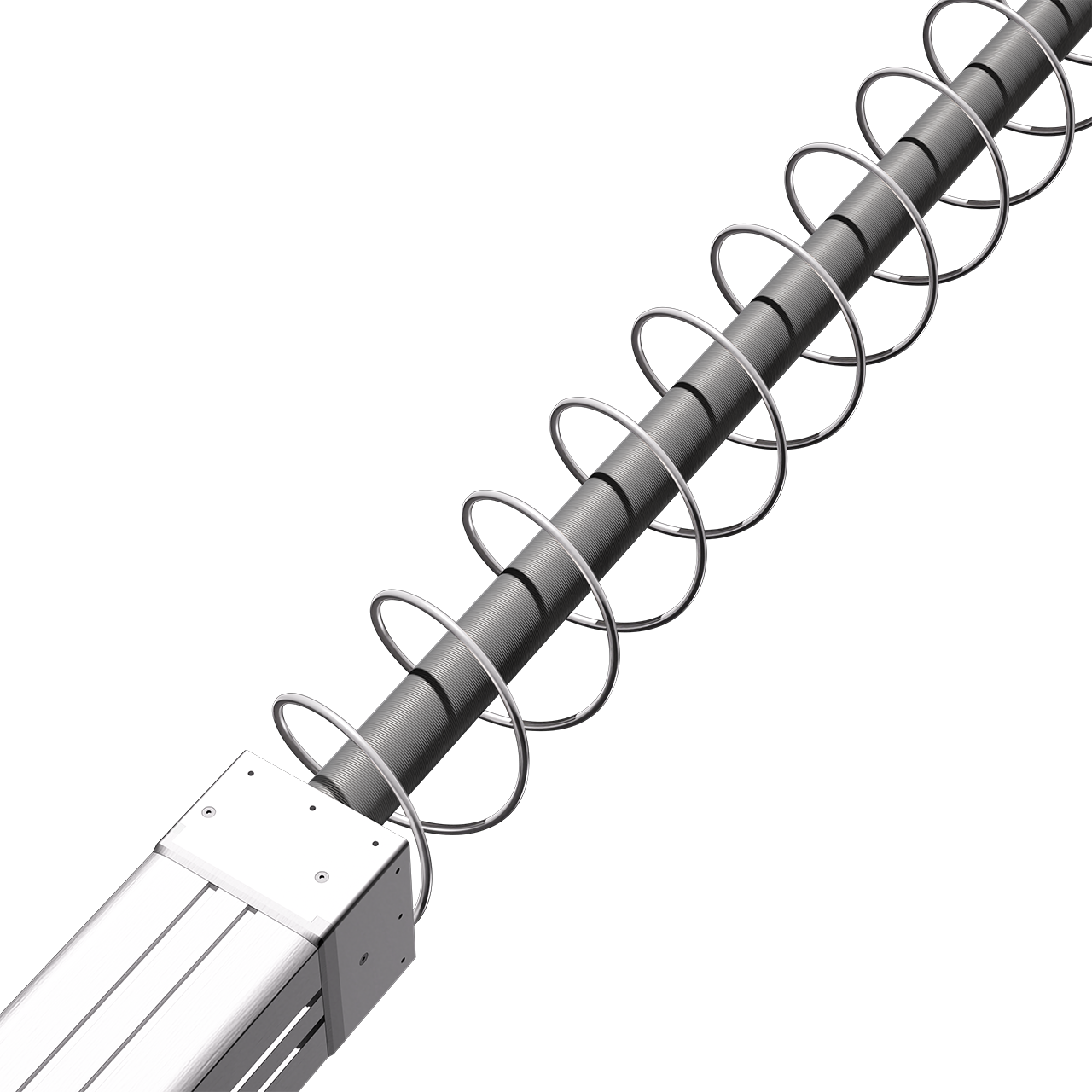
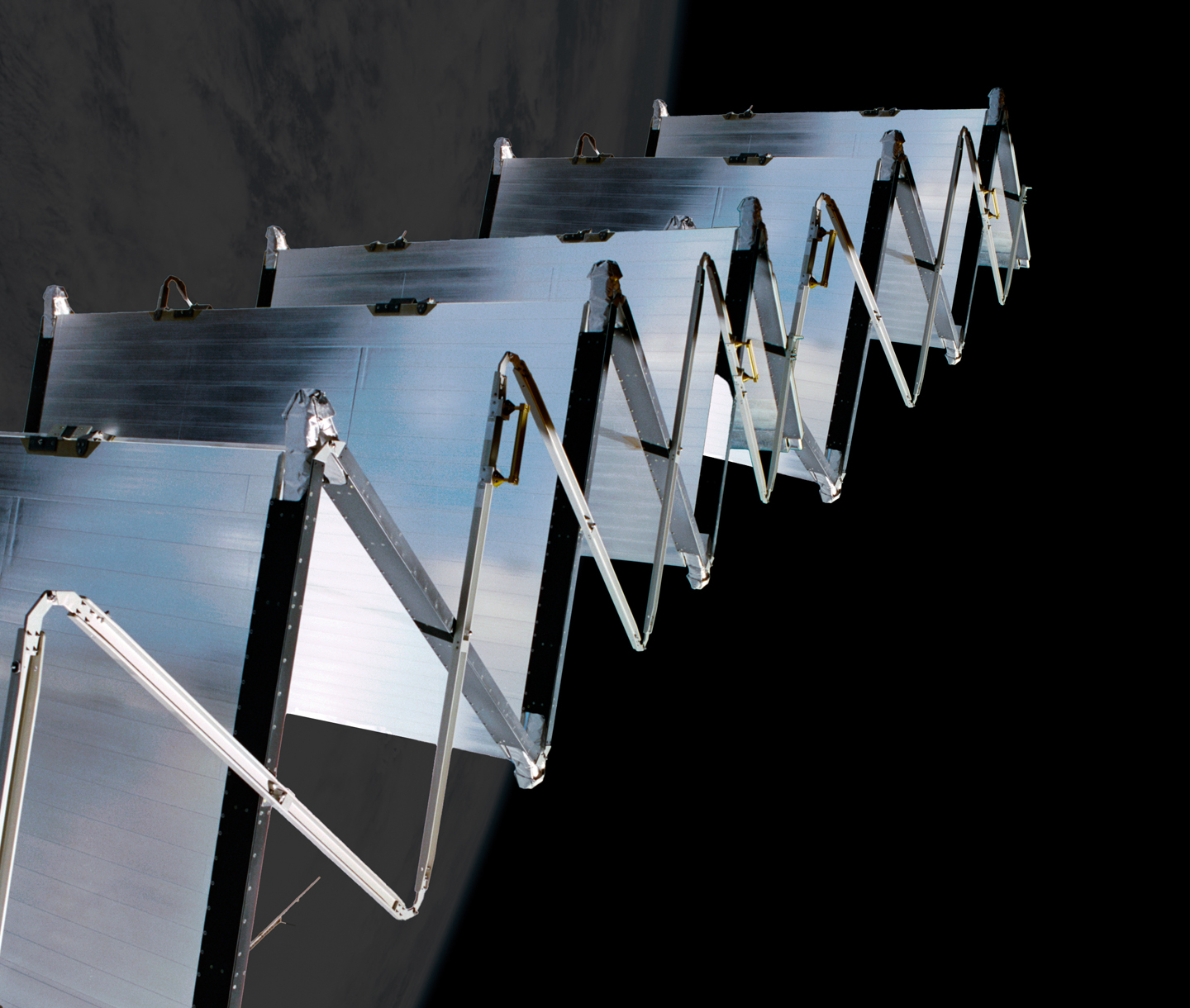
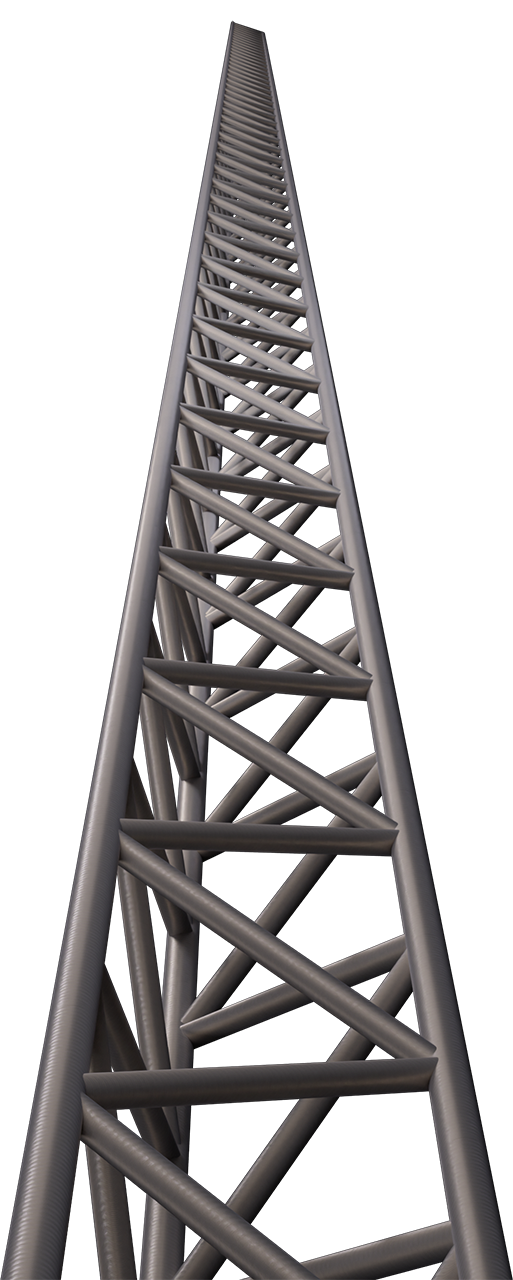
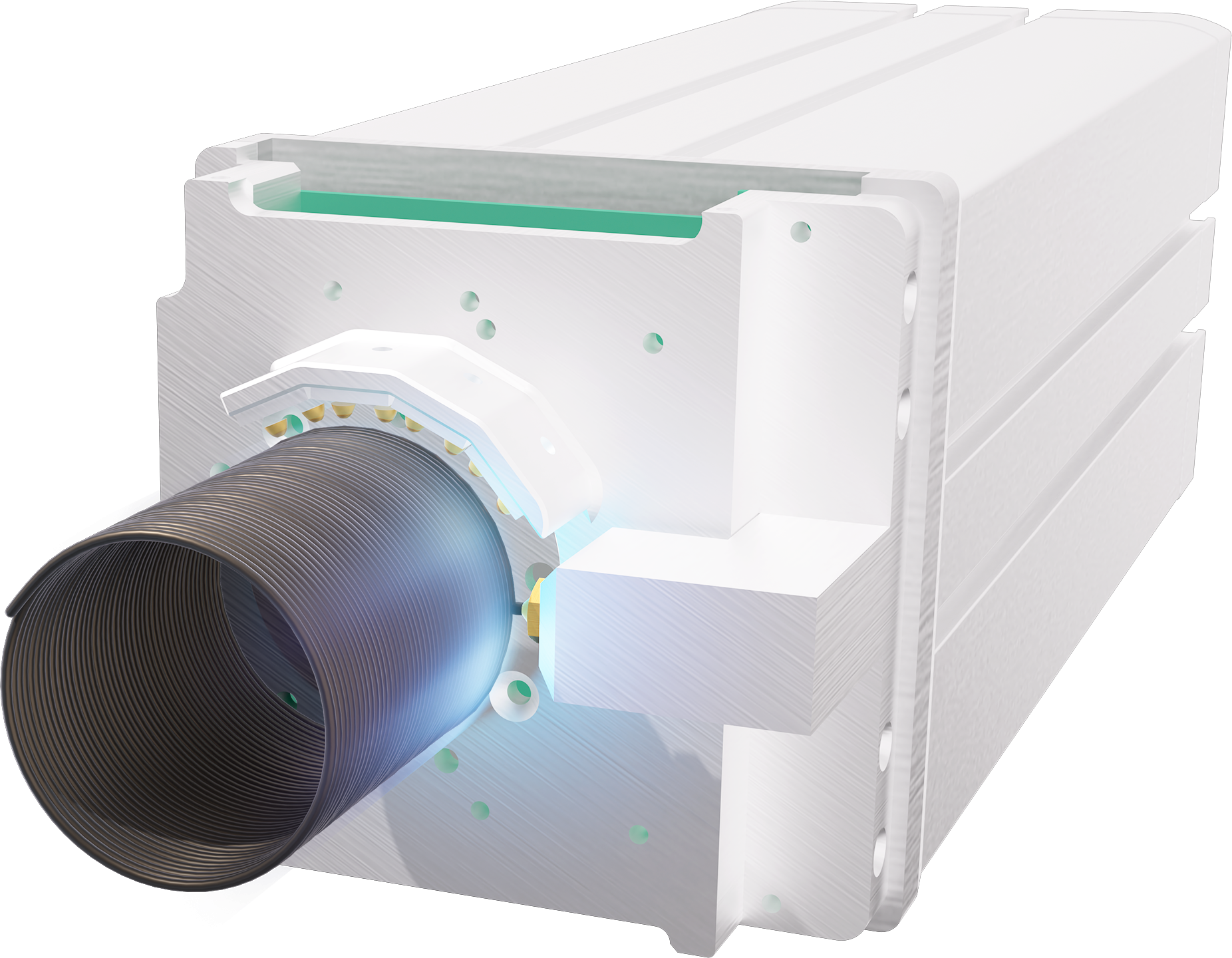
Orbital Matter is a space company that manufactures structural components not on Earth, but directly in orbit. Using the in-house developed PADS process (Printer Assisted Deployment System), continuous, jointless structural booms from 10 m to over 100 m in length are printed in space. The material used is SPACECRETE, a UV-curing material that is processed as a liquid and cures within seconds into a rigid, seamless space structure. Solar modules, radiators and antenna structures are mounted on these booms that would be too large for conventional rocket fairings and would otherwise require complex mechanical deployment systems. Development follows a flight-driven approach: mission demonstrators launched early and frequently validate the systems under real space conditions. The roadmap extends from the Replicator missions (2024–26) via the PADS missions (2026–28) to the construction of Space Data Centers and space stations with kilometer-long solar modules and radiators from 2030 onwards. Designed in Germany, manufactured in Poland, built in orbit.
- Site
- Designed in Germany
- Processes
- 3D printing (UV curing, space native manufacturing process), P.A.D.S. (Printer Assisted Deployment System) – production of continuous structural booms on-orbit, Orbital 3D printing manufacturing of structural booms (PADS – Printer Assisted Deployment System), Production of continuous, jointless structural booms (10 m to 100 m+) in orbit, Construction of solar modules, radiators and antenna structures in space, Spacecrete material (UV-curing material)
- Materials
- SPACECRETE, Concrete (referenced as a model for SPACECRETE)
- Industries
- Space, Satellite constellations, Space Data Centers, Space stations
- 01
3D printing in orbit (UV curing)
- 02
Curing into a monolithic structure
- 03
Integration of solar modules, radiators, antennas
- 04
In-orbit validation
SPACECRETE Material
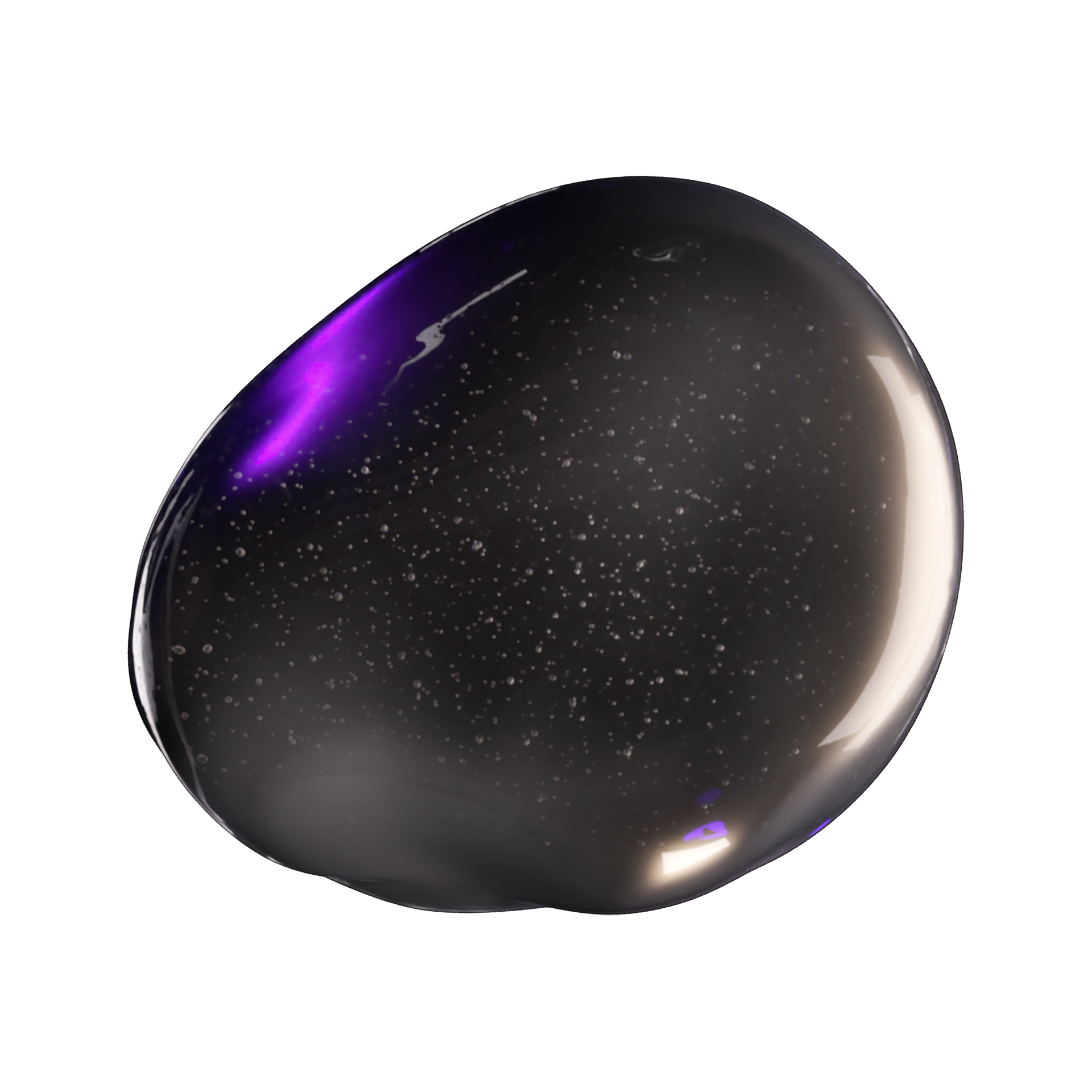
SPACECRETE
UV-curing material that is processed as a fluid and cures within seconds into a rigid, jointless structure.
Sites
Orbit
On-orbit manufacturing
- Materials
- SPACECRETE
- PADS 3D printer (on-orbit printing system)
Components
Inside the production
Industries
Processes & technical limits
| Processes | Tolerance | Max. part | Weight | Lot size | Materials |
|---|---|---|---|---|---|
| 3D printing (UV curing, space native manufacturing process)Additive | – | 100 m+ | – | – | SPACECRETE |
| P.A.D.S. (Printer Assisted Deployment System) – production of continuous structural booms on-orbitAdditive | – | 100 m+ | 10 m | – | SPACECRETE |
1 Anlagen & Maschinen
| Machine | Manufacturer / model | Quantity | Working area | Year built | Site |
|---|---|---|---|---|---|
| PADS 3D printer (on-orbit printing system) | Orbital Matter PADS | – | Booms from 10 m to 100 m+ in length | – | Orbit |
Additional services
Mission Roadmap
- 2024–26
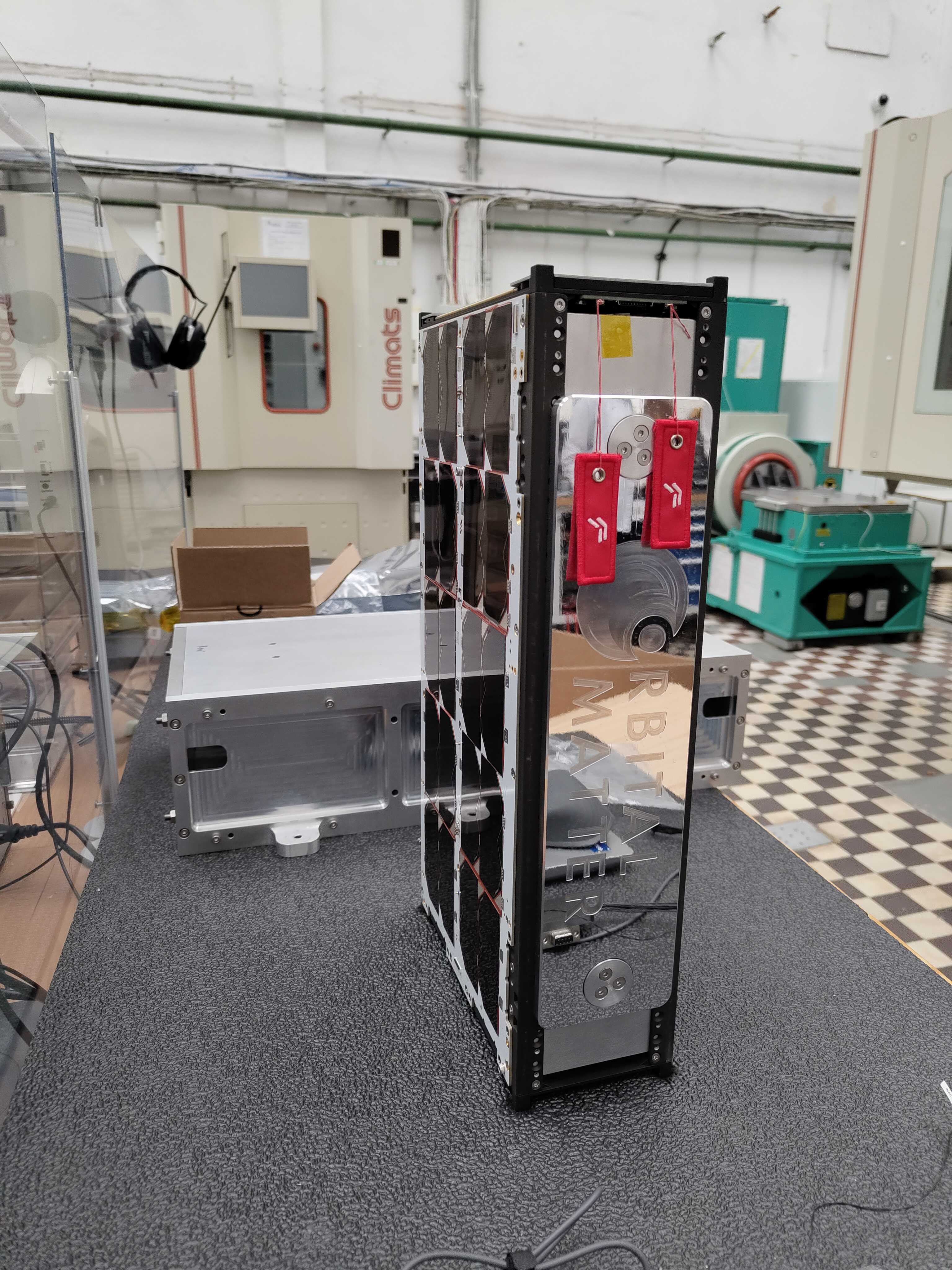
Replicator missions: technology demonstrators with progressively longer booms in orbit
- 2026–28
PADS missions: joint missions with larger customer apertures
- 2030
Construction missions: building Space Data Centers and space stations with km-long solar modules and radiators