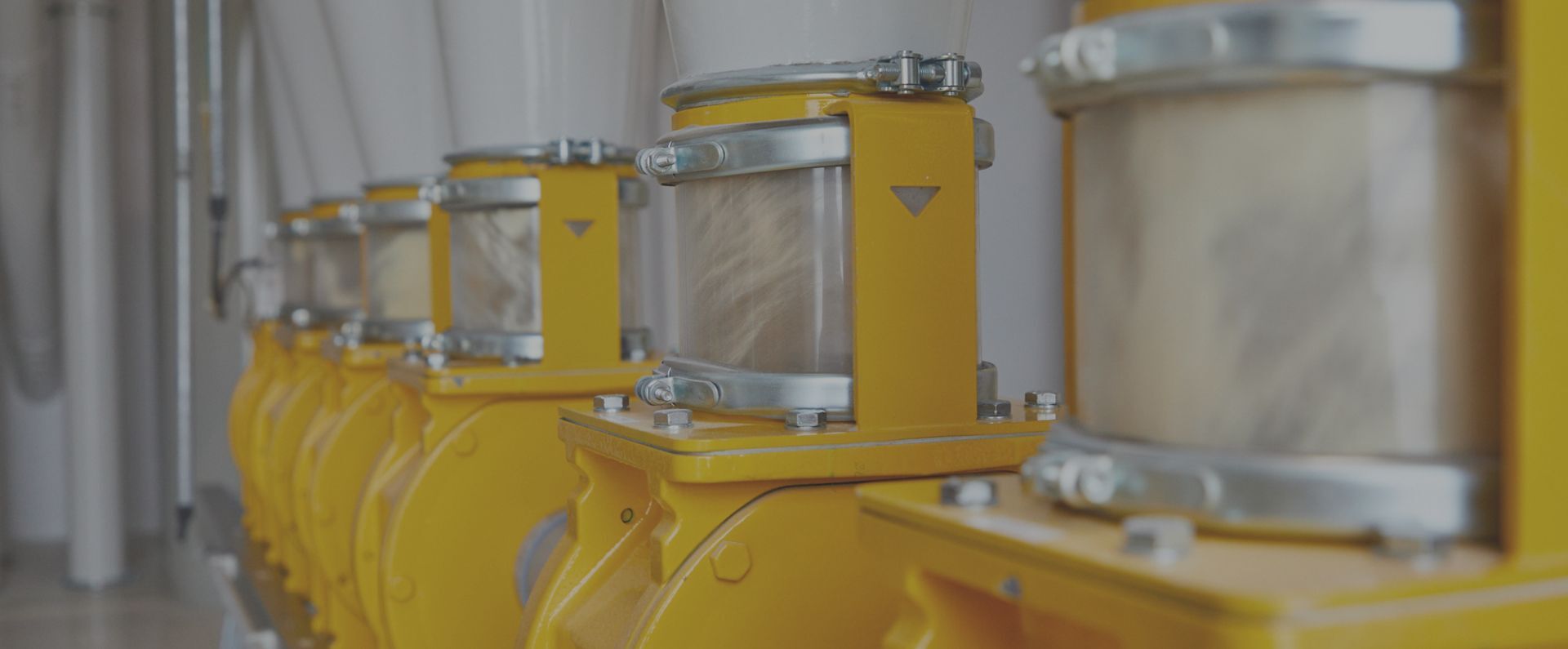
Milled products from wheat, spelt and rye – wheat mill in Neuss with over 250 years of tradition

Plange GmbH
NeussNew on Amplifa
About Georg Plange
The Georg Plange wheat mills were founded in 1775 by Georg August Plange in Soest and at the beginning of the 20th century ranked among Europe's leading grain milling groups. Today's successor company, headquartered in Neuss, is a branch of the Premium Mühlen Gruppe GmbH & Co. KG and part of the Bindewald und Gutting Verwaltungs-GmbH. Plange GmbH produces milled products from wheat, spelt and rye as well as specialty and process flours for bakeries, retail and food production. The company sees itself as a food producer with high quality standards and is guided by the UN Guiding Principles on Business and Human Rights as well as the fundamental principles of the ILO, documented in a code of conduct for employees and suppliers. The sites of the family mill in Soest, Hamburg and Düsseldorf were owner-managed over seven generations and shaped the development of the industry, among other things through the first German household flour in small bags from 1875 onwards and involvement in the development of the flour type classification system.
- Site
- Neuss
- Processes
- Milling of wheat, spelt, rye, specialty & process flours, Household flour packaging
- Materials
- Wheat, Spelt, Rye, Specialty & process flours
- Founded
- 1775
- Industries
- Milling / grain processing, Food production, Bakery and retail
- 01
Grain intake
- 02
Milling
- 03
Quality control
- 04
Packaging
- 05
Distribution
Products & Processes
Wheat
Main raw material milled into wheat flours of various types.
Spelt
Processed into spelt flour and specialty flours.
Rye
Rye is processed into milled products for bakeries.
Specialty & process flours
Specially developed flours for industrial applications in food production.
Location
Neuss
DEHead office / production site
- Materials
- Wheat, spelt, rye, specialty & process flours
Inside the production
Industries
Additional services
History
- 1775
Founded by Georg August Plange in Soest (acquisition of a water mill on the Soestbach in Hattrop)
- 1810
Reconstruction of a windmill in a Soest city tower; conversion to year-round in-house flour production
- 1835
Conversion of a pearl barley mill runner into a wheat milling pass in Hattrop
- 1855
Carl Georg Plange operates a steam mill with a grain distillery in Gütersloh
- 1858
Registration of Georg Plange oHG with its seat in Gütersloh
- 1862
Reconstruction of the destroyed steam mill in Soest with porcelain roller mills
- 1873
Quality medal at the World Exhibition in Vienna; renaming to Kaisermehl (Emperor's flour)
- 1875
Georg Plange takes over the company; first German household flour in small bags
- 1880
Establishment of the first mill bakery for quality control; founding of Soester Zuckerrüben AG
- 1895
Brand name Diamantmehl (Diamond flour) registered at the Imperial Patent Office in Berlin (DE8254)
- 1896
New steam mill in Wilhelmsburg/Hamburg – the largest mill on the continent at commissioning (approx. 1,000 t/day, up to 190 employees)
- 1899
Direct rail siding connection of the Soest mill via the Möhnetalbahn
- 1906
Construction of the third steam mill at the Düsseldorf Rhine port (approx. 800 t daily, up to 120 employees)
- Anfang 20.
Plange was the largest grain milling group in Europe
- heute
Successor company with head office in Neuss as a branch of the Premium Mühlen Gruppe GmbH & Co. KG, part of the Bindewald und Gutting Verwaltungs-GmbH