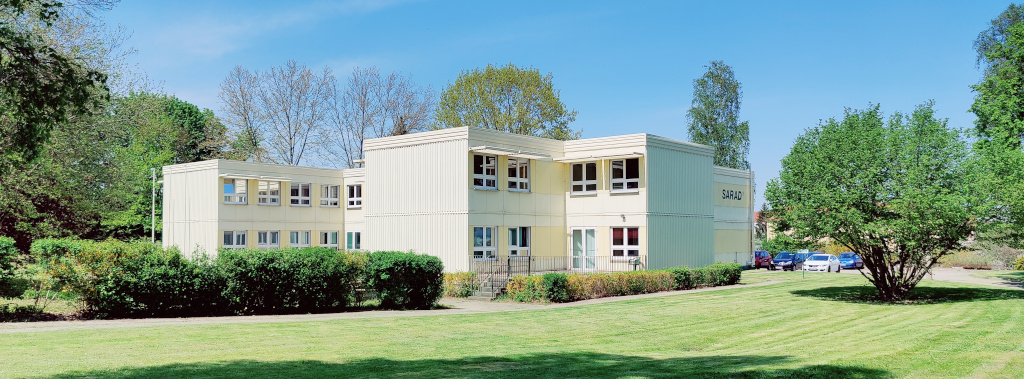
Development and manufacture of radiation and environmental measurement technology for radon, radioactive aerosols and contamination search since 1993.

SARAD GmbH
01159 Dresden (Headquarters, development and manufacturing)New on Amplifa
About SARAD
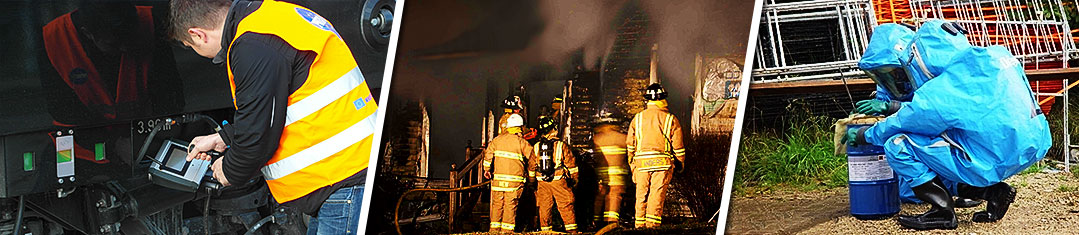
SARAD GmbH is a medium-sized technology company founded in 1993 and based in Dresden. Its core competence is the development and manufacture of radiation and environmental measurement technology for radon, thoron, radon/thoron progeny, radioactive aerosols, and the search and assessment of radioactive contamination. The products are manufactured entirely at the Dresden site; the high level of in-house production includes chip bonding, PCB assembly, mechanical prototyping and the company's own production of ion-implanted silicon detectors in a cleanroom. Customers include industries such as radiation protection, geology, medicine/nuclear medicine, nuclear technology, mining, building biology, building automation, waste management and research. The company is certified to DIN ISO 9001:2015 and operates a radon calibration laboratory accredited to DIN ISO 17025. Via a worldwide network of dealers and service partners, the instruments are in use in almost all countries of the world.
- Site
- Dresden
- Processes
- Radon and thoron measurement (measurement technology manufacturing), Measurement of radioactive aerosols / Air Sampling, Measurement of radon/thoron progeny, Contamination search / nuclide identification (gamma spectrometry), Ion implantation of Si detectors (semiconductor detector manufacturing, cleanroom), Chip bonding, PCB assembly, Mechanical prototyping
- Materials
- Silicon, Printed circuit boards, NaI scintillation detectors
- Certificates
- DIN ISO 9001:2015, DIN ISO 17025 (radon calibration laboratory), ISO 9001:2015, ISO 17025 (radon calibration laboratory)
- Founded
- 1993
- Industries
- Radiation protection, Geology, Medicine/Nuclear medicine, Nuclear technology, Research, Building biology
- 01
Software, hardware and mechanical development
- 02
Semiconductor detector manufacturing (cleanroom, ion implantation)
- 03
PCB assembly and chip bonding
- 04
Mechanical prototyping
- 05
Instrument manufacturing and assembly
- 06
Calibration (DIN ISO 17025)
- 07
Repair, maintenance and calibration service
- 08
Sales via a worldwide dealer network
Materials and Processes
Silicon
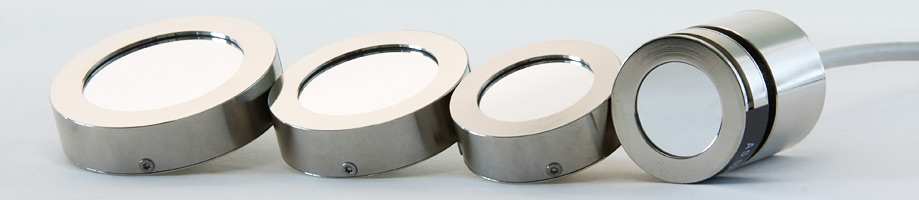
Ion-implanted silicon detectors for alpha spectrometry are manufactured in the company's own cleanroom.
Printed circuit boards
In-house PCB assembly for the electronics of the measuring instruments.
NaI scintillation detectors
Used in spectrometric gamma monitors for nuclide identification.
Locations
Dresden
DEHeadquarters, development and manufacturing
- Materials
- Silicon, printed circuit boards
- Cleanroom for semiconductor detector manufacturing (ion implantation)
- PCB assembly
- Chip bonding
- Mechanical prototyping
- Radon calibration laboratory to DIN ISO 17025
Components and Products
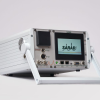
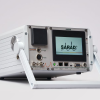
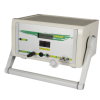
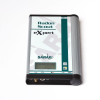
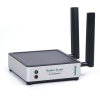
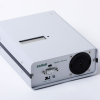
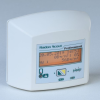
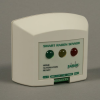
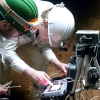
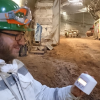
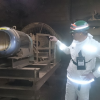
Inside the production
Industries
Processes & technical limits
| Processes | Tolerance | Max. part | Weight | Lot size | Materials |
|---|---|---|---|---|---|
| Radon and thoron measurement (measurement technology manufacturing)Testing | – | – | – | – | – |
| Measurement of radioactive aerosols / Air SamplingTesting | – | – | – | – | – |
| Measurement of radon/thoron progenyTesting | – | – | – | – | – |
| Contamination search / nuclide identification (gamma spectrometry)Testing | – | – | – | – | – |
| Ion implantation of Si detectors (semiconductor detector manufacturing, cleanroom)Surface | – | – | – | – | Silicon |
| Chip bondingAssembly | – | – | – | – | – |
| PCB assemblyAssembly | – | – | – | – | Printed circuit boards |
| Mechanical prototypingEngineering | – | – | – | – | – |
| Radon calibration laboratory (DIN ISO 17025)Testing | – | – | – | – | – |
| Calibration for radon progeny and radioactive aerosols (EN ISO/IEC 17025)Testing | – | – | – | – | – |
| Repair, maintenance and calibration service for measuring instrumentsTesting | – | – | – | – | – |
Additional services
Reference customers
Quality
All business divisions are certified to DIN ISO 9001:2015. The company's own radon calibration laboratory operates to DIN ISO 17025; since 2024 a calibration facility to EN ISO/IEC 17025 has been in place for radon progeny and radioactive aerosols.
| Evidence | Dresden |
|---|---|
| ISO 9001:2015 | |
| ISO 17025 (radon calibration laboratory) |
History
- 1993
Founding of SARAD GmbH by the physicist Dr. Thomas Streil in Dresden-Gittersee; assessment and remediation of radiologically contaminated objects; start of development of the company's own radon monitors
- 1994
Introduction of the first radon and radon progeny monitors; relocation to Pesterwitz
- 1995
Development and installation of geophysical measuring stations, among others in Mexico, the Philippines, Turkey and Taiwan; the world's first electronic personal dosimeters for radon are created in a project of the BfS (Federal Office for Radiation Protection); cascade impactors with the University
- 2000
Move into the company's own building at today's Dresden location
- 2002
Development of the world's first personal dosimeter for radioactive aerosols with alarm function
- 2005
Radon Scout; first transmitter for ventilation control; establishment of the company's own manufacturing of semiconductor detectors (cleanroom) and printed circuit boards
- 2010
Start of development of the DACM device platform; gamma-spectrometric methods after Fukushima; participation in security projects such as ProtectRail; first radon measuring device with scintillation cell and SiPM
- 2019
Teresa Streil takes over management of the company
- 2020
Increased engagement in nuclear medicine through specific measurement algorithms and device versions
- 2021
Commissioning of the first commercial radon calibration laboratory to DIN ISO 17025
- 2023
Approval of the RTM 1688-2 in Switzerland
- 2024
Calibration facility to EN ISO/IEC 17025 for radon progeny and radioactive aerosols with utility model protection; network-capable communication technology (USB, RS485/MODBUS, LAN, WLAN, LTE)
- 2025
Introduction of a controller-based platform
- 2026
EU project FRESCO; third generation of the DACM platform