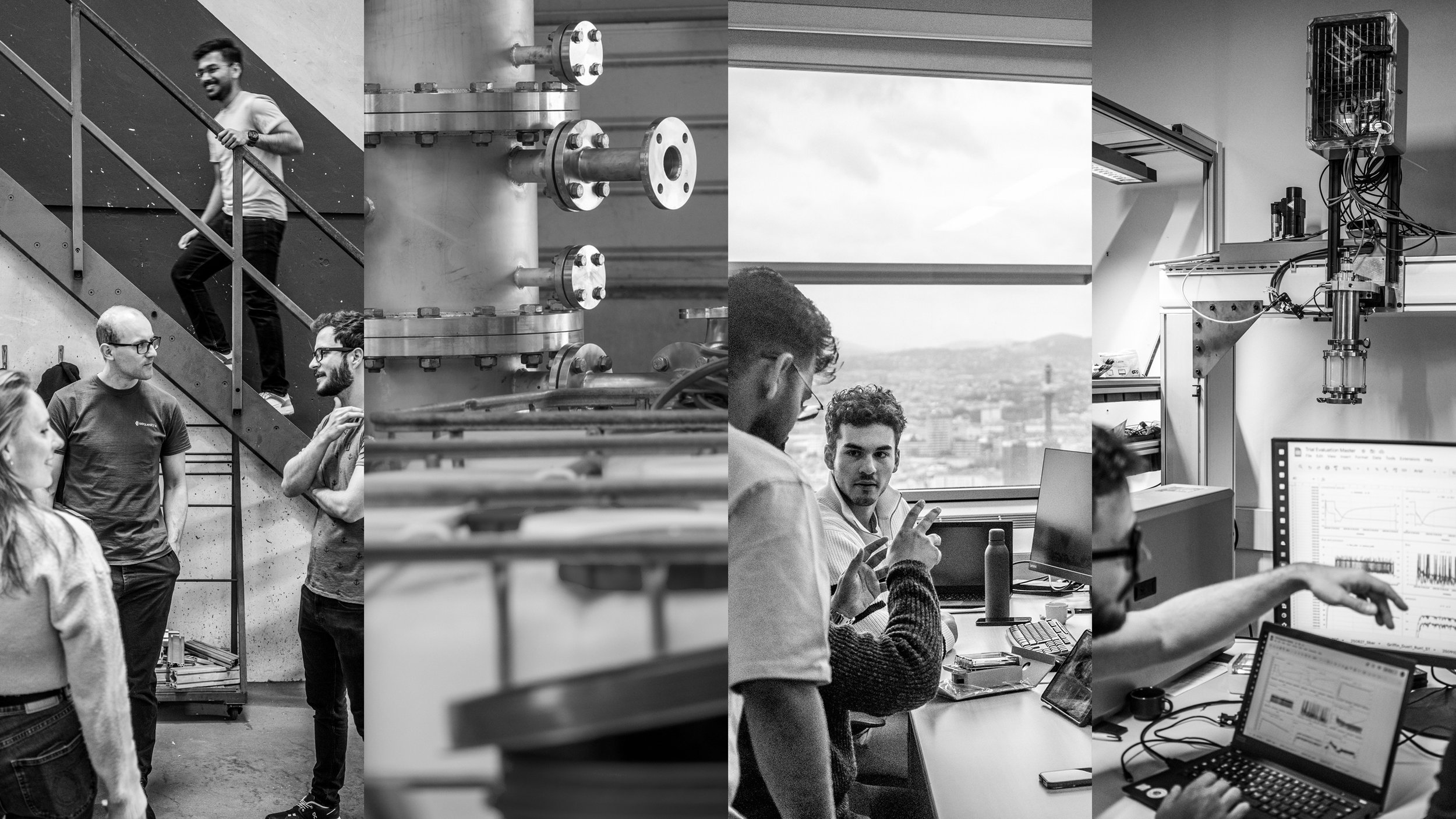
CO₂ binding in mineral industrial residues through accelerated carbonation technology – from analysis to plant.

sequestra
New on Amplifa
About sequestra
sequestra develops a technology platform for CO₂ mineralization in mineral industrial residues. At its core is accelerated carbonation technology (ACT), which permanently binds CO₂ in residual materials such as slags or ashes; depending on the material, up to 300 kg of CO₂ per tonne of residue can be stored. The offering ranges from material analysis, in which material samples are tested for their practical CO₂ uptake potential under multi-parameter variation, through business case evaluation with economic, technical and legal assessment, to the industrial realization of pilot projects and their scale-up to commercial carbonization plants. The carbonated outputs are used as sustainable building materials and are considered the only EU ETS-approved form of CCU. The platform is complemented by an in-house MRV system (Monitoring, Reporting, Verification) that forms the basis for mandatory or voluntary CO₂ credits. The team comprises 18 employees, 92% of whom have an engineering or science background from eight nations.
- Processes
- accelerated carbonation technology (ACT) - CO₂ binding in mineral industrial residues, Material analysis - standardized CO₂ uptake tests of material samples under, industrial carbonization plants (pilot to commercial scale), Business Case Evaluation - economic, technical and legal assessment, Material analysis (CO₂ uptake potential of mineral residues), Business case evaluation, Industrial realization (pilot projects and scale-up to commercial carbonization plants), accelerated carbonation technology (ACT)
- Materials
- mineral industrial residues, Accelerated Carbonation Technology (ACT), Monitoring, Reporting, Verification (MRV)
- Employees
- 18
- Industries
- Hard-to-abate sectors (EU ETS), Construction / sustainable building materials, Recycling / waste management, Hard-to-abate sectors (industry subject to EU ETS obligations)
- 01
Material analysis (CO₂ uptake potential)
- 02
Business case evaluation
- 03
Industrial realization (pilot projects)
- 04
Scale-up to commercial carbonization plants
- 05
In-house MRV (Monitoring, Reporting, Verification)
Materials & Processes
Accelerated Carbonation Technology (ACT)
Permanently binds CO₂ in mineral industrial residues; depending on the material, up to 300 kg CO₂ per tonne.
Monitoring, Reporting, Verification (MRV)
In-house verification of the bound CO₂ quantities as the basis for carbon credits.
Offers & Services
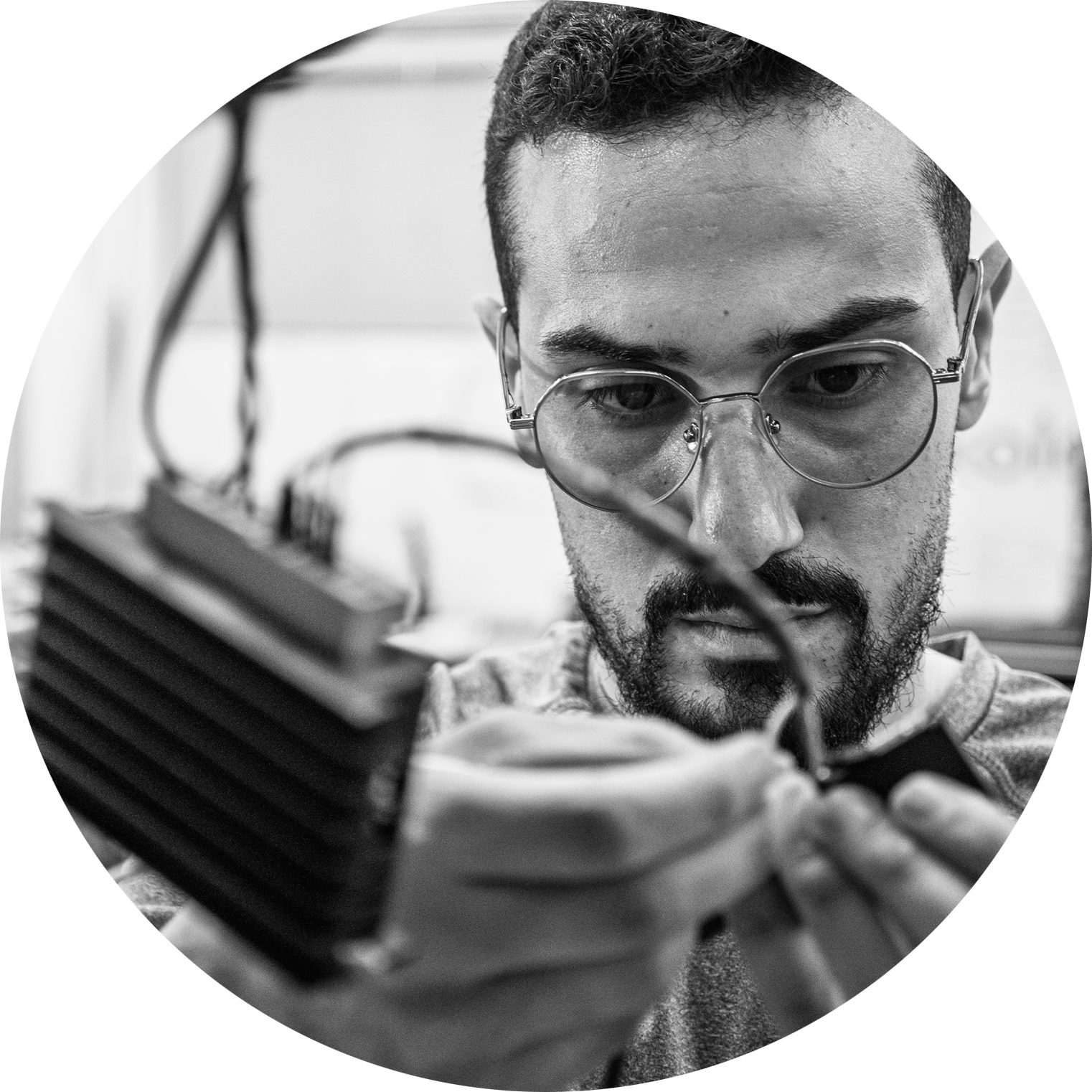
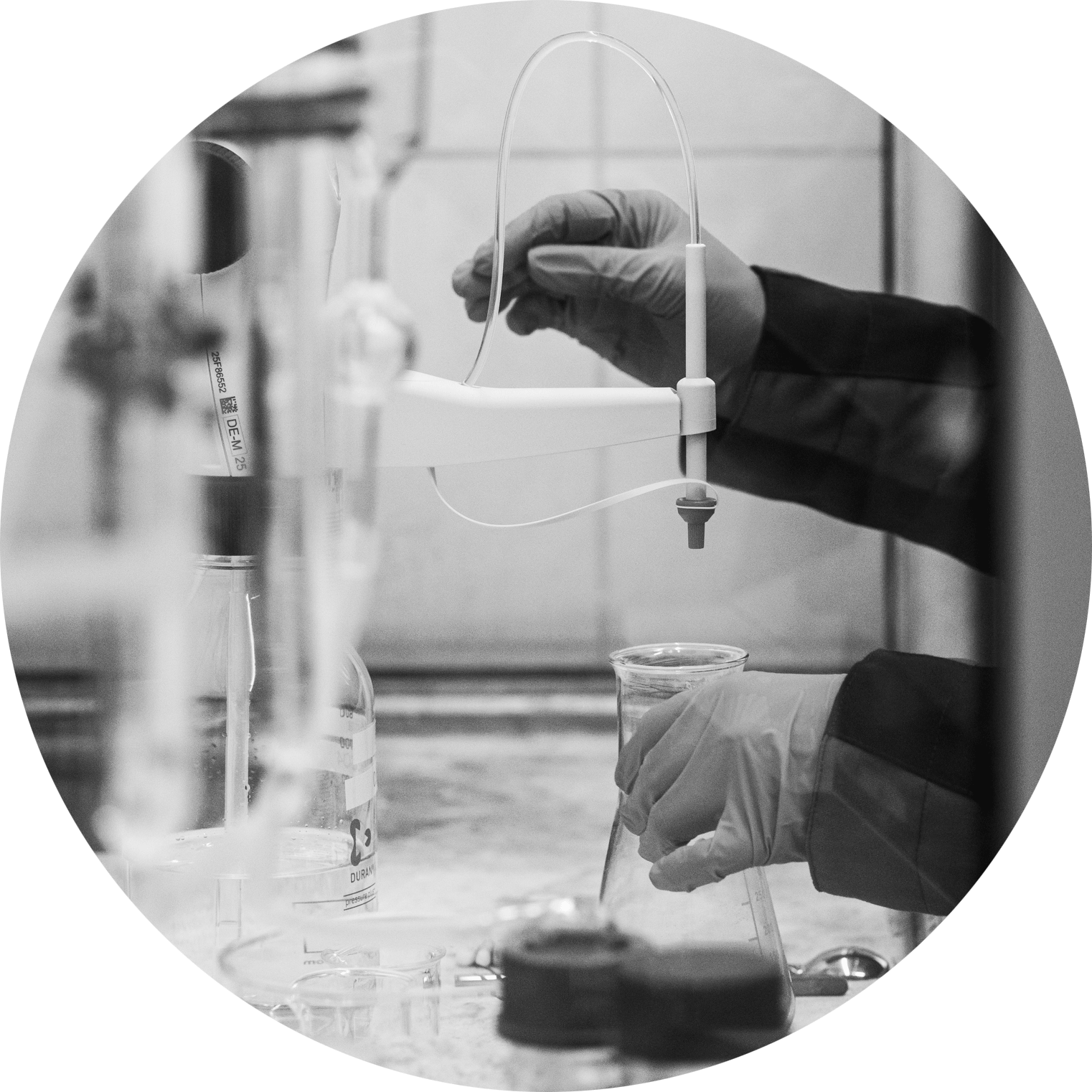
Inside the production

Industries
Processes & technical limits
| Processes | Tolerance | Max. part | Weight | Lot size | Materials |
|---|---|---|---|---|---|
| accelerated carbonation technology (ACT) - CO₂ binding in mineral industrial residuesOther (carbonization/CCU) | – | – | – | – | mineral industrial residues |
| Material analysis - standardized CO₂ uptake tests of material samples underTesting | – | – | – | – | mineral materials |
| industrial carbonization plants (pilot to commercial scale)Other (carbonization/CCU) | – | – | – | – | mineral industrial residues |
| Business Case Evaluation - economic, technical and legal assessmentEngineering | – | – | – | – | – |
1 Anlagen & Maschinen
| Machine | Manufacturer / model | Quantity | Working area | Year built | Site |
|---|---|---|---|---|---|
| industrial carbonization plant | – | – | – | – | – |
Additional services