
Sixonia develops and produces functionalized few-layer graphene (eGraphene) as an additive and formulation for battery cells and coatings.

Sixonia Chem GmbH
DresdenNew on Amplifa
About Sixonia
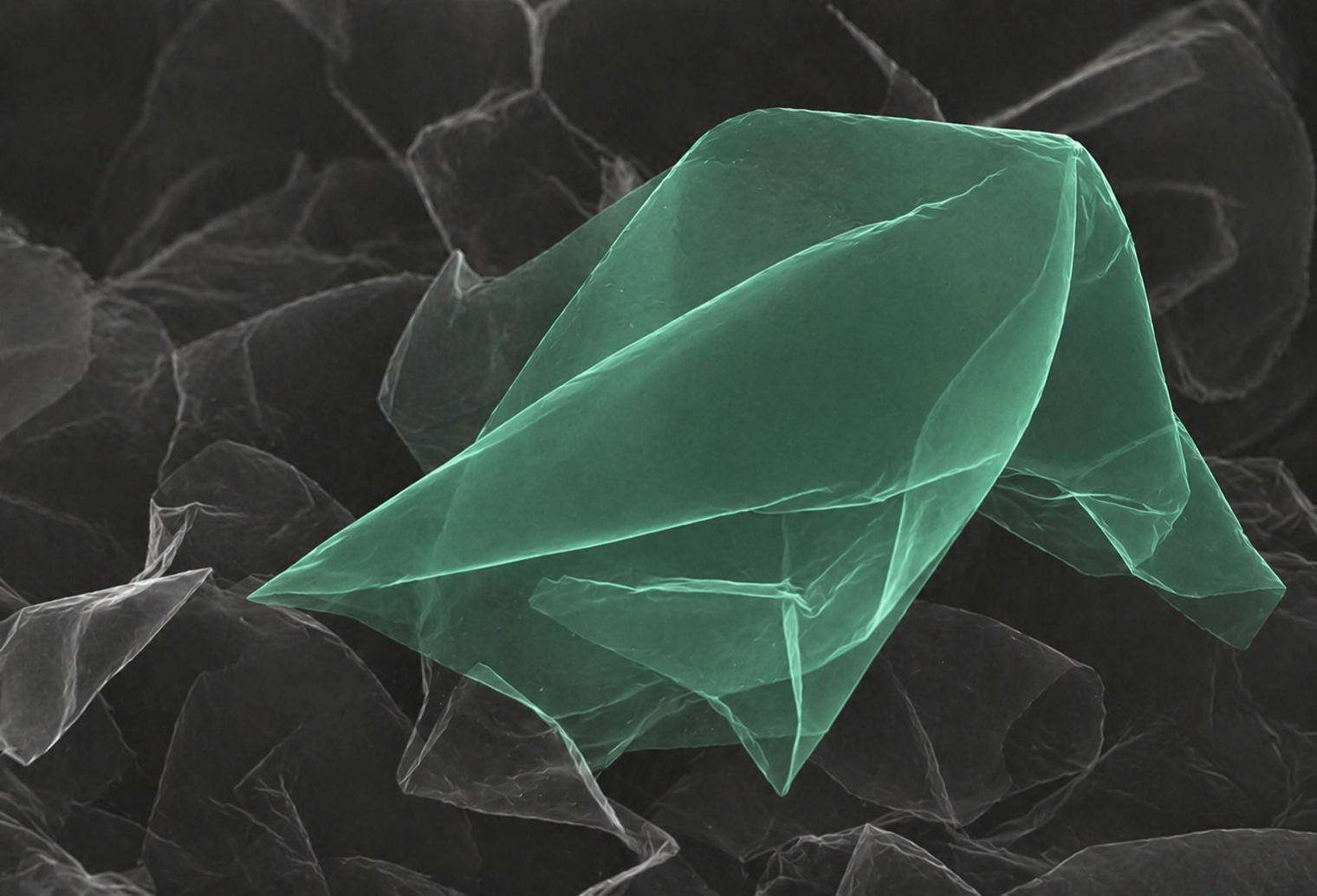
Sixonia is a supermaterial company based in Dresden that produces functionalized few-layer graphene under the name eGraphene. The material is produced via a patented electrochemical exfoliation process (EP3732315B1, EP4530375A1), in which graphite is separated into large, thin graphene flakes (1–10 layers, <3 nm, ~1 µm flake size), and is made processable without surfactants through in-situ functionalization. eGraphene is supplied as a dispersion (0.1–0.5 wt-%), paste (2–4 wt-%), dry or wet agglomerates, and on request as films, inks and composite mixes. Applications lie in battery cells (conductive additives for LFP, NMC, sodium, sulfur and LNMO cathodes as well as silicon, silicon-graphite, graphite, SCC and LTO anodes), current-collector primers, interface coatings, as well as anti-corrosion, EMI/EMC, barrier, thermal and fire-protection coatings and epoxy/adhesive systems. Production takes place in Dresden using automated modular container production units with currently a 300 kg/a pilot line and is being scaled step by step to several t/a and beyond 100 t/a.
- Site
- Dresden
- Processes
- Electrochemical exfoliation of graphite into few-layer graphene (eGraphene), In-situ functionalization of graphene (3 standard functionalizations, custom functionalizations and, Production of eGraphene dispersions (0.1–0.5 wt-% solids content, in water, NMP, DMF, DMSO,, Production of eGraphene pastes (2–4 wt-% solids content, surfactant-free), Production of (dry/wet) eGraphene agglomerates for shear-processed applications (e.g., Pilot production of eGraphene (300 kg/a, automated modular container production units), Coating and composite applications with eGraphene (anti-corrosion, moisture barrier,, Customized functionalizations of eGraphene
- Materials
- eGraphene (functionalized few-layer graphene, 1–10 layers, <3 nm, ~1 µm flake size), Graphite, Aluminum (current collector), Copper (current collector), Epoxy resin, LFP, NMC, LNMO
- Industries
- Battery cells, Coatings and composites, Epoxy/adhesive systems, Electronics/EMI shielding, Battery cells (cathodes, anodes, current-collector primers, interface coatings), Coatings and composites (corrosion protection, EMI/EMC shielding,
- 01
Electrochemical exfoliation of graphite into few-layer graphene
- 02
In-situ functionalization
- 03
Formulation (dispersions, pastes, agglomerates)
- 04
Application development & customer validation
- 05
Sample material & scalable modular production
Materials & Processes
eGraphene (functionalized few-layer graphene)
Functionalized few-layer graphene (1–10 layers, <3 nm, ~1 µm flake size) as a conductive additive and coating component.
Electrochemical exfoliation
Patented aqueous process for gently separating graphite into large, conductive few-layer graphene flakes.
In-situ functionalization
Functional groups are introduced during exfoliation, which prevents restacking and enables stable, surfactant-free dispersions.
Dispersions
0.1–0.5 wt-% in water, NMP, DMF, DMSO, alcohols or other solvents, without surfactants.
Pastes
2–4 wt-% solids content for applications with higher material concentration.
(Dry/wet) agglomerates
For shear-processed applications such as dry coating, where eGraphene is dispersed during mixing.
LFP / NMC / LNMO / sodium / sulfur (cathodes)
Cathode systems for which eGraphene is validated as a conductive additive.
Silicon / silicon-graphite / graphite / SCC / LTO (anodes)
Anode systems for which eGraphene is validated as a conductive additive.
Current-collector primers (aluminum, copper)
Thin conductive eGraphene layers improve contact and adhesion on Al and Cu foils.
Epoxy resin / adhesive systems
eGraphene increases fracture toughness and conductivity in resin, plastic and adhesive systems.
Sites
Dresden
DEHeadquarters / Production (pilot line)
- Lot size
- Samples up to pilot scales
- Materials
- eGraphene (dispersions, pastes, agglomerates)
- Automated modular container production units (pilot line, 300 kg/a)
Formats & Applications
Inside the production
Industries
Processes & technical limits
| Processes | Tolerance | Max. part | Weight | Lot size | Materials |
|---|---|---|---|---|---|
| Electrochemical exfoliation of graphite into few-layer graphene (eGraphene)Casting | – | – | – | – | Graphite, Graphene |
| In-situ functionalization of graphene (3 standard functionalizations, custom functionalizations andSurface | – | – | – | – | Graphene |
| Production of eGraphene dispersions (0.1–0.5 wt-% solids content, in water, NMP, DMF, DMSO,Plastics | – | – | – | – | Graphene, Water, NMP, DMF, DMSO, Alcohols |
| Production of eGraphene pastes (2–4 wt-% solids content, surfactant-free)Plastics | – | – | – | – | Graphene |
| Production of (dry/wet) eGraphene agglomerates for shear-processed applications (e.g.Plastics | – | – | – | – | Graphene |
| Pilot production of eGraphene (300 kg/a, automated modular container production units)Casting | – | – | – | – | Graphite, Graphene |
| Coating and composite applications with eGraphene (anti-corrosion, moisture barrier,Surface | – | – | – | – | Graphene, Epoxy resin, Adhesives, Plastics |
2 Anlagen & Maschinen
| Machine | Manufacturer / model | Quantity | Working area | Year built | Site |
|---|---|---|---|---|---|
| Automated modular container production units (eGraphene pilot line, 300 kg/a) | – | – | – | – | Dresden, Germany |
| Planned semi-automated containerized production unit (2–10 t/a, 2027/28) | – | – | – | 2027/28 | – |
Additional services
History
- ca. 2015
Start of graphene R&D (~10 years of R&D, derived from company statements)
- 2026
Participation in Batteries Event 2026 in Lyon (16.11.2026); first offtake agreement (OTA) signed
- 2027/28
Planned scale-up to 2–10 t/a by means of a semi-automated containerized production unit
- 2029+
Planned capacity of 100–1000 t/a through multiple automated production units