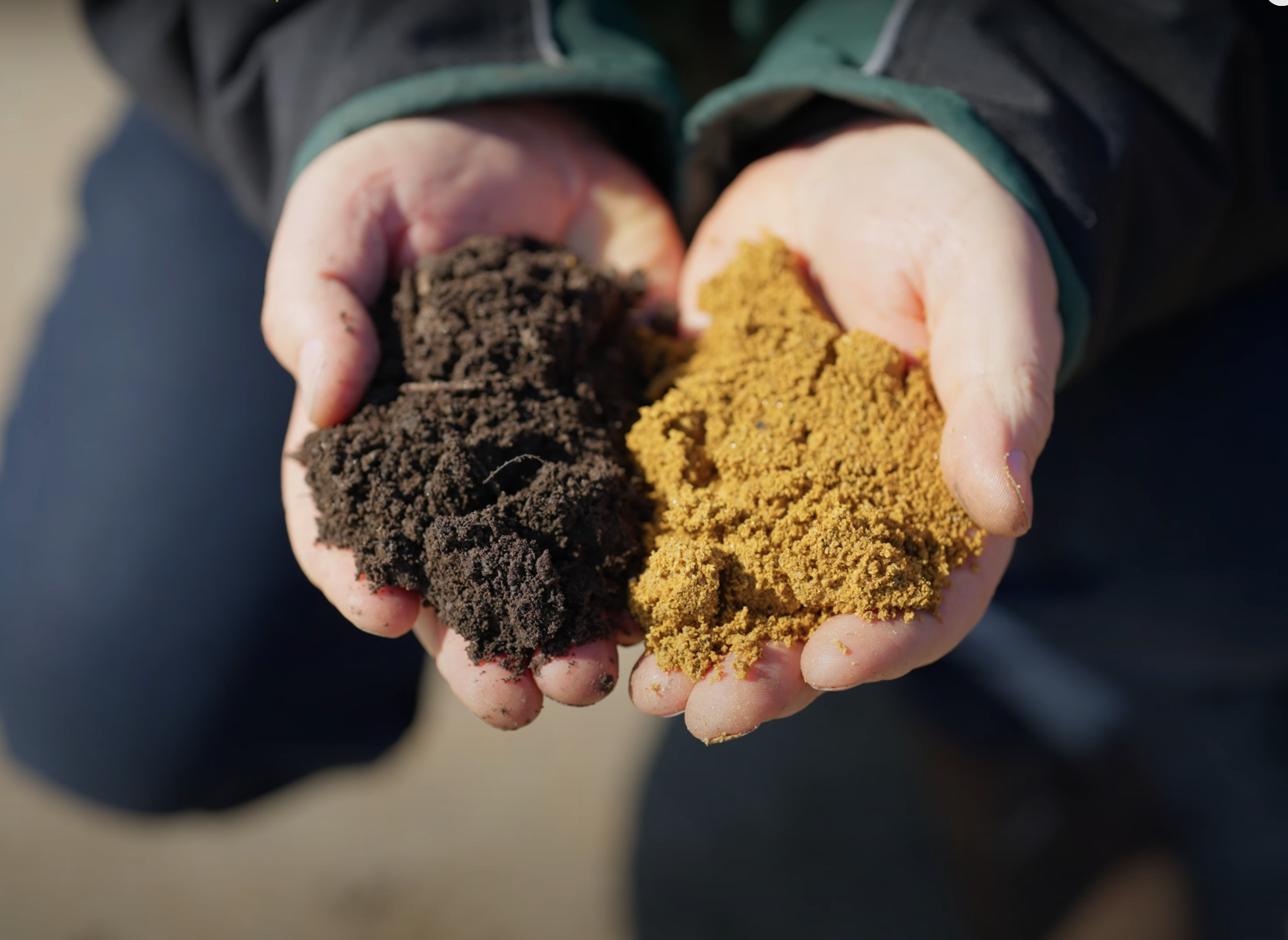
Production of bio-soils, terra preta and biochar in our own pyrolysis plant in Riedlingsdorf, Austria.
Sonnenerde GmbH
7422 Riedlingsdorf (AT)New on Amplifa
About Sonnenerde
Sonnenerde GmbH produces in Riedlingsdorf (Burgenland, Austria) composts, ready-mixed soils and premium biochar. The basis is the acceptance and recycling of organic residual materials such as green waste, sewage sludge quality class 1, paper fibre sludge, biosludge from food processing, root stocks and clay roof tiles. Biochar is produced from compost screen residues, sawdust and agricultural residues in an own pyrolysis plant (screw kiln, 900–1,100 °C) – since 2025 in the new high-tech plant "Kohloss" with over 1,200 t annual capacity and around 2,000 t of bound CO2 per year. The plant runs energy self-sufficiently: surplus heat is used for sewage sludge drying (up to 10,000 t/year) and biomass drying; around 80 t of ammonium sulphate per year are recovered from the exhaust air. From biochar, composts and additives such as sand, clay, rock dust, expanded clay and perlite, more than 30 soils and substrates are produced, including black earth modelled on terra preta, hemp soil, seedling soils and sponge city substrates. Customers include landscaping, agriculture and viticulture, municipalities, horticulture and industry (plastics, geopolymers, colour pigments); CO2 certificates are offered via the Global C-Sink Registry and Puro.earth.
- Site
- Riedlingsdorf, Austria
- Processes
- Pyrolysis (biochar production, high-tech pyrolysis in screw kiln, 900–1,100 °C), Composting (multi-stage rotting process in triangular windrows), Screening (drum screen, mesh sizes 8/15/25 mm), Bagging (fully automatic bagging line, 5–50 litres), Tile grit production (crushing with jaw crusher, 4-deck screening, grain sizes 0-12 mm), Crushing/fine milling of biochar (up to 10 micrometres, coarse up to 1 mm), Sewage sludge drying as a service (300 °C exhaust gas, 10,000 t/year), Ammonium sulphate production (nitrogen recovery from exhaust air, approx. 80 t/year)
- Materials
- Biochar (plant charcoal), Compost / organic compost, Sewage sludge quality class 1, Paper fibre sludge, Biosludge from food processing (e.g. milk sludge), Green and shrub cuttings, Clay roof tiles (hard-fired) / broken tiles, Sand
- Certificates
- European Biochar Certificate (EBC) Agro / AgroBio (premium classes), Global Biochar C-Sink Certificate, Puro.earth CO2 Removal (Biochar), Organic certificate / Natur im Garten / organic gardening (products), EBC Agro / AgroBio / FutterPlus (CERES-CERT, CC-1219), Global Biochar C-Sink Certificate (CERES-CERT), Puro.earth CO2 Removal – Biochar (bio.inspecta), ISO 9001
- Founded
- 1998
- Industries
- Garden and landscaping, Agriculture (organic farming, viticulture), Municipalities / sponge cities, Horticulture / hobby gardening, Cannabis / medicinal plant cultivation, Industry (plastics, geopolymers, colour pigments)
- 01
Acceptance and inspection of organic residual materials (green waste, sludges,
- 02
Processing and drying (push-floor bunker, 95 % dry matter)
- 03
Pyrolysis in the screw kiln (900–1,100 °C) into biochar
- 04
Heat utilisation for sewage sludge drying and biomass drying
- 05
Milling of the biochar (coarse up to 1 mm, fine up to 10 µm) and activation
- 06
Composting (triangular windrows, turning, maturation up to 1 year)
- 07
Mixing with additives and screening (drum screen, 8/15/25 mm)
- 08
Bagging (5–50 L, fully automatic), big bags, ex-works sales and lorry delivery
Raw Materials & Processes
Biochar (plant charcoal)
Carbon produced in our own pyrolysis, EBC-certified, as a basis for terra preta soils, soil activators and industrial applications.
Compost / organic compost
Composted input materials made from green waste, fruit waste and sewage sludge quality class 1 for ready-mixed soils.
Sewage sludge quality class 1
Controlled raw material with strict heavy metal limit values for soils and pyrolysis.
Paper fibre sludge
Clean, carbon-rich residual material from the paper industry as an input material for biochar.
Biosludge from food processing
E.g. milk sludge as a raw material for organic-quality products.
Green and shrub cuttings
The most important raw material by volume for composting; chipping also on site.
Clay roof tiles (hard-fired) / broken tiles
Input material for frost-resistant tile grit in grain sizes 0–12 mm.
Sand / clay / rock dust / expanded clay / perlite
Mineral additives for soils, roof garden and sports turf substrates.
Horn shavings / soft-ground raw phosphate
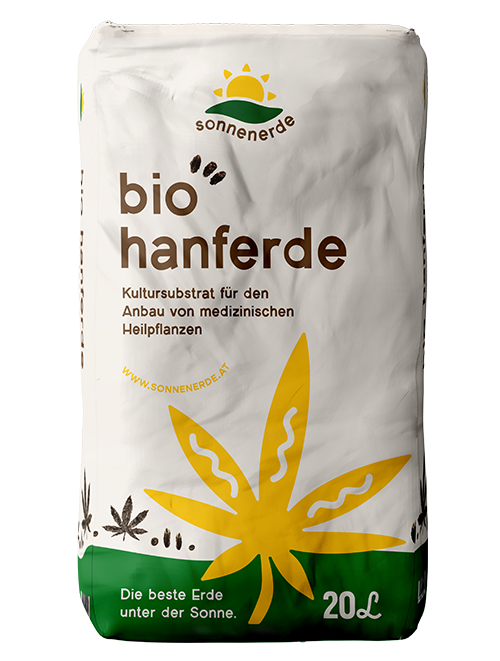
Natural fertiliser components in substrate mixtures such as hemp soil.
Cattle manure (organic) / straw bedding
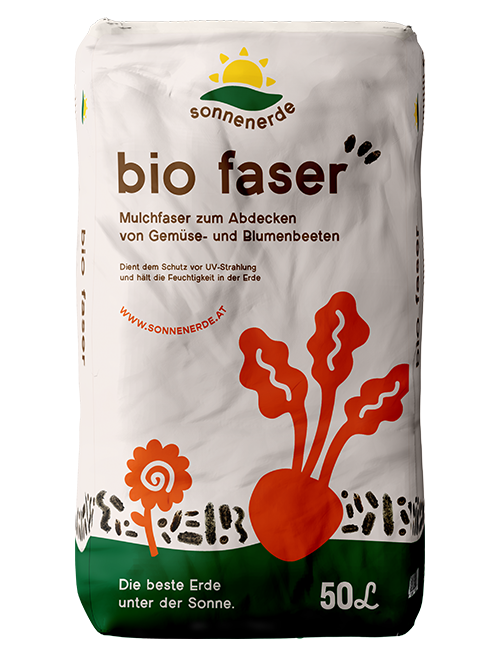
Input material for Bio Faser, a mulch-capable organic fertiliser.
Locations
Riedlingsdorf
ATCompost and soil plant, pyrolysis plant "Kohloss", sewage sludge drying, tile grit production, bagging,
- Lot size
- Bagging 5–50 L, big bags approx. 1 m³ (1 t); biochar > 1,200 t/year;
- Materials
- Biochar, compost, sewage sludge, paper fibre sludge, biosludge, broken tiles, sand, clay, rock dust, expanded clay,
- Pyrolysis plant "Kohloss" (screw kiln, NGE technology, 900–1,100 °C, fully automatic, 8,000 h/year)
- Push-floor drying bunker
- Drum screen (8/15/25 mm)
- Turning machine (compost turner)
- Fully automatic bagging line (5–50 L)
- Jaw crusher (tile grit < 12 mm)
- 4-deck screening machine (4 fractions)
- 2× 4-axle lorry with crane (14 t, crane reach 15 m)
- Semi-trailer (24 t tipper)
- Electric wheel loader
- PV system (approx. 500–800 kWp)
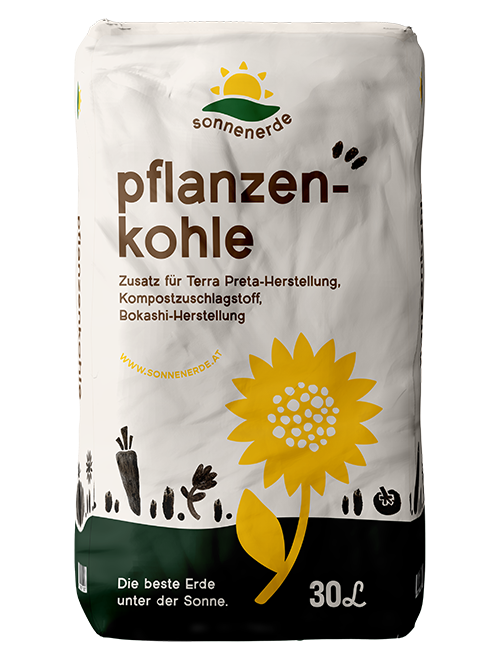
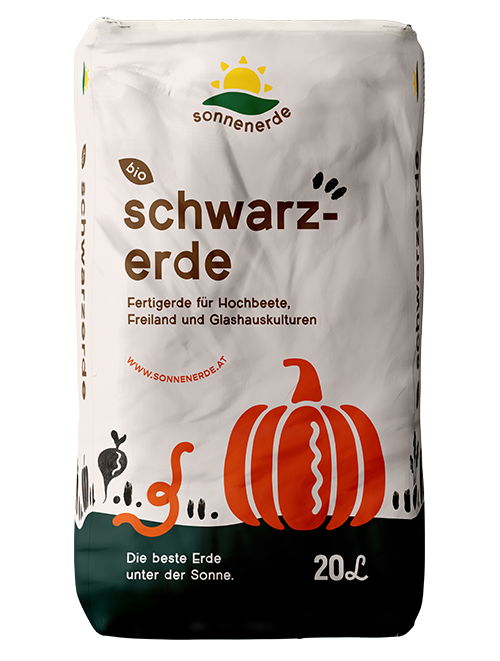
Products
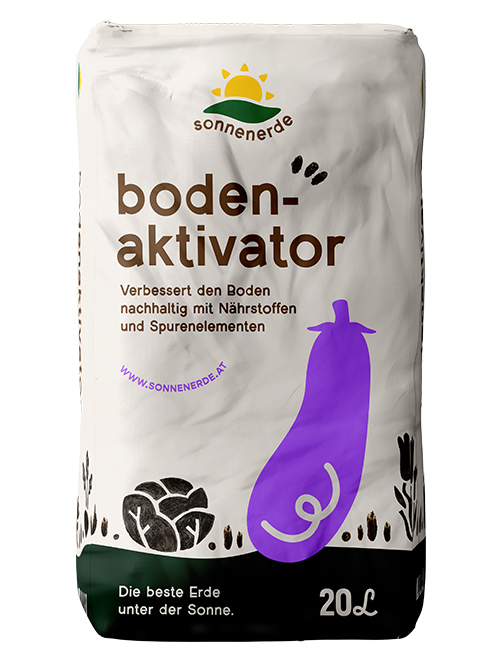
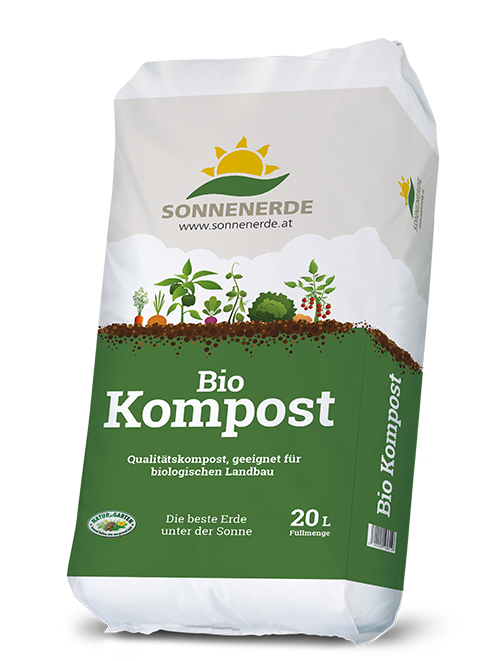
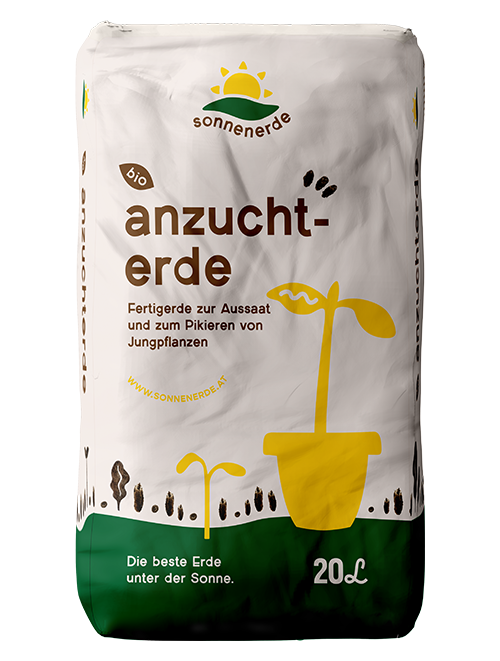
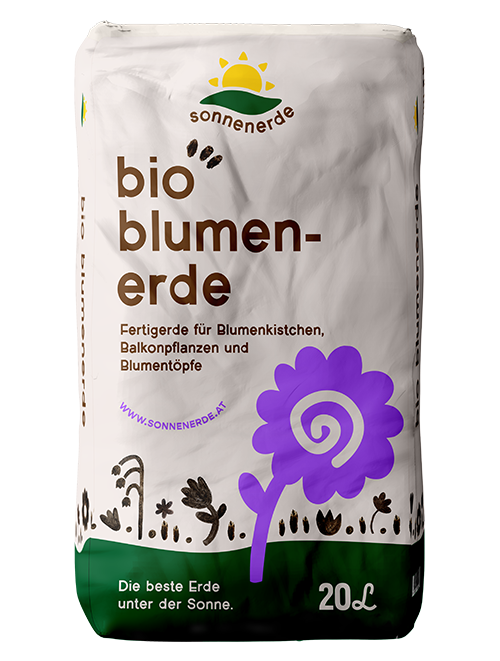
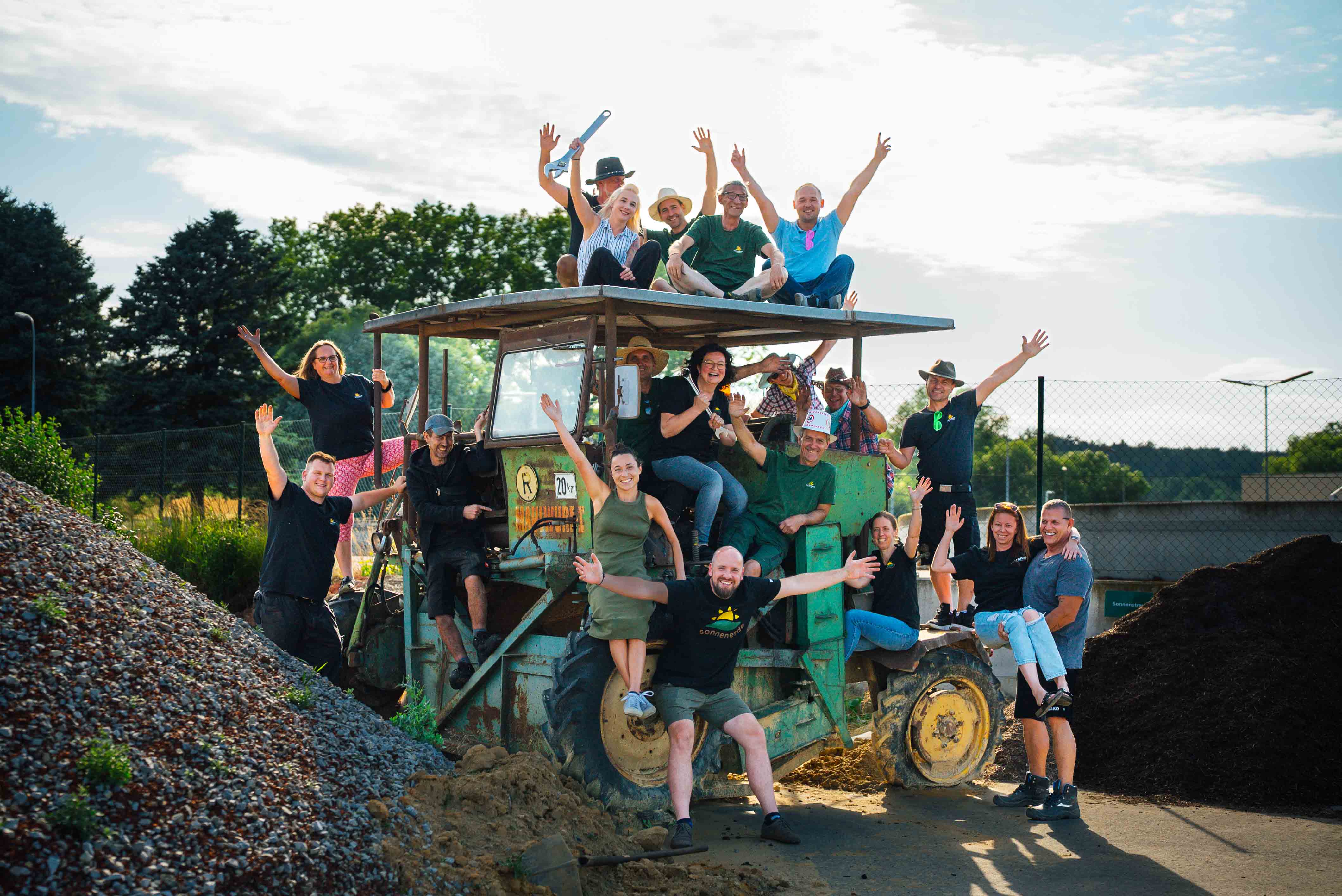
Inside the production
Industries
Processes & technical limits
| Processes | Tolerance | Max. part | Weight | Lot size | Materials |
|---|---|---|---|---|---|
| Pyrolysis (biochar production, high-tech pyrolysis in screw kiln, 900–1,100 °C)Heat treatment | – | – | – | > 1,200 t biochar/year (plant | Biomass (compost screen residues, sawdust, paper fibre |
| Composting (multi-stage rotting process in triangular windrows)Other | – | – | – | – | Green waste, Fruit waste, Sewage sludge quality class 1, Milk sludge, Rock dust |
| Screening (drum screen, mesh sizes 8/15/25 mm)Other | – | – | – | – | Compost, soils |
| Bagging (fully automatic bagging line, 5–50 litres)Other | – | – | 5 litres – 50 litres | – | Soils/substrates |
| Tile grit production (crushing with jaw crusher, 4-deck screening, grain sizes 0-12 mm)Other | – | – | – | – | Clay roof tiles (hard-fired), Roof tile production waste |
| Crushing/fine milling of biochar (up to 10 micrometres, coarse up to 1 mm)Other | – | – | – | – | Biochar |
| Sewage sludge drying as a service (300 °C exhaust gas, 10,000 t/year)Other | – | – | – | 10,000 tonnes/year | Sewage sludge |
| Ammonium sulphate production (nitrogen recovery from exhaust air, approx. 80 t/year)Other | – | – | – | approx. 80 tonnes/year | Ammonia from exhaust air |
| Big bag filling (approx. 1 m³ = 1 tonne)Other | – | – | approx. 1 tonne | – | Soils |
| Lorry delivery with crane unloading (4-axle lorries of 14 t each, crane reach up to 15 m)Other | – | – | 14 tonnes | – | Soils |
12 Anlagen & Maschinen
| Machine | Manufacturer / model | Quantity | Working area | Year built | Site |
|---|---|---|---|---|---|
| Pyrolysis plant (Kohloss, screw kiln, NGE technology, 900–1,100 °C) | Kohloss | 1 | – | 2025 | Riedlingsdorf |
| Biochar production plant (first in Europe, approved under waste law, up to 500 tonnes/year) | – | – | – | 2012 | Riedlingsdorf |
| Jaw crusher (tile grit production) | – | – | Grain size < 12 mm | – | Riedlingsdorf |
| 4-deck screening machine | – | – | 4 fractions 0-12 mm | – | Riedlingsdorf |
| Drum screen | – | – | – | – | Riedlingsdorf |
| Turning machine (compost turner, mixing reactor) | – | – | – | – | Riedlingsdorf |
| Bagging plant/line (5–50 litres, fully automatic) | – | 1 | – | 2018 | Riedlingsdorf |
| Push-floor bunker / drying bunker | – | – | – | – | Riedlingsdorf |
| 4-axle lorry with crane | – | 2 | up to 14 tonnes load, crane reach up to 15 m | – | Riedlingsdorf |
| Semi-trailer (24 tonne tipper) | – | 1 | 24 tonnes | – | Riedlingsdorf |
| Wheel loader (electric) | – | – | – | – | Riedlingsdorf |
| PV system | – | – | approx. 500–800 kWp | – | Riedlingsdorf |
Additional services
Reference customers
Quality & Certification
Quality assurance includes incoming inspection, continuous mixing and moisture monitoring, temperature and pH measurement as well as gas measurements (CO2, O2, CH4) in the compost windrows; independent institutes monitor the plant with regular sampling. The biochar is certified according to the European Biochar Certificate in the premium classes EBC-Agro, EBC-AgroBio and EBC-FutterPlus and fulfils the EU Fertilising Products Regulation (EU) 2019/1009.
| Evidence | Riedlingsdorf |
|---|---|
| EBC Agro / AgroBio / FutterPlus (CERES-CERT, CC-1219) | |
| Global Biochar C-Sink Certificate (CERES-CERT) | |
| Puro.earth CO2 Removal – Biochar (bio.inspecta) | |
| Organic certificate / Natur im Garten / organic gardening (products) | |
| ISO 9001 |
History
- 1980er
Gerald Dunst works for 13 years as a compost consultant and writes the standard reference work on composting.
- 1998
Founding of Sonnenerde by Gerald Dunst – goal: the best possible composts and ready-mixed soils.
- 2007
Co-founding of the Ökoregion Kaindorf and establishment of the humus project.
- 2010
Journey to the Amazon, exploration of the terra preta soils and biochar.
- 2011
Book by Gerald Dunst on the subject of climate and humus build-up.
- 2012
Austrian Climate Protection Award (Innovation category); construction of Europe's first biochar production plant approved under waste law; 2nd place Energy Globe Burgenland 2012/13; 3rd place Burgenland Innovation Award.
- 2013
Market launch of the "Riedlingsdorfer Schwarzerde" (Riedlingsdorf black earth).
- 2014
TRIGOS Award Austria; Energy Globe Burgenland special prize for the biochar plant.
- 2016
Houskapreis – audience award.
- 2017
Launch of the YouTube channel, the magazine "ErdGeflüster" and the online shop.
- 2018
Commissioning of the company's own bagging plant.
- 2020
One million YouTube views; deployment of the world innovation "eWender".
- 2021
First purely electric wheel loader.
- 2023
Energy Globe 2023 – winner in the Air category.
- 2025
Opening of the high-tech carbonisation plant "Kohloss" on 30.04.2025 with around 2,000 t of CO2 binding per year.