Parachute systems, aviation and technical textiles as well as fibre composite components – cut, tailored and manufactured in Seifhennersdorf

Spekon Sächsische Spezialkonfektion GmbH
Seifhennersdorf (Germany) · Production and headquartersNew on Amplifa
About Spekon
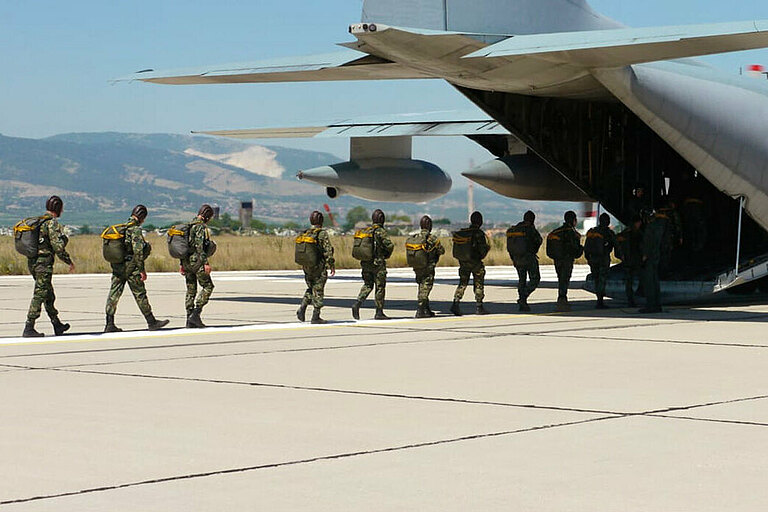
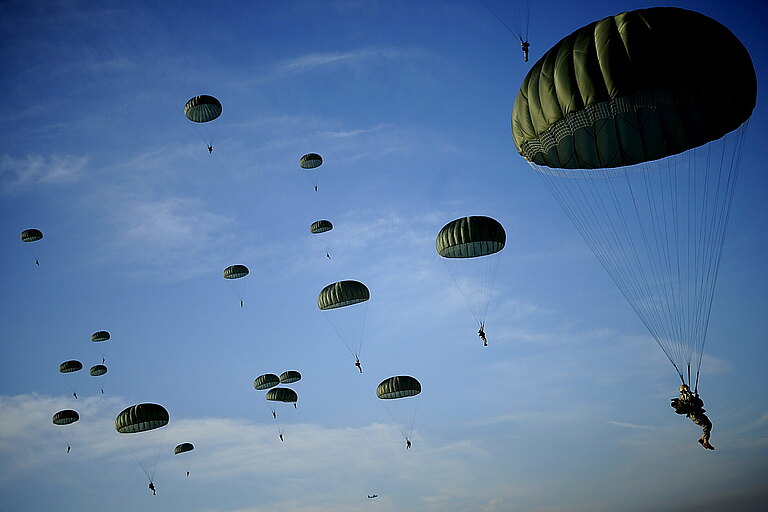
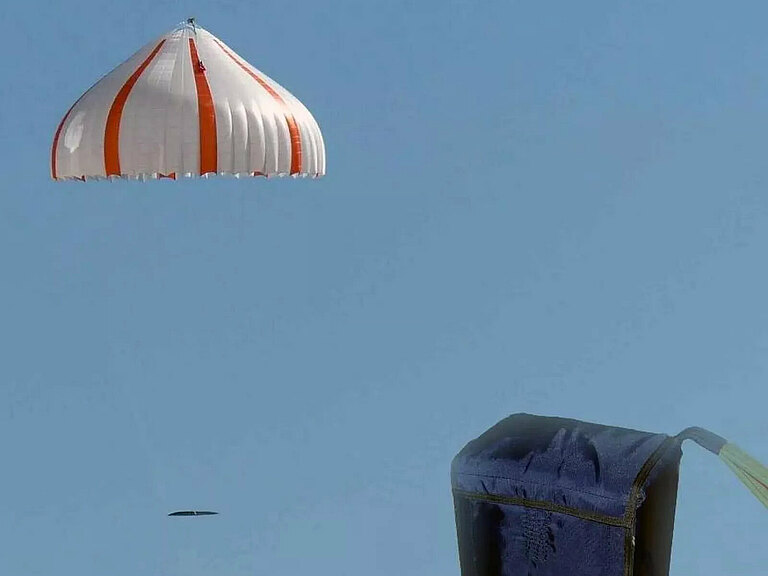
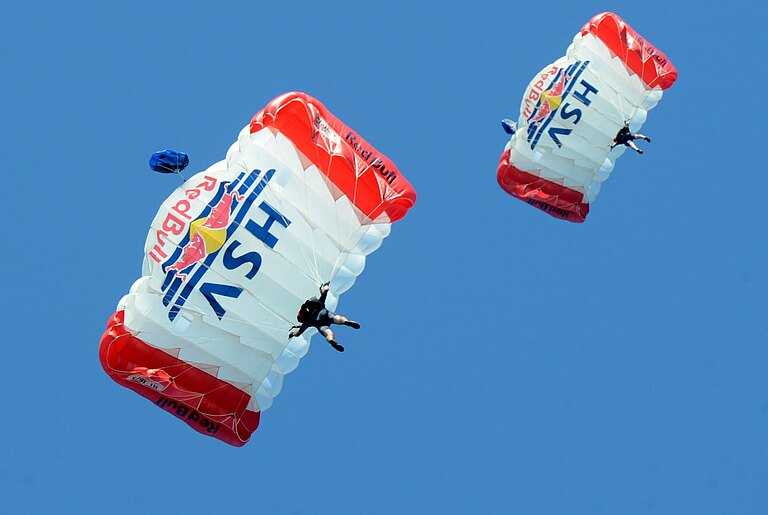
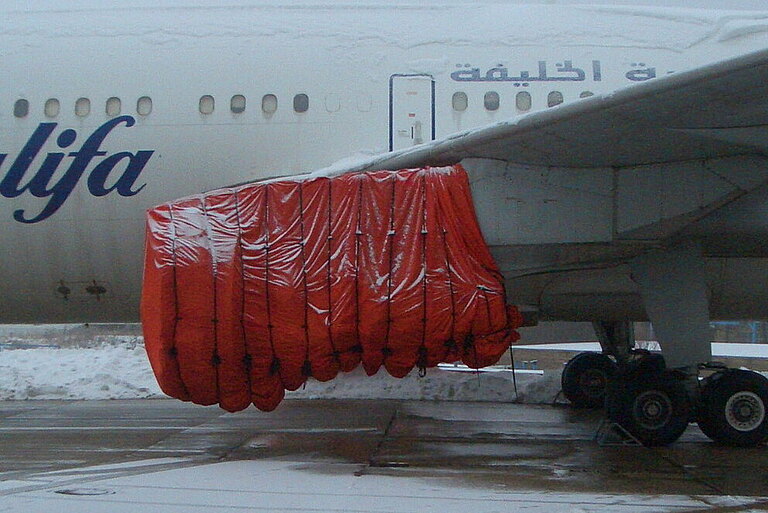
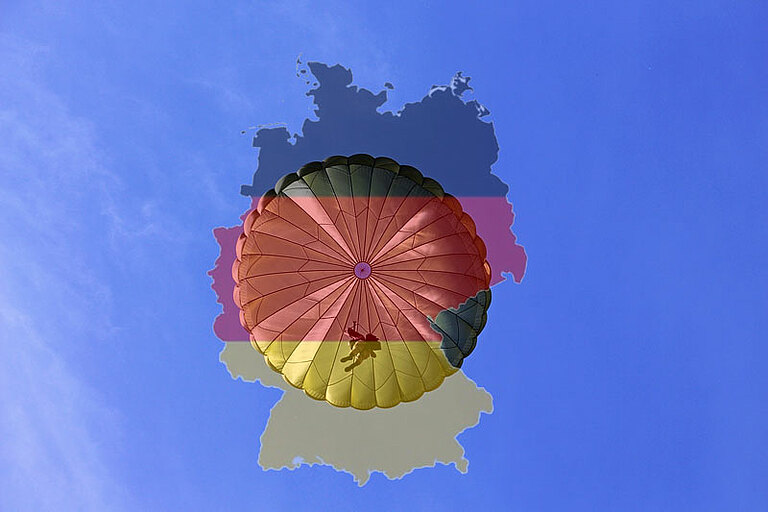
Spekon Sächsische Spezialkonfektion GmbH is a long-established textile company with its headquarters and production facilities in Seifhennersdorf, in the Saxon tri-border region of Germany, the Czech Republic and Poland. The company manufactures modern parachute systems for civilian and military applications, including troop parachutes, emergency parachutes for glider pilots and sport parachutes, as well as aviation textiles and technical textiles. The product range also includes cargo restraint systems, long-term storage systems, event canopies and military supplementary equipment. The manufacturing chain for tailoring technical and conventional textiles extends from design through cutting to final assembly – all from a single source. In addition, fibre composite materials are produced by pressing, injection and vacuum infusion processes. An in-house research and development department implements new findings at short notice. The products are exported worldwide to over 30 countries on four continents; customers include procurement authorities, the aviation and defence industry, specialist dealers as well as associations and private customers from parachute sports.
- Site
- Seifhennersdorf
- Processes
- Tailoring of technical and conventional textiles, Design of textile products, Cutting, Final assembly, Manufacture of fibre composite materials by pressing process, Manufacture of fibre composite materials by injection process, Manufacture of fibre composite materials by vacuum infusion process, Research and development
- Materials
- Fibre composite materials, Textiles, Technical and conventional textiles
- Certificates
- DIN ISO 9001:2015, EASA/LBA Part 21, Aviation operation for Bundeswehr aviation equipment, ISO 9001
- Founded
- 1842
- Industries
- Military/defence technology, Aviation, Parachute sports, Technical textiles, Textile industry
- 01
Design/Engineering (R&D)
- 02
Cutting
- 03
Tailoring/Assembly
- 04
Manufacture of fibre composite materials (pressing, injection and
- 05
Final assembly
- 06
Testing (including wind tunnel tests)
Materials and Processes
Technical and conventional textiles
Base material for parachute systems, aviation textiles, cargo restraint systems and temporary structures.
Fibre composite materials
Manufacture by pressing, injection and vacuum infusion processes for technical applications.
Sites
Seifhennersdorf
DEProduction and headquarters
- Materials
- Textiles, fibre composite materials
- Tailoring machines for technical and conventional textiles
- Manufacturing chain for fibre composite materials (pressing, injection, vacuum infusion processes)
Components and Products
Inside the production
Industries
Processes & technical limits
| Processes | Tolerance | Max. part | Weight | Lot size | Materials |
|---|---|---|---|---|---|
| Tailoring of technical and conventional textilesAssembly | – | – | – | – | Textiles |
| Design of textile productsEngineering | – | – | – | – | – |
| CuttingAssembly | – | – | – | – | Textiles |
| Final assemblyAssembly | – | – | – | – | – |
| Manufacture of fibre composite materials by pressing processPlastics | – | – | – | – | Fibre composite materials |
| Manufacture of fibre composite materials by injection processPlastics | – | – | – | – | Fibre composite materials |
| Manufacture of fibre composite materials by vacuum infusion processPlastics | – | – | – | – | Fibre composite materials |
| Research and developmentEngineering | – | – | – | – | – |
| Manufacture of parachute systems (personnel and cargo parachutes)Assembly | – | – | – | – | Textiles |
| Manufacture of aviation textilesAssembly | – | – | – | – | Textiles |
| Manufacture of cargo restraint systems and long-term storage systemsAssembly | – | – | – | – | Textiles |
| Manufacture of event canopies (temporary structures)Assembly | – | – | – | – | Textiles |
| Wind tunnel tests and scientific testing methodsTesting | – | – | – | – | – |
1 Anlagen & Maschinen
| Machine | Manufacturer / model | Quantity | Working area | Year built | Site |
|---|---|---|---|---|---|
| Tailoring machines for technical and conventional textiles | – | – | – | – | Seifhennersdorf |
Additional services
Reference customers
Quality and Certificates
Spekon maintains a comprehensive quality assurance system that covers product-specific and customer-specific requirements. Scientific testing methods and wind tunnel tests have been in use since 1968.
| Evidence | Seifhennersdorf |
|---|---|
| ISO 9001 | |
| EASA/LBA Part 21 | |
| Aviation operation for Bundeswehr aviation equipment |
History since 1842
- 1842
Heinrich Robert Marx founds the textile production in Seifhennersdorf
- 1862–1911
Dyeing and weaving with shuttle looms; special fabrics are delivered worldwide
- 1914–1927
Production in the mill under Hugo Zietz
- 1927–1932
Packaging materials production
- 1938–1945
Textile factory S. Henking under Siegfried Henking: development and production of parachutes with more than 2000 employees; expropriation after the Second World War
- 1946–1953
Manufacture of clothing as well as work and household textiles
- 1953
Foundation of the "Parachute Development" department
- 1953–1989
Manufacture of civilian and military parachutes as well as clothing with approx. 700 employees
- 1968
Development of a new gliding parachute by Helmut Henschel; introduction of scientific testing methods and wind tunnel tests
- 1989–1994
Continued production after the political turnaround
- 1994
Senol Yegin buys the company
- seit 1994
Continuous investment at the Seifhennersdorf site and expansion of the product range