Development and production of flexible tactile sensor technology (plyon®) for smart surfaces in products and robotics
tacterion GmbH
Walter-Gropius-Straße 17, 80807 MünchenNew on Amplifa
About tacterion
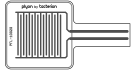
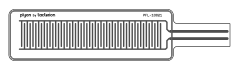
tacterion was founded in 2015 by brothers Michael and Daniel Strohmayr as a spin-off of the German Aerospace Center (DLR) in Munich. The company develops and produces flexible tactile sensors based on its proprietary technology platform plyon® flex, which combines resistive and capacitive measurement principles for proximity, touch and force measurement in a single layer. The sensors are around 0.5–0.7 mm thin, bendable up to a radius of 1 cm, and can be laid out in customer-specific shapes, sizes and arrays; tactile elements range from 3 x 3 mm to 100 x 100 mm. In addition to sensor production in mini-series, tacterion offers end-to-end solutions: sensor layouting, module development and implementation, readout electronics, software development and data analysis (Tactile Brain). The sensors are used in automotive interiors (leather and textile), power tools, consumer products and home appliances, in robotics, and for the digitalization of manual assembly. The company headquarters in Munich houses sensor production, a rapid-prototyping workshop and an electronics laboratory; customers and investors include, among others, Miele.
- Site
- München
- Processes
- Flexible tactile sensor technology plyon® flex (resistive & capacitive proximity, touch and force, Resistive force sensing (readout), Capacitive touch and proximity sensing, Hybrid force compensation (HFC™) sensing, Sensor Layouting / custom sensor layouts (custom shapes, sizes, arrays), Sensor Production (in-house production for mini-series of sensors), Module Development & Implementation (integration into customer products), Integrated Electronics Design (readout electronics, connection to existing control units/PCBs)
- Materials
- Silicone Elastomer, PET, Leather (application material for sensor integration), Textile (application material for sensor integration), Leather, Textile, plyon® flex (resistive & capacitive)
- Certificates
- Specified sensor characteristics (measurement range, drift, repeatability), >5 million actuation cycles durability
- Founded
- 2015
- Industries
- Automotive Interiors, Power Tools & Smart Garden Equipment, Consumer Products & Home Appliances, Robotics, Digitalization of manual work / Industry 4.0
- 01
Product & UX Design
- 02
Sensor layouting (customer-specific shapes, sizes, arrays)
- 03
Module development
- 04
Sensor production (mini-series)
- 05
Integrated electronics design (readout electronics)
- 06
Module implementation / integration into the customer product
- 07
Software development & data analysis (Tactile Brain, Edge Data Intelligence)
Materials & Sensor Technology
Silicone Elastomer
Surface material of the plyon® sensors, contributing to high durability against high forces.
PET
Alternative surface material of the sensor layers for flexible, thin sensor constructions.
Leather
Application material for sensor integration in automotive interiors.
Textile
Application material for sensor integration in flexible interior surfaces.
plyon® flex (resistive & capacitive)
Hybrid sensor architecture for proximity, touch and force measurement with HFC™ drift compensation and TrueZero™ signal stability under bending.
Sites
Munich
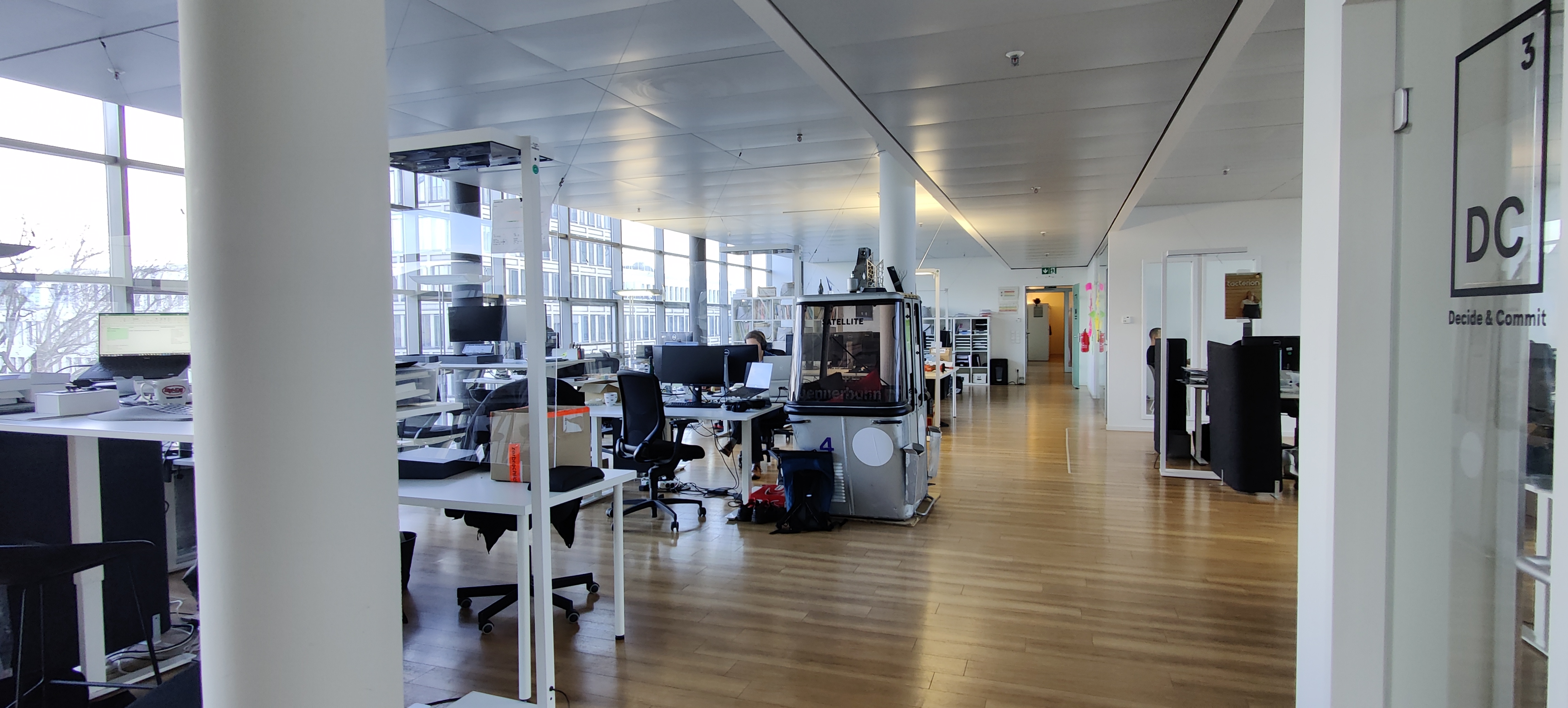
DEHeadquarters with sensor production (mini-series), rapid-prototyping workshop and electronics laboratory
- Part weight / size
- Sensor modules 0.5–0.7 mm thick, tactile elements up to 100
- Lot size
- Prototypes and mini-series
- Materials
- Silicone Elastomer, PET
- Sensor production area
- Rapid-prototyping workshop
- Electronics laboratory
Sensor Products & Components

Inside the production
Industries
Processes & technical limits
| Processes | Tolerance | Max. part | Weight | Lot size | Materials |
|---|---|---|---|---|---|
| Flexible tactile sensor technology plyon® flex (resistive & capacitive proximity, touch and forceTesting | – | – | – | – | Silicone Elastomer, PET |
| Resistive force sensing (readout)Testing | – | – | – | – | – |
| Capacitive touch and proximity sensingTesting | – | – | – | – | – |
| Hybrid force compensation (HFC™) sensingTesting | – | – | – | – | – |
| Sensor Layouting / custom sensor layouts (custom shapes, sizes, arrays)Engineering | – | 100 mm (max tactile element 100 x 100 × 100 mm | – | – | Silicone Elastomer, PET |
| Sensor Production (in-house production for mini-series of sensors)Assembly | – | – | – | – | – |
| Module Development & Implementation (integration into customer products)Assembly | – | – | – | – | – |
| Integrated Electronics Design (readout electronics, connection to existing control units/PCBs)Engineering | – | – | – | – | – |
| Software Development / Data Analytics (Tactile Brain, edge data intelligence)Engineering | – | – | – | – | – |
| Product & UX DesignEngineering | – | – | – | – | – |
| Rapid prototyping (workshop with rapid prototyping equipment, demonstrators)Engineering | – | – | – | – | – |
3 Anlagen & Maschinen
| Machine | Manufacturer / model | Quantity | Working area | Year built | Site |
|---|---|---|---|---|---|
| Sensor production workspace / in-house sensor mini-series production | – | – | – | 2018 | Munich |
| Workshop with rapid prototyping equipment | – | – | – | – | Munich |
| Electronics lab | – | – | – | – | Munich |
Additional services
Reference customers
Quality & Technical Data
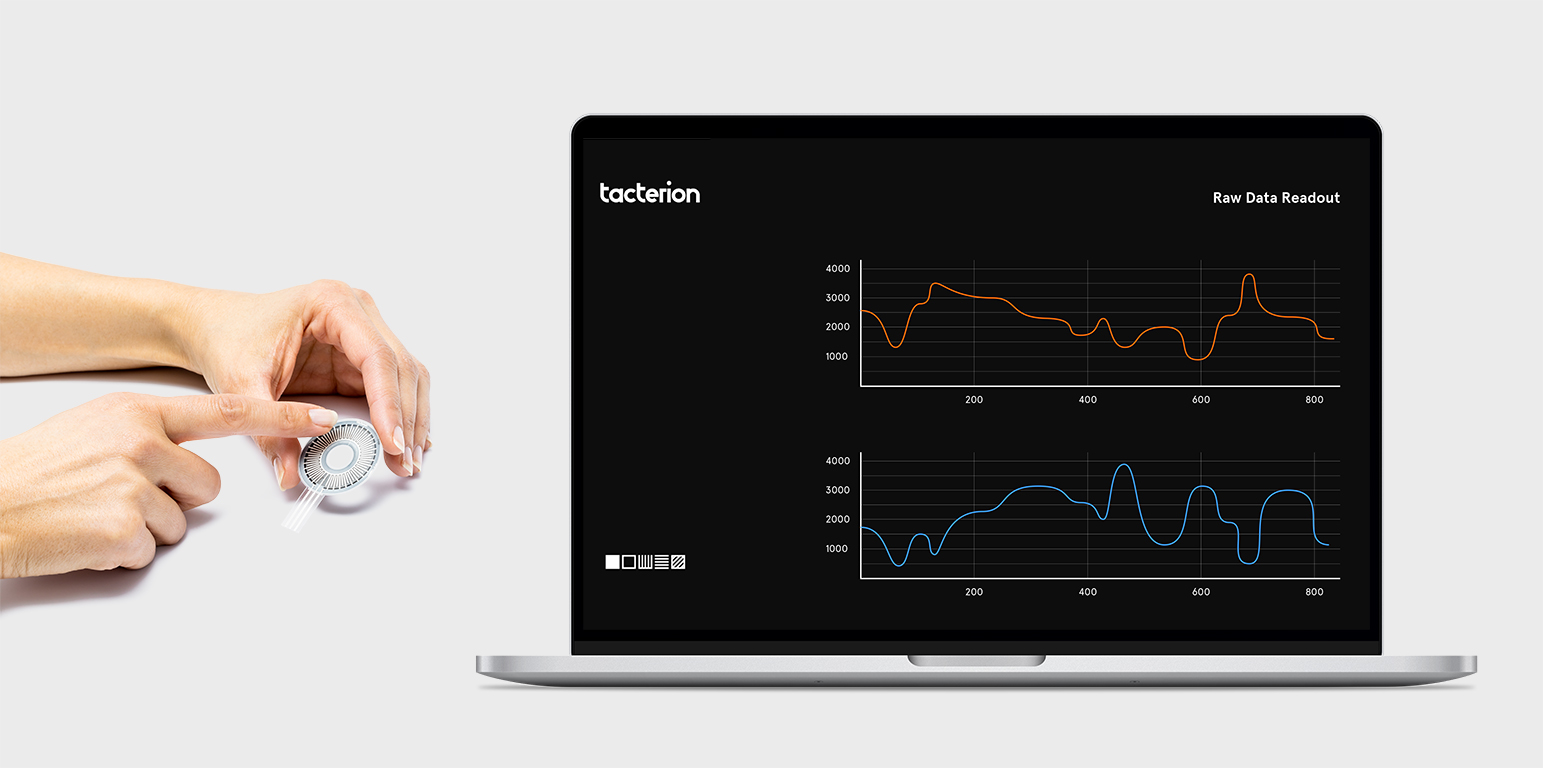
The plyon® sensors are specified with defined parameters: minimum detection force from 0.1 N/cm² (HFC™), measurement range up to 15 N/cm², overvoltage tolerance 1 kN/cm², drift below 0.2 % (HFC™) and durability of over 5 million cycles; signal preprocessing takes place directly on dedicated readout electronics.
| Evidence | Munich |
|---|---|
| Specified sensor characteristics (measurement range, drift, repeatability) | |
| >5 million actuation cycles durability |
History
- 2015
Founded by brothers Michael and Daniel Strohmayr as a spin-off of the DLR in Munich; Entrepreneurship Award of the European Robotics Forum.
- 2016
Award in the Materials and Manufacturing category at the Pioneers Festival; first site on Sonnenstraße; presence at CES in Las Vegas; Unger Capital Management as investor.
- 2017
US Patent and Trademark Office registration; rebranding from sensor skin to plyon®; development of an electronics platform and start of industrialization.
- 2018
Opening of the company's first own production facility for mini-series; first international customer projects; DevKits introduced; Innovation Award Bavaria 2018.
- 2019
Move to premises twice as large at Nymphenburger Straße 5; plyon® flex ("zebra"); UX Design Award and German Innovation Award; start of IPM™ development.
- 2020
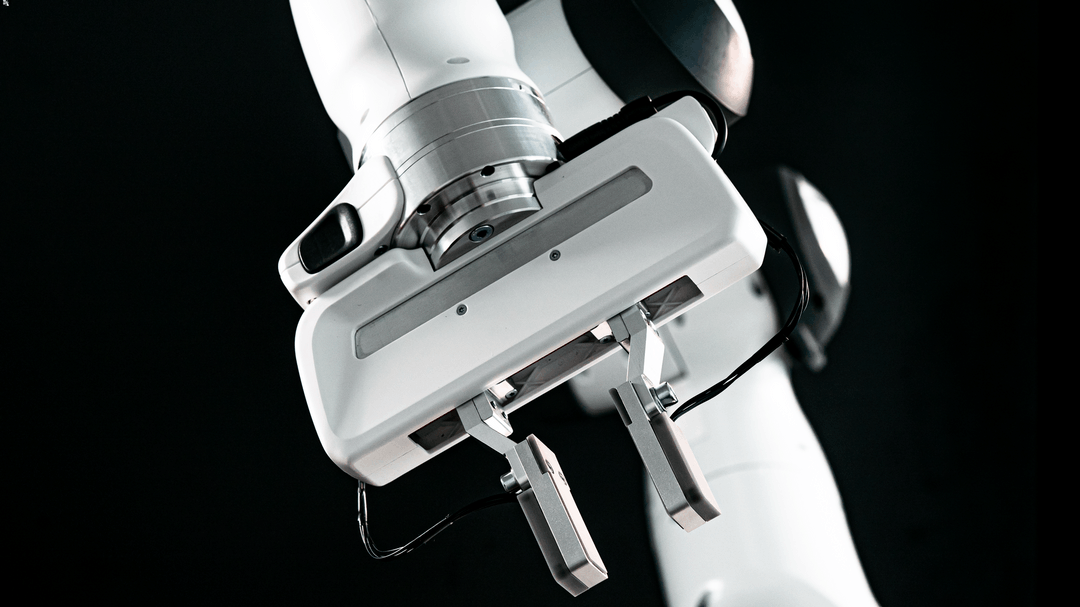
Development of the tactile robotics gripper taroki; IPM™ for power tools; start of the Zero series for industrial automation despite the pandemic.
- 2021
Series A financing round with Miele (Miele Venture Capital GmbH) and a renowned power tool manufacturer as strategic investors; development of Hybrid Force Compensation (HFC™).
- 2022
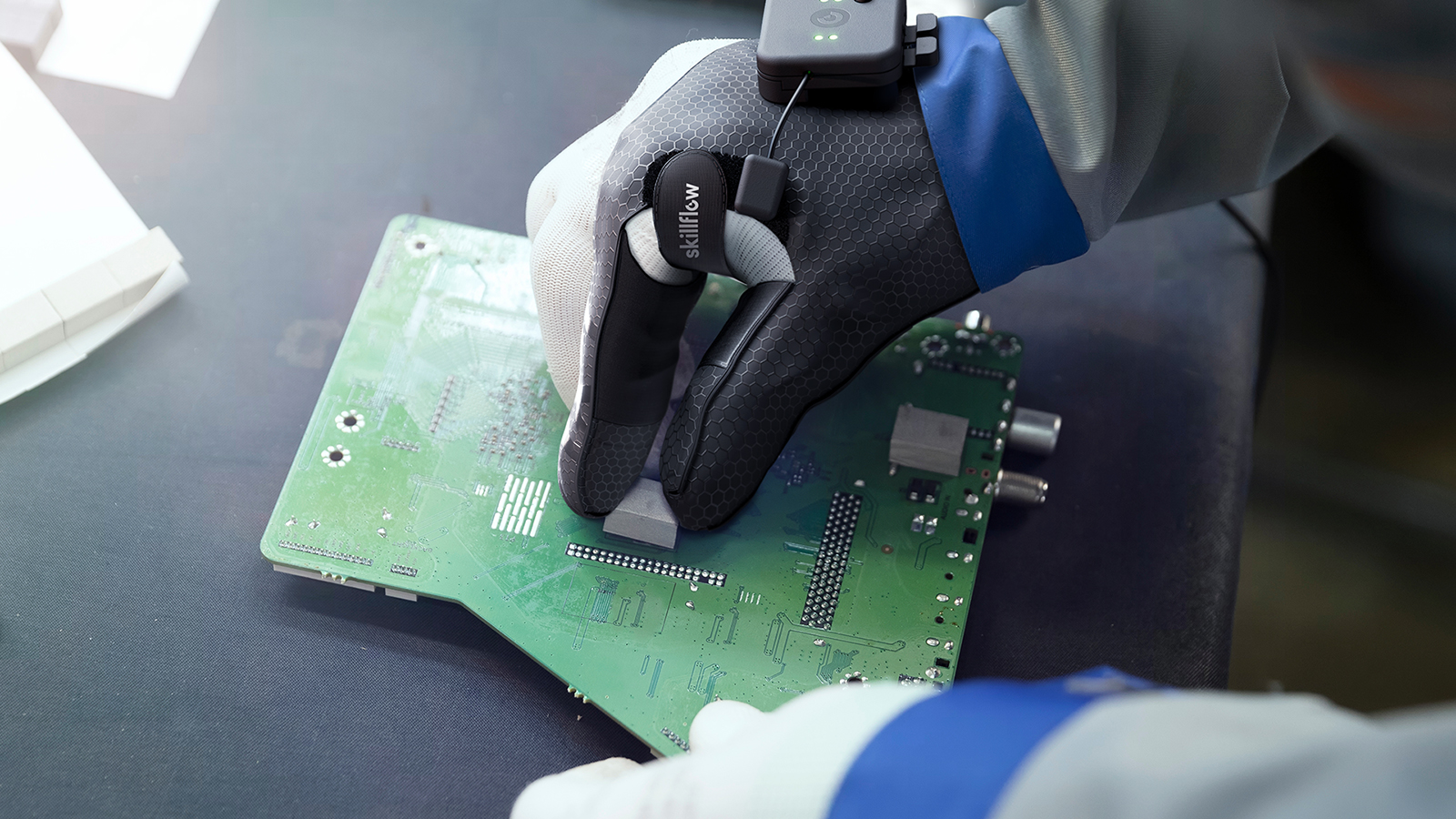
Release of skillflow (sensor-based wearable) and Tactile Brain (AI software); office expansion; project start with Agade for a plyon®-based semi-active exoskeleton.