We pyrolyze coffee waste into battery-grade hard carbon as a fossil-free anode material for lithium-ion batteries.
WASTE 2 WATT
New on Amplifa
About WASTE 2 WATT
WASTE 2 WATT is a female-founded startup that converts coffee waste via pyrolysis into battery-grade hard carbon (biochar) for lithium-ion anodes. Validated at laboratory scale, the material achieves a specific capacity of 365 mAh/g with 99.9 % carbon purity and is intended to replace synthetic graphite – with a negative CO2 footprint and around 60 % lower carbon footprint compared with conventional anode materials. The process pursues a full valorization approach: the carbon goes into battery anodes, the hydrogen-rich syngas makes the company's own reactors energetically self-sufficient, the bio-oil serves as feedstock for green chemistry, bio-binders, or renewable fuels, and the carbon sequestered in the material is monetized through carbon removal credits. In doing so, the company addresses the supply concentration in natural graphite and the requirements of the EU Battery Regulation 2031. Technology readiness level is TRL 4 (laboratory-validated); scaling toward industrial production and EU-wide supply is in preparation.
- Processes
- Pyrolysis of coffee waste into hard carbon (battery anode material), Pyrolysis of coffee waste into battery-grade hard carbon (anode material), Valorization of by-products (syngas, bio-oil, carbon removal credits)
- Materials
- Hard Carbon (battery-grade Biochar), Bio-Oil, Syngas
- Industries
- Battery/energy storage industry, Lithium-ion battery supply, Green chemistry, Carbon removal / carbon markets
- 01
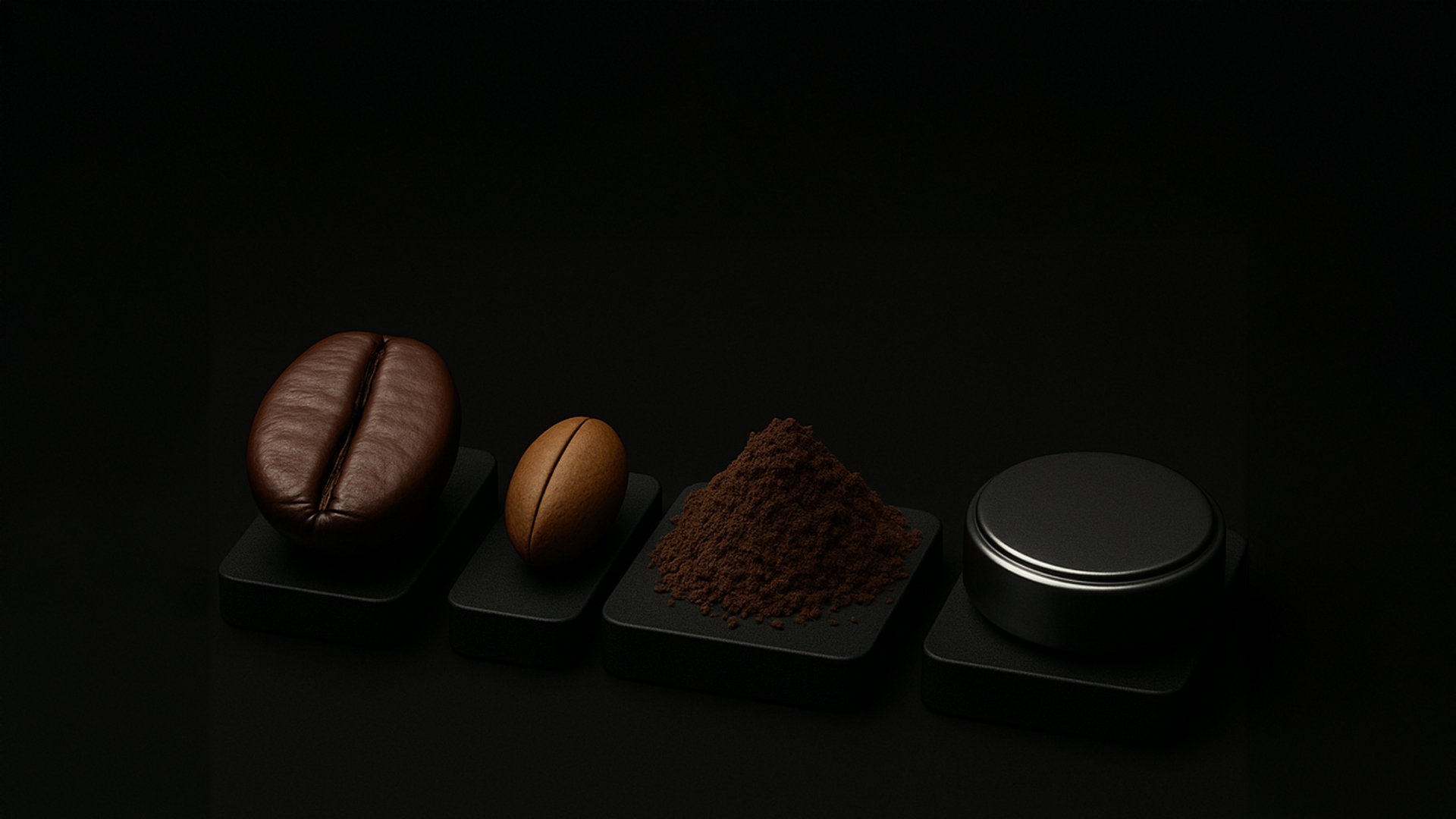
Collection/processing of coffee waste
- 02
Pyrolysis in an inert-atmosphere reactor
- 03
Hard carbon processing into battery-grade anode material
- 04
Utilization of by-products (syngas, bio-oil, carbon removal credits)
Materials & Processes
Hard Carbon (battery-grade Biochar)
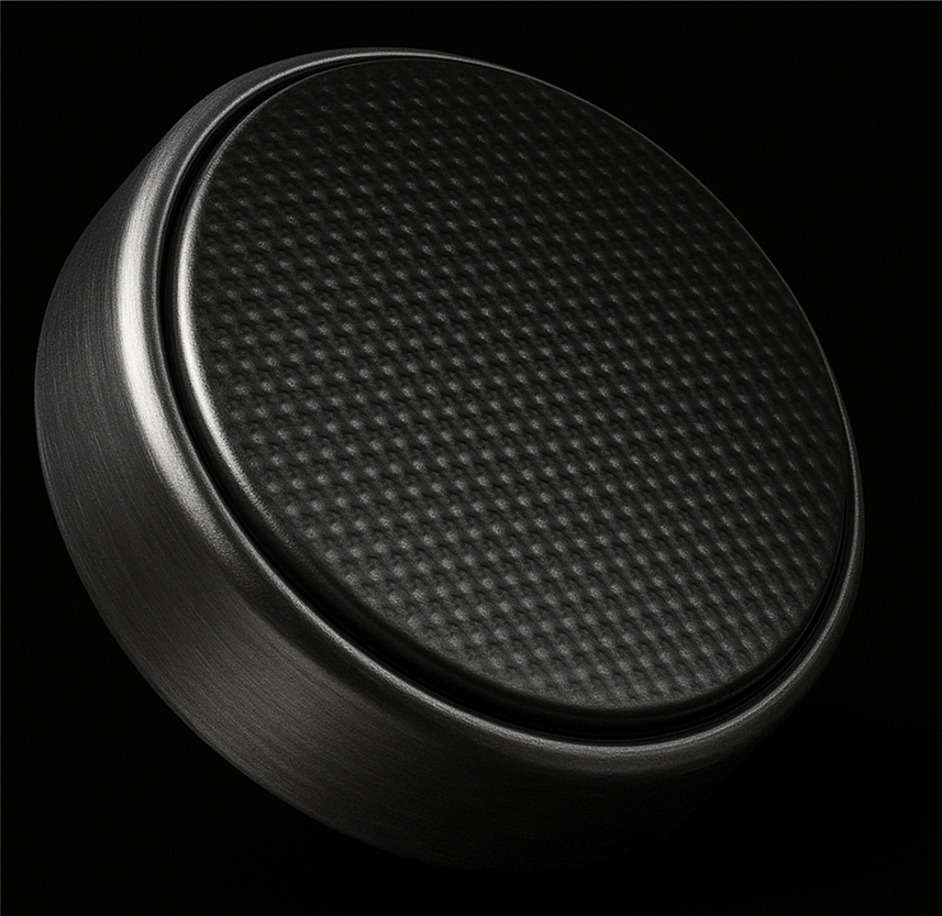
High-purity anode material made from coffee waste with 365 mAh/g specific capacity as a drop-in replacement for fossil graphite.
Syngas
Hydrogen-rich gas mixture from pyrolysis that drives the reactors energetically self-sufficient.
Bio-Oil
Organic liquid as sustainable feedstock for green chemistry, bio-binders, or renewable fuels.
Products
Inside the production
Industries
Processes & technical limits
| Processes | Tolerance | Max. part | Weight | Lot size | Materials |
|---|---|---|---|---|---|
| Pyrolysis of coffee waste into hard carbon (battery anode material)Engineering | – | – | – | – | Coffee waste (biomass) |
Additional services