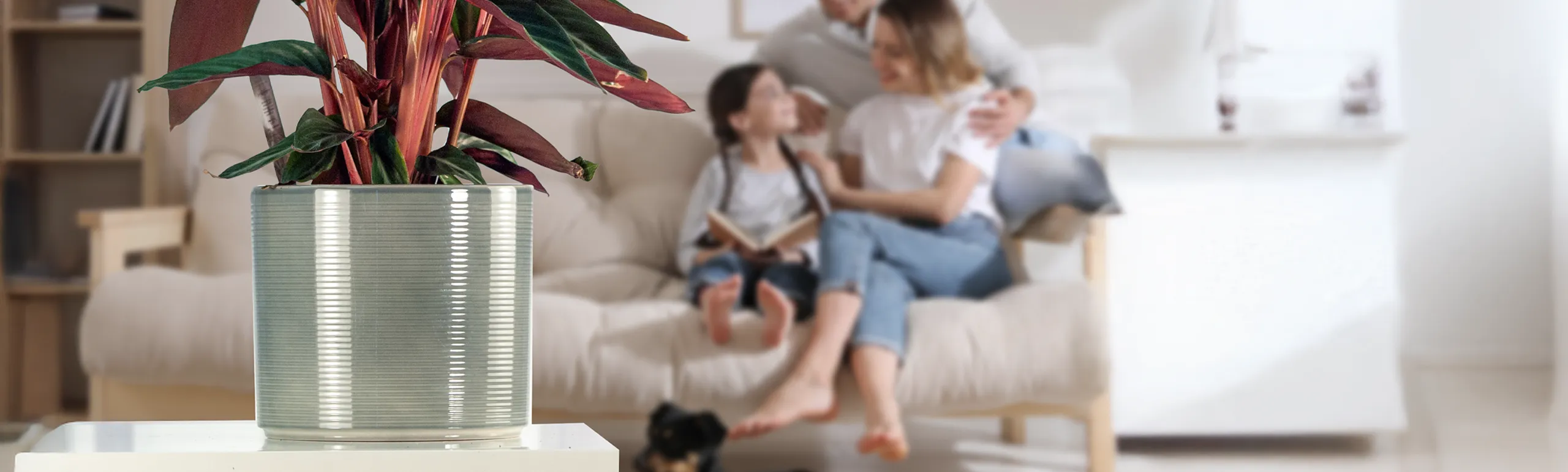
Manufacturer of ceramic planters made from regional Westerwald clays for the specialized wholesale trade

Westerwälder Blumentopf-Fabrik Spang GmbH & Co. KG
Ransbach-BaumbachNew on Amplifa
The Company
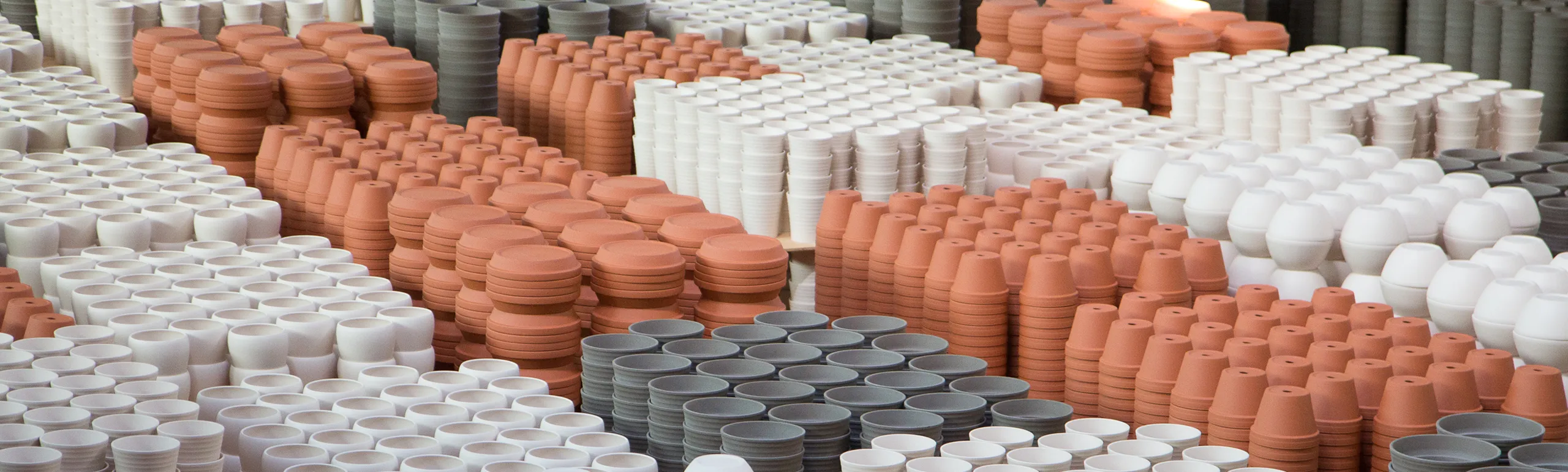
The Westerwälder Blumentopf-Fabrik Spang GmbH & Co. KG has been manufacturing ceramic planters since 1912 at its Ransbach-Baumbach site in the Kannenbäckerland. The company produces flower pots, cache pots, bowls, balcony boxes, saucers and irrigation sets from regionally sourced clays that are homogenized and processed on site. The production range includes clay varieties such as Natur (Terracotta), Antique, Basalt, Umbra, Granit, Marmor and Weiss, with finishes by glazing, impregnation and powder coating in over 50 colors. Customers are florists, garden centers and DIY stores, supplied exclusively via the specialized wholesale trade in over 30 countries. With 160 employees, the company is family-run in its fourth generation; custom-made products and exclusive product lines for wholesalers complement the standard program.
- Site
- Ransbach-Baumbach
- Processes
- Ceramic manufacturing of planters, In-house regional clay processing (homogenization of raw materials), Glazing (glaze-like finishing), Impregnation (surface finishing), Powder coating, Custom-made products / individual product adaptations (own product lines, shapes, colors,, Custom-made products / individual product adaptations, Own exclusive product lines for wholesalers
- Materials
- Natur (Terracotta / classic red-firing clay), Antique (antique clay), Basalt (clay variety), Umbra (clay variety), Granit (light clay variety), Marmor (clay variety), Weiss (clay variety), Regional Westerwald clays (raw material)
- Founded
- 1912
- Employees
- 160
- Industries
- Specialized wholesale trade, Floristry, Garden centers, DIY stores, Planters / ceramics
- 01
Regional clay processing
- 02
Shaping/pressing
- 03
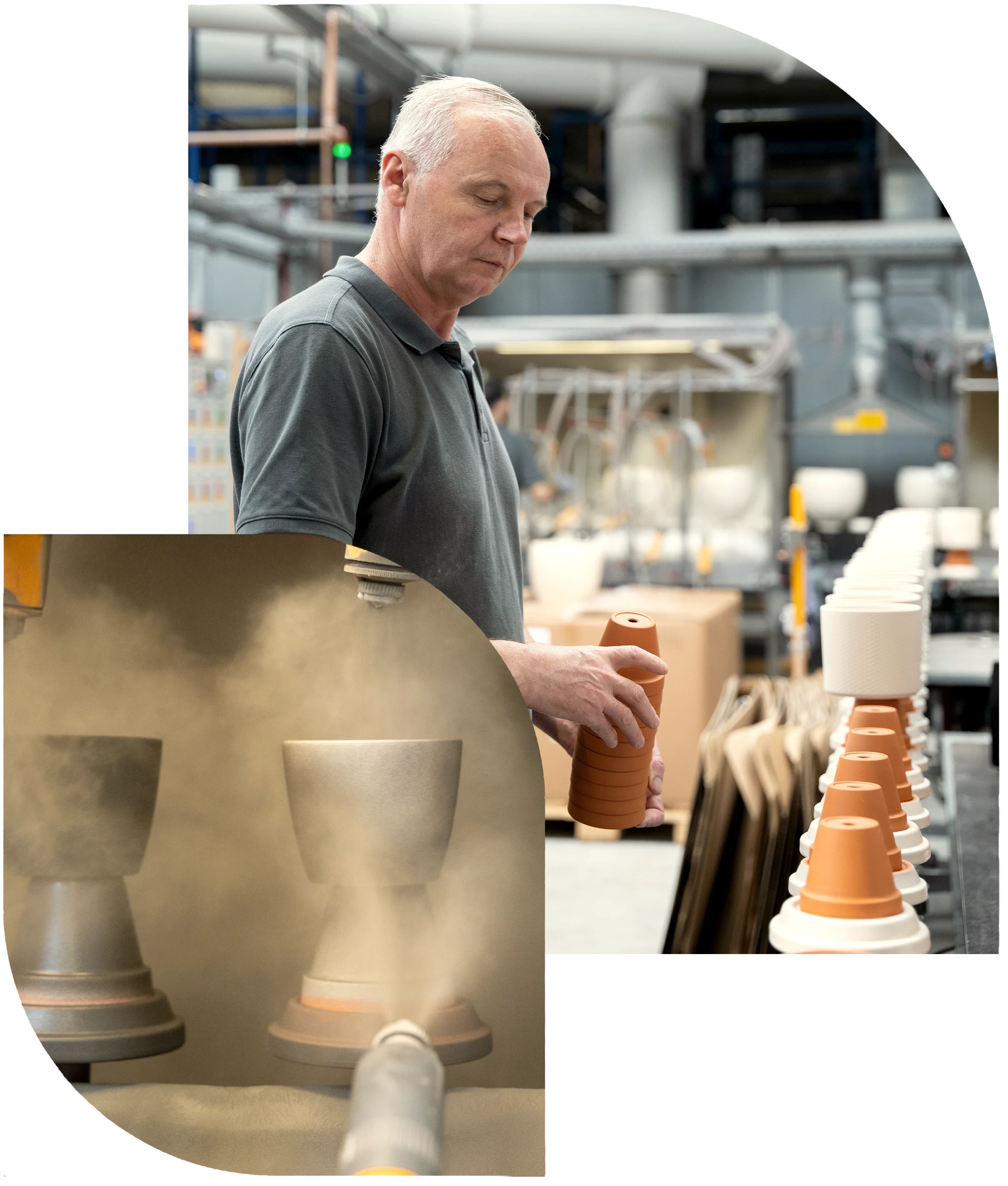
Finishing (glazing, impregnation, powder coating)
- 04
Quality inspection
- 05
Distribution via specialized wholesale trade
Clay Varieties and Finishes
Natur (Terracotta)
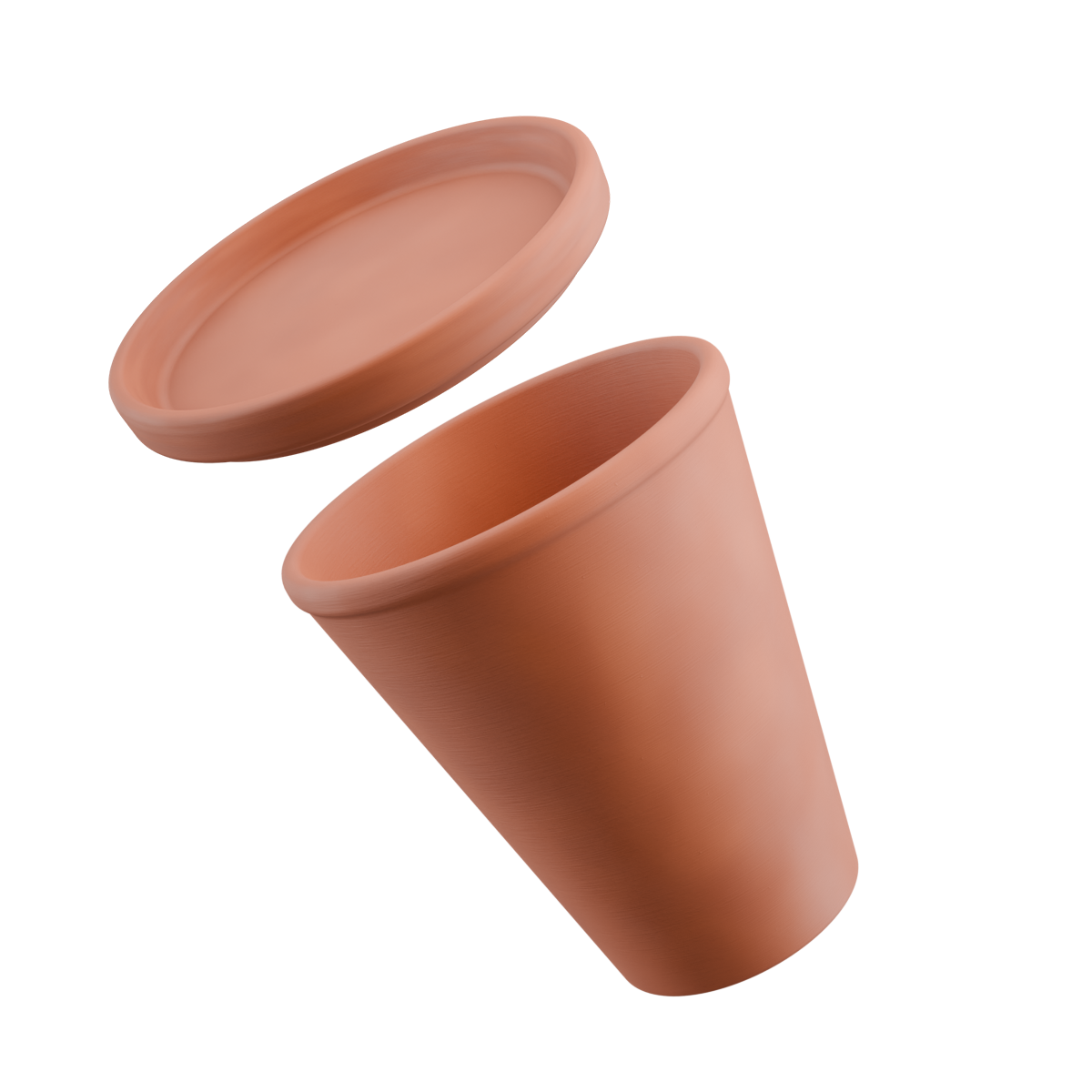
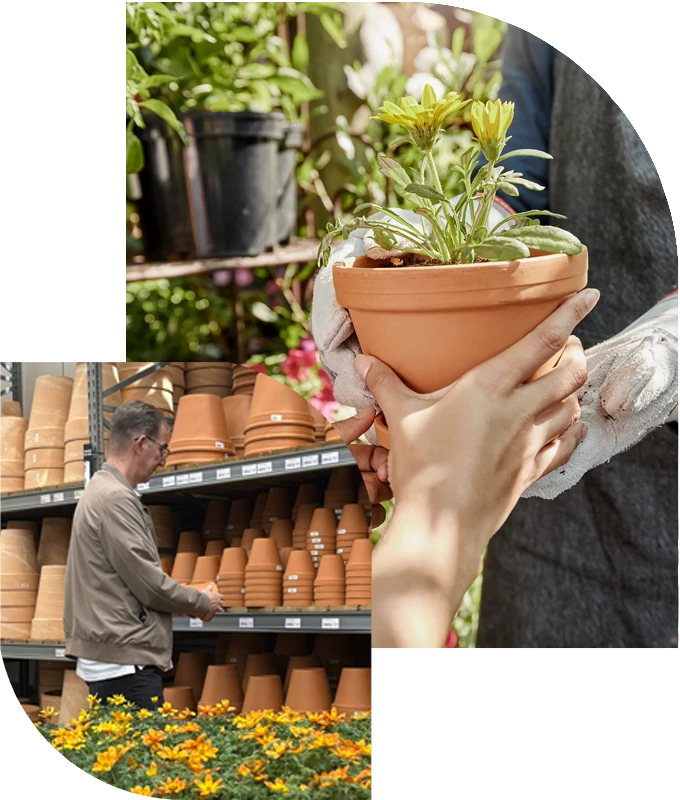
Classic red-firing clay for flower pots, cultivation bowls and saucers for indoor and outdoor use.
Antique
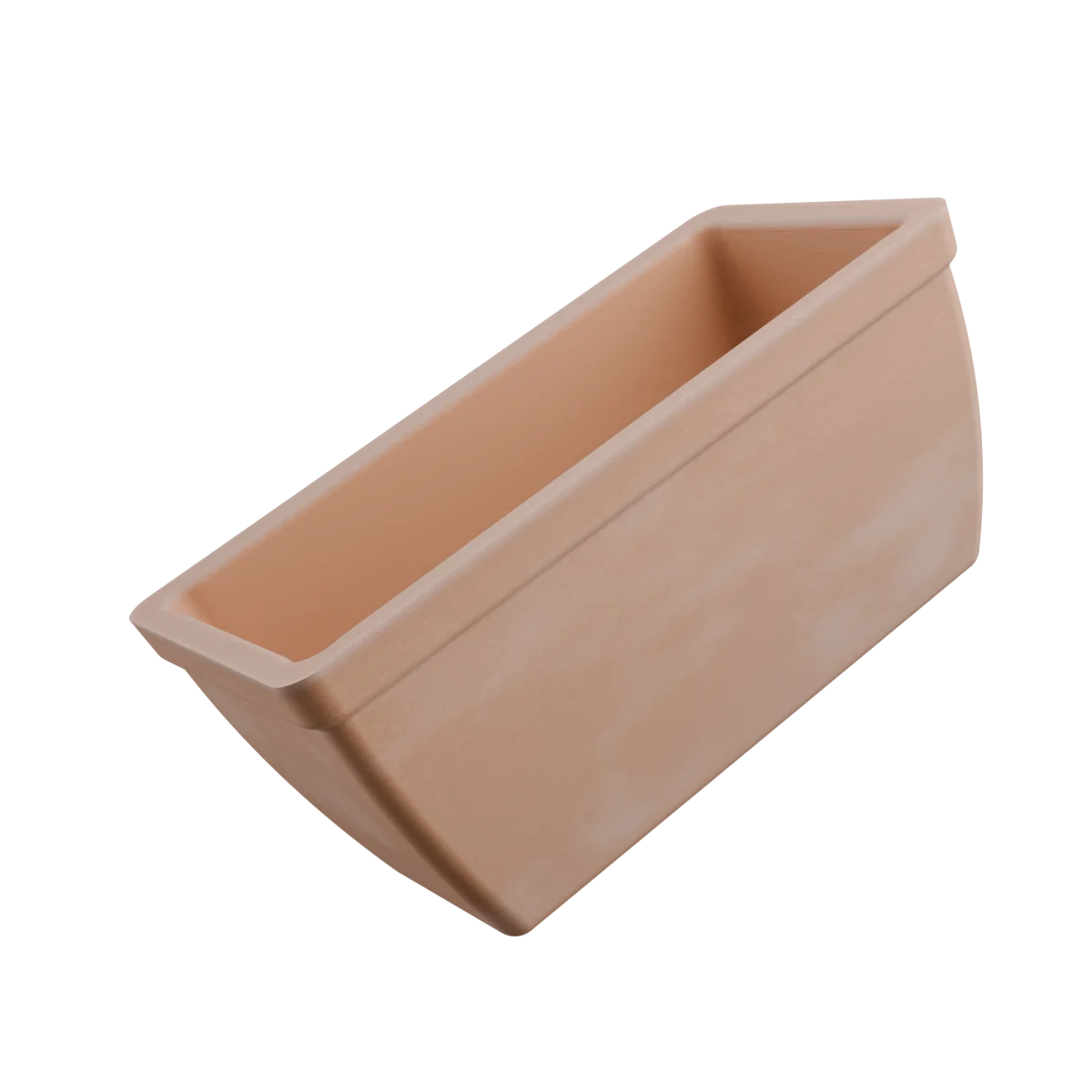
Antique clay with a Mediterranean character for outdoor vessels such as PASCAL and balcony boxes.
Basalt & Umbra
Dark clay varieties for frost-resistant outdoor planters, usually impregnated.
Granit
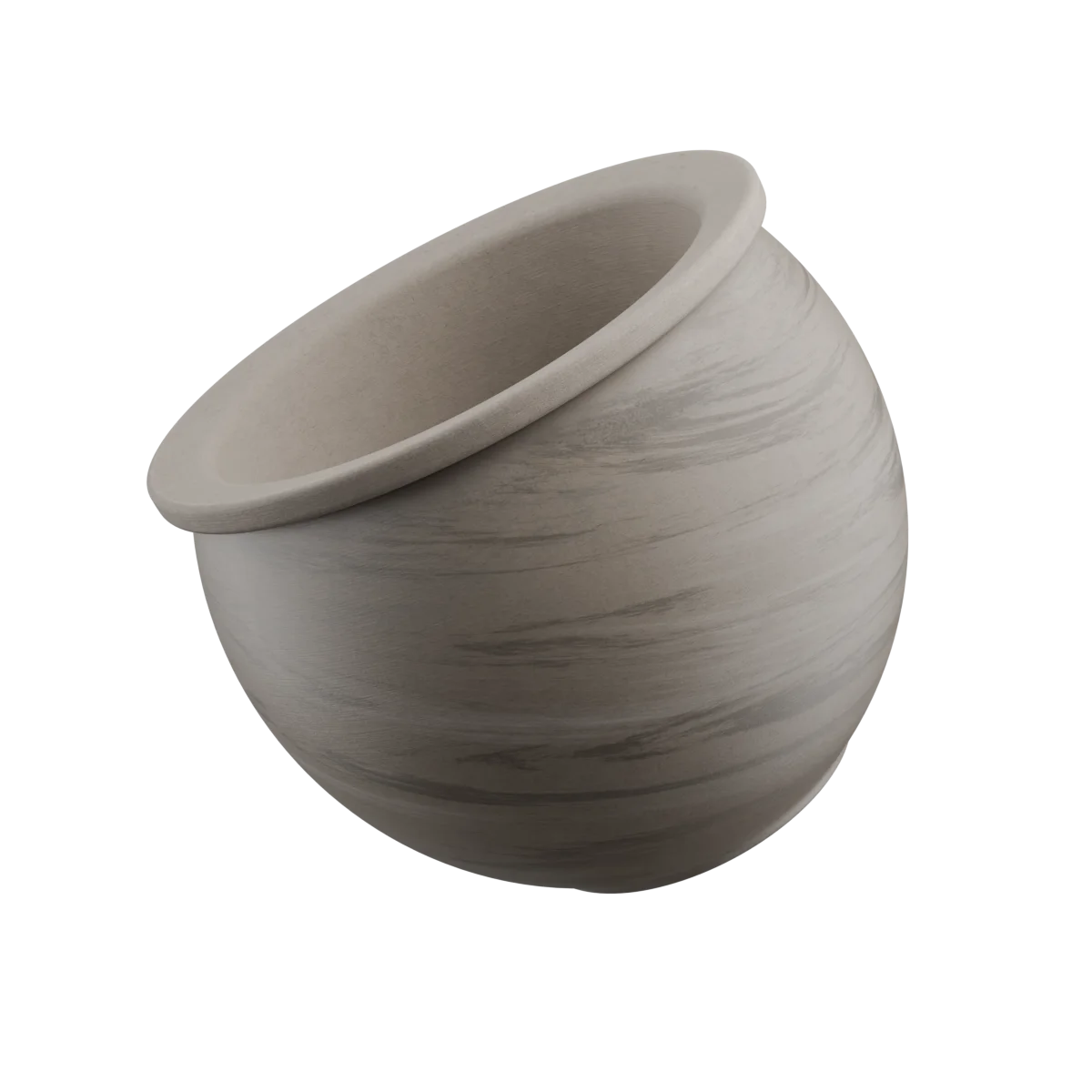
Light clay variety with marbling, often finished with a glaze.
Marmor
Clay variety for saucers with an impregnated surface.
Weiss
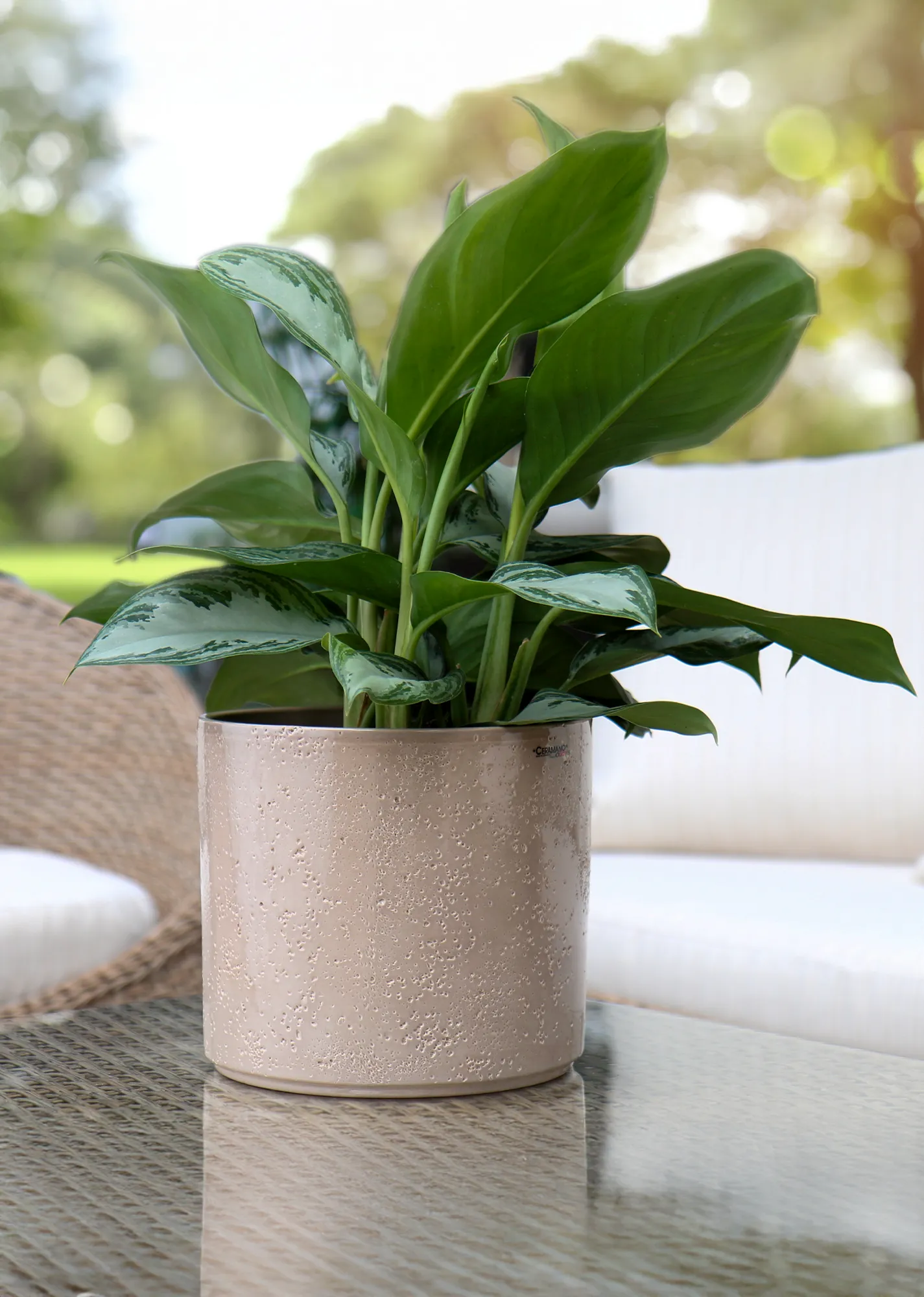
Light clay variety for indoor cache pots.
Glaze
Glaze-like surface finish in over 50 color variants.
Impregnation
Surface finish for frost resistance and longer durability of the vessels.
Powder coating
Surface finish in the Granit product line.
Sites

Ransbach-Baumbach
DEProduction and administration
- Materials
- Regional Westerwald clays
- Industrial robots in pot manufacturing (since 2004)
- In-house clay processing
Planters
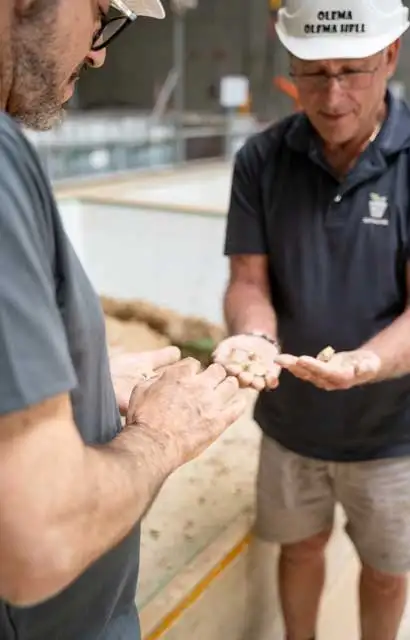
Inside the production

Industries
Processes & technical limits
| Processes | Tolerance | Max. part | Weight | Lot size | Materials |
|---|---|---|---|---|---|
| Ceramic manufacturing of plantersPlastics | – | – | – | – | Natur (Terracotta), Antique, Basalt, Umbra, Granit, Marmor, Weiss, Light |
| In-house regional clay processing (homogenization of raw materials)Engineering | – | – | – | – | regional clays (Westerwald) |
| Glazing (glaze-like finishing)Surface | – | – | – | – | Natur (Terracotta), Granit, Antique, Basalt |
| Impregnation (surface finishing)Surface | – | – | – | – | Natur, Antique, Basalt, Umbra, Granit, Marmor |
| Powder coatingSurface | – | – | – | – | Granit |
| Custom-made products / individual product adaptations (own product lines, shapes, colors,Engineering | – | – | – | – | Ceramic / clay |
Additional services
Reference customers
History
- 1912
Wilhelm Spang founds a stoneware goods factory in Baumbach
- 1926
First clay flower pot on the advice of wholesaler Alois Böhm
- 1939
Wartime conversion to production of Raschig rings
- 1950er
Delivery area from Flensburg to Stuttgart; export contacts to Belgium
- 1956
Annual production of 1,200,000 pots (1949: 300,000)
- 1980er
Response to plastic pots and terracotta demand by expanding the product range
- 2004
Use of industrial robots in pot manufacturing