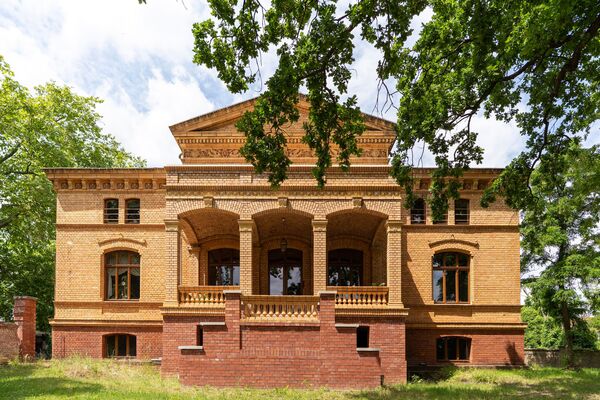
Has been producing bricks, hand-moulded bricks, architectural ceramics and clay building materials for heritage conservation and brick architecture since 1830.
Ziegelwerk Klaus Huber GmbH & Co. KG
Nossen-GraupzigNew on Amplifa
Brick manufactory in Saxony
Ziegelwerk Klaus Huber GmbH & Co. KG has been producing bricks and clinker bricks in Graupzig near Nossen (Saxony) since 1830. The family-owned company produces small-format bricks, facing bricks, clinker bricks, brick slips, brick pavers, floor tiles as well as authentic hand-moulded and hand-struck bricks made to historical models. Another pillar is heritage-relevant architectural ceramics: terracottas, profiled bricks, tracery bricks and historic roof ornaments are reconstructed or newly produced in the company's own plaster mould and model-making workshop, including project-specific glaze and engobe development. The portfolio is complemented by clay building materials such as solid clay bricks, straw-clay bricks, clay plasters, clay mortars and sealing clay for ecological construction. Production is carried out by extruded brick manufacturing combined with authentic handcrafting; firing takes place in a counter-current tunnel kiln. The raw materials are red-firing clays from the Lommatzscher Pflege region and cream-white clays from the Meissen region, sourced from the company's own clay pit. Customers include architects, planners, heritage conservators and restoration companies, among others for churches, monasteries, castles and public buildings in Germany and Denmark.
- Site
- Nossen
- Processes
- Extruded brick production (bricks, facing bricks, clinker bricks, brick pavers), Hand-moulding technique / hand-moulded bricks (hand-struck, water-struck and sand-struck technique), Shaped bricks made to specifications (rounded edges, corbel bricks, concave bricks, sloped bricks,, Glazed architectural ceramics / terracottas (friezes, cornices, columns, balusters, capitals,, Glazes / engobes on shaped components, Sawing work: brick slip, angle brick slip, rafter-facing slip and cut brick cuts, In-house model and mould making (wooden moulds, plaster moulds, steel dies), Clay building materials: clay plaster (LOP 4, LOP 2), clay mortar, clay concentrate
- Materials
- Clays from the Lommatzscher Pflege, Clays from the Meissen region, Crushed sand, Clay, Loam, Wood (straw-clay brick, wooden moulds), Plaster (plaster moulds), Steel (steel dies)
- Certificates
- External monitoring by Güteschutz Ziegel e.V., Frost resistance testing (Güteschutz Ziegel e.V.)
- Founded
- 1830
- Industries
- Heritage conservation and monument restoration, New build / brick architecture, Renovation and restoration, Ecological construction / clay building, Churches, monasteries, public buildings, Landscaping and outdoor facilities (brick pavers)
- 01
Raw material extraction from the company's own clay pit (bucket-wheel excavator)
- 02
Preparation (pan mill, fine roller mill, circular and box feeders)
- 03
Shaping: extruded brick production (screw press)
- 04
Drying (chamber dryers in MLK halls, open-air drying)
- 05
Firing in the counter-current tunnel kiln
- 06
Post-processing: sawing work (brick slips, cut bricks), glazing/engobe
- 07
Hand sorting and project-specific pre-sorting at the works
Raw materials, processes and production
Clays from the Lommatzscher Pflege
Red-firing clays from the company's own pit as raw material for bricks, clinker bricks and clay building materials.
Clays from the Meissen region
Cream-white clays which, together with the clays, produce a broad colour spectrum.
Clay
Basic material for clay bricks, clay plasters, clay mortars and clay fills.
Crushed sand
Regional additive for particularly stable clay plasters and clay masonry mortars.
Wood
Material for wooden moulds of the hand-struck bricks and straw-clay bricks.
Plaster
Material for moulds for the terracotta and architectural ceramic reconstructions.
Steel
Material for steel dies of the extruded brick production.
Extruded brick production
Machine-based production of bricks, clinker bricks, floor tiles and shaped bricks.
Hand-moulding technique (water-struck and sand-struck)
Authentic handcrafting of hand-struck bricks made to historical models.
Counter-current tunnel kiln
Firing kiln for small-format bricks and clinker bricks, in operation since 1991.
Glazes and engobes
Project-specific development of glazes and engobes for architectural ceramics and shaped bricks.
Sawing work
Production of brick slips, angle brick slips, rafter-facing slips and cut bricks.
Graupzig site
Nossen-Graupzig
DEProduction site (brickworks with clay pit), administration, sales
- Materials
- Clays from the Lommatzscher Pflege, clays from the Meissen region
- Counter-current tunnel kiln (1991)
- Screw press (extruder)
- Fine roller mill (1990)
- Universal cutting machine (1996)
- Pan mill (1967)
- Chamber dryers in 2 MLK halls (1969/1978)
- Circular feeder (1947)
- Box feeder (1966)
- Bucket-wheel excavator (open-cast mining)
- Conveyor system (stockpile technology, 1980)
- Semi-automatic saw (2017)
Products and components
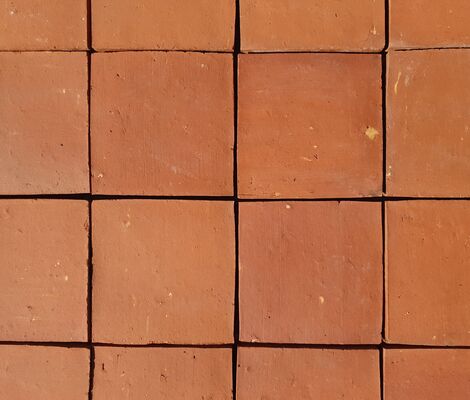
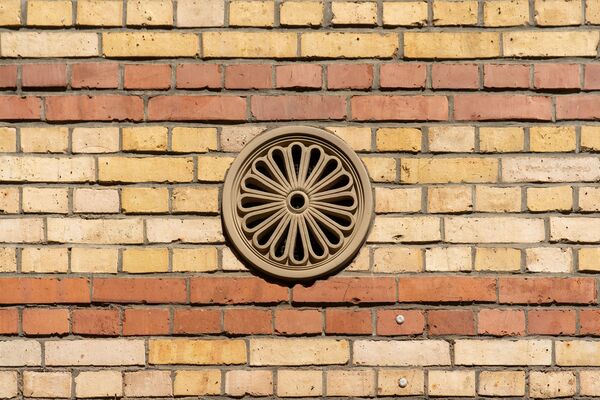
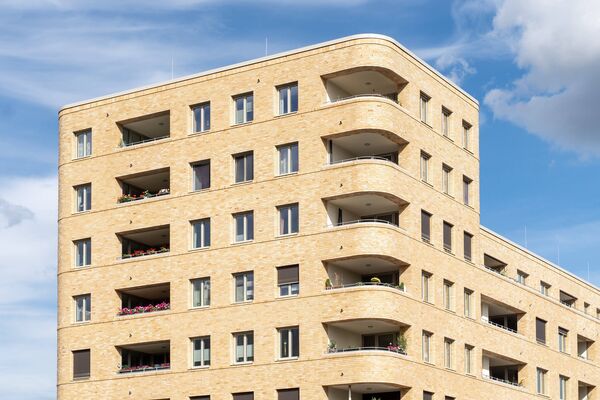
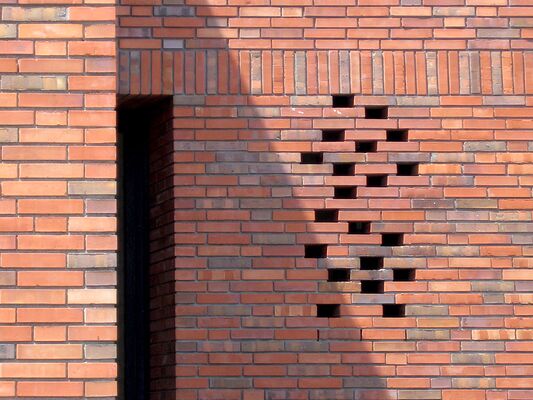
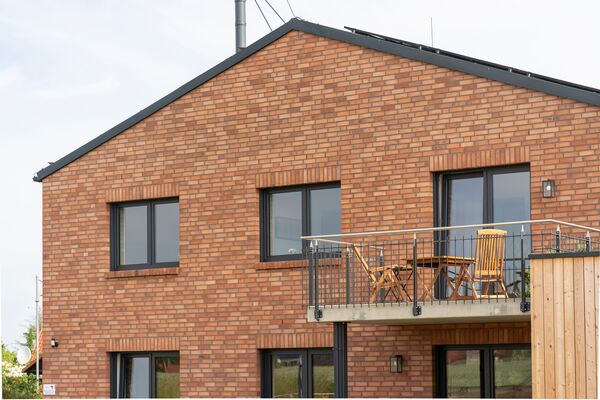
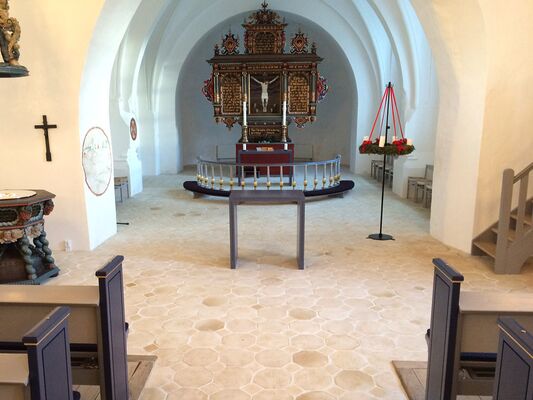
Inside the production
Industries
Processes & technical limits
| Processes | Tolerance | Max. part | Weight | Lot size | Materials |
|---|---|---|---|---|---|
| Extruded brick production (bricks, facing bricks, clinker bricks, brick pavers)Casting | – | – | – | – | Clay from the Lommatzscher Pflege, Clays from the Meissen region, Crushed sands |
| Hand-moulding technique / hand-moulded bricks (hand-struck, water-struck and sand-struck technique)Casting | – | – | – | – | Clay, Loam |
| Shaped bricks made to specifications (rounded edges, corbel bricks, concave bricks, sloped bricks,Casting | – | – | – | – | Clay, Loam |
| Glazed architectural ceramics / terracottas (friezes, cornices, columns, balusters, capitals,Casting | – | – | – | – | Loam |
| Glazes / engobes on shaped componentsSurface | – | – | – | – | Ceramics, Brick |
| Sawing work: brick slip, angle brick slip, rafter-facing slip and cut brick cutsMachining | – | – | – | – | Extruded bricks |
| In-house model and mould making (wooden moulds, plaster moulds, steel dies)Engineering | – | – | – | – | Wood, Plaster, Steel |
| Clay building materials: clay plaster (LOP 4, LOP 2), clay mortar, clay concentratePlastics | – | – | – | – | Clay, Crushed sand |
| Solid clay bricks, straw-clay bricks, straw-clay elements (clay building panels)Casting | – | – | – | – | Clay, Wood |
| Clay/loam fills, raw clay, raw loam, sealing/landfill clay, brick dustCasting | – | – | – | – | Clay, Loam |
| Firing in the counter-current tunnel kilnHeat treatment | – | – | – | – | Brick |
| Hand sorting and project-specific sorting of bricksTesting | – | – | – | – | Brick |
| Frost resistance testing by Güteschutz Ziegel e.V. (self-monitoring and external monitoring)Testing | – | – | – | – | Ceramics |
| Machine-based floor tile / brick paver productionCasting | – | – | – | – | Clay, Loam |
| Hand-moulded floor tiles in authentic hand-struck techniqueCasting | – | – | – | – | Clay, Loam |
11 Anlagen & Maschinen
| Machine | Manufacturer / model | Quantity | Working area | Year built | Site |
|---|---|---|---|---|---|
| Counter-current tunnel kiln | – | – | – | 1991 | Graupzig |
| Semi-automatic saw | – | 1 | – | 2017 | Graupzig |
| Screw press (extruder) | – | – | – | – | Graupzig |
| Fine roller mill | – | 1 | – | 1990 | Graupzig |
| Universal cutting machine with variable cutting sizes | – | 1 | – | 1996 | Graupzig |
| Pan mill | – | 1 | – | 1967 | Graupzig |
| Chamber dryer (MLK halls) | – | 2 | – | 1969/1978 | Graupzig |
| Circular feeder | – | – | – | 1947 | Graupzig |
| Box feeder | – | – | – | 1966 | Graupzig |
| Bucket-wheel excavator (open-cast mining) | – | – | – | – | Graupzig |
| Conveyor system (stockpile technology) | – | – | – | 1980 | Graupzig |
Additional services
Reference customers
Monitoring and quality assurance
The products are subject to statutory self-monitoring and voluntary external monitoring by Güteschutz Ziegel e.V.; the frost resistance of the ceramic products is regularly tested. The bricks are traditionally sorted by hand and compiled project-specifically at the works.
| Evidence | Nossen-Graupzig |
|---|---|
| External monitoring by Güteschutz Ziegel e.V. | |
| Frost resistance testing (Güteschutz Ziegel e.V.) |
Brick tradition since 1830
- 1830
First documented records (delivery note, invoice); manorial brickworks as a seasonal operation with a clamp kiln, manual extraction and hand-moulding technique
- 1886
Construction of a zigzag kiln with eight chambers and a freestanding chimney
- 1912
Installation of a brick press with transmission drive and electric motor as well as a circular feeder
- 1930
Discontinuation of brick production and sale of the brickworks for demolition
- 1946
Land allocation to Xaver Huber after purchase with the master's house, empty machine house and zigzag kiln
- 1947
Enlargement of the zigzag kiln to 12 chambers, start of open-air drying, production of 1.3–1.6 million NF bricks/year, start of roof tile production (beaver-tail tiles)
- 1950
100,000 bricks loaded by hand and delivered from Ziegenhain station to Berlin for the construction of the Red Town Hall
- 1959
Forced state participation: Ziegelwerk Huber KG Graupzig (BSB)
- 1969
Death of Xaver Huber; taken over as general partner by engineer Klaus Huber
- 1971/72
Continuous annual production from winter 1971/72 with approx. 3.4 million NF bricks
- 1972
Nationalisation into VEB (K) Ziegelwerk Graupzig, works director Klaus Huber
- 1990
Reprivatisation as Ziegelwerk Klaus Huber as of 01.09.; investments including construction of a new tunnel kiln
- 1991
Commissioning of the counter-current tunnel kiln; production profile: small-format bricks/clinker bricks for heritage conservation, hand-moulded bricks, special ceramics, floor tiles, glazed architectural ceramics, clay building materials
- 1996
Installation of a universal cutting machine with variable cutting sizes
- 2008
Renaming to Ziegelwerk Klaus Huber GmbH & Co. KG; managing directors: Klaus Huber, Ralf Huber
- 2017
Purchase of a semi-automatic saw for the production of brick slips