Freeze FenceProcurement Lock as a Control Instrument
Procurement glossary · Updated · 6 min read
Also known as: Frozen Fence, Frozen Zone, Change Freeze, Frozen Period, Planning Lock
Short answer
- Freeze Fence is a defined time-based lock from which changes to orders, bills of materials and schedules are no longer possible without approval.
- It secures planning stability for manufacturing and suppliers and reduces express procurement and inventory.
- The lock is typically graduated by part class, from a few days to several weeks before production start.
Freeze Fence refers to a defined time-based or thematic lock with which changes to orders, bills of materials, schedules or material requirements are frozen for a fixed period. In manufacturing and supplier industries, it serves to protect planning runs from constant short-notice changes and thereby to secure reliable lead times. The term originates from production planning and is closely related to frozen zone or frozen period.
Key facts
- Freeze Fence locks changes to orders, bills of materials and schedules for a defined period.
- The frozen zone typically lies between a few days and several weeks before production start.
- Within the lock, changes are only possible via a documented escalation and approval process.
- Core benefits are reliable lead times, more stable order quantities and fewer costly changeovers.
- Key KPIs are the change rate within the frozen zone, schedule stability and inventory impact.
- For buyers, it creates planning certainty for blanket call-offs, delivery dates and material planning.
Contents
Definition: Freeze Fence
Freeze Fence (also Frozen Fence or Change Freeze) is an organisational lock that prevents changes to planned orders, material requirements and manufacturing data from a defined point in time within the planning horizon. It marks the boundary between flexibly plannable and bindingly fixed manufacturing.
Distinction from the frozen zone
The terms are often used synonymously. In practice, the frozen zone frequently denotes the entire period during which planning data is frozen, while the Freeze Fence describes the specific time limit from which no more changes pass without approval. Both concepts pursue the same goal: protecting production control from short-notice, unverified interventions.
Significance for technical procurement
For buyers and supply chain managers, the Freeze Fence acts like a trust boundary towards suppliers: call-offs and orders placed within the lock are considered reliable. This allows suppliers to plan material on a long-lead basis and reduces urgent orders and costly express freight. Material release and order approval can also be cleanly docked onto the fence nodes.
Methods and approach for implementation
An effective Freeze Fence is not created by decree alone, but through a coordinated combination of system configuration, process rules and supplier communication.
Define time windows per planning level
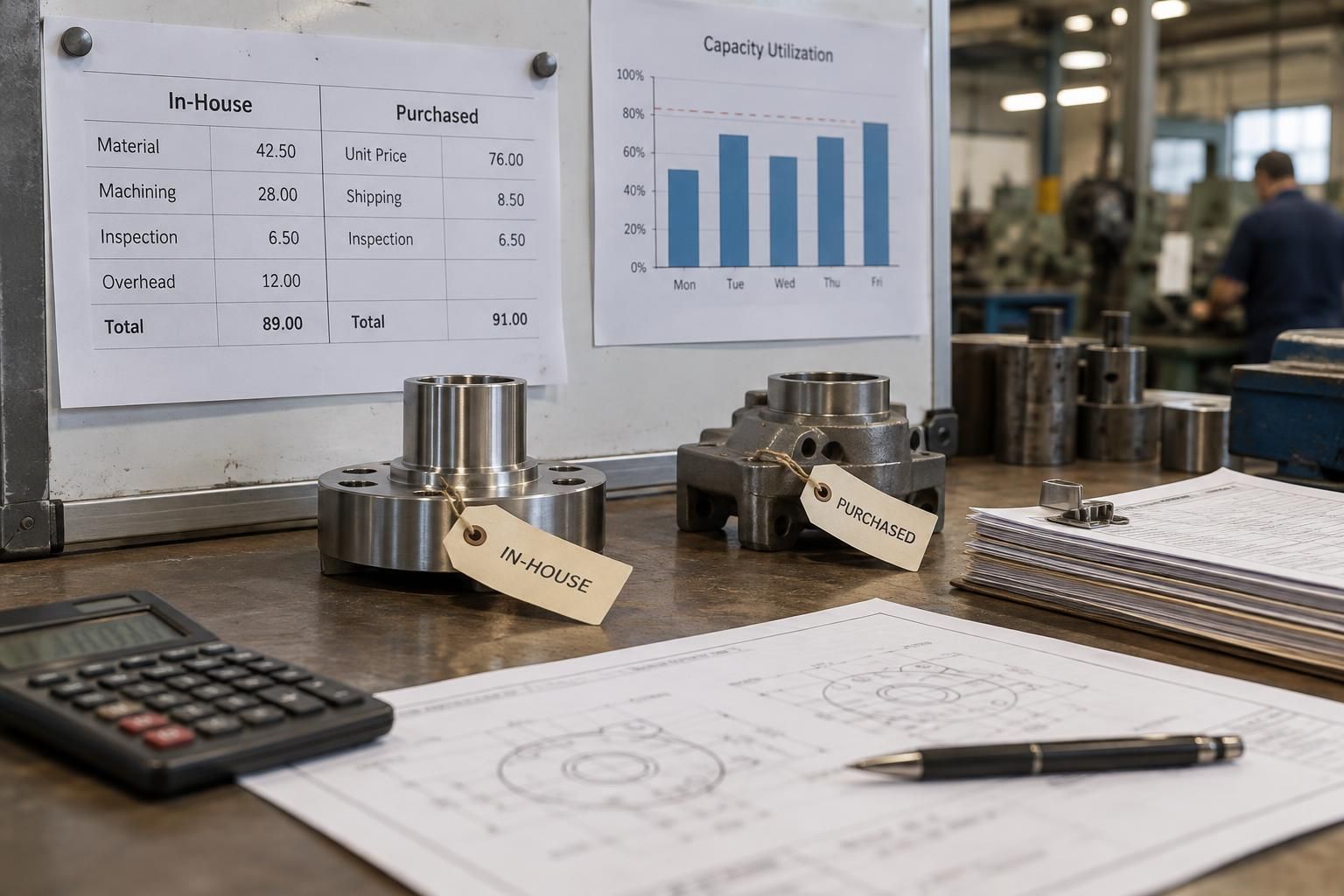
In practice, graduated locks are defined: for in-house manufacturing the fence is often three to six weeks before start, for purchased parts with long lead times earlier, for standard catalogue parts later. The tiering is based on replenishment lead times and changeover effort. A reference to the catalogue share helps: catalogue and C parts can be frozen later than manufacturing-critical A parts.
Establish escalation and change process
No fence is absolute. Changes within the lock require a documented approval process with clear responsibilities – typically an assessment by production planning, procurement and engineering. A structured exception management ensures that only genuinely justified exceptions pass through and that every exception is assessed in terms of additional costs and schedule impact.
System-side implementation
In ERP and PPS systems, the fence is represented as a time window or status logic: bookings, rescheduling and quantity changes within the lock are blocked or require special authorisation. A sound data basis is a prerequisite – a regular data quality report on master data, bills of materials and schedules prevents the fence from 'freezing' defective data.
Key KPIs around the Freeze Fence
Without measurement, the fence remains a declaration of intent. What is assessed above all is how disciplined the lock is adhered to and what economic effect it achieves.
Compliance and stability metrics
Key metrics are the change rate within the frozen zone, the share of approved exceptions and the schedule stability of released orders. If the change rate falls significantly after fence introduction, this indicates planning maturity in engineering and sales. Early warning indicators such as rising exception requests, by contrast, point to problems in upstream planning.
Economic impact metrics
Impact metrics include, among others, inventory level and stock cover, as more stable planning avoids excessive safety stock. Lead time, express freight share and the degree of schedule adherence towards suppliers can also be measured as follow-on metrics. In procurement, stable call-offs also affect negotiating leeway and preference pricing for bottleneck materials.
Risks and controls
An overly rigid fence creates new effort, an overly vague rule provides no protection. The balance requires clear rules and ongoing control.
Typical pitfalls
Common mistakes are a fence that lies before the suppliers' actual procurement start, and exception approvals that become the rule. Verbal change agreements between engineering and manufacturing also undermine the lock. Anyone introducing a freemeting culture alongside the Freeze Fence must actively manage expectations.
Control mechanisms
Weekly fence reviews in which exception requests are decided in bundles have proven effective, as has a documented order approval for all changes after fence overrun. Towards suppliers, the fence should be anchored contractually and in supplier meetings – for example via the preferred supplier policy or framework agreements. The legal consequences of unilateral changes depend on the respective contract and must be examined on a case-by-case basis.
Current developments and classification
Digitalisation, shorter product life cycles and more volatile demand are subjecting classic Freeze Fence concepts to pressure to adapt.
Shorter cycles, more flexible fences
With increasing product lifecycle management and shorter model cycles, tolerable freeze periods are shrinking in some industries. In practice, graduated zones with different degrees of restriction are therefore establishing themselves instead of a hard binary stop: rigid near the start, gradual behind it.
Data-driven control and collaboration
Supplier portals and collaboration platforms make fence status and change requests visible to suppliers and support supplier enablement. Combined with financing instruments such as supply chain finance, planning stability can also positively influence payment terms, as plannable orders reduce the supplier payment risk and metrics such as days payable outstanding (DPO) can be negotiated in a more stable environment.
Typical metrics
| Metric | Benchmark | Context |
|---|---|---|
| Change rate within the frozen zone | < 5 % | Proportion of changed items after fence overrun; typical benchmark for mature processes |
| Exception rate (approved fence breaches) | < 10 % | Higher values indicate planning problems before the fence |
| Schedule stability of released orders | > 95 % | Proportion of orders without unscheduled rescheduling after the fence |
| Express freight share | < 3 % | Follow-on metric; typically decreases with an effective Freeze Fence |
Typical practical benchmarks – they vary by industry, part and contract.
Practical example
A medium-sized mechanical engineering company with series-related special machinery manufacturing suffered from frequent last-minute changes to bills of materials and schedules, leading to express procurement and empty changeover plans. The company introduced a graduated Freeze Fence and closely involved procurement.
- Frozen zone of four weeks for in-house manufacturing, six weeks for long-lead purchased parts, two weeks for catalogue parts
- Exception requests only via a weekly fence review with production control, engineering and procurement
- Supplier information via the supplier portal including binding call-off windows and documented order approval
- Monthly evaluation of change rate, express freight share and schedule stability as early warning indicators
Conclusion
Freeze Fence is a simple but effective control instrument that contractually and systematically safeguards planning stability between customer and supplier. Success depends less on the duration of the lock than on clean data, a disciplined exception process and acceptance in engineering, manufacturing and sales. For technical procurement, the fence means reliable call-offs, fewer urgent purchases and a better negotiating position. Graduated zones and digital collaboration tools make the concept viable even with shorter product life cycles. Those who measurably track fence compliance recognise early where the real causes of planning chaos lie.
Frequently asked questions
What does Freeze Fence mean in production?
Freeze Fence refers to the time limit from which changes to planned orders, bills of materials and schedules are locked. Within this frozen zone, adjustments are only possible via a documented approval process. The aim is planning stability for manufacturing and suppliers.
How long should a frozen zone be?
Typically the lock periods range from a few days for standard parts to several weeks for manufacturing-critical or long-lead components. The duration is based on replenishment lead times, changeover effort and supply chain length. A graduated tiering by part class has proven effective in practice.
What happens with urgent changes within the Freeze Fence?
Exceptions go through a structured escalation process, often a weekly fence review involving production planning, procurement and engineering. Every exception is assessed and documented in terms of additional costs and schedule impact. It is important that the exception rate remains small, otherwise the fence loses its effect.
What are the benefits of the Freeze Fence for procurement?
Procurement receives plannable call-offs and can give suppliers reliable dates and quantities. This reduces express freight, safety stock and urgent orders. In addition, stable planning strengthens the negotiating position towards suppliers.
Which KPIs measure the effectiveness of a Freeze Fence?
Key metrics are the change rate within the frozen zone, the share of approved exceptions and the schedule stability of released orders. Stock cover, lead time and express freight share are suitable impact measures. Regular evaluations show whether the fence is being adhered to.
Is Freeze Fence the same as Frozen Zone?
The terms are often used synonymously. More precisely, the Freeze Fence refers to the specific time limit of the lock, while the frozen zone denotes the entire locked planning period. In substance, both pursue the same goal of planning stabilisation.