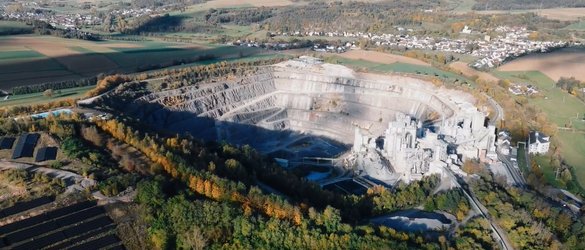
Manufacturer of burned and unburned lime products as well as precipitated calcium carbonates (PCC) since 1860.
SCHAEFER KALK GmbH & Co. KG
Diez · Hahnstätten · Runkel-Steeden · Neidenfels · KehlNew on Amplifa
About SCHAEFER KALK
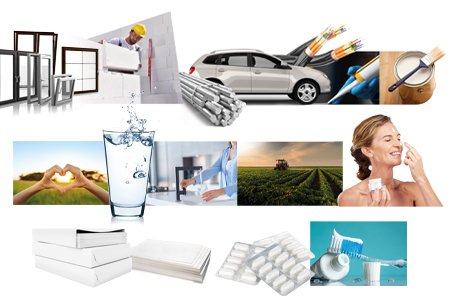
SCHAEFER KALK is a family business founded in 1860, now in its fifth generation, headquartered in Diez (Rhineland-Palatinate). The company produces and supplies burned lime products (lump lime, fine white lime, white lime hydrate, lime milk), unburned lime products (limestone chippings, limestone flour) as well as precipitated calcium carbonates (PCC) and surface-treated PCC (cPCC) under the brands SCHAEFER PRECAL®, PRECARB®, PRECAseal®, PRECAflow®, PRECAfood®, PRECAfeed® and others. With 10 lime kilns (daily capacity 100–600 t), the burning capacity amounts to around 930,000 t of lime per year; global PCC capacity is approximately 442,000 t. The products are characterized by high chemical purity and defined physical properties and are used, among others, in iron/steel, building materials, chemicals, plastics/PVC, paper, paints, agriculture as well as food/pharma/cosmetics. Around 700 employees worldwide, including approx. 40 apprentices, work at the sites Diez, Hahnstätten, Runkel-Steeden as well as onsite plants in Neidenfels and Kehl. Research and development is concentrated in the central laboratory in Hahnstätten.
- Site
- Diez
- Processes
- Lime burning (burning operations, 10 kilns), Production of precipitated calcium carbonate (PCC) by introducing CO2 into lime milk, Production of surface-treated precipitated calcium carbonate (cPCC), Lime grinding (limestone chippings, limestone flour), Lime hydrate and lime milk production (slaking/hydration), Ready-mixed mortar production, Research & development, Application technology
- Materials
- Limestone (calcium carbonate), Calcium oxide, Calcium dihydroxide (white lime hydrate), Precipitated calcium carbonate (PCC), Surface-treated precipitated calcium carbonate (cPCC), Calcium oxide (lump and crushed lime, fine white lime), Precipitated calcium carbonate, Surface-treated precipitated calcium carbonate
- Certificates
- HACCP (lime and PCC), FSSC 22000 (lime and PCC), GMP+ (Diez site), GMP+ (Hahnstätten site), DIN EN ISO 9001 (QMS in accordance with), ISO 9001 (in accordance with), HACCP, FSSC 22000, GMP+
- Founded
- 1860
- Employees
- approx. 700 (worldwi
- Industries
- Construction/civil engineering, Building materials, Chemicals, Sealants and adhesives, Iron/steel, Paints
- 01
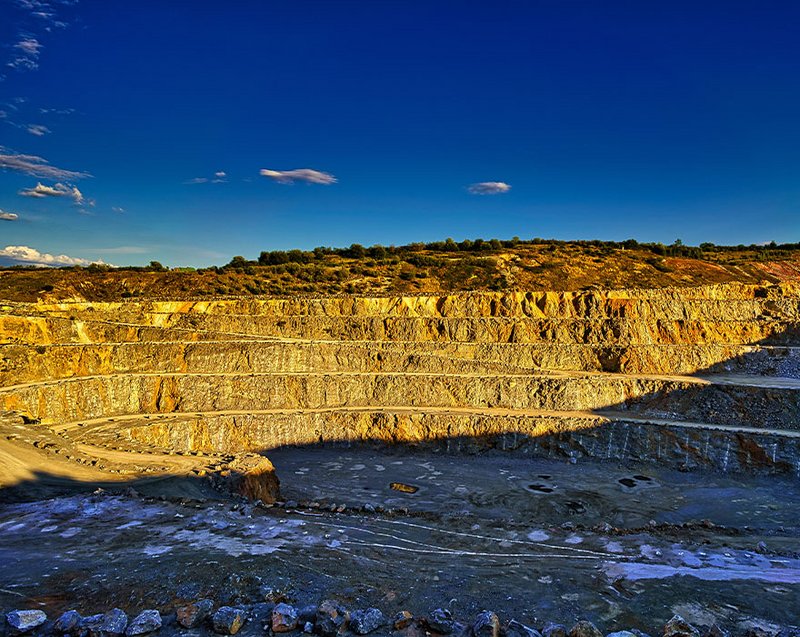
Limestone extraction (quarry)
- 02
Lime burning (10 kilns, natural gas/coal dust)
- 03
Lime grinding (chippings, limestone flour)
- 04
Hydration (lime hydrate, lime milk)
- 05
PCC production (CO2 introduction into lime milk)
- 06
Surface treatment (cPCC)
- 07
Ready-mixed mortar production
- 08
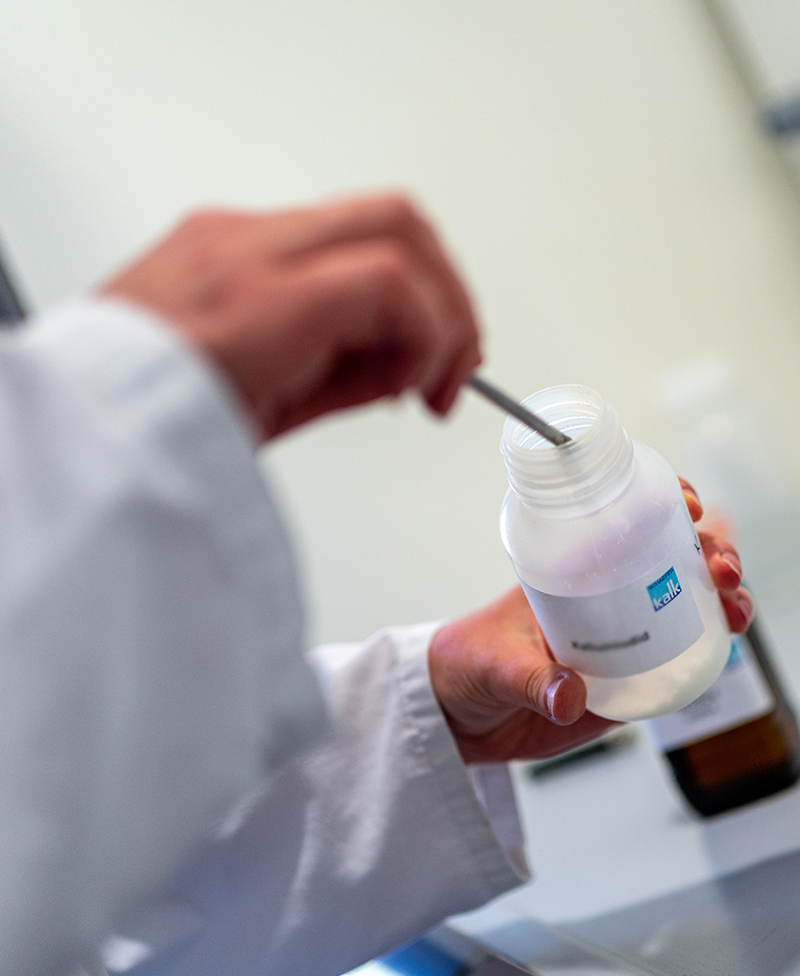
Quality assurance/analysis
Products, Raw Materials & Processes
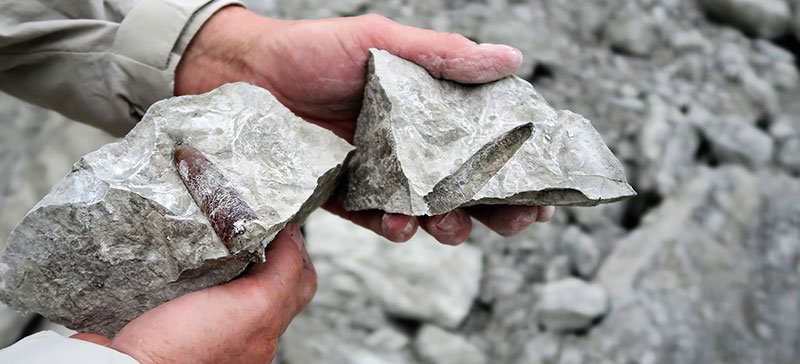
Limestone (calcium carbonate)
Starting material for grits, chippings, limestone flour and as feedstock for burning.
Calcium oxide (lump and crushed lime, fine white lime)
Burned lime products in defined grain sizes and chemical purity according to EN 459.
Calcium dihydroxide (white lime hydrate)
Lime hydrate produced by hydration with high purity and defined slaking curve.
Precipitated calcium carbonate
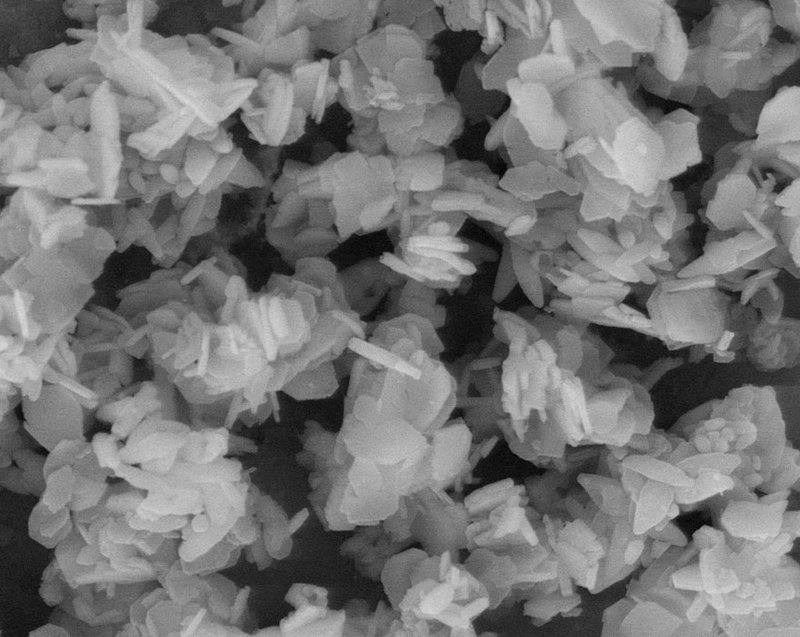
Tailor-made powder and slurry grades with defined crystal structures, particle shapes and sizes.
Surface-treated precipitated calcium carbonate
For applications e.g. in sealants and adhesives.
Food and pharma grades
Lime and PCC grades for food, pharma and cosmetics according to (EU) No. 231/2012 and HACCP.
Sites
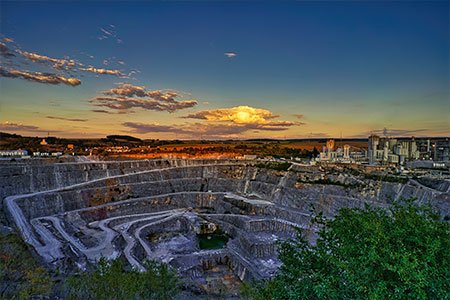
Diez
DEHeadquarters and administration
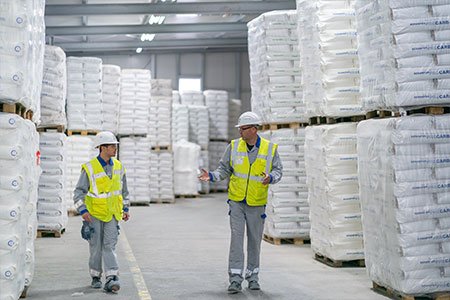
Hahnstätten
DEPlant: production of burned/unburned lime, PCC, ready-mixed mortar; research & development, central laboratory
- Materials
- Lime, PCC
- Lime kilns
- PCC plants
- Lime grinding plants
- Hydration plants
- Ready-mixed mortar plants
Runkel-Steeden
DEPlant: production of unburned and burned lime, quality assurance
- Materials
- Lime
- Quarry
- 1 GGR lime kiln
- 2 RCE kilns
Neidenfels
DEOnsite plant
Kehl
DEOnsite plant
Products

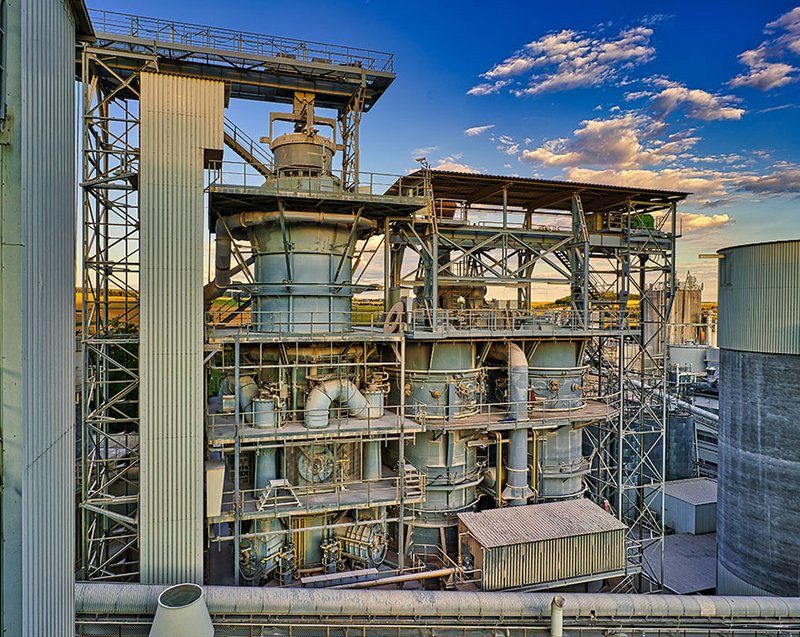
Inside the production
Industries
Processes & technical limits
| Processes | Tolerance | Max. part | Weight | Lot size | Materials |
|---|---|---|---|---|---|
| Lime burning (burning operations, 10 kilns)Heat treatment | – | – | – | – | Limestone, Calcium oxide |
| Production of precipitated calcium carbonate (PCC) by introducing CO2 into lime milkCasting | – | – | – | – | Calcium hydroxide (lime milk), Calcium carbonate (PCC) |
| Production of surface-treated precipitated calcium carbonate (cPCC)Surface | – | – | – | – | Calcium carbonate (cPCC) |
| Lime grinding (limestone chippings, limestone flour)Machining | – | – | – | – | Limestone (calcium carbonate) |
| Lime hydrate and lime milk production (slaking/hydration)Casting | – | – | – | – | Calcium oxide, Calcium dihydroxide |
| Ready-mixed mortar productionAssembly | – | – | – | – | Lime |
7 Anlagen & Maschinen
| Machine | Manufacturer / model | Quantity | Working area | Year built | Site |
|---|---|---|---|---|---|
| Lime kiln | GGR lime kiln | 1 | – | – | Steeden plant |
| Lime kiln (RCE) | RCE kiln | 2 | – | – | Steeden plant |
| Lime kilns | – | 10 | Daily capacity 100–600 tonnes, burning capacity approx. 930,000 t of lime/year | – | Germany |
| PCC production plants (reactors) | – | – | global capacity approx. 442,000 t | – | – |
| Lime grinding plants | – | – | – | – | – |
| Hydration plants | – | – | – | – | – |
| cPCC plant (surface treatment) | – | 1 | – | – | – |
Additional services
Quality
A quality management system in accordance with DIN EN ISO 9001 and an integrated HACCP concept according to EC Regulation 852/2004 ensure compliance with the agreed quality standards; additionally, external monitoring far beyond the necessary standard is carried out. Statistical process control and comprehensive analytics guarantee chemical purity, reactivity and consistent product quality.
| Evidence | Diez | Hahnstätten |
|---|---|---|
| ISO 9001 (in accordance with) | ||
| HACCP | ||
| FSSC 22000 | ||
| GMP+ |
History
- 1860
Johann Schaefer founds the company Johann Schaefer Kalkwerke; the family business has been led to this day across five generations.
- 1913–1945
Survival of the world wars without major plant shutdowns; investment in a gas-fired kiln lays the foundation for the quality orientation.
- 1946–1965
Expansion of processing through fine grinding.